
5 November 2026
Tirzepatide in indexed studies
Download PDF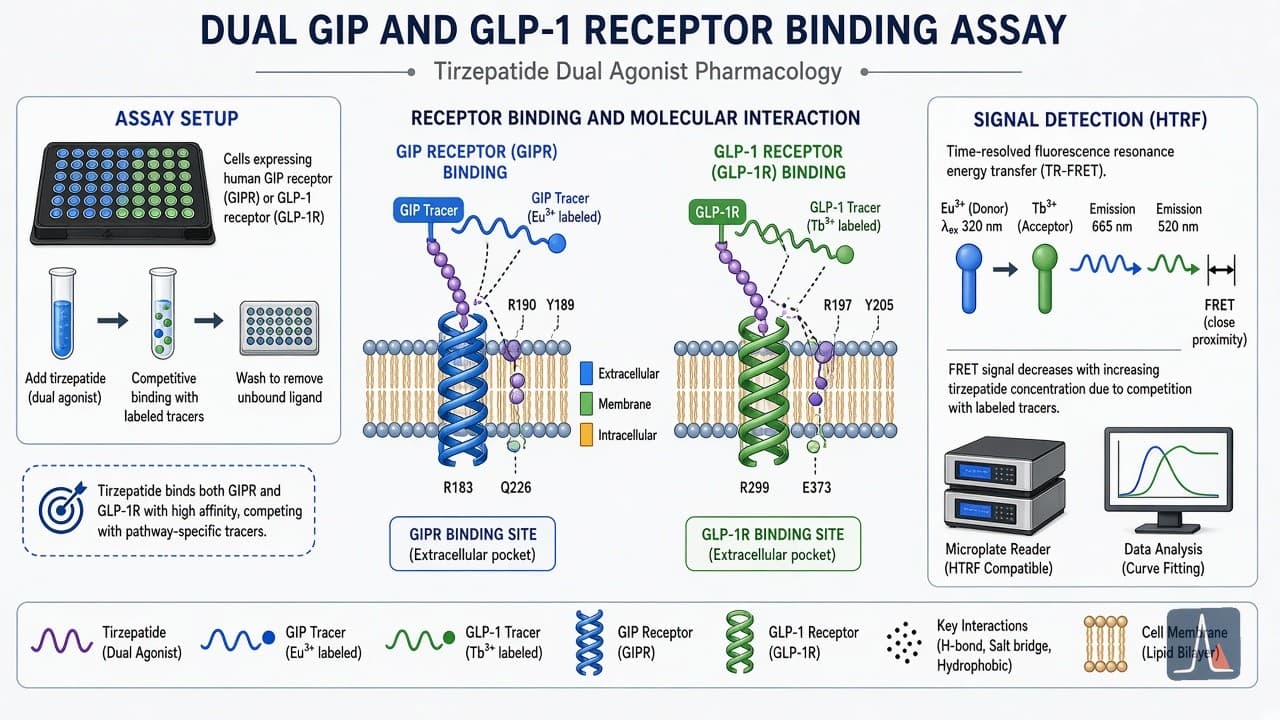
Indexed studies, primarily the SURPASS programme in type 2 diabetes and SURMOUNT programme in obesity or overweight, report that tirzepatide produces dose-dependent reductions in body weight (15–21% at higher doses in non-diabetic adults) a
Tirzepatide in indexed studies
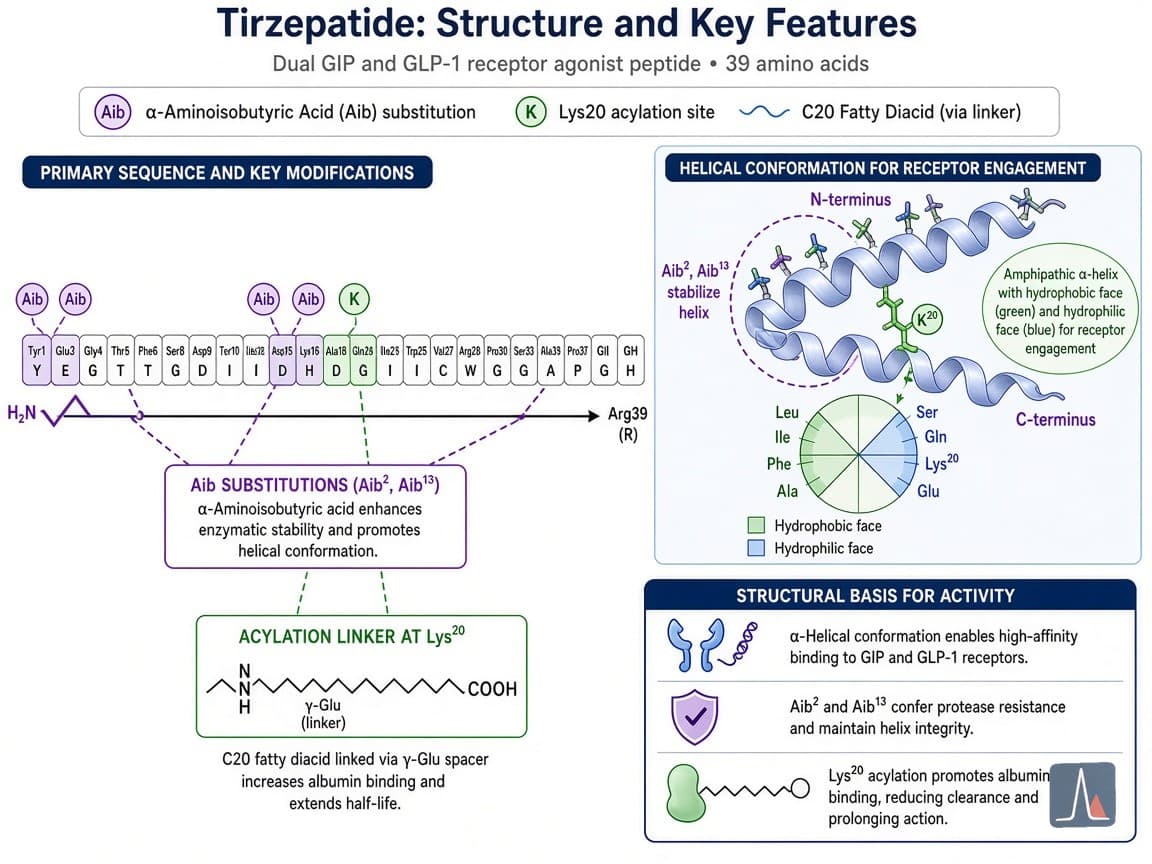
The open-catalog entry for Tirzepatide supplies a synthetic 39-amino-acid linear peptide (C₂₂₅H₃₄₈N₄₈O₆₈, CAS 2023788-19-2, approximate molecular weight 4813 Da) engineered as a dual agonist of the glucose-dependent insulinotropic polypeptide (GIP) and glucagon-like peptide-1 (GLP-1) receptors. It incorporates aminoisobutyric acid (Aib) substitutions at positions 2 and 13 for dipeptidyl peptidase-4 resistance, C-terminal amidation, and site-specific acylation at Lys20 with a C20 fatty diacid via a γ-glutamic acid spacer and two 8-amino-3,6-dioxaoctanoic acid (AEEA) linkers to promote albumin binding and extended pharmacokinetics. The material is provided as high-purity lyophilized powder for laboratory research in metabolic regulation, receptor pharmacology, and related in vitro or animal model systems. All materials on the site are for laboratory research only and are not medicines.
Chemical Identity and Catalog Context
Indexed literature consistently characterises tirzepatide as a unimolecular dual incretin receptor agonist distinct from selective GLP-1 receptor agonists or native peptides. Catalog tracking as a single defined molecular entity supports its use in controlled laboratory investigations of dual GIP/GLP-1 signalling pathways, receptor trafficking, nutrient partitioning, and energy balance without the complexity of tissue extracts or undefined mixtures. Primary literature from PubMed and related indexes (approximately 2018–2026) forms the basis for all claims in this briefing.
Receptor Pharmacology and In Vitro Mechanistic Studies
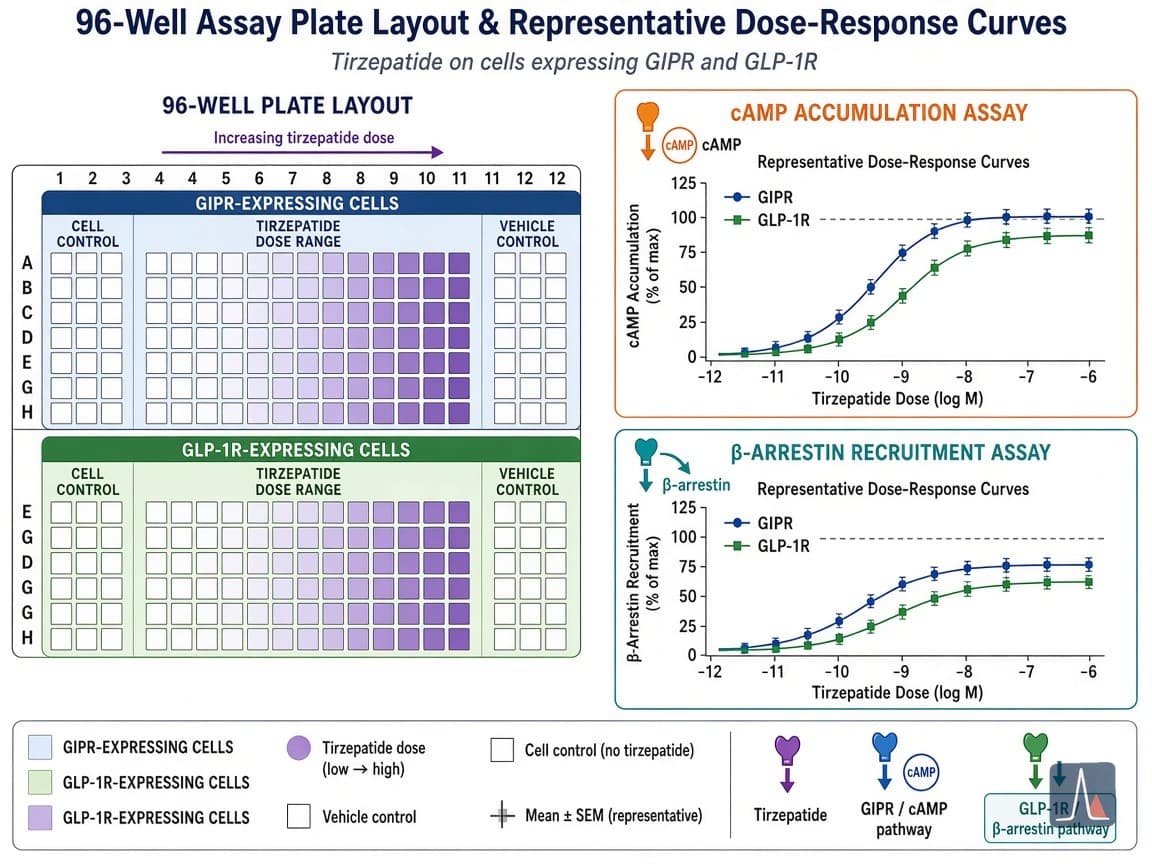
In vitro studies using HEK293 cells transfected with human GIPR or GLP-1R demonstrate that tirzepatide exhibits imbalanced agonism, displaying potency and efficacy at the GIPR comparable to native GIP(1-42) while showing approximately five-fold reduced affinity at the GLP-1R relative to native GLP-1. Signaling assays reveal bias at the GLP-1R favoring cAMP accumulation over β-arrestin recruitment, with reduced receptor internalization compared with GLP-1. These properties are proposed to contribute to enhanced insulin secretion in islet models, as β-arrestin1 appears to limit GLP-1 but not GIP or tirzepatide responses. Cryo-EM structures illustrate an α-helical conformation of the peptide engaging the receptor transmembrane domains. Such mechanistic data derive from transfected cell systems and may not fully reflect native receptor density, heterodimerisation, or tissue context. 1 1
Preclinical Animal Models
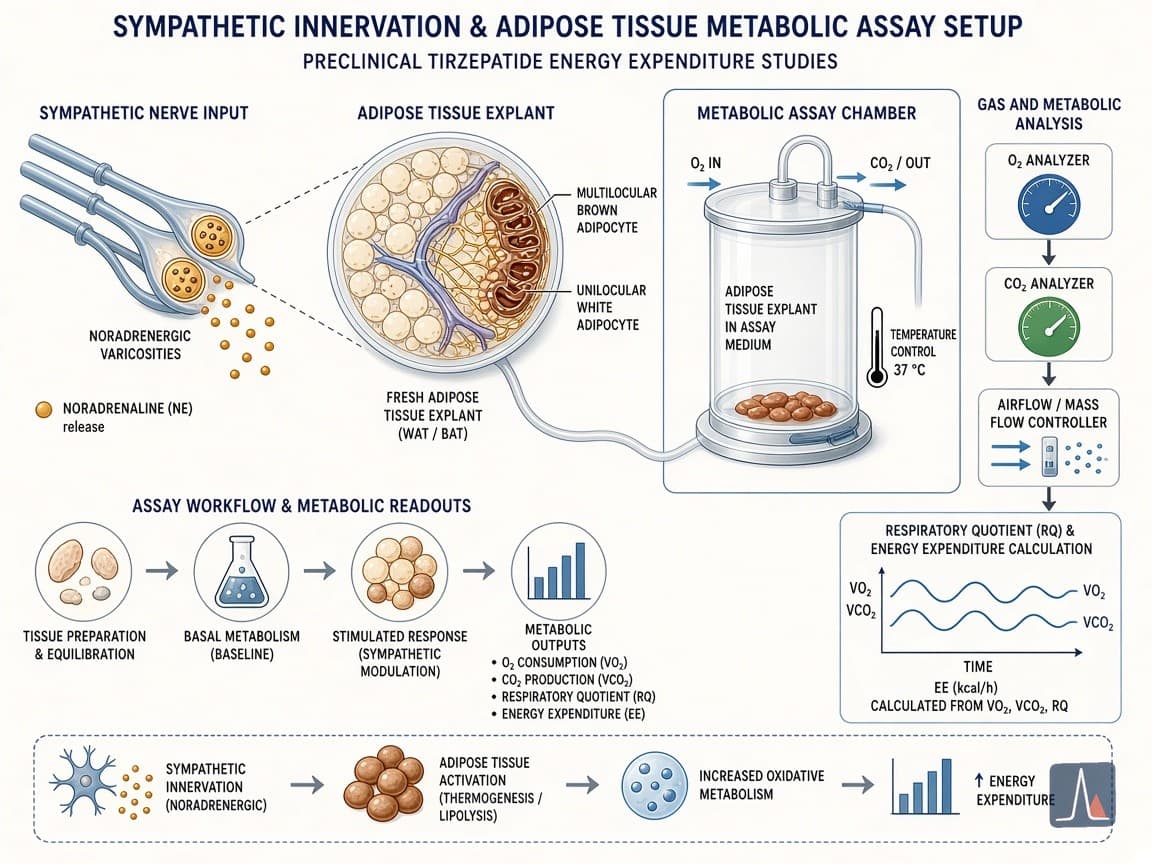
Rodent studies in diet-induced obese and diabetic mouse models report that central or peripheral administration of tirzepatide reduces food intake, body weight (predominantly fat mass), and improves insulin sensitivity and glucose tolerance to a greater extent than selective GLP-1 receptor agonists. Pair-fed experiments indicate effects on energy expenditure and substrate utilisation (increased fat oxidation, lower respiratory exchange ratio) mediated via sympathetic innervation of adipose tissue and changes in hypothalamic and hindbrain neuronal activity. Additional reports describe reduced hepatic lipid accumulation through downregulation of fatty acid uptake transporters (Cd36, Fabp2/4), enhanced mitochondrial-lysosomal function (Lamp1/2 upregulation), and altered cholesterol handling (Hnf4a, Abcg5/8). These findings are from animal models and do not constitute results in people. Theory based on preclinical data suggests that combined GIPR and biased GLP-1R agonism may produce additive or synergistic metabolic benefits in humans, but this remains theoretical. 2 3
Favorable Findings from SURPASS and SURMOUNT Randomised Trials and Meta-Analyses
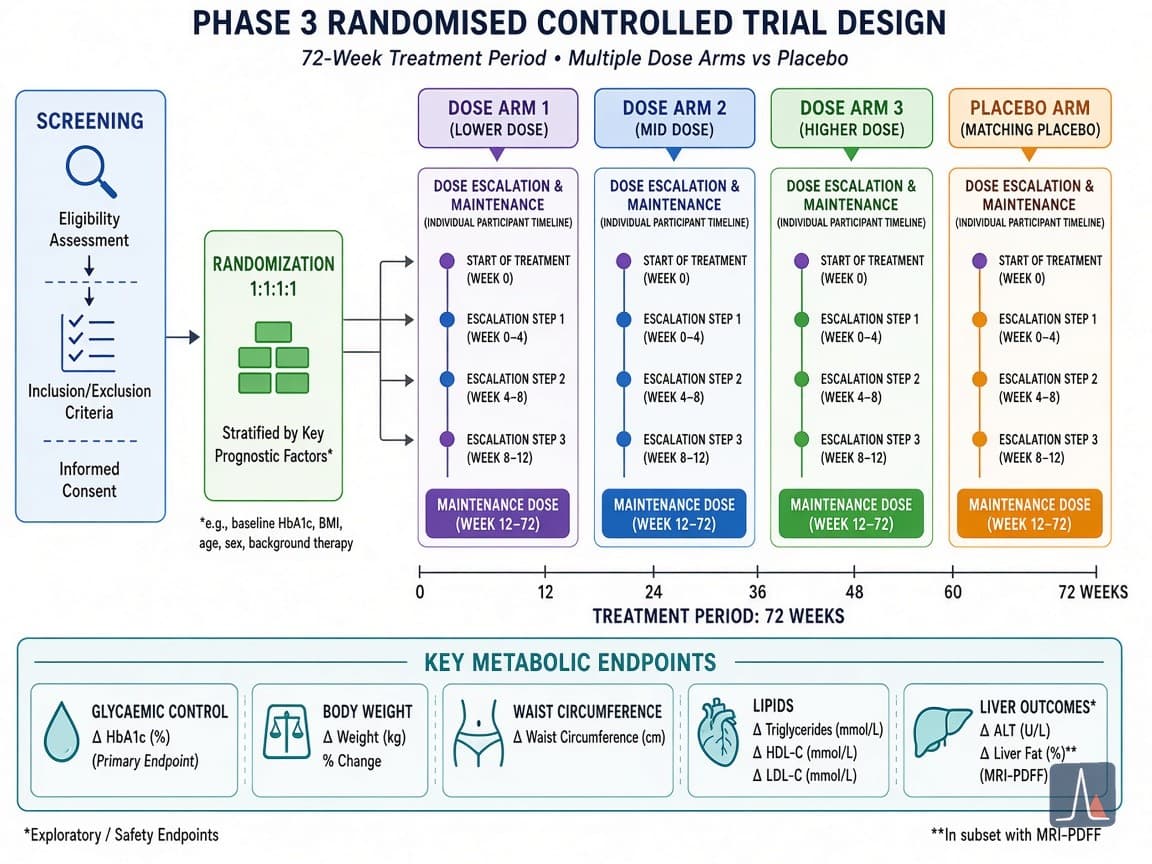
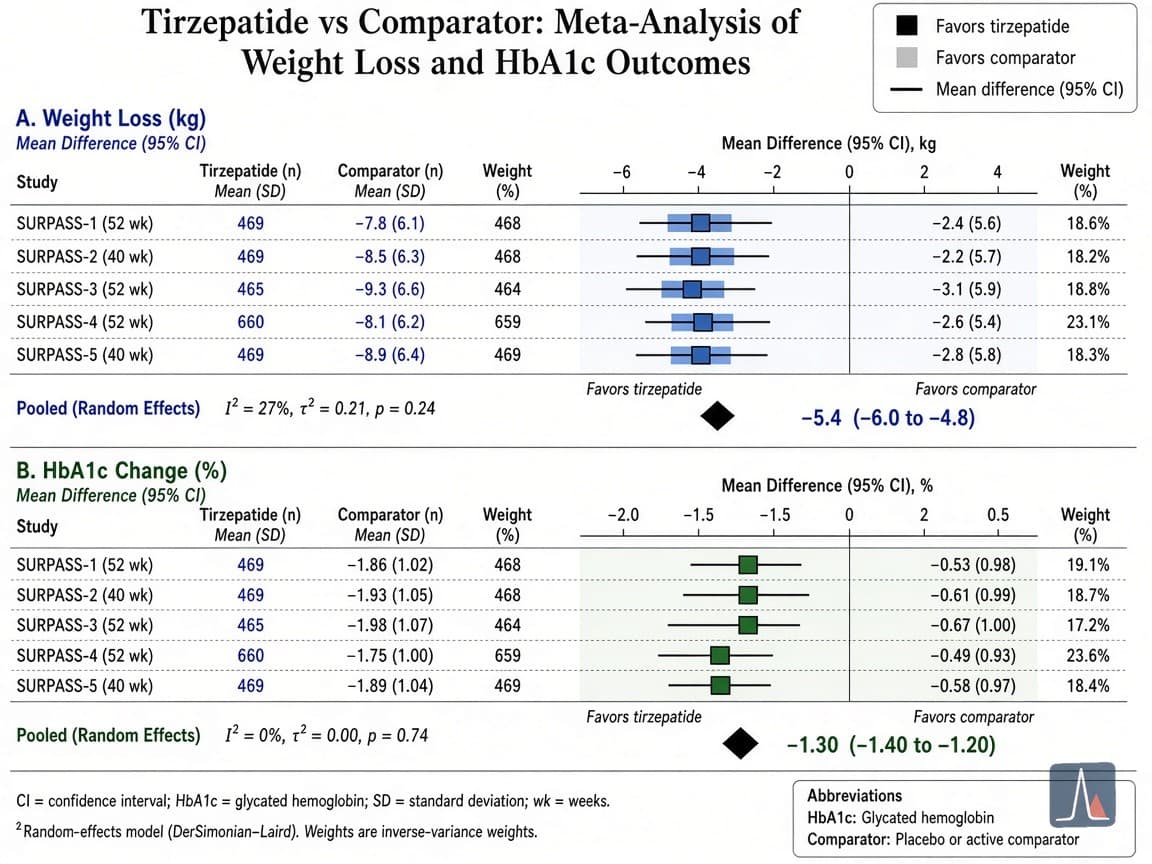
The SURPASS programme (phase 3 randomised trials in type 2 diabetes) reported superior reductions in HbA1c (estimated mean changes of approximately −2.0 to −2.5 percentage points with 5–15 mg doses) and body weight (7–13 kg or 8–15% in many cohorts) compared with placebo, semaglutide 1 mg, basal insulin, or titrated prandial insulin. Head-to-head superiority versus semaglutide 1 mg was shown for both glycaemic control and weight loss (SURPASS-2). The SURMOUNT programme in adults with obesity or overweight (with or without type 2 diabetes) demonstrated mean percentage weight reductions of 15.0%, 19.5%, and 20.9% with 5, 10, and 15 mg doses versus 3.1% with placebo at 72 weeks in SURMOUNT-1 (non-diabetic cohort). High proportions achieved ≥15% or ≥20% weight loss. SURMOUNT-5 (head-to-head versus semaglutide 2.4 mg) confirmed greater weight loss (approximately 20.2% versus 13.7%) and some quality-of-life domain improvements. Benefits extended to waist circumference, blood pressure, lipids, obstructive sleep apnea (reduced apnea-hypopnea index), and heart failure with preserved ejection fraction symptoms. Meta-analyses of randomised trials confirm dose-dependent weight loss (standardised mean differences or odds ratios for ≥5%, ≥10%, ≥15% thresholds substantially favoring tirzepatide over placebo or active comparators), HbA1c reduction, and improvements in cardiometabolic risk factors. SURPASS-CVOT reported noninferiority to dulaglutide for 3-point major adverse cardiovascular events with exploratory signals of benefit on heart failure endpoints and renal outcomes. Pooled and network meta-analyses (2024–2026) rank tirzepatide highly for weight reduction and glycaemic efficacy among incretin-based therapies. 4 5 6
Cardiovascular, Renal, and Other Clinical Outcomes
Indexed cardiovascular outcome data from SURPASS-CVOT and meta-analyses indicate no increase and, in some pooled analyses, reductions in major adverse cardiovascular events (hazard ratios approximately 0.8–0.9 in exploratory or network meta contexts), heart failure hospitalisations, and renal composites. Improvements in inflammatory markers, physical function scores, and health-related quality of life (particularly physical domains in participants with greater weight loss) are reported. Benefits on obstructive sleep apnea and metabolic dysfunction-associated steatotic liver disease markers appear in dedicated trials or subgroups. These outcomes derive from randomised controlled trials of varying duration (40–176 weeks) and participant risk profiles.
Safety Profile, Tolerability, and Adverse Events
Randomised trials and meta-analyses consistently identify gastrointestinal adverse events (nausea, vomiting, diarrhea, constipation) as the most frequent, occurring in a dose-dependent manner (incidence approximately 40–60% at higher doses versus 20–30% with placebo or lower with some comparators). Events are predominantly mild to moderate, peak during dose escalation, and attenuate with time. Discontinuation due to adverse events is higher with tirzepatide (typically 5–10%) than placebo but comparable or sometimes lower than semaglutide in head-to-head data. Serious adverse events occur at rates similar to placebo or active controls (odds ratios near 1.0 in meta-analyses); all-cause mortality and major cardiovascular events show no significant increase, although some analyses remain underpowered (very low certainty for mortality). Gallbladder-related disorders and pancreatitis rates are low and not consistently elevated versus controls in all meta-analyses, though rapid weight loss is a known class risk factor. Lean-mass loss constitutes approximately 25–30% of total weight lost in DXA substudies (e.g., SURMOUNT-1), a ratio similar to placebo or caloric restriction but yielding greater absolute lean-mass reduction due to larger total weight change. No direct catabolic effect on human skeletal muscle cells is reported in supporting in vitro work. Post-marketing pharmacovigilance (FAERS) shows expected gastrointestinal and related signals, with some comparative differences versus semaglutide (e.g., lower reporting of certain obstruction or renal events in one analysis). Thyroid C-cell tumor signals observed in rodents have prompted regulatory warnings, but human incidence in trials has not shown clear excess. 7 8
Null, Mixed, Inconsistent, and Methodologically Limited Results
Not all secondary cardiovascular or renal endpoints reached statistical significance in individual trials, and some meta-analyses report low certainty for mortality or specific arrhythmia outcomes due to sparse events. Weight regain is documented upon treatment discontinuation (SURMOUNT-4), indicating that ongoing administration is required for maintenance. Heterogeneity in meta-analyses is high for some anthropometric or lipid outcomes (I² values frequently >50–90%). Quality-of-life gains, while statistically significant in physical domains, do not always exceed minimal clinically important differences. Real-world adherence and long-term (>3 years) hard-outcome data remain limited in independent cohorts. Body-composition findings are mixed regarding functional implications of lean-mass loss, with some reports noting preserved or improved strength when combined with exercise, though sarcopenia risk in vulnerable populations is discussed.
Evidence Syntheses, Recurrent Limitations, and Catalog Implications
Systematic reviews, meta-analyses, and network meta-analyses (2024–2026) synthesise the SURPASS and SURMOUNT programmes as establishing tirzepatide among the most efficacious agents for weight reduction and glycaemic improvement in indexed randomised evidence, with cardiometabolic co-benefits largely attributable to weight loss plus direct incretin effects. Recurrent limitations include predominant industry sponsorship of pivotal trials, gastrointestinal-related dropout rates that may introduce bias in per-protocol analyses, relatively short-to-medium duration for many secondary and safety endpoints, under-representation of certain demographic or comorbidity profiles, and the need for longer independent follow-up on rare events, bone health, and durability after cessation. Certainty for mortality or specific serious adverse events is often rated low or very low due to imprecision. For laboratory researchers, these indexed studies provide a detailed pharmacologic and physiologic framework for designing experiments with the catalogued research material, highlighting the importance of controlled conditions, appropriate vehicle (e.g., bacteriostatic water for reconstitution in vitro or animal work), dose-ranging in model systems, and measurement of both efficacy markers and tolerability signals. The data underscore tirzepatide’s utility as a tool compound for interrogating dual-incretin biology while emphasising that clinical trial reports do not equate to instructions for human or veterinary application of the laboratory reagent.
Sources
- Willard FS, et al. Tirzepatide is an imbalanced and biased dual GIP and GLP-1 receptor agonist. *JCI Insight*. 2020;5(17):e140532. doi:10.1172/jci.insight.140532. PMID: 32730231. (in_vitro)
- Jastreboff AM, et al. Tirzepatide once weekly for the treatment of obesity. *N Engl J Med*. 2022;387(3):205-216. doi:10.1056/NEJMoa2206038. (SURMOUNT-1)
- Frías JP, et al. Tirzepatide versus semaglutide once weekly in patients with type 2 diabetes. *N Engl J Med*. 2021;385(6):503-515. doi:10.1056/NEJMoa2107519. PMID: 34170647. (SURPASS-2)
- Multiple 2024–2026 meta-analyses of randomised trials on efficacy, safety, cardiovascular outcomes, and body composition (e.g., BMJ Open protocols, BMC Medicine TSA, Cochrane reviews, and journal-specific syntheses indexed in PubMed).
- Additional SURMOUNT and SURPASS primary publications, SUMMIT HFpEF data, and pharmacovigilance analyses (FAERS disproportionality, 2022–2026) available via PubMed and Europe PMC.
All claims are drawn exclusively from indexed primary literature or systematic reviews. No doses, administration instructions, or therapeutic recommendations are provided. Materials from Rierink Compounds are for laboratory research only.
More briefings
- Melatonin in indexed studiesIndexed meta-analyses of randomised controlled trials report reduced sleep onset latency and improved sleep quality scores in children and adolescents with neurodevelopmental disorders and selected comorbid conditions, preclinical antioxida
- Semaglutide in indexed studiesSemaglutide appears extensively across indexed scientific literature, with thousands of PubMed entries by late 2026 spanning receptor pharmacology, preclinical metabolic models, large randomised trial programmes (SUSTAIN, PIONEER, STEP, SEL
- Favorable and unfavorable findings on SemaxRussian clinical reports associate Semax with elevated plasma BDNF levels, faster motor recovery, and improved Barthel index scores in post-ischemic stroke patients, alongside preclinical neuroprotection and BDNF upregulation in animal mode
All information and products discussed are for laboratory and research use only. Not for human or veterinary use. Not intended to diagnose, treat, cure, or prevent any disease.