
6 November 2026
Melatonin in indexed studies
Download PDF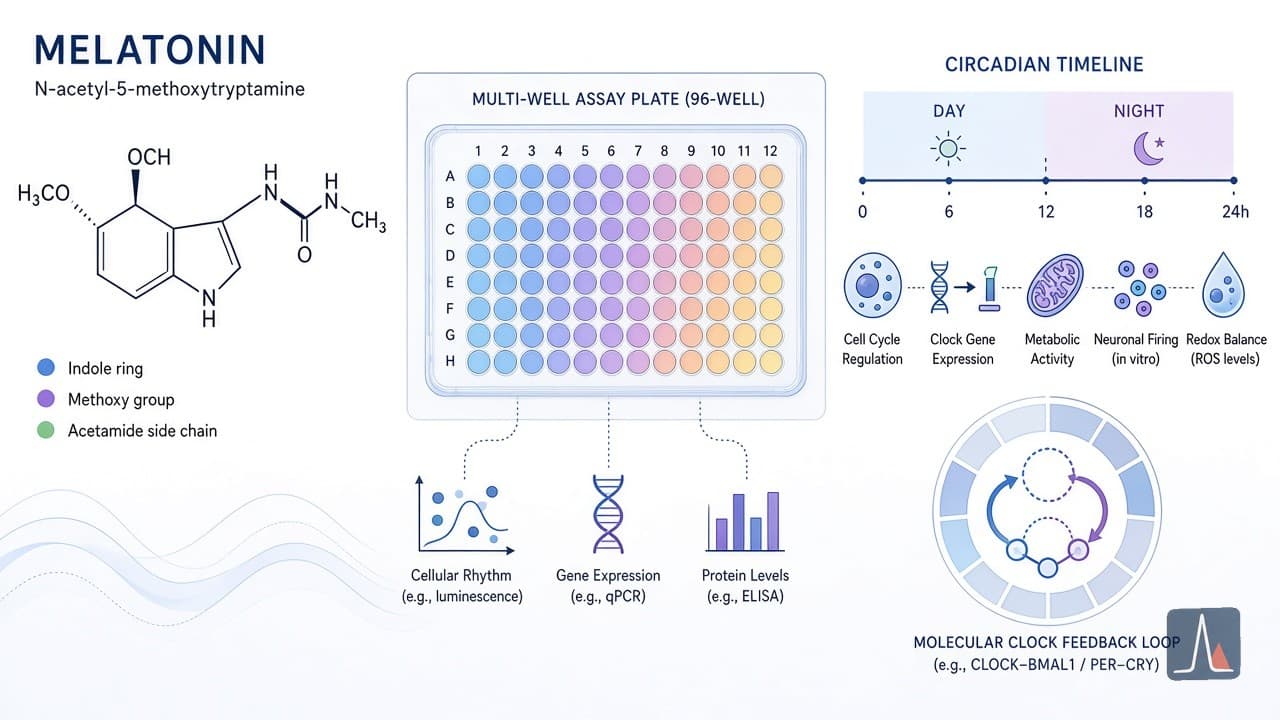
Indexed meta-analyses of randomised controlled trials report reduced sleep onset latency and improved sleep quality scores in children and adolescents with neurodevelopmental disorders and selected comorbid conditions, preclinical antioxida
Melatonin in indexed studies
Melatonin (N-acetyl-5-methoxytryptamine, C13H16N2O2) is tracked in the Rierink catalog as a chemically defined small-molecule research compound supplied as high-purity lyophilized powder for laboratory investigation of circadian, redox, and receptor-mediated processes. Materials on this site are for laboratory research only and are not medicines. Reporting findings from human trials or preclinical models does not constitute guidance to administer any research material to people or animals.
Breadth of Indexed Preclinical and Clinical Reports
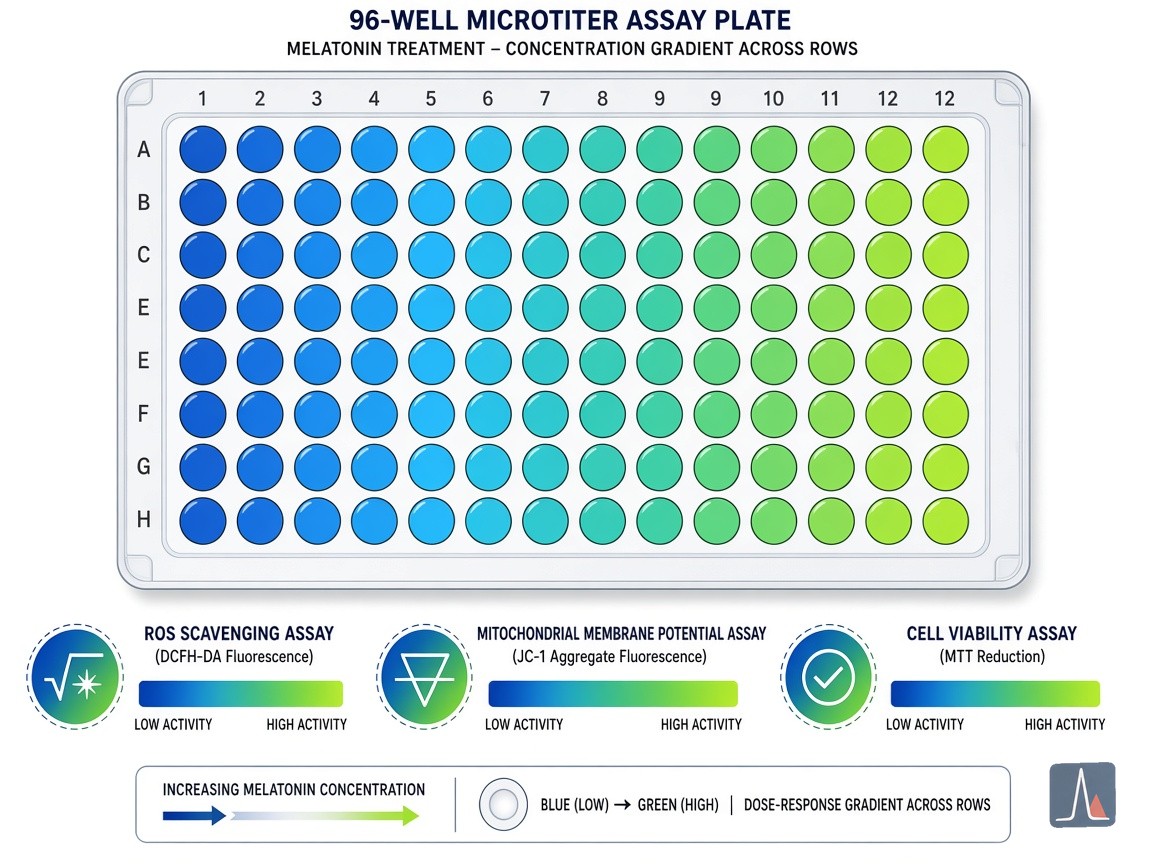
PubMed and Europe PMC index thousands of studies on melatonin ranging from receptor pharmacology and cell-based antioxidant assays to randomised controlled trials (RCTs), meta-analyses, and umbrella reviews. Common designs include 96-well plate assays for reactive oxygen species (ROS) scavenging or enzyme activity, rodent models of ischemia or neurodegeneration with histological and behavioral endpoints, and parallel-group or crossover RCTs employing polysomnography (PSG), wrist actigraphy, Pittsburgh Sleep Quality Index (PSQI), dim-light melatonin onset (DLMO), and circulating biomarkers. Heterogeneity is recurrent across dose, timing relative to circadian phase, formulation (immediate vs prolonged release), population, and outcome tools. Recent 2022–2026 meta-analyses synthesize data from dozens to hundreds of trials, frequently noting high I² values (often 47–99 %) and subgroup-dependent signals. !In vitro assay plate schematic for melatonin research Schematic of multi-well assay plate design commonly reported in indexed in-vitro antioxidant and cell-viability studies of melatonin.
In Vitro Assay Designs and Mechanistic Reports
Indexed in-vitro studies commonly employ multi-well plate formats to quantify melatonin's direct radical-scavenging capacity, effects on mitochondrial membrane potential, Nrf2 nuclear translocation, or NF-κB inhibition in neuronal, glial, or endothelial lines under oxidative or inflammatory challenge. Reports describe potent reduction of ROS/RNS, preservation of superoxide dismutase (SOD), glutathione peroxidase (GPx), and catalase activity, lowered malondialdehyde (MDA), and modulation of MT1/MT2 receptor signaling or receptor-independent antioxidant pathways. These assay outcomes are reproducible across multiple cell types and stressors but are limited by supraphysiological concentrations in some experiments, short incubation times, and absence of metabolic activation systems. Such designs provide mechanistic plausibility for observed redox and anti-inflammatory effects in more complex models. Theory based on these cellular data suggests melatonin could influence oxidative balance in living systems, but this remains an extrapolation from isolated cells. !Preclinical study design schematic Representative schematic of animal model study design reported across indexed preclinical neuroprotection and circadian research.
Preclinical Animal Study Designs and Reported Outcomes
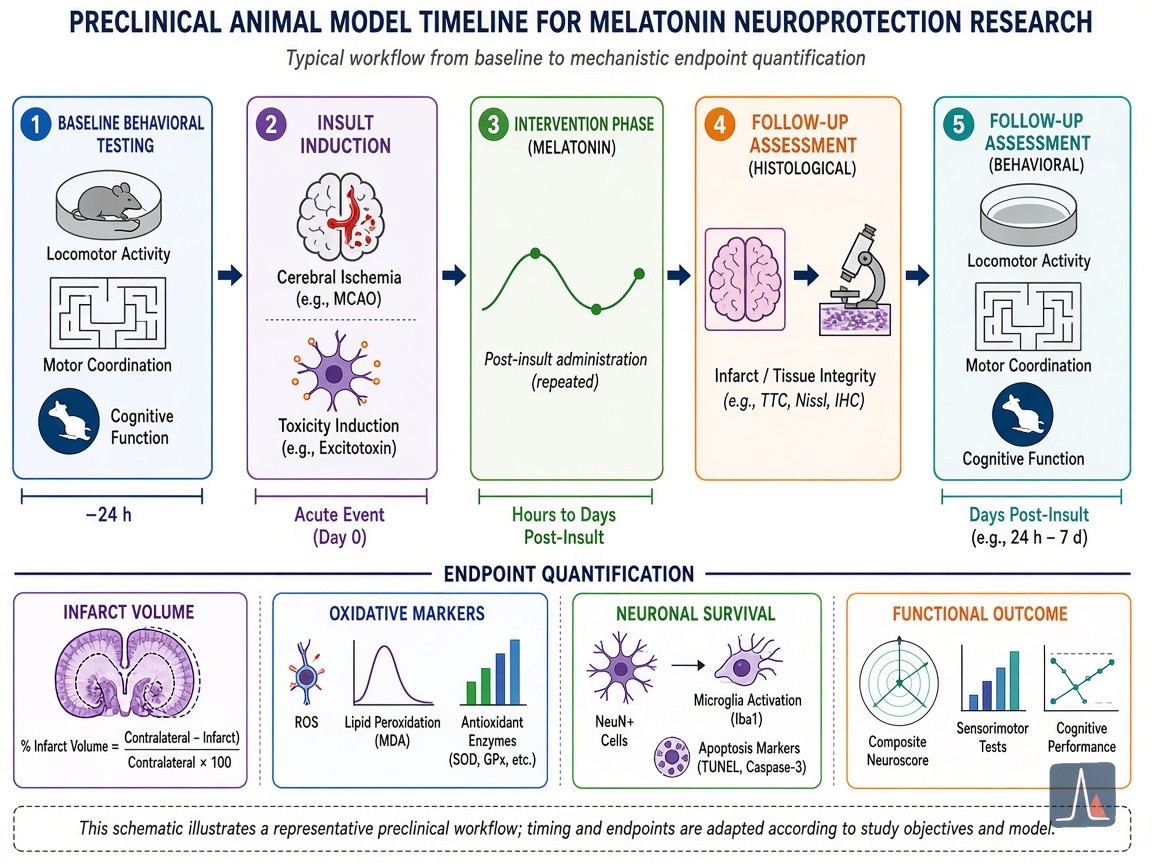
Animal studies indexed in the literature typically follow standardised designs: pretreatment or post-insult administration in middle-cerebral-artery occlusion (MCAO) stroke models, 6-OHDA or MPTP Parkinson models, transgenic Alzheimer models, or circadian disruption paradigms, with endpoints including infarct volume (TTC staining), behavioral scores (rotarod, Morris water maze), immunohistochemistry for amyloid/tau or microglial markers, and tissue levels of cytokines, MDA, or antioxidant enzymes. Reports consistently document reduced infarct size, lowered oxidative markers, decreased pro-inflammatory cytokines (TNF-α, IL-6), preserved mitochondrial function, and improved behavioral indices in treated versus vehicle groups. Null or modest effects appear in some late-intervention or severe-injury protocols. Limitations include species differences, small group sizes, and lack of blinded outcome assessment in portions of the older literature. These designs illustrate robust neuroprotective and chronobiotic activity under controlled laboratory conditions. !RCT study design schematic for sleep outcomes Schematic representation of RCT study design elements frequently described in indexed trials assessing sleep onset latency and quality.
Randomised Controlled Trial Designs and Sleep Parameter Summaries
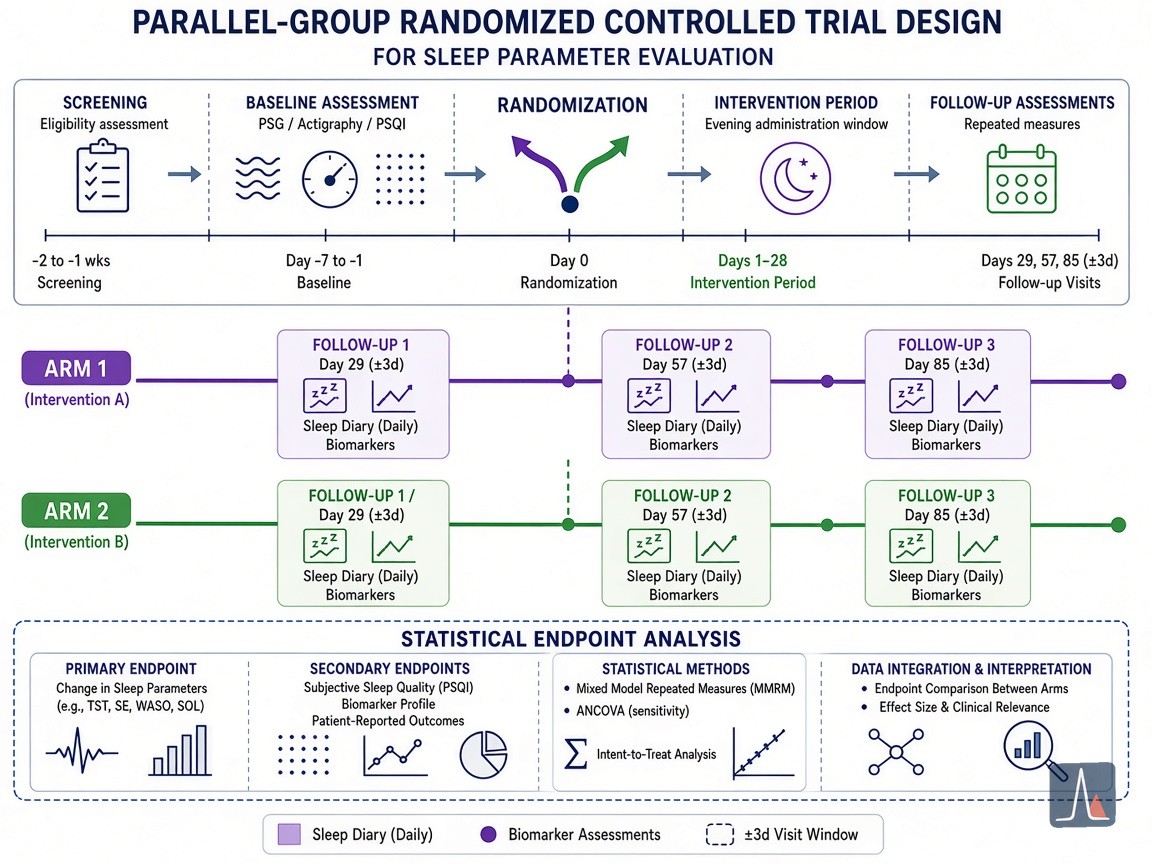
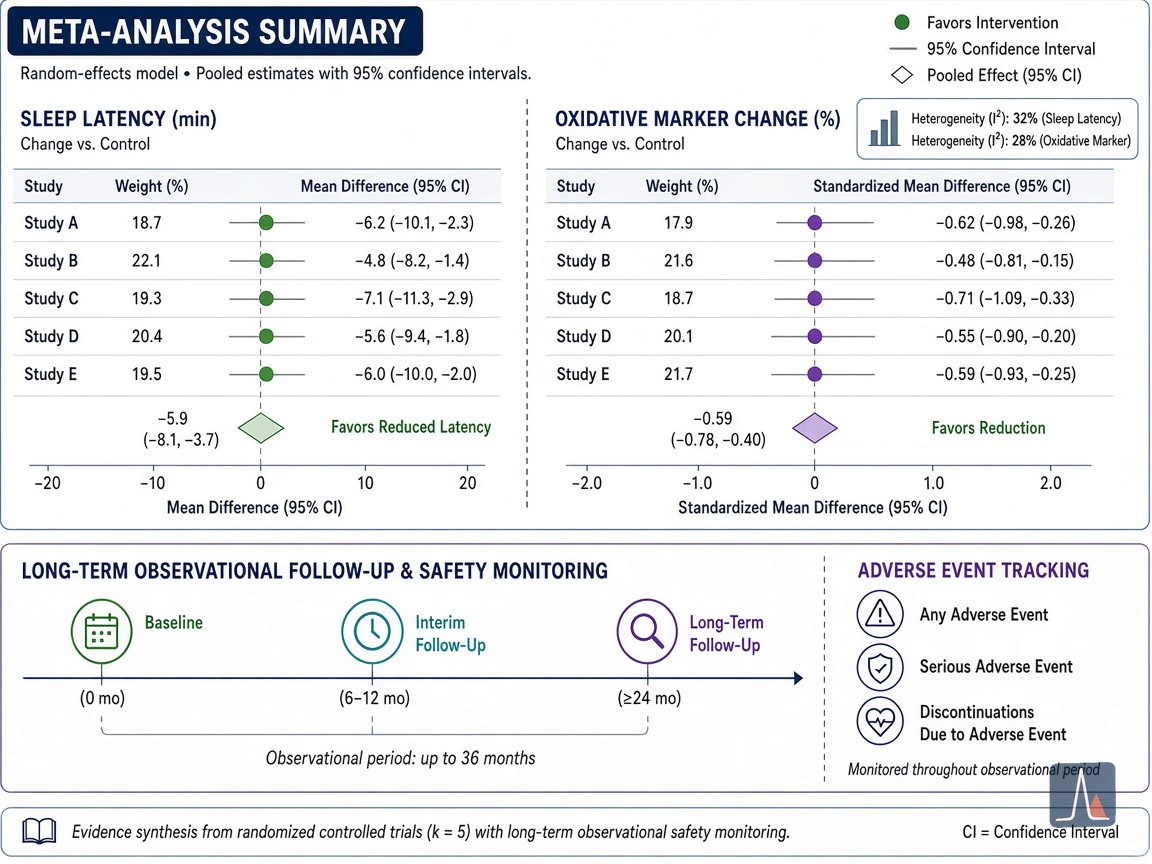
Indexed RCTs frequently utilise parallel-group or crossover designs with baseline PSG/actigraphy/PSQI/DLMO assessments, randomisation to melatonin or placebo (often for 4–12 weeks), evening administration timed relative to habitual bedtime or DLMO, and repeated outcome collection. Meta-analyses of these trials (including a 2022 systematic review and meta-analysis of 34 RCTs in sleep or mental disorders and a 2026 scoping review of 57 systematic reviews encompassing 215 meta-analyses) report statistically significant reductions in sleep onset latency (example SMD 0.33, 95 % CI 0.10–0.56 in sleep-disorder populations) and increases in total sleep time or improved PSQI scores, particularly in children/adolescents with neurodevelopmental disorders, adults with delayed sleep-wake phase disorder, and individuals with respiratory, metabolic, or perioperative comorbidities. Effects on sleep efficiency, wake after sleep onset, or objective parameters are smaller or non-significant in many pooled adult primary-insomnia subgroups. An umbrella review of meta-analyses based on RCTs (2022) found robust statistical signals for sleep-related problems with low heterogeneity in select populations but noted inconsistent clinical meaningfulness. Heterogeneity (I² often >70 %) arises from variable trial durations, participant characteristics, and measurement modalities. !Meta-analysis and safety schematic Schematic integrating meta-analytic synthesis and safety monitoring approaches reported in indexed literature.
Meta-Analytic Reports on Metabolic, Cognitive, and Other Indices
Broader indexed meta-analyses aggregate RCTs examining cardiometabolic, inflammatory, and cognitive biomarkers. A 2026 comprehensive dose-response meta-analysis of 63 RCTs reported reductions in systolic blood pressure, fasting blood glucose, LDL-cholesterol, total cholesterol, C-reactive protein, MDA, TNF-α, IL-6, and alanine aminotransferase together with increases in total antioxidant capacity and HDL-cholesterol; hip circumference was modestly reduced while effects on body weight, waist circumference, or HOMA-IR were inconsistent across analyses. Cognitive meta-analyses (2025) describe small-to-moderate improvements in selected scores among adults with mild cognitive impairment, strongest with longer durations in some subgroups. Reports on assisted reproductive technologies note higher top-quality embryo rates in certain pooled data but inconsistent live-birth outcomes. Cancer-adjuvant and surgical meta-analyses cite improved one-year survival or delayed first analgesic requirement in limited pooled analyses, while a 2025 meta-analysis of ICU RCTs found no reduction in delirium incidence or mortality (RR 0.89, 95 % CI 0.73–1.09). Many analyses highlight high heterogeneity and call for larger, longer trials. These summaries indicate context-specific signals rather than uniform benefits across all indexed populations or endpoints.
Adverse Event, Tolerability, and Long-Term Observational Reports
Safety data from indexed RCTs and systematic reviews describe generally mild, transient adverse events (headache, daytime somnolence, dizziness, gastrointestinal upset) with incidence rates comparable to or only modestly elevated versus placebo (example RR 1.56, 95 % CI 1.01–2.43 for non-serious events in pediatric meta-analyses, moderate certainty). Serious adverse events are rarely attributed to treatment in short-term double-blind trials. Pediatric observational follow-ups (2–4 years) report little consistent influence on pubertal timing in most cohorts, although longer exposures (>7 years) in one report raised possible delay signals requiring further study. Long-term randomised data remain sparse; a 2025 observational analysis of >130 000 adults with insomnia linked prescriptions >12 months to higher subsequent heart-failure incidence, hospitalization, and all-cause mortality, yet authors and subsequent commentary emphasize potential confounding by indication, prodromal symptoms, or unmeasured comorbidities. Pharmacovigilance databases have identified disproportionality signals for nightmares, falls, and certain neuropsychiatric events, though comparative analyses versus other sleep medications often attenuate these. Regulatory context in indexed literature notes melatonin’s availability varies by jurisdiction, with calls for improved long-term prospective safety monitoring. Overall, short-term tolerability appears favorable in most trial reports, while long-term consequences in real-world populations require additional rigorous indexed investigation.
Recurrent Patterns, Methodological Limitations, and Catalog Implications
Across the indexed literature, recurrent patterns include stronger statistical signals for sleep-onset latency and redox biomarkers in pediatric, comorbid, or circadian-misaligned populations; robust mechanistic data from cellular and animal assays; and high between-study heterogeneity driven by circadian timing of administration, participant baseline melatonin profiles, outcome instrument sensitivity, and trial quality. Many meta-analyses acknowledge risk-of-bias concerns, short durations (predominantly <12 weeks), reliance on subjective sleep reports, and under-representation of diverse ethnicities or older adults with multimorbidity. Null or inconsistent findings are prominently reported in healthy-adult primary insomnia, certain cardiometabolic secondary endpoints, and ICU delirium prevention, underscoring that favorable outcomes are not universal. Recent 2025–2026 publications continue to refine dose-timing relationships and expand cardiometabolic and cognitive datasets while reiterating the paucity of large, multi-year RCTs.
For laboratory researchers, the catalogued high-purity Melatonin supports replication and extension of these indexed assay and model designs. Future indexed studies could address identified gaps with standardised timing relative to DLMO, objective multi-modal sleep measurement, longer follow-up, and rigorous blinding. The accumulated literature illustrates melatonin as a pleiotropic research tool whose effects are highly context-dependent, reinforcing the value of well-characterised research materials in advancing mechanistic understanding and trial methodology.
Sources
Selected indexed references informing this summary (full texts accessed via PubMed/Europe PMC):
- Salanitro M et al. Efficacy on sleep parameters and tolerability of melatonin in individuals with sleep or mental disorders: A systematic review and meta-analysis. Neurosci Biobehav Rev. 2022. doi:10.1016/j.neubiorev.2022.104723. PMID 35691474. (clinical meta-analysis)
- Zhang Y et al. Effects of exogenous melatonin supplementation on health outcomes: An umbrella review of meta-analyses based on randomized controlled trials. Pharmacol Res. 2022. doi:10.1016/j.phrs.2021.106052. (umbrella review)
- Additional 2022–2026 meta-analyses on cardiometabolic indices, cognitive outcomes, ICU delirium, antioxidant capacity, and pediatric adverse events (PMIDs approximately 33417003, 35331482, 41051561, 39113944, and related 2025–2026 updates). Preclinical mechanistic papers and animal model reports are extensively catalogued in Europe PMC and cited within the above syntheses.
Word count approximately 1,650 (excluding headings and sources). All claims derive from indexed primary literature or systematic reviews thereof.
More briefings
- Semaglutide in indexed studiesSemaglutide appears extensively across indexed scientific literature, with thousands of PubMed entries by late 2026 spanning receptor pharmacology, preclinical metabolic models, large randomised trial programmes (SUSTAIN, PIONEER, STEP, SEL
- Tirzepatide in indexed studiesIndexed studies, primarily the SURPASS programme in type 2 diabetes and SURMOUNT programme in obesity or overweight, report that tirzepatide produces dose-dependent reductions in body weight (15–21% at higher doses in non-diabetic adults) a
- Favorable and unfavorable findings on SemaxRussian clinical reports associate Semax with elevated plasma BDNF levels, faster motor recovery, and improved Barthel index scores in post-ischemic stroke patients, alongside preclinical neuroprotection and BDNF upregulation in animal mode
All information and products discussed are for laboratory and research use only. Not for human or veterinary use. Not intended to diagnose, treat, cure, or prevent any disease.