
6 November 2026
Semaglutide in indexed studies
Download PDF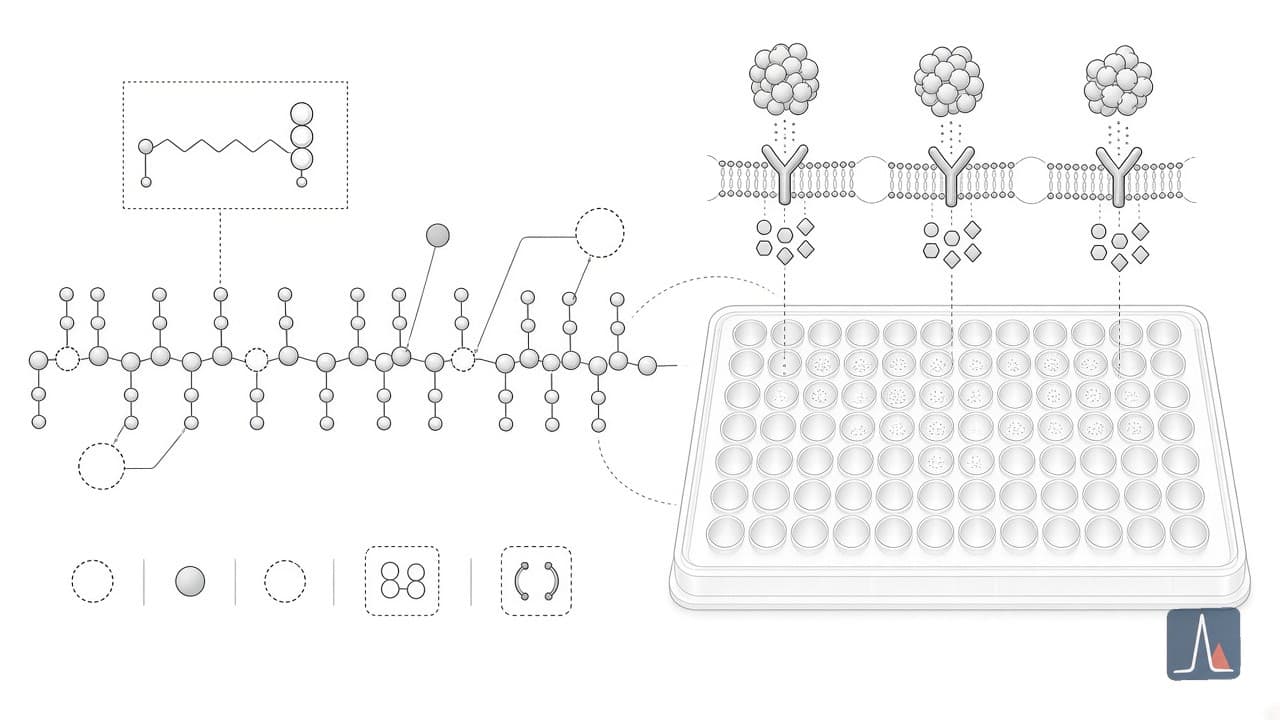
Semaglutide appears extensively across indexed scientific literature, with thousands of PubMed entries by late 2026 spanning receptor pharmacology, preclinical metabolic models, large randomised trial programmes (SUSTAIN, PIONEER, STEP, SEL
Chemical Identity and Catalog Context
Semaglutide is supplied by Rierink Compounds as a high-purity synthetic acylated 31-amino-acid analogue of human GLP-1(7-37), featuring an Aib substitution at position 8 for DPP-4 resistance, lysine-26 acylation with a C18 diacid via a γ-glutamic acid spacer for albumin binding and extended half-life, and other sequence modifications. In the catalog it is provided as lyophilized powder intended strictly for laboratory research. Indexed literature consistently characterises it as a long-acting GLP-1 receptor agonist tool compound whose pharmacokinetic profile (approximately one-week half-life) has enabled extensive investigation in cell-based assays, animal models, and human trial designs.
Reporting findings from human trials in indexed literature is not guidance to use the research material in any particular way.
Publication Trends and Bibliometric Landscape
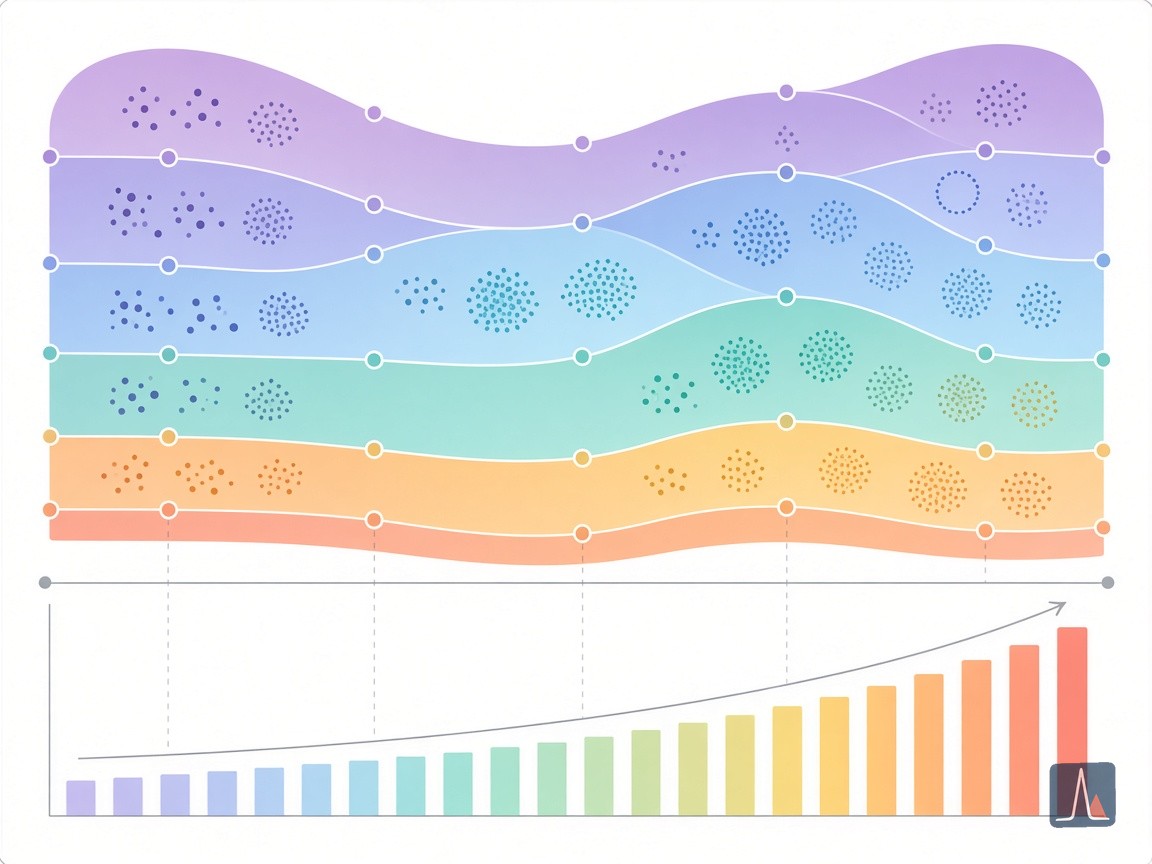
Semaglutide occupies a prominent position in indexed databases. PubMed returns well over 5,000 results as of late 2026, with publication volume rising sharply after initial regulatory milestones and accelerating further following obesity-focused data. Early literature (pre-2017) centred on receptor pharmacology and glycaemic control in type 2 diabetes. From 2021 onward, indexed output expanded dramatically, with hundreds of papers annually by 2024–2026, driven by results from dedicated trial programmes. The United States and Denmark lead authorship, with heavy representation from industry-affiliated groups and high-impact journals including the *New England Journal of Medicine*, *The Lancet*, *The Lancet Diabetes & Endocrinology*, *Diabetes Care*, and *Obesity Reviews*. Keyword burst analyses in bibliometric papers show shifts from “GLP-1 analogue,” “HbA1c,” and “insulin secretion” toward “obesity,” “body weight,” “MACE,” “heart failure,” “MASLD/MASH,” and “real-world evidence.” Systematic reviews and meta-analyses themselves constitute a growing fraction of the indexed corpus, often synthesising dozens of randomised controlled trials (RCTs). !Bibliometric trend schematic for semaglutide literature Schematic representation of the indexed publication landscape and growth trajectory for semaglutide studies.
Foundational In Vitro and Preclinical Mechanistic Studies
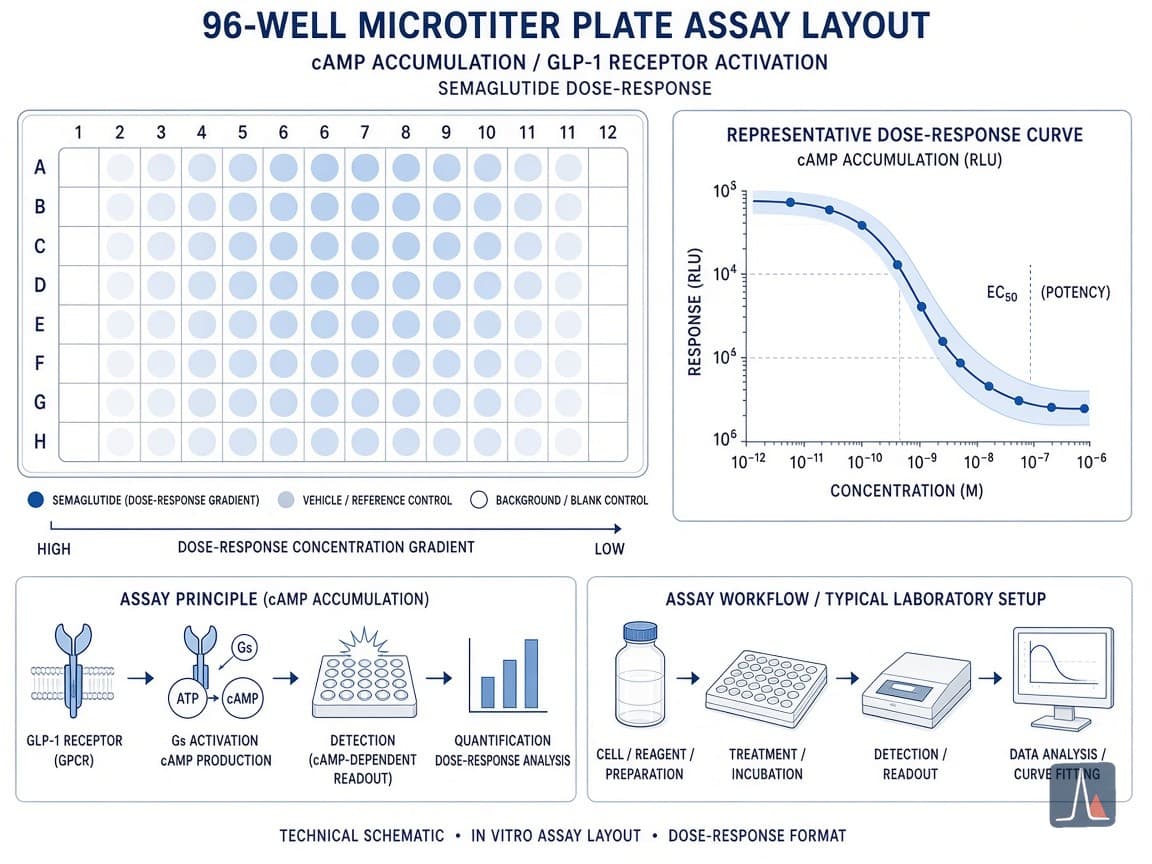
Indexed preclinical literature characterises semaglutide’s interaction with the GLP-1 receptor (GLP-1R) through structural, signalling, and functional assays. Cryo-electron microscopy studies have resolved semaglutide-bound GLP-1R–Gs complexes, revealing peptide–receptor contacts and receptor conformational dynamics that support biased or sustained signalling. Cell-based assays frequently employ CHO or HEK cells transfected with human GLP-1R to measure cAMP accumulation, β-arrestin recruitment, receptor internalisation, and insulin secretion in β-cell lines. Recent mechanistic work (2026) demonstrates that semaglutide engages both Gs- and Gq-coupled pathways in area postrema GLP1R-expressing neurons, driving graded cAMP increases that are necessary for weight-loss effects in animal models; pharmacological or genetic disruption of the Gs–cAMP axis abolishes these outcomes.
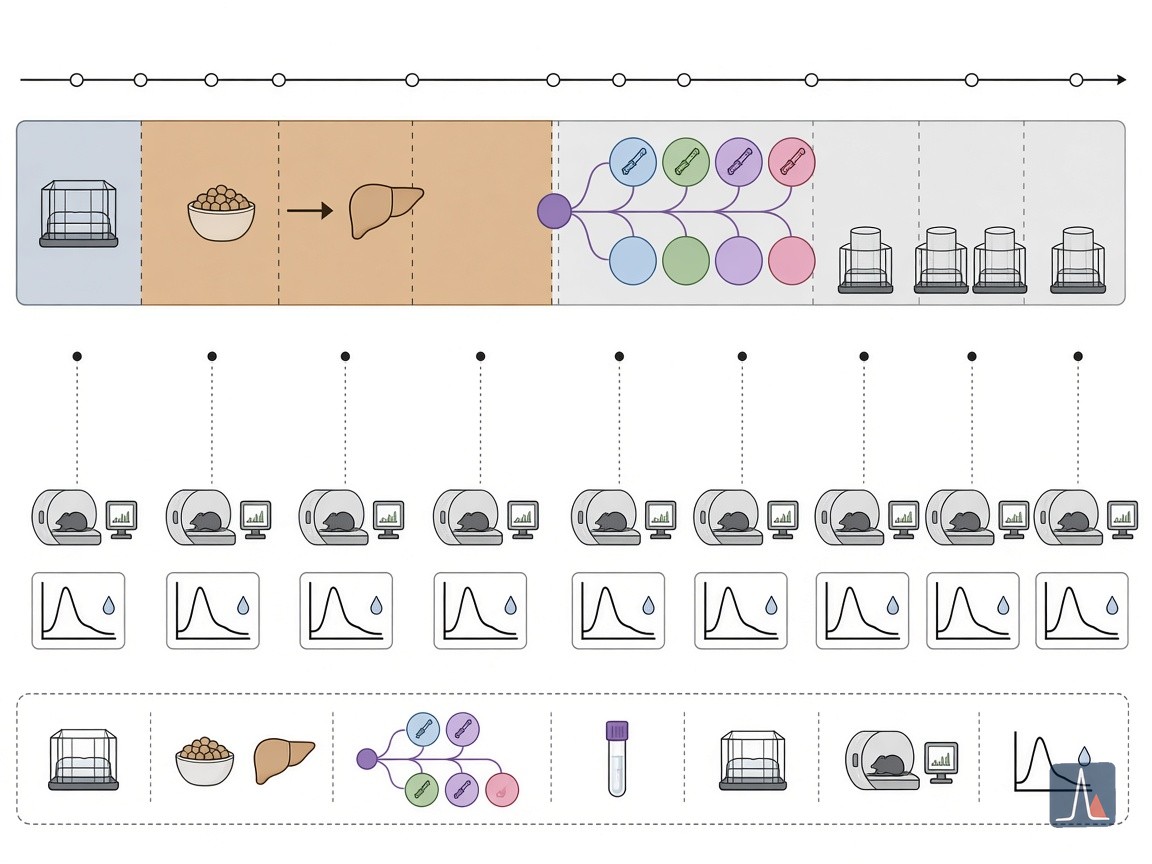
Preclinical animal studies appear regularly in indexed journals using diet-induced obese (DIO) mice, Zucker diabetic fatty (ZDF) rats, and non-human primate models. Common designs include chronic subcutaneous administration, metabolic-cage monitoring of food intake and energy expenditure, body-composition analysis by NMR or DEXA, glucose-tolerance testing, and tissue histology for pancreatic, hepatic, or hypothalamic effects. These papers often report reduced food intake, fat-mass loss, improved glycaemic control, and modulation of inflammatory markers, providing mechanistic support for later clinical translation. Biophysical indexed studies examine semaglutide’s solution behaviour—oligomer and fibril formation at different pH and concentrations—informing laboratory reconstitution and assay conditions. Limitations recurrent in this tier include supraphysiological doses in rodents, species differences in GLP-1R distribution, and short study durations relative to chronic human use. !Preclinical study design schematic Typical study-design schematic for indexed preclinical animal models of obesity and diabetes investigating semaglutide.
Architectures of Major Randomised Trial Programmes
Semaglutide is one of the most densely studied compounds in contemporary indexed clinical literature. It features as the investigational agent in multiple large, multicentre, randomised, double-blind, placebo-controlled phase 3 programmes. The SUSTAIN programme (injectable semaglutide in type 2 diabetes) typically randomised 300–3,000 participants per trial to once-weekly doses (0.5 mg or 1.0 mg) or comparators/active controls, with primary endpoints focused on HbA1c change, often with secondary cardiovascular safety or superiority assessments. PIONEER extended this to oral semaglutide formulations, incorporating dose-escalation schemes (3–14 mg daily) and evaluating glycaemic efficacy against oral comparators or placebo.
The STEP programme targeted adults with overweight or obesity (with or without diabetes), using 2.4 mg weekly subcutaneous semaglutide after a 16-week titration, 68- to 104-week treatment periods, lifestyle co-intervention, and co-primary or key secondary endpoints of percentage body-weight change and achievement of ≥5 %, ≥10 %, or ≥15 % weight loss. SELECT enrolled approximately 17,600 participants with established cardiovascular disease, BMI ≥27 kg/m², and no diabetes for a cardiovascular outcomes trial (CVOT) with MACE as the primary endpoint. Additional indexed programmes have addressed chronic kidney disease (FLOW), metabolic dysfunction-associated steatohepatitis (ESSENCE), and heart failure with preserved ejection fraction. Common design elements across these indexed records include central randomisation, blinded endpoint adjudication, intention-to-treat analysis with mixed models for repeated measures, and pre-specified hierarchical testing to control type I error. Study flow diagrams and CONSORT-compliant reporting are standard. Null or inconsistent findings appear in subgroup analyses (e.g., certain ethnic groups, shorter-duration subgroups, or secondary renal/hf endpoints in underpowered cohorts). !Clinical RCT study design schematic Prototypical study-design schematic of indexed large-scale randomised trial programmes evaluating semaglutide.

Proliferation of Systematic Reviews, Meta-Analyses, and Evidence Syntheses
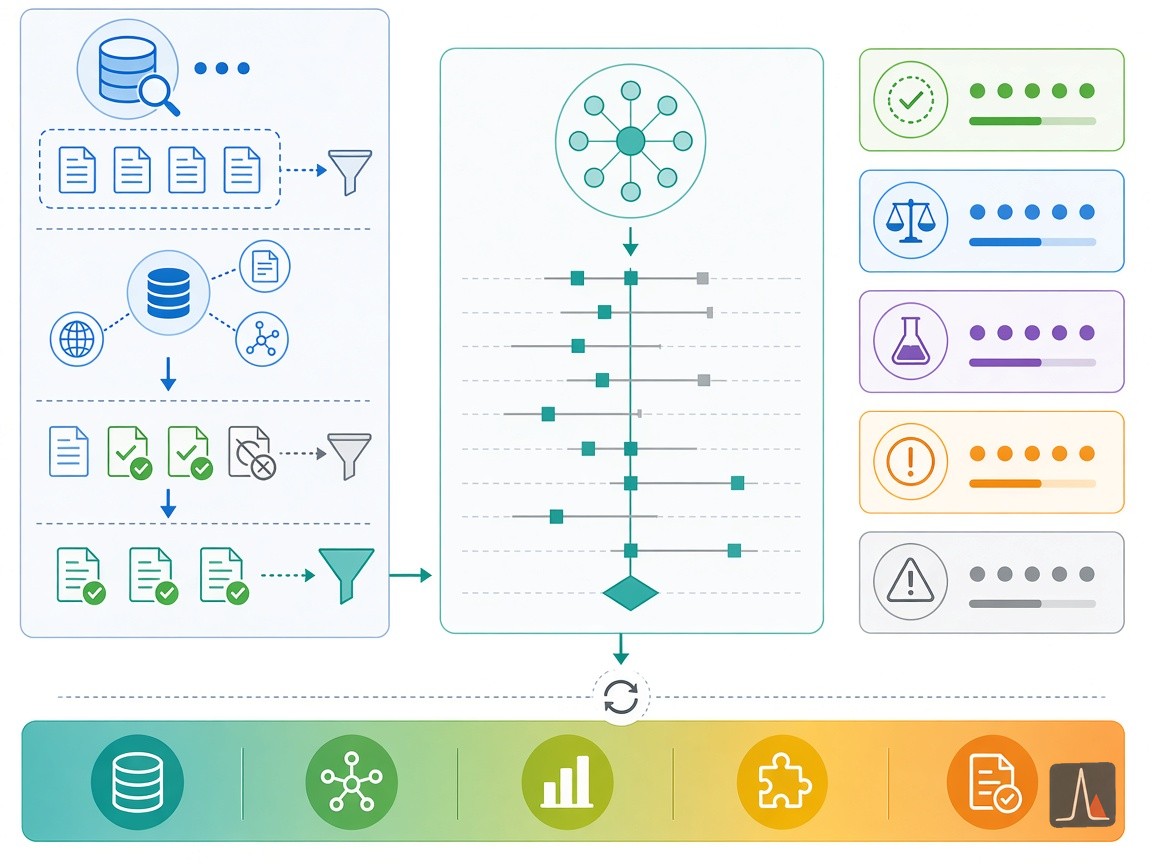
Indexed literature on semaglutide is notable for the density of evidence syntheses. By 2026, more than 100 systematic reviews and meta-analyses are retrievable, pooling data from 7–40 RCTs involving thousands to tens of thousands of participants. These syntheses typically follow PRISMA guidelines, search multiple databases (PubMed, Embase, Cochrane, ClinicalTrials.gov), assess risk of bias with RoB 2 or similar tools, and apply random-effects models with sensitivity and subgroup analyses. Recent 2026 meta-analyses have examined cerebrovascular outcomes (27 RCTs, n≈40,900; moderate GRADE certainty), cardiovascular death and MACE (7 high-quality RCTs, n≈38,400), weight loss and body composition in non-diabetic adults (10 RCTs, n≈7,100), and cardiometabolic risk factors with oral formulations. Forest plots, funnel plots for publication bias, and GRADE evidence profiles are ubiquitous features. Some syntheses incorporate network meta-analysis to position semaglutide relative to earlier GLP-1RAs or emerging dual agonists within the indexed record. Real-world evidence cohorts and pharmacovigilance database analyses (FAERS) also appear, complementing RCT data. Recurrent limitations noted across these papers include industry sponsorship of most pivotal trials, heterogeneity in background therapy and follow-up duration, attrition related to gastrointestinal tolerability, and limited long-term (>2 years) independent data on hard clinical outcomes or body-composition trajectories after treatment cessation. !Meta-analysis synthesis schematic Schematic representation of evidence-synthesis approaches prevalent in the indexed literature on semaglutide.
Recurrent Themes, Methodological Patterns, and Catalog Implications
Across the indexed corpus, semaglutide is portrayed as a well-characterised research probe for incretin biology whose prolonged action has facilitated robust trial designs and repeated meta-analytic confirmation of metabolic and cardiovascular signals. Study designs emphasise dose titration to improve tolerability, lifestyle counselling as background therapy, and composite or hierarchical endpoints to capture multisystem effects. In vitro and animal papers supply mechanistic grounding (GLP-1R localisation in hindbrain, cAMP dependence, anti-inflammatory pathways), while clinical and synthesis papers dominate the literature volume.
Methodological patterns include high adherence to CONSORT and PRISMA standards, pre-registration on ClinicalTrials.gov, and transparent reporting of serious adverse events. Unfavourable or null signals surface in indexed reports as higher gastrointestinal adverse-event rates leading to discontinuation, heterogeneity in lean-mass outcomes during substantial weight loss, variable effects in subgroups defined by age, sex, or baseline BMI, and calls for more head-to-head independent trials. Certain 2026 syntheses report moderate rather than high certainty for some cerebrovascular or renal endpoints owing to imprecision or indirectness.
For the catalog context, the indexed literature supplies validated assay protocols, preclinical model readouts, and trial-design templates that researchers may reference when using the lyophilized research material in controlled laboratory settings. It underscores the compound’s utility for interrogating GLP-1R signalling, energy balance, and cardiometabolic pathways while highlighting the need for continued independent mechanistic and translational work. Gaps remain in fully elucidating long-term tissue-specific effects, non-responders, and optimal laboratory formulation stability under varied storage conditions. Overall, semaglutide exemplifies how a single research peptide can populate indexed databases with a rich, evolving, multi-tiered evidence ecosystem.
Sources
Selected representative indexed papers and syntheses drawn from PubMed and journal sources (2021–2026) were consulted. Key examples include structural and signalling studies in *Nature Metabolism* (2026) and *Cell Reports*, STEP and SELECT primary reports in *NEJM* and *Lancet*, and multiple 2026 meta-analyses in *Diabetology & Metabolic Syndrome*, *Journal of Diabetes & Metabolic Disorders*, and related journals (DOIs and PMIDs available via PubMed searches for “semaglutide meta-analysis 2026” or specific trial acronyms). Full bibliometric mapping exceeds the scope of this briefing but is readily accessible through database queries.
More briefings
- Melatonin in indexed studiesIndexed meta-analyses of randomised controlled trials report reduced sleep onset latency and improved sleep quality scores in children and adolescents with neurodevelopmental disorders and selected comorbid conditions, preclinical antioxida
- Tirzepatide in indexed studiesIndexed studies, primarily the SURPASS programme in type 2 diabetes and SURMOUNT programme in obesity or overweight, report that tirzepatide produces dose-dependent reductions in body weight (15–21% at higher doses in non-diabetic adults) a
- Favorable and unfavorable findings on SemaxRussian clinical reports associate Semax with elevated plasma BDNF levels, faster motor recovery, and improved Barthel index scores in post-ischemic stroke patients, alongside preclinical neuroprotection and BDNF upregulation in animal mode
All information and products discussed are for laboratory and research use only. Not for human or veterinary use. Not intended to diagnose, treat, cure, or prevent any disease.