
25 October 2026
Retatrutide Triple Agonism: Preclinical Pharmacology and TRIUMPH Clinical Outcomes
Download PDF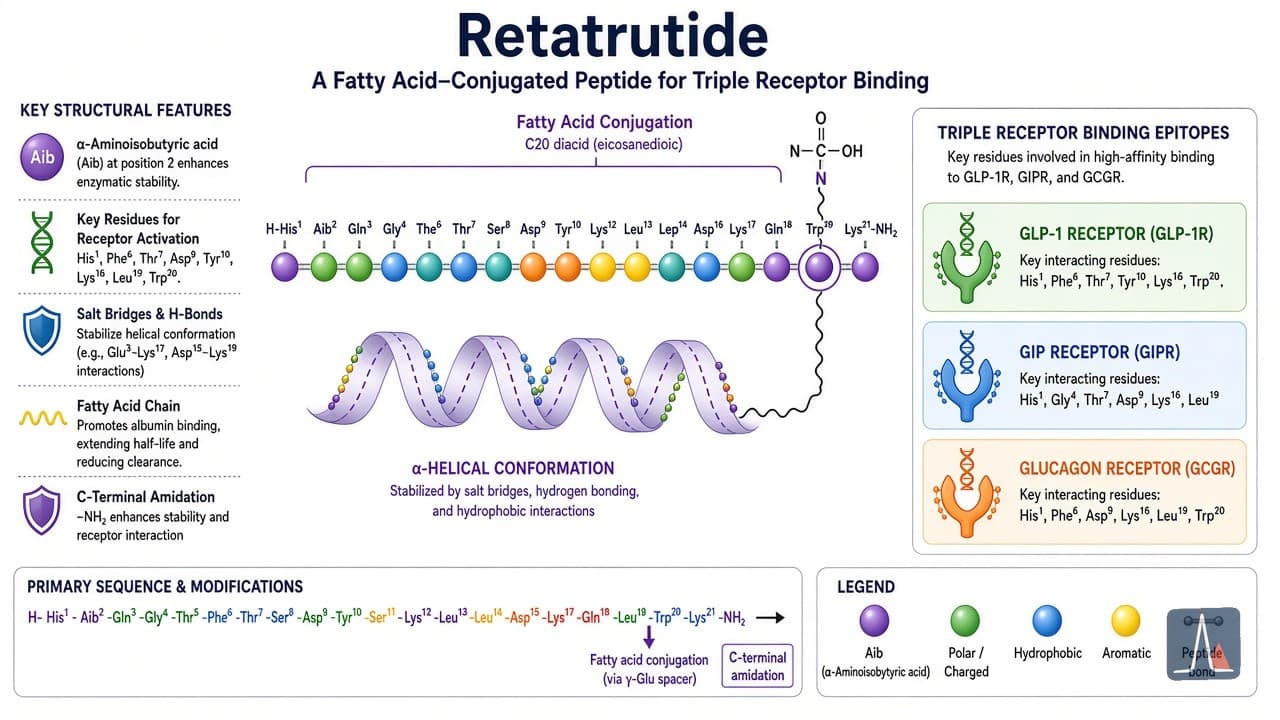
Indexed preclinical and clinical papers describe retatrutide (LY3437943) as a unimolecular triple agonist of GIP, GLP-1, and glucagon receptors studied for weight loss, glycemic control, energy expenditure, and cardiometabolic readouts. Pha
Chemical Identity and Catalog Context
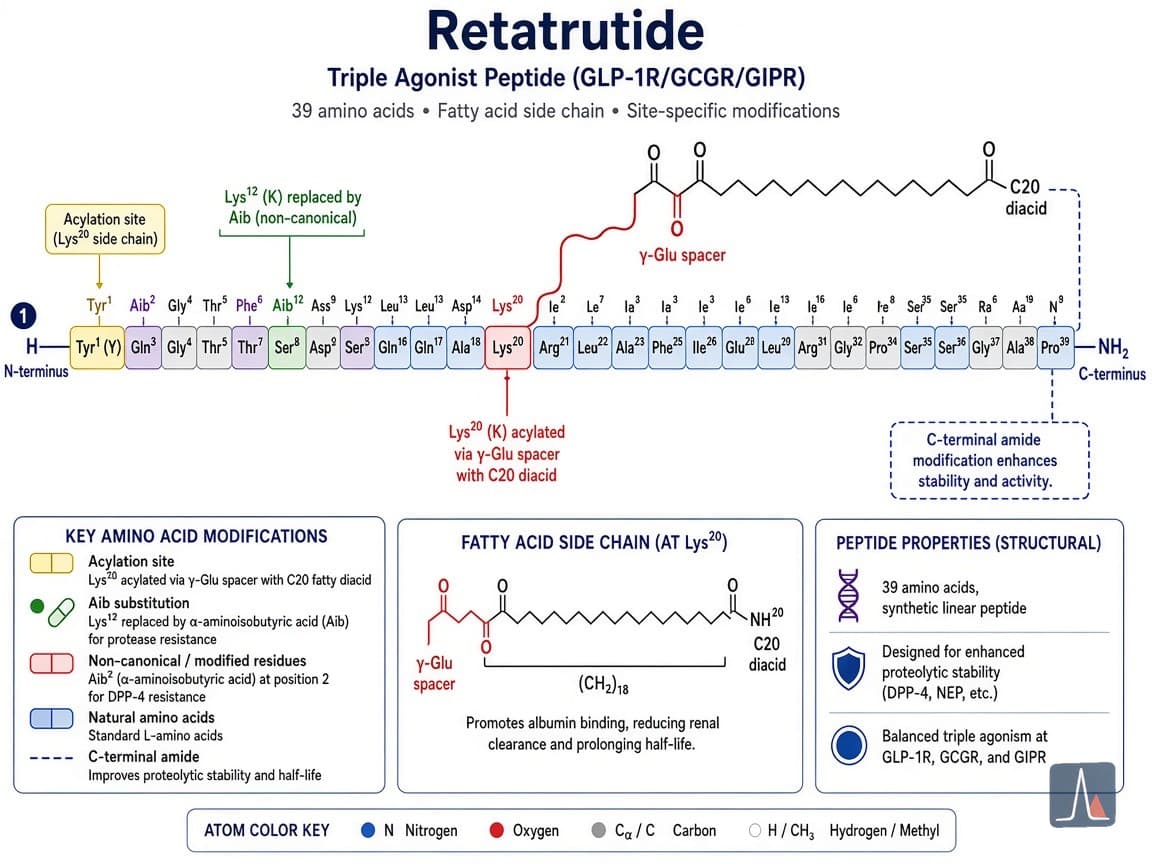
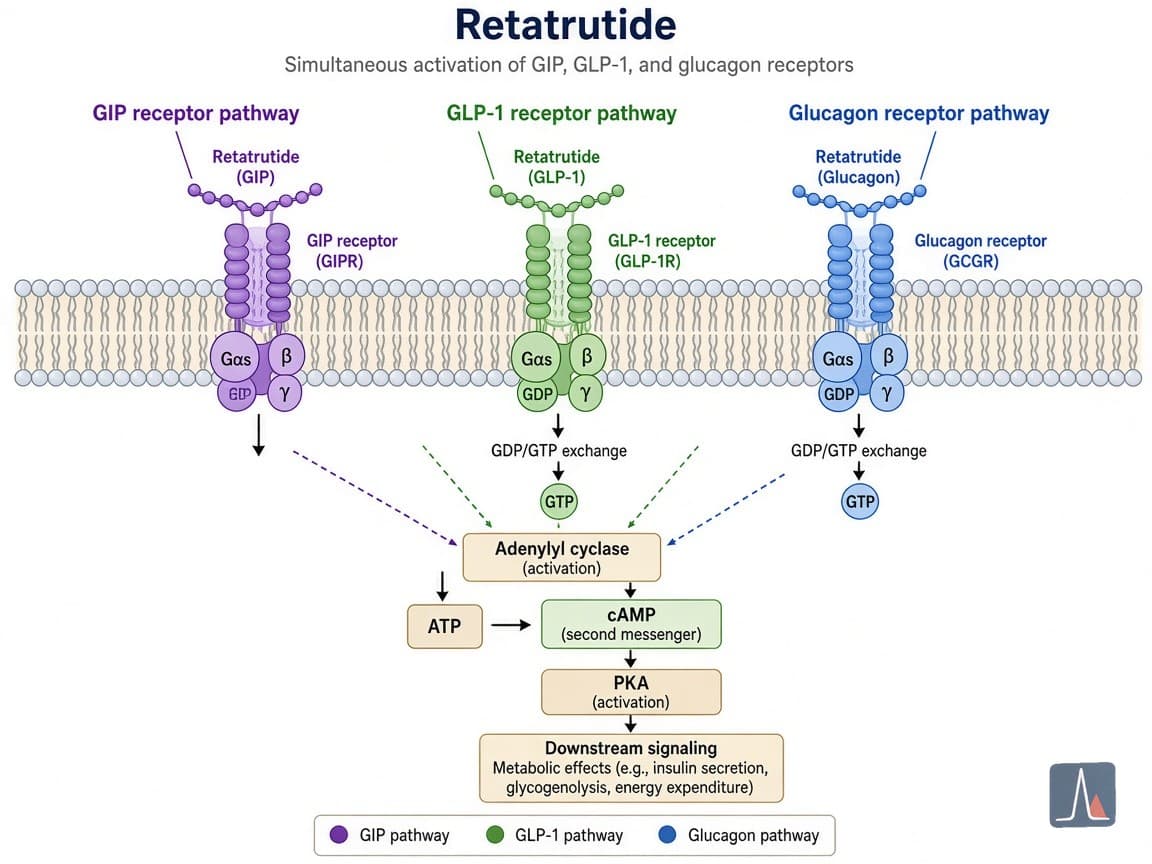
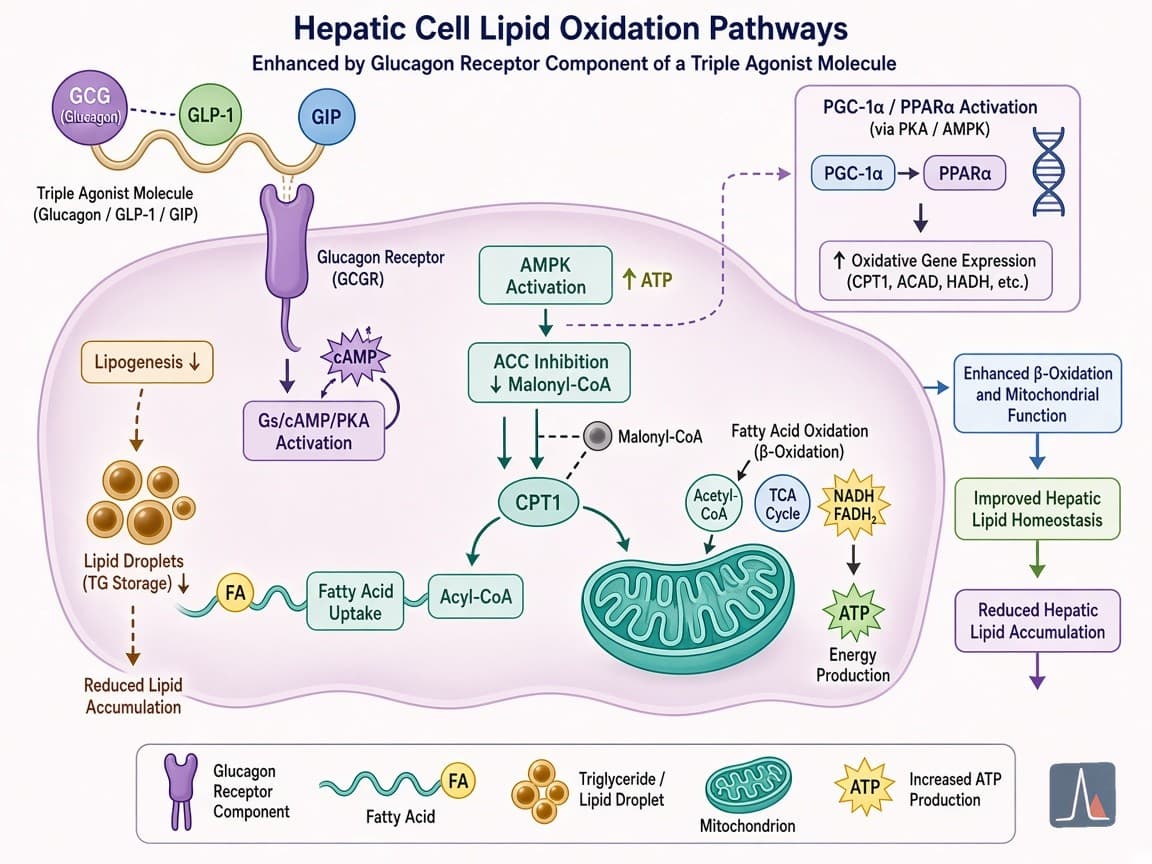
Retatrutide is a synthetic 39-amino acid linear peptide conjugated to a C20 diacid fatty acid side chain for extended half-life and once-weekly dosing. It is engineered with specific amino acid substitutions to achieve balanced agonism at the glucose-dependent insulinotropic polypeptide receptor (GIPR), glucagon-like peptide-1 receptor (GLP-1R), and glucagon receptor (GCGR), with relative potency typically highest at GIPR. This triple mechanism is intended to combine appetite suppression and insulin sensitization (GIP/GLP-1) with increased energy expenditure and hepatic lipid oxidation (glucagon). Retatrutide is catalogued for laboratory research only and is not a medicine. Those records do not establish research-vial use.
Foundational Discovery and In Vitro Triple-Receptor Pharmacology Studies (in_vitro and method papers, 2022–2025)
The foundational discovery and characterization paper detailed engineering of LY3437943 and demonstrated in cell-based cAMP accumulation assays specific potency and efficacy at the three human receptors, distinguishing its profile from endogenous ligands and dual agonists. Subsequent structural biology work provided cryo-EM structures of retatrutide bound to each receptor in complex with Gs protein, elucidating molecular interactions that support balanced signaling. These in vitro studies established the mechanistic basis for glucagon-mediated increases in energy expenditure and lipid catabolism observed in downstream hepatocyte and adipocyte assays. Method papers validated analytical detection methods for pharmacokinetic and metabolite studies.
Preclinical Animal Models of Diet-Induced Obesity, MASH, Energy Expenditure, and Metabolic Protection (animal papers, 2022–2026)
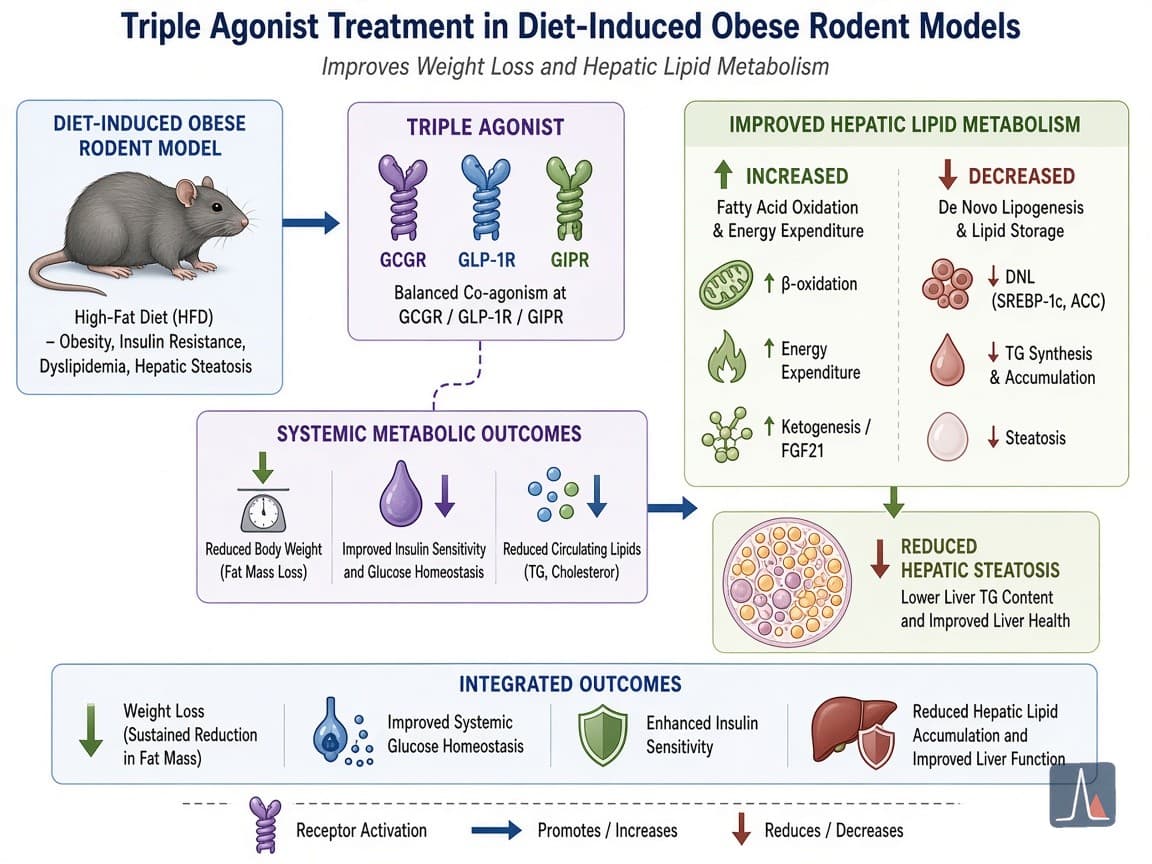
Diet-induced obese (DIO) mouse, rat, and hamster models demonstrated dose-dependent weight loss (up to ~31% in select reports), preferential reduction in fat mass, increased energy expenditure attributed to glucagon receptor activation, and marked improvements in insulin sensitivity (reduced HOMA-IR). MASH models showed substantial reductions in hepatic triglycerides, steatosis scores, and markers of inflammation and fibrosis, with some studies reporting normalization of liver fat content. Additional models explored cognitive benefits in diabetic rats, trends toward renal protection in acute STZ models (though not always statistically significant after correction for multiple comparisons), and effects in monogenic obesity. Results were generally favorable for metabolic parameters but highlighted context-dependent outcomes and the need for longer-term studies.
Phase 2 Randomised Placebo-Controlled Dose-Ranging Trials in Obesity and Type 2 Diabetes (clinical trials, 2023–2024)
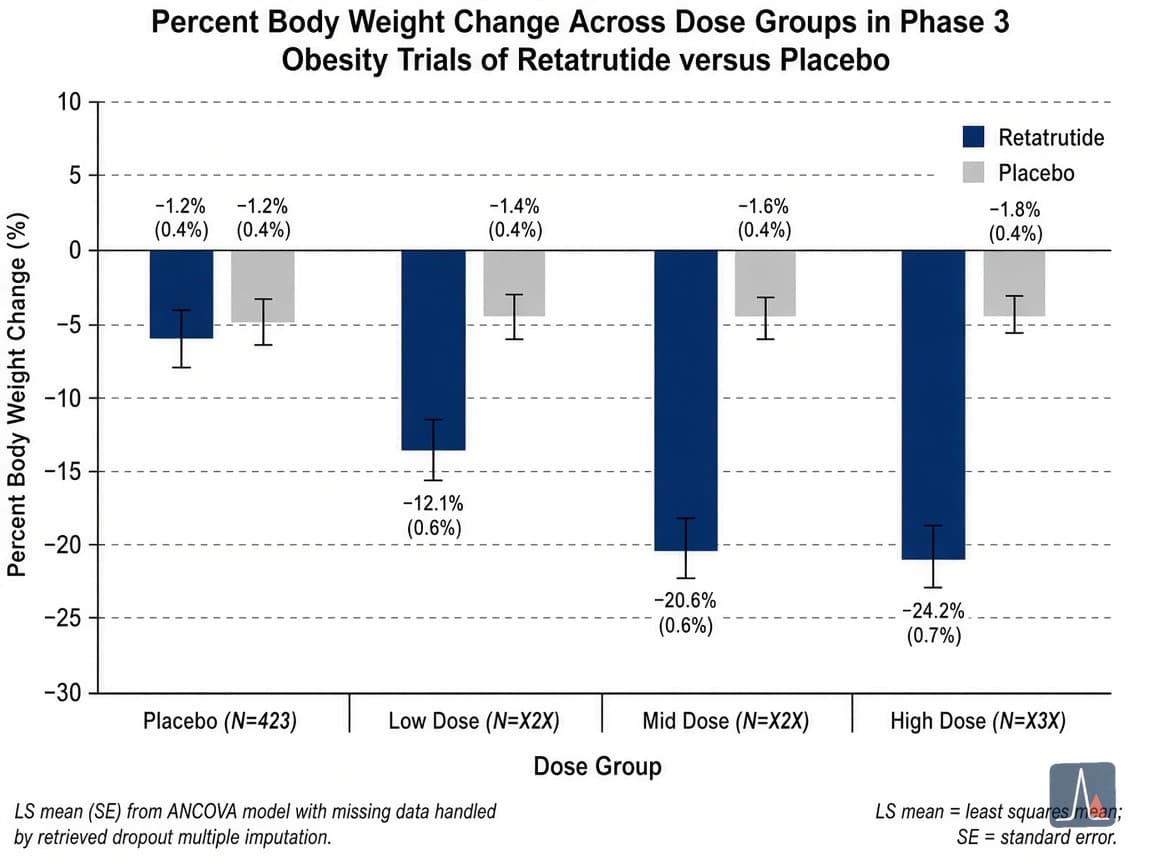
A key phase 2 trial in adults with obesity (NEJM, 2023; n=338; 48 weeks) reported least-squares mean weight change of up to −24.2% at 12 mg versus −2.1% with placebo, with high proportions achieving ≥15% and ≥20% loss. A parallel trial in type 2 diabetes showed HbA1c reductions up to −2.02 percentage points and weight loss up to −16.9%. A liver-fat substudy (Nature Medicine, 2024) demonstrated relative reductions of 82.4% at 12 mg with 86% of participants reaching normal liver fat levels. Gastrointestinal events (nausea, diarrhea, vomiting) were the most common adverse events, mostly mild-to-moderate and attenuating with dose escalation. No severe hypoglycemia or new safety signals beyond the incretin class were noted.
Pivotal Phase 3 TRIUMPH Programme Trials in Obesity, Type 2 Diabetes, Osteoarthritis, and Sleep Apnea (clinical trials, 2025–2026)
TRIUMPH-1 (NEJM, 2026; n=2339 adults with obesity without diabetes; 80 weeks) reported treatment-regimen mean weight change of −17.6% (4 mg), −23.7% (9 mg), and −25.0% (12 mg) versus −3.9% with placebo. Efficacy estimand values were higher; substantial proportions achieved ≥30% loss at the highest dose. Nested cohorts demonstrated significant reductions in knee osteoarthritis pain scores and apnea-hypopnea index in participants with OSA. TRIUMPH-2 (Lancet, 2026; n=1152 with obesity and type 2 diabetes) showed weight loss of −11.9% to −18.8% and HbA1c reductions of approximately 1.4–1.6 percentage points versus placebo. Additional TRIUMPH readouts in CVD populations and other subgroups confirmed consistent cardiometabolic improvements in lipids, blood pressure, and inflammatory markers. Gastrointestinal adverse events were dose-dependent and the primary reason for discontinuation (rates generally 2–12%).
Recent Reviews, Meta-Analyses, Mechanistic Syntheses, Regulatory Context, and Recurrent Limitations (review and meta-analysis papers, 2024–2026)
Systematic reviews and meta-analyses of available randomised trials confirmed statistically significant and clinically meaningful reductions in body weight (weighted mean differences exceeding 10–20 kg in higher-dose arms), BMI, waist circumference, and HbA1c, with increased proportions achieving categorical weight-loss thresholds (≥10%, ≥15%, ≥20%). Reviews synthesise the additive benefit of glucagon agonism for energy expenditure and hepatic outcomes relative to dual agonists such as tirzepatide. Regulatory context notes investigational status with anticipated filing around 2027 following completion of cardiovascular outcomes components of the TRIUMPH programme. Recurrent limitations include industry sponsorship of nearly all large trials, relatively short-to-medium duration relative to lifelong disease (most primary endpoints ≤80–104 weeks), gastrointestinal tolerability requiring careful titration, questions regarding lean-mass loss proportion, lack of completed long-term hard cardiovascular outcome data as of late 2026, and limited head-to-head comparisons with other next-generation agents. Certain acute animal models showed trends rather than statistically confirmed histopathological protection after multiplicity adjustment.
Evidence Context and Recurrent Limitations
The indexed literature on retatrutide has progressed rapidly from receptor-level characterization in 2022 to robust phase 3 outcomes by 2026, positioning the molecule as one of the most efficacious investigational agents for obesity and related metabolic conditions. Preclinical data robustly support the mechanistic contribution of glucagon receptor agonism to energy expenditure and hepatic fat clearance beyond dual-incretin effects. Clinical programmes demonstrate dose-dependent weight reductions that in some analyses approach or exceed thresholds historically associated with bariatric surgery, together with broad improvements in glycemic control, liver fat, osteoarthritis pain, sleep apnea, and cardiometabolic biomarkers. However, gastrointestinal adverse events remain prominent, long-term durability, cardiovascular hard outcomes, malignancy signals, bone health, and real-world adherence require further observation, and the certainty of evidence is tempered by trial duration, sponsorship, and pending comparative data. As with all catalogued research materials, these publications characterize laboratory tools and do not constitute guidance for human or therapeutic application.
Sources
- Coskun T, et al. (2022). LY3437943, a novel triple glucagon, GIP, and GLP-1 receptor agonist for glycemic control and weight loss: from discovery to clinical proof of concept. *Cell Metabolism*. DOI: 10.1016/j.cmet.2022.07.013. PMID: 35985340.
- Jastreboff AM, et al. (2023). Triple–Hormone-Receptor Agonist Retatrutide for Obesity — A Phase 2 Trial. *New England Journal of Medicine*. DOI: 10.1056/NEJMoa2301972.
- Sanyal AJ, et al. (2024). Triple hormone receptor agonist retatrutide for metabolic dysfunction-associated steatotic liver disease: a randomized phase 2a trial. *Nature Medicine*. DOI: 10.1038/s41591-024-03018-2.
- Davies M, et al. (2026). Retatrutide, a Triple Hormone Receptor Agonist, for Treatment of Obesity. *New England Journal of Medicine*. DOI: 10.1056/NEJMoa2604169. PMID: 42814954.
- Bellido V, et al. (2026). Retatrutide in adults with obesity and type 2 diabetes (TRIUMPH-2): a double-blind, parallel-group, randomised, placebo-controlled, phase 3 trial. *The Lancet*. DOI: 10.1016/S0140-6736(26)01861-1. PMID: 42810372.
- Multiple 2024–2026 meta-analyses in *Metabolism Open*, *Expert Review of Clinical Pharmacology*, and related journals confirming weight and metabolic marker improvements with increased non-severe GI and hypersensitivity events.
More briefings
- Survodutide Dual Agonist: Preclinical and Clinical EvidenceThe open-catalog entry for survodutide describes a synthetic acylated 29-amino-acid peptide dual agonist of glucagon and GLP-1 receptors supplied as high-purity lyophilized powder for laboratory metabolic research. Randomised trials report
- Dulaglutide: GLP-1 Receptor Agonist in Metabolic CareDulaglutide is a recombinant Fc-fusion GLP-1 receptor agonist engineered for once-weekly administration in laboratory and clinical metabolic research. Randomised trials report glycaemic improvements, cardiovascular risk reduction and modest
- Cagrilintide-Semaglutide Mixture: Open-Catalog Context and Metabolic Trial EvidenceThe open-catalog cagrilintide-semaglutide mixture supplies a research pairing of an amylin receptor agonist and GLP-1 receptor agonist for laboratory metabolic studies. Randomised trials of co-administration report enhanced weight loss (13–
All information and products discussed are for laboratory and research use only. Not for human or veterinary use. Not intended to diagnose, treat, cure, or prevent any disease.