
31 October 2026
Cagrilintide-Semaglutide Mixture: Open-Catalog Context and Metabolic Trial Evidence
Download PDF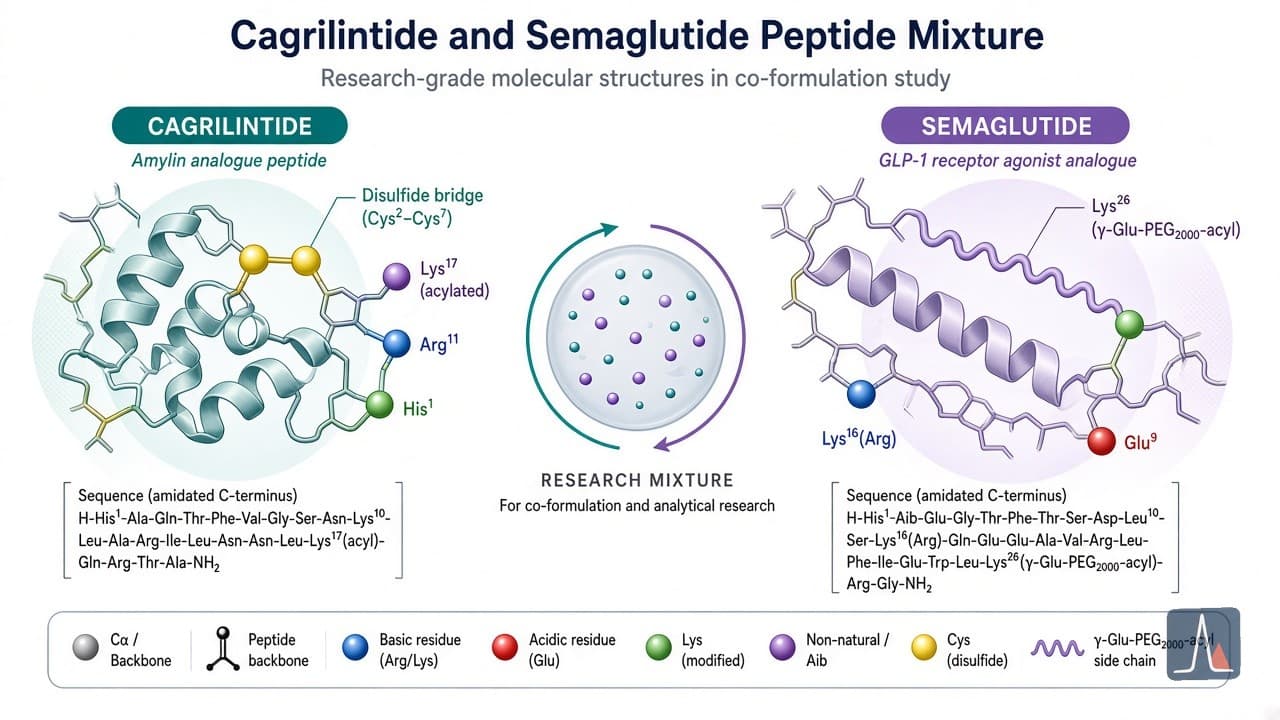
The open-catalog cagrilintide-semaglutide mixture supplies a research pairing of an amylin receptor agonist and GLP-1 receptor agonist for laboratory metabolic studies. Randomised trials of co-administration report enhanced weight loss (13–
Cagrilintide-Semaglutide Mixture: Open-Catalog Context and Metabolic Trial Evidence
The open-catalog entry at /compounds/cagrilintide-semaglutide tracks a defined research mixture or paired supply of two discrete high-purity synthetic peptides: the long-acting acylated amylin analogue cagrilintide and the lipidated GLP-1 receptor agonist semaglutide. Materials on this site are for laboratory research only. They are not medicines. Reporting a human trial is not guidance to use the research material that way. Randomised phase 2 and phase 3 trials investigating co-administration or fixed-ratio use of the two peptides (frequently referred to as CagriSema in clinical development programmes) have shown additive or synergistic effects on body weight reduction and glycaemic control that exceed those of either component alone in adults with overweight, obesity, or type 2 diabetes. Gastrointestinal adverse events are the predominant tolerability finding and are generally transient and mild to moderate during dose escalation. This briefing is strictly limited to evidence on this listed catalog pairing and does not repeat standalone data from the individual cagrilintide or semaglutide entries.
Chemical Identity and Catalog Context
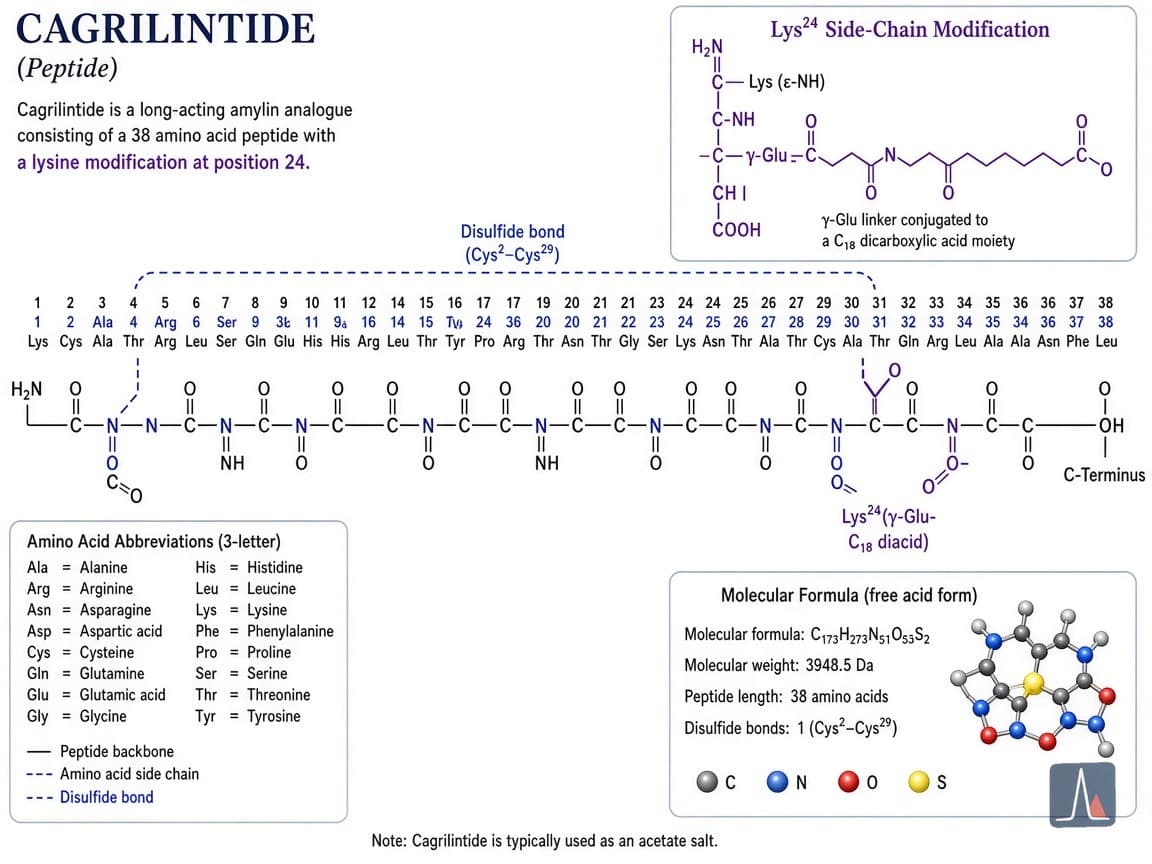
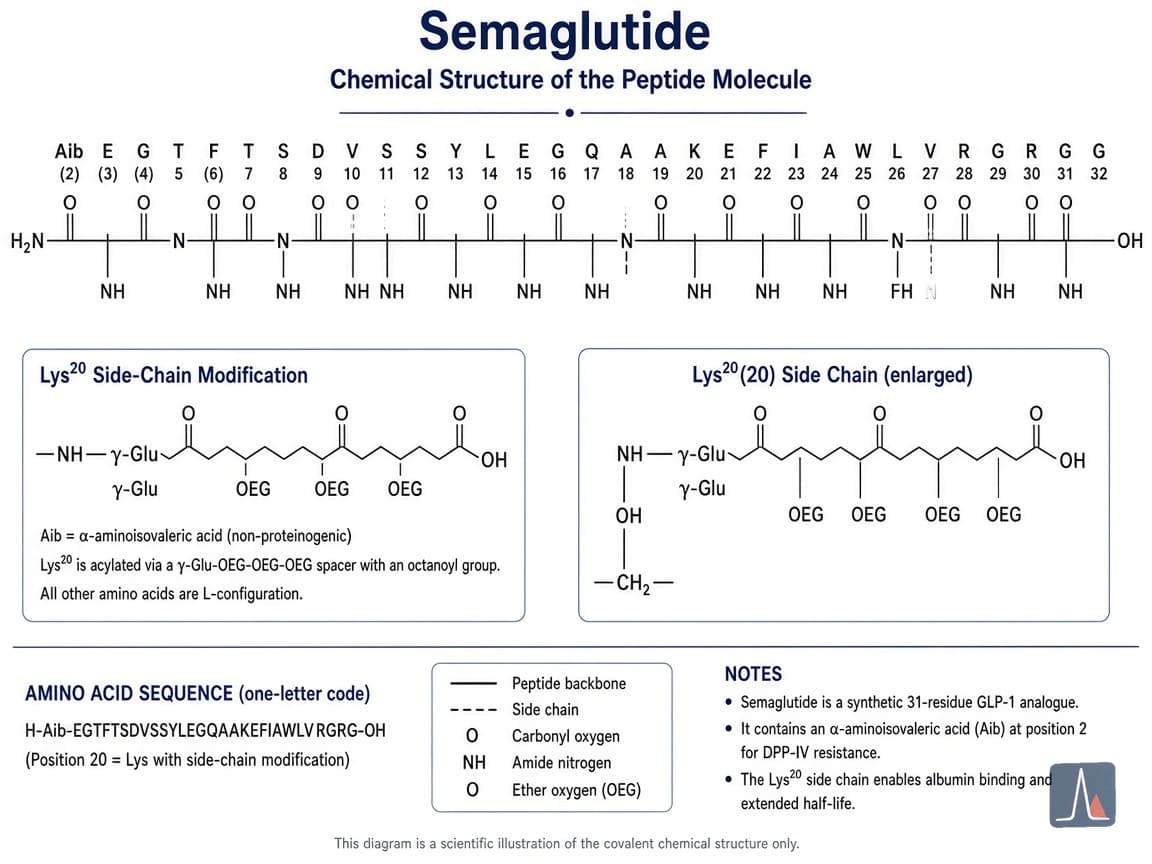
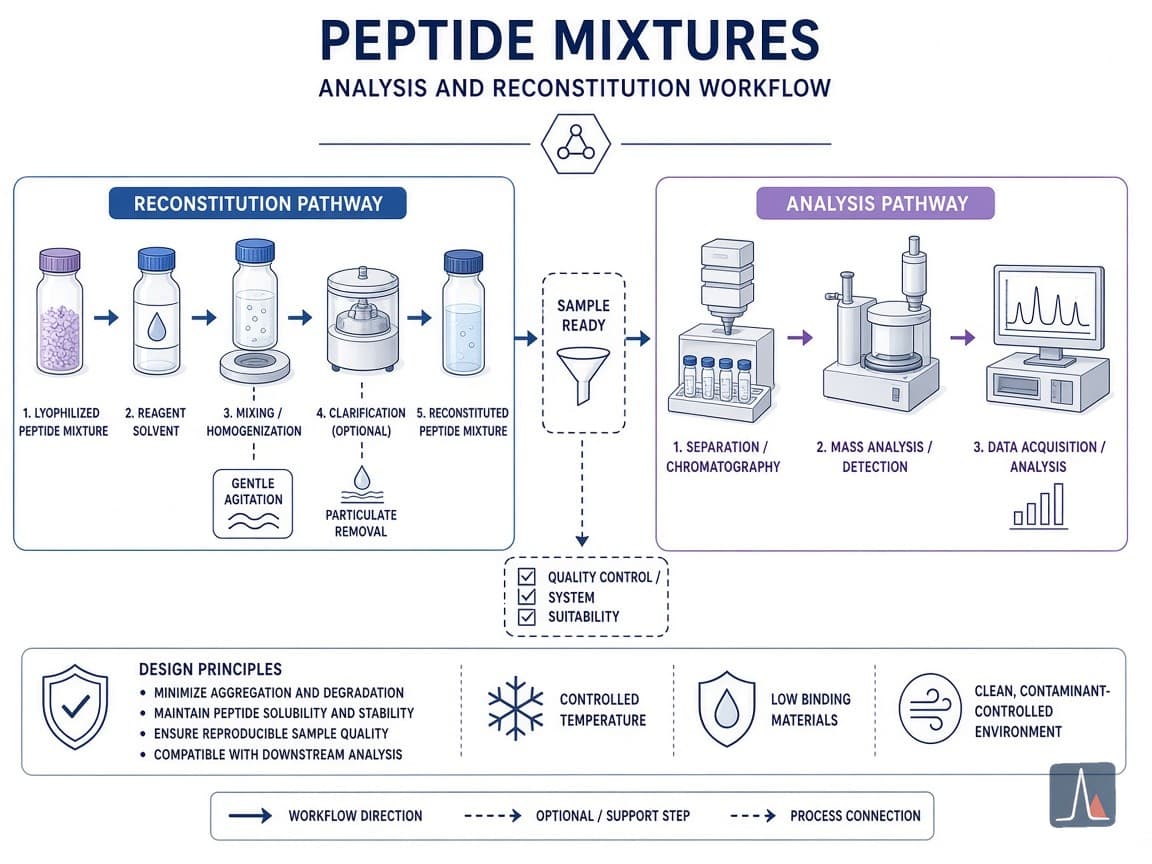
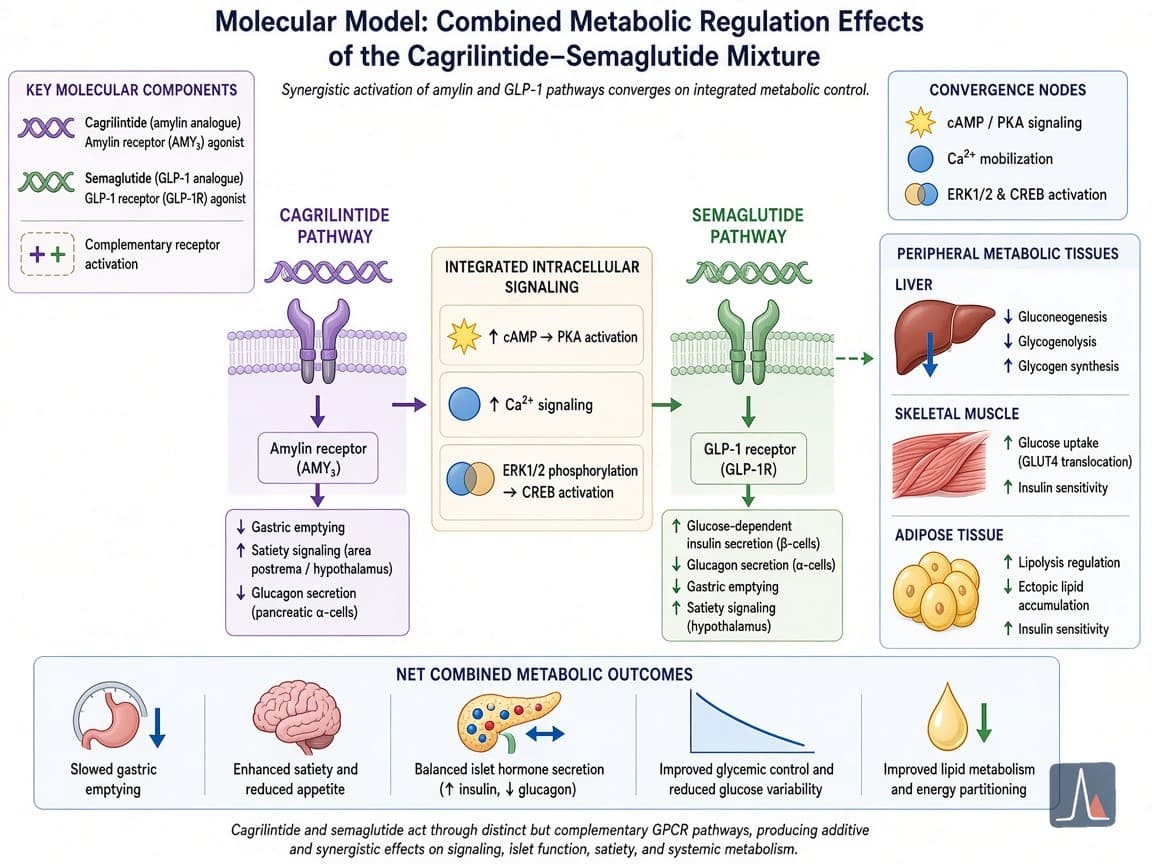
Cagrilintide is a 38-amino-acid synthetic analogue of human amylin featuring specific amino-acid substitutions for stability and a C20 diacid fatty-acid side chain attached via a linker to extend half-life and receptor engagement. Semaglutide is a 31-amino-acid analogue of GLP-1(7-37) modified with an Aib substitution at position 8, arginine at position 34, and a C18 diacid acylation at Lys26 through a γ-glutamic acid spacer. The catalog lists the two as a specific pairing (typically supplied as separate or co-lyophilized high-purity powders) to support laboratory investigation of their complementary actions on amylin (AMY1R/AMY3R formed by calcitonin receptor plus RAMPs) and GLP-1 receptors. This enables controlled study of synergistic satiety signalling, slowed gastric emptying, reduced food intake, and improved glucoregulation in in-vitro, ex-vivo, or animal metabolic models. The mixture is reconstituted in the laboratory with reagents such as BAC water or antibacterial water. It is chemically and regulatorily distinct from any pharmaceutical fixed-dose co-formulation, single-agent products, or unregulated compounded blends. The catalog rationale is to index the specific biological pairing that has been the subject of extensive mechanistic and translational research while emphasising that open-catalog research materials require independent verification of identity, purity, stoichiometry, and stability.
Foundational Receptor Pharmacology and In Vitro Mechanistic Studies (in_vitro and method papers, ~2018–2026)
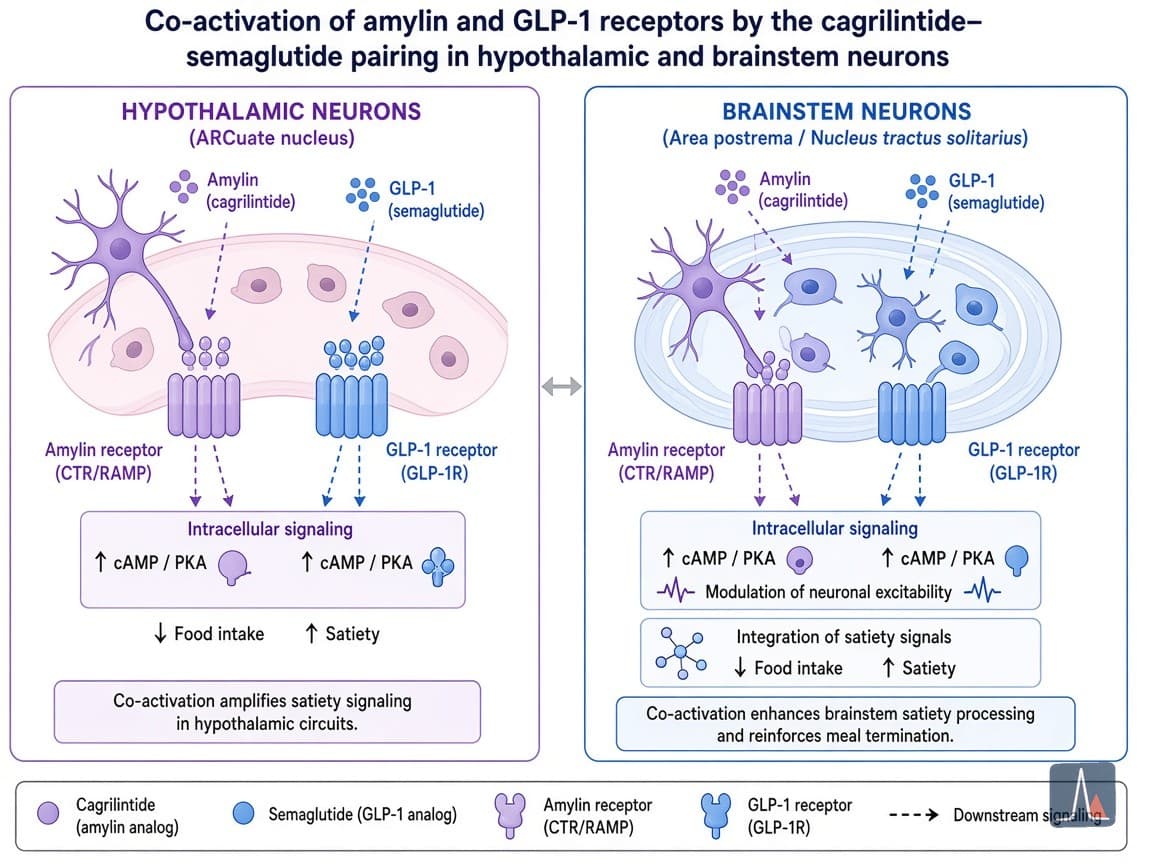
In-vitro binding and signalling assays confirm cagrilintide’s high affinity and prolonged engagement at amylin receptors, leading to potent inhibition of food intake pathways in area postrema and hypothalamic neurons. Semaglutide potently activates GLP-1 receptors, enhancing insulin secretion, suppressing glucagon, and modulating central appetite circuits via distinct but overlapping neuronal populations. Combination studies in cellular and tissue models demonstrate complementary or additive suppression of orexigenic signals, enhanced satiation, and improved β-cell function without major pharmacokinetic interference. Method papers have characterised receptor specificity using knockout lines and selective antagonists, confirming that weight-loss effects of the amylin component are largely central and that the pairing can preserve lean mass better than caloric restriction alone in some systems. These foundational data provide the mechanistic rationale for cataloguing the specific mixture as a tool for laboratory dissection of dual-pathway metabolic pharmacology.
Preclinical Animal Models of Combined Metabolic Effects (animal papers, 2020–2026)
Diet-induced obese rodent and nonhuman-primate models of the cagrilintide-semaglutide pairing consistently show greater reductions in food intake, body weight, and adiposity than equimolar monotherapy. Pair-feeding and weight-matching experiments indicate contributions from both reduced caloric intake and increased energy expenditure or altered nutrient partitioning. Improvements in insulin sensitivity, hepatic lipid content, and circulating metabolic markers (triglycerides, cholesterol) are reported. Brain transcriptomic and proteomic profiling in these models highlights convergent regulation of hypothalamic and brainstem energy-balance programmes. Recent studies combining amylin agonism with multi-agonists further contextualise the additive benefit of the cagrilintide component. These preclinical findings support laboratory use of the catalogued mixture to replicate or extend mechanistic insights but cannot be directly extrapolated to human dosing or outcomes.
Randomised Phase 2 and Phase 3 Trials of the Pairing (clinical papers, 2021–2026)
A 2021 phase 1b randomised trial of ascending cagrilintide doses co-administered with fixed semaglutide 2.4 mg in people with overweight or obesity demonstrated dose-dependent additional weight loss (up to ~17% at 20 weeks) with acceptable tolerability and no clinically meaningful pharmacokinetic interaction. The 2023 phase 2 randomised, double-blind, active-controlled trial in type 2 diabetes (n=92) found the 2.4 mg/2.4 mg combination produced mean weight change of –15.6% versus –5.1% (semaglutide) and –8.1% (cagrilintide) at 32 weeks, with greater HbA1c reduction than cagrilintide alone and numerically greater than semaglutide alone; continuous glucose monitoring parameters also improved.
Large phase 3 programmes followed. REDEFINE 1 (NEJM 2025, n=3417 adults with overweight or obesity) randomised participants to cagrilintide 2.4 mg + semaglutide 2.4 mg, each monotherapy, or placebo plus lifestyle intervention. The combination yielded an estimated mean weight change of –20.4% versus –3.0% for placebo at 68 weeks (treatment-policy estimand), with statistically superior outcomes versus each monotherapy arm and high proportions reaching ≥20%, ≥25%, and ≥30% weight-loss thresholds. REDEFINE 2 (n=1206 adults with obesity and type 2 diabetes) reported –13.7% weight loss versus –3.4% placebo, with 73.5% of the combination arm reaching HbA1c ≤6.5% versus 15.9% on placebo. REDEFINE 5 in East Asian participants confirmed superiority versus semaglutide monotherapy (–18.4% vs –11.9%).
The parallel REIMAGINE programme (2026) evaluated the pairing across the type 2 diabetes spectrum. In treatment-naïve or metformin-treated patients, HbA1c reductions reached –1.8 to –2.3 percentage points with 11–14% weight loss versus placebo. As add-on to basal insulin, similar glycaemic and weight benefits were observed without increased hypoglycaemia. Results were consistent across 1.0 mg/1.0 mg and 2.4 mg/2.4 mg dose levels in some trials. All large trials were industry-sponsored.
Safety Profile, Tolerability, and Evidence Syntheses (safety, pooled, and review papers, 2024–2026)
Gastrointestinal disorders (nausea, vomiting, diarrhoea, constipation, abdominal pain) were reported by 70–80% of participants receiving the combination versus ~35–40% on placebo and were the most common reason for discontinuation (typically 5–10%). Events were predominantly transient, occurred mainly during escalation, and were mild to moderate. Injection-site reactions were modestly increased in some analyses. No excess severe hypoglycaemia, pancreatitis, or medullary thyroid carcinoma signals were identified beyond background rates for the class. Gallbladder-related events and mild elevations in heart rate were consistent with GLP-1 receptor agonism. Pooled safety data and 2026 systematic reviews and meta-analyses affirm greater efficacy on weight and HbA1c than semaglutide monotherapy in most comparisons, with a tolerability profile broadly aligned with higher-dose incretin therapies. One network meta-analysis noted comparable or slightly lower weight loss versus tirzepatide 15 mg in indirect comparison; a company head-to-head report indicated the pairing missed statistical superiority on the primary endpoint versus tirzepatide in one trial. Cardiovascular outcomes data from dedicated trials remain pending as of late 2026. Post-discontinuation weight regain occurs, underscoring the chronic nature of the underlying physiology.
Evidence Context, Catalog Implications, and Recurrent Limitations
The catalogued cagrilintide-semaglutide mixture provides researchers with chemically defined materials to explore dual amylin–GLP-1 receptor agonism in controlled laboratory settings, building on the biological synergy documented in preclinical models and contextualised by large randomised trials of a proprietary pharmaceutical co-formulation. The clinical evidence base is robust for short-to-medium-term (32–68 week) efficacy on weight (13–20% mean loss) and glycaemia in the populations studied, with no unanticipated safety signals. However, nearly all pivotal data derive from Novo Nordisk-sponsored programmes using a specific stable fixed-dose product manufactured under GMP conditions; open-catalog research mixtures may differ in exact ratio, excipients, purity profile, aggregation propensity, and pharmacokinetic behaviour upon laboratory reconstitution. Independent analytical verification (HPLC, mass spectrometry, bioassays) is therefore essential for any experimental use. Recurrent limitations include industry funding of the major trials, relatively short durations relative to lifelong obesity or diabetes management, variable real-world adherence, incomplete long-term safety characterisation, and limited head-to-head data against other multi-agonists such as tirzepatide or retatrutide. Regulatory review of the pharmaceutical version was ongoing as of October 2026 following NDA submission in late 2025; the catalog product remains strictly for non-human laboratory research. Future updates will incorporate emerging mechanistic imaging, MASLD, and cardiovascular outcomes data specific to the pairing. Researchers are reminded that catalog materials cannot replicate the exact formulation, delivery system, or regulatory oversight of any clinical product.
Sources
- Garvey WT et al. Coadministered Cagrilintide and Semaglutide in Adults with Overweight or Obesity. N Engl J Med. 2025;393:635-647. DOI: 10.1056/NEJMoa2502081. PMID: 40544433.
- Davies MJ et al. Cagrilintide–Semaglutide in Adults with Overweight or Obesity and Type 2 Diabetes. N Engl J Med. 2025;393:648-659. DOI: 10.1056/NEJMoa2502082.
- Frias JP et al. Efficacy and safety of co-administered once-weekly cagrilintide 2.4 mg with once-weekly semaglutide 2.4 mg in type 2 diabetes (Lancet 2023). DOI: 10.1016/S0140-6736(23)01163-7. PMID: 37364590.
- Enebo LB et al. Safety, tolerability, pharmacokinetics, and pharmacodynamics of concomitant administration of multiple doses of cagrilintide with semaglutide 2.4 mg (Lancet 2021). DOI: 10.1016/S0140-6736(21)00845-X. PMID: 33894838.
- Additional 2026 Lancet Diabetes Endocrinol and Lancet papers on REIMAGINE 1–3 and REDEFINE 5 programmes; meta-analyses and reviews (2024–2026) on dual incretin/amylin pharmacology.
Linked compounds and reagents: Cagrilintide, Semaglutide, BAC water, Antibacterial water.
More briefings
- Survodutide Dual Agonist: Preclinical and Clinical EvidenceThe open-catalog entry for survodutide describes a synthetic acylated 29-amino-acid peptide dual agonist of glucagon and GLP-1 receptors supplied as high-purity lyophilized powder for laboratory metabolic research. Randomised trials report
- Dulaglutide: GLP-1 Receptor Agonist in Metabolic CareDulaglutide is a recombinant Fc-fusion GLP-1 receptor agonist engineered for once-weekly administration in laboratory and clinical metabolic research. Randomised trials report glycaemic improvements, cardiovascular risk reduction and modest
- Pinealon Catalog Entry: The Single Defined Tripeptide CompoundThe catalog lists Pinealon at /compounds/pinealon as the single synthetic tripeptide Glu-Asp-Arg (EDR), a chemically defined research compound supplied as one discrete molecular entity distinct from tissue extracts or peptide mixtures, with
All information and products discussed are for laboratory and research use only. Not for human or veterinary use. Not intended to diagnose, treat, cure, or prevent any disease.