
31 October 2026
Pinealon Catalog Entry: The Single Defined Tripeptide Compound
Download PDF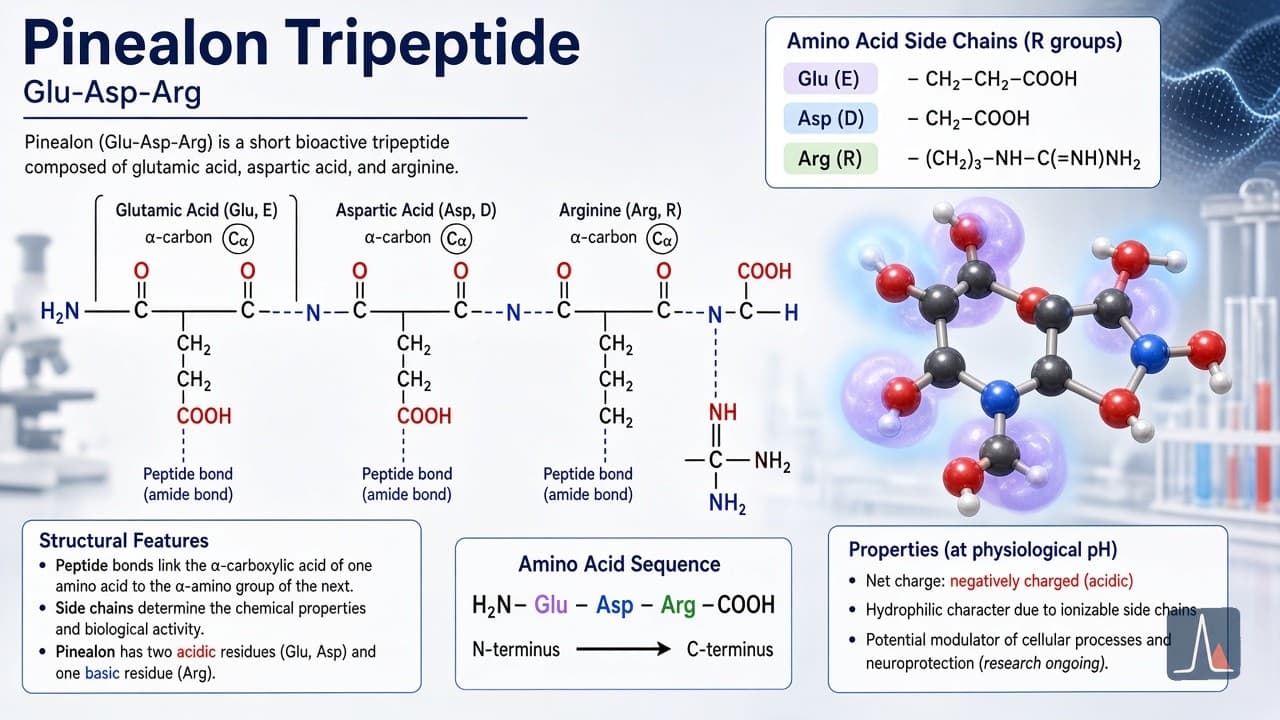
The catalog lists Pinealon at /compounds/pinealon as the single synthetic tripeptide Glu-Asp-Arg (EDR), a chemically defined research compound supplied as one discrete molecular entity distinct from tissue extracts or peptide mixtures, with
Pinealon Catalog Entry: The Single Defined Tripeptide Compound
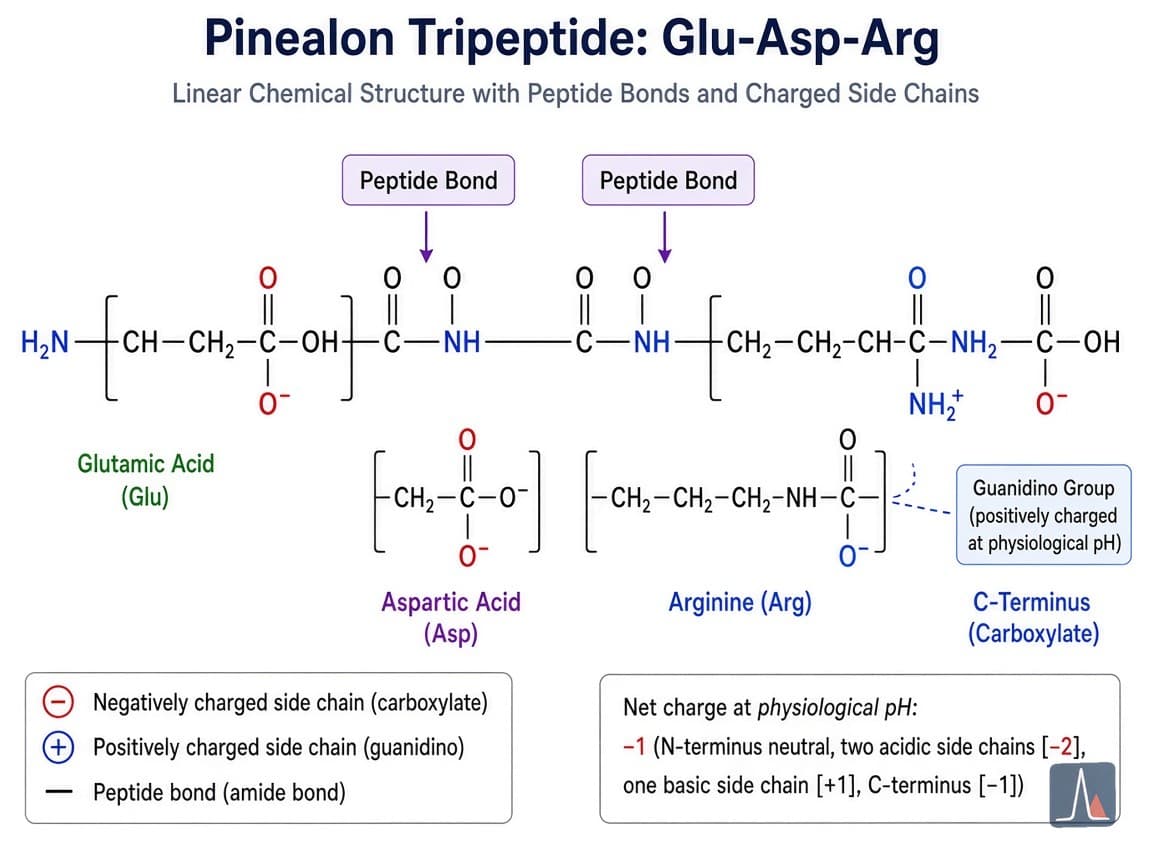
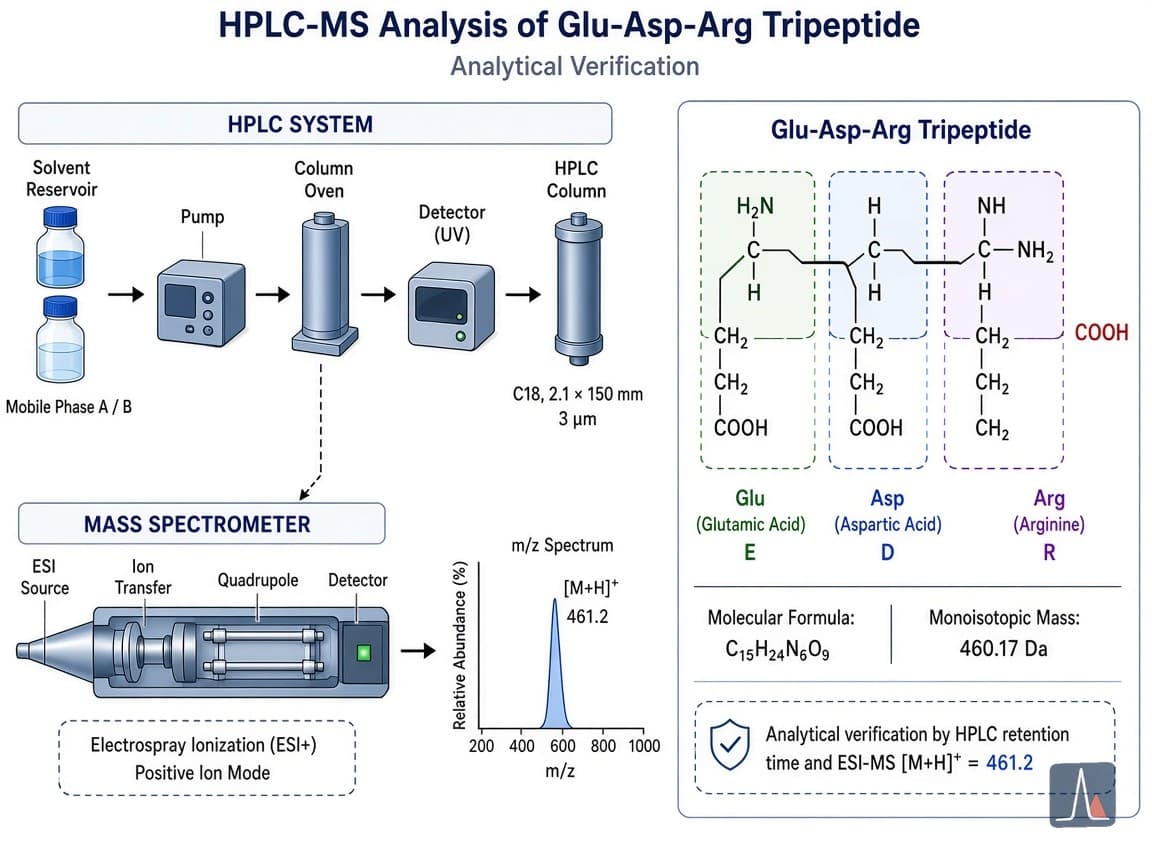
The catalog entry at /compounds/pinealon presents Pinealon explicitly as the single, chemically defined synthetic tripeptide with the amino acid sequence Glu-Asp-Arg (also denoted EDR or H-Glu-Asp-Arg-OH). With molecular formula C₁₅H₂₆N₆O₈, average molecular weight of 418.4 Da, CAS number 175175-23-2, and PubChem CID 10273502, it is catalogued as one discrete linear molecule with free N- and C-termini rather than a heterogeneous polypeptide extract, tissue-derived complex, or multi-peptide blend. This single-compound designation supports precise laboratory experimentation, analytical verification by HPLC and mass spectrometry, and isolation of structure-specific effects without the compositional variability inherent to natural source materials such as the calf cerebral cortex preparation Cortexin from which its sequence was conceptually derived by the Khavinson research group at the St. Petersburg Institute of Bioregulation and Gerontology.
Despite the name suggesting a pineal origin, primary literature consistently links the EDR sequence to cortex-derived material; the related pineal-associated tetrapeptide is Ala-Glu-Asp-Gly (Epithalon). The catalog's emphasis on Pinealon as a single defined entity facilitates reproducible research on its reported properties while underscoring that all materials are for laboratory research only and are not medicines. Reporting findings from published studies is not guidance to use the research material in any specific way.
Chemical Identity and Catalog Context
Pinealon is supplied as a lyophilized white powder, typically the acetate salt for improved stability and solubility. The catalog entry provides the exact primary structure, calculated physicochemical parameters (net charge approximately −1 at pH 7, isoelectric point near 4.2, high aqueous solubility, detection primarily at low UV wavelengths due to absence of aromatic residues), and expected analytical signatures. Mass spectrometry confirmation centers on the protonated molecular ion at m/z 419.2 with characteristic b- and y-fragment ions (e.g., y1 arginine ion at m/z 175). HPLC purity specifications routinely exceed 98%, with a single major peak at 214 nm.
This single-compound framing in the catalog contrasts with entries for complex mixtures or organ extracts, allowing researchers to attribute observed effects specifically to the EDR sequence. The entry aligns with other standalone Khavinson-family tri- and tetrapeptides while maintaining strict separation from any therapeutic implication. Reconstitution is performed with laboratory reagents such as bacteriostatic water or sterile water under controlled sterile conditions for in vitro or preclinical use.
Foundational In Vitro Mechanistic Studies (in_vitro and method papers, 2011–2020)
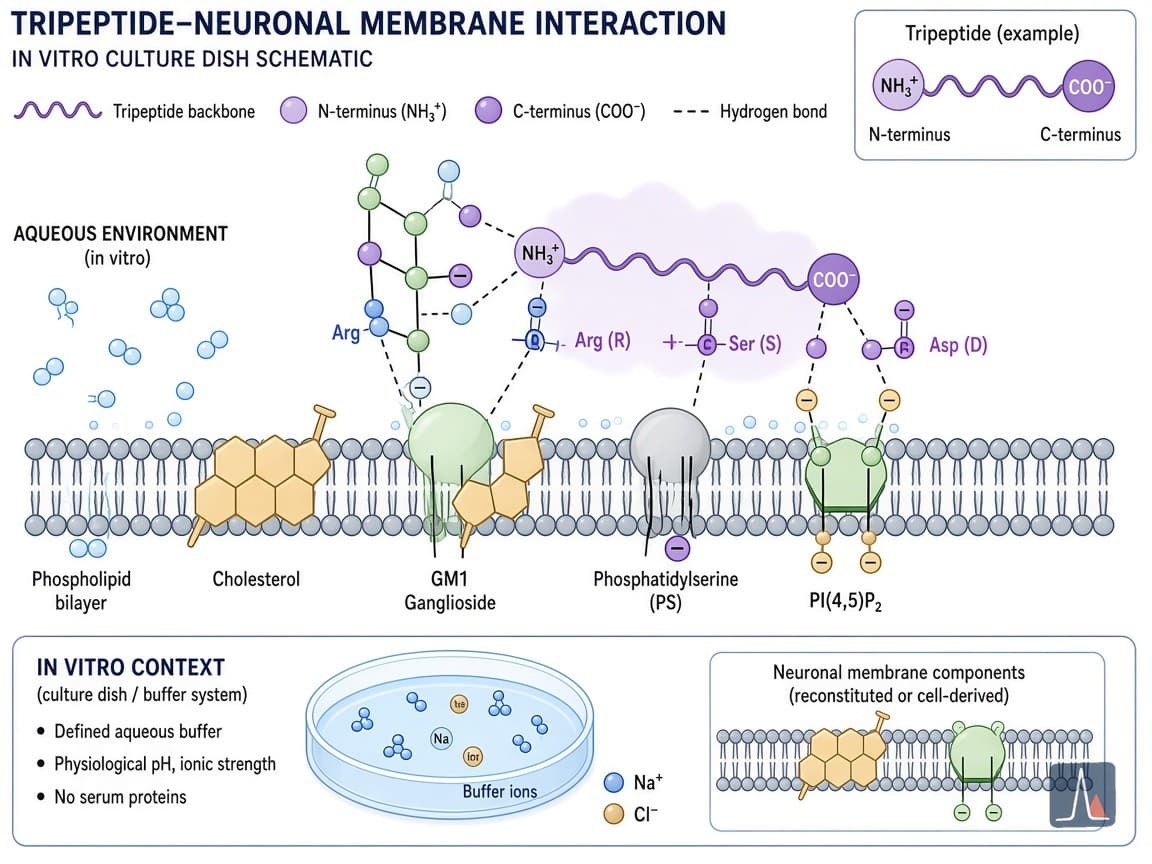
A key 2011 study examined the synthetic tripeptide in primary rat cerebellar granule cells, human neutrophils, and rat pheochromocytoma (PC12) cells subjected to oxidative stress induced by receptor-dependent and -independent mechanisms. The authors reported dose-dependent restriction of reactive oxygen species (ROS) accumulation measured by fluorescent probes, accompanied by reduced necrotic cell death quantified by propidium iodide staining. The protective profile saturated at lower concentrations for ROS suppression than for cell-cycle modulation, leading the authors to propose both antioxidant activity and possible direct interaction with the cell genome or signaling pathways such as delayed ERK1/2 activation. !Proposed gene regulation by Pinealon Hypothetical mechanism of Pinealon influencing chromatin or signaling pathways.
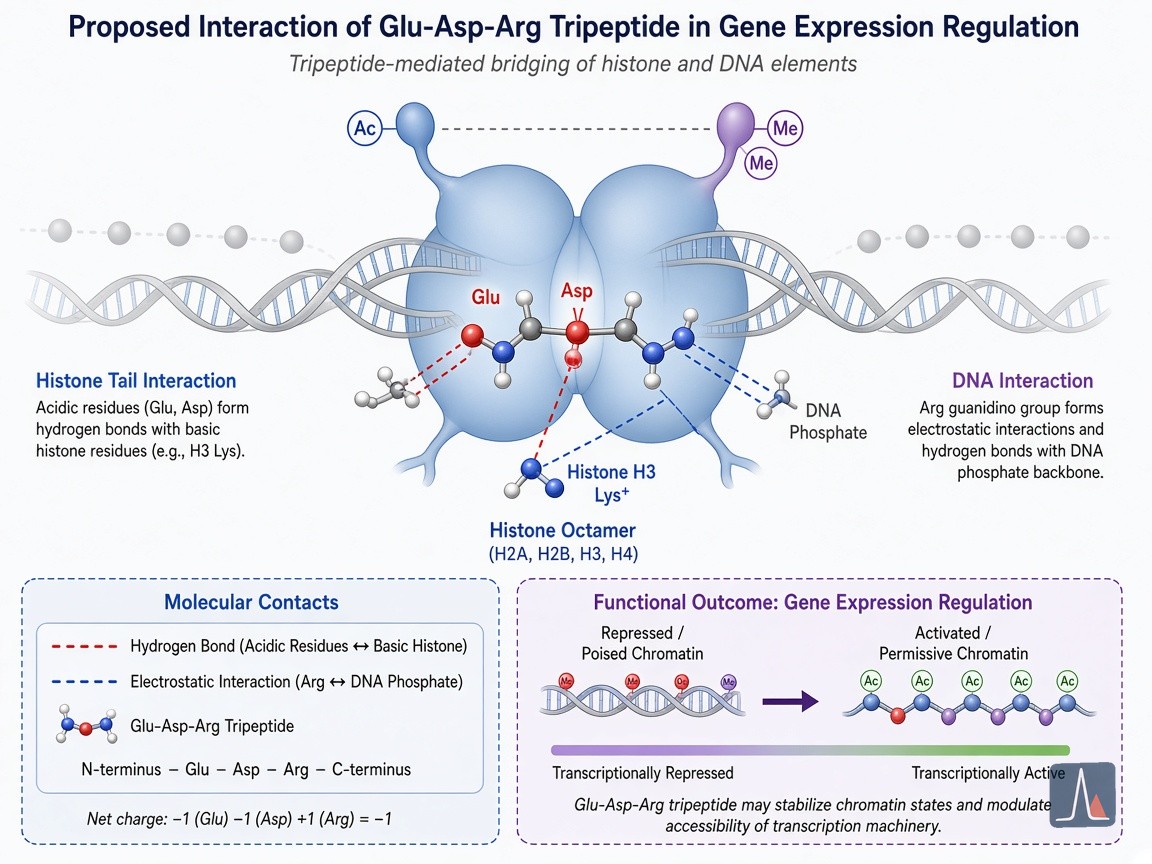
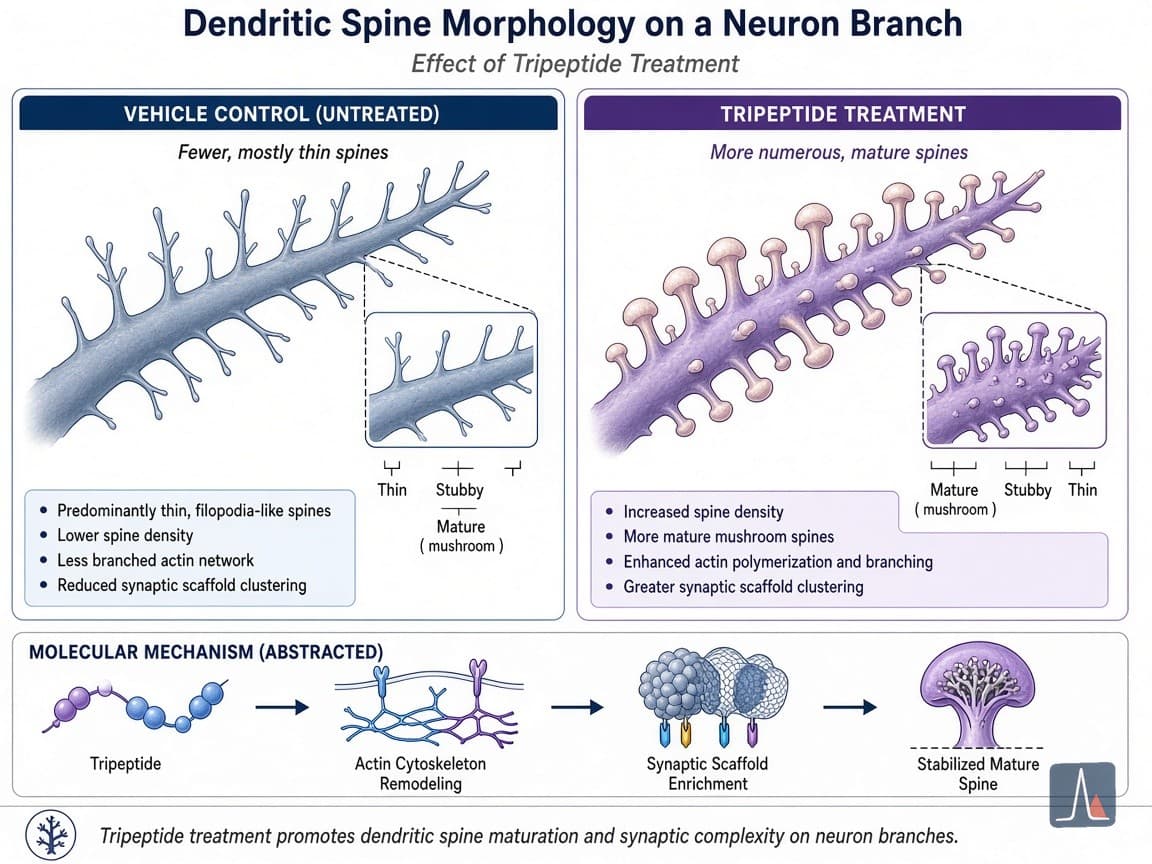
Subsequent work from the same network, summarized in a 2020 review, extended these observations to organotypic neuronal cultures and proposed that the tripeptide may enter cells, bind histones or RNA, and modulate expression of genes involved in antioxidant enzymes (SOD2, GPX1), apoptosis regulators (caspase-3, p53), and transcription factors (PPAR family). In neuronal cultures derived from transgenic mouse models of Alzheimer’s disease, application of the peptide reportedly interfered with elimination of dendritic spines in the hippocampus, a structural correlate of synaptic loss. These in vitro findings make it theoretically plausible that a small arginine-rich tripeptide could influence chromatin accessibility or signaling cascades in stressed neurons, although direct binding constants, nuclear translocation data in multiple independent laboratories, and human translational relevance remain unestablished.
Null or unfavorable observations within these studies include saturation of certain effects at low doses and a reported lack of direct free-radical scavenging in cell-free chemical systems, suggesting the activity is cell-mediated rather than intrinsic chemical antioxidant capacity. No independent Western laboratory has published direct replication of the spine-preservation or gene-expression datasets as of 2026.
Preclinical Animal Models of Neuroprotection and Cognitive Function (animal papers, 2012–2026)
In a 2012 rat study, pregnant dams were subjected to dietary methionine loading to induce hyperhomocysteinemia, a metabolic stressor linked to oxidative damage and cognitive impairment in offspring. Administration of the tripeptide to the mothers was associated with improved spatial learning and memory performance in the offspring, together with enhanced resistance of isolated cerebellar neurons to subsequent oxidative challenge in vitro. Histological and biochemical markers suggested partial normalization of redox balance. A separate line of work explored hypoxia/hypothermia models in aged rats, reporting behavioral and neurochemical changes with short peptides including EDR.
More recent preclinical reports, including mouse models of Alzheimer-type pathology, have described preservation of hippocampal dendritic spine density (approximately restoring counts toward levels seen in wild-type controls) and modulation of neuroinflammatory or synaptic markers. These animal findings make it theoretically plausible that the tripeptide could support synaptic maintenance or resilience under metabolic or age-related stress in mammals, yet the studies are largely from the originating research network, often use small group sizes, and lack long-term functional outcomes or independent replication. No large-scale, multi-center animal program has been reported.
Limited Human Observational Data and Developer-Network Reports (observational and review papers, 2012–2020)
Human evidence is confined to small Russian-language observational cohorts, predominantly from groups affiliated with the peptide developers. A 2015 study involving 32 adults (aged 41–83 years) with chronic polymorbidity and organic brain syndrome in remission examined oral administration of short peptides including Pinealon and Vesugen. The authors reported anabolic effects, improvements in central nervous system and organ function indices, and shifts in biological-age markers (stronger with Vesugen), alongside a decrease in circulating CD34+ hematopoietic progenitor cells and, paradoxically, pro-oxidant activity detected by chemiluminescence. The study lacked a placebo control, did not fully disaggregate peptide-specific results, and did not report detailed group allocation or attrition data. Chromatin condensation indices were unchanged, interpreted by the authors as evidence of nuclear safety.
A separate report on locomotive workers and a developer review citing 72 patients with sequelae of traumatic brain injury described subjective improvements in memory, headache frequency, emotional balance, and adaptation scores after oral capsules, but primary study details, comparator groups, and statistical rigor are insufficiently documented for independent assessment. No randomised, double-blind, placebo-controlled trial of Pinealon (oral or injected) has been indexed in PubMed or registered on ClinicalTrials.gov. Injected Pinealon has not been tested in published human studies. A 2020 review by the Khavinson group synthesised these observations and proposed molecular mechanisms in Alzheimer’s pathogenesis but declared no external funding and noted the preliminary nature of the dataset.
These limited human observations do not establish efficacy or safety for any clinical endpoint. Unfavorable signals (pro-oxidant activity, reduced CD34+ cells) warrant cautious interpretation and further study. The absence of independent, adequately powered trials constitutes a major recurrent limitation across the literature.
Evidence Context, Catalog Implications, and Recurrent Limitations (review and contextual papers, 2015–2026)
The body of indexed literature on Pinealon comprises approximately 15–25 publications, the majority originating from or affiliated with one Russian research institute. English-language accessible papers are fewer; many are in Russian with English abstracts. Systematic reviews outside the developer network highlight the concentration of data within a single group, lack of independent replication, absence of registered large-scale trials, and unresolved questions regarding oral bioavailability of an unmodified tripeptide (gastrointestinal stability, blood–brain barrier penetration, and tissue concentrations have not been quantified in humans).
The catalog’s presentation of Pinealon as a single defined tripeptide compound therefore serves an important clarifying function: it supplies researchers with one verifiable molecular species whose sequence matches the synthetic replicate studied in the cited preclinical work. This supports methodical structure–activity investigations, analytical method development, and controlled comparison against related short peptides. It simultaneously underscores the gap between promising cell and rodent signals and the near-absence of high-quality human evidence.
Future catalog or research updates may incorporate orthogonal analytical certificates, stability data under various reconstitution conditions, or results from independent laboratories. Until then, the entry stands as a precise resource for laboratory exploration of this specific tripeptide while reminding users that all claims require rigorous independent validation. No peer-reviewed evidence supports therapeutic use in humans, and materials remain strictly for laboratory research only.
Sources
- Khavinson V, Ribakova Y, Kulebiakin K, et al. Pinealon increases cell viability by suppression of free radical levels and activating proliferative processes. *Rejuvenation Res*. 2011;14(5):535-541. doi:10.1089/rej.2011.1172. PMID: 21978084. [web:22]
- Arutjunyan A, Kozina L, Stvolinskiy S, et al. Pinealon protects the rat offspring from prenatal hyperhomocysteinemia. *Int J Clin Exp Med*. 2012;5(2):179-185. PMID: 22567179. PMC free article. [web:20]
- Meshchaninov VN, Tkachenko EL, Zharkov SV, et al. [Effect of synthetic peptides on aging of patients with chronic polymorbidity and organic brain syndrome of the central nervous system in remission]. *Adv Gerontol*. 2015;28(1):62-67. PMID: 26390612 (Russian with English abstract). [web:26]
- Khavinson V, Linkova N, Kozhevnikova E, Trofimova S. EDR Peptide: Possible Mechanism of Gene Expression and Protein Synthesis Regulation Involved in the Pathogenesis of Alzheimer’s Disease. *Molecules*. 2020;26(1):159. doi:10.3390/molecules26010159. PMID: 33396470. PMC7795577. [web:30]
Additional contextual reviews and PubMed searches (EDR peptide OR Pinealon) confirm the narrow evidence base concentrated in one research lineage with no registered phase 2/3 trials or independent large-scale replication as of October 2026. All statements derive from primary literature or indexed abstracts; commercial or forum sources were excluded.
More briefings
- Survodutide Dual Agonist: Preclinical and Clinical EvidenceThe open-catalog entry for survodutide describes a synthetic acylated 29-amino-acid peptide dual agonist of glucagon and GLP-1 receptors supplied as high-purity lyophilized powder for laboratory metabolic research. Randomised trials report
- Dulaglutide: GLP-1 Receptor Agonist in Metabolic CareDulaglutide is a recombinant Fc-fusion GLP-1 receptor agonist engineered for once-weekly administration in laboratory and clinical metabolic research. Randomised trials report glycaemic improvements, cardiovascular risk reduction and modest
- Cagrilintide-Semaglutide Mixture: Open-Catalog Context and Metabolic Trial EvidenceThe open-catalog cagrilintide-semaglutide mixture supplies a research pairing of an amylin receptor agonist and GLP-1 receptor agonist for laboratory metabolic studies. Randomised trials of co-administration report enhanced weight loss (13–
All information and products discussed are for laboratory and research use only. Not for human or veterinary use. Not intended to diagnose, treat, cure, or prevent any disease.