
1 November 2026
Dulaglutide: GLP-1 Receptor Agonist in Metabolic Care
Download PDF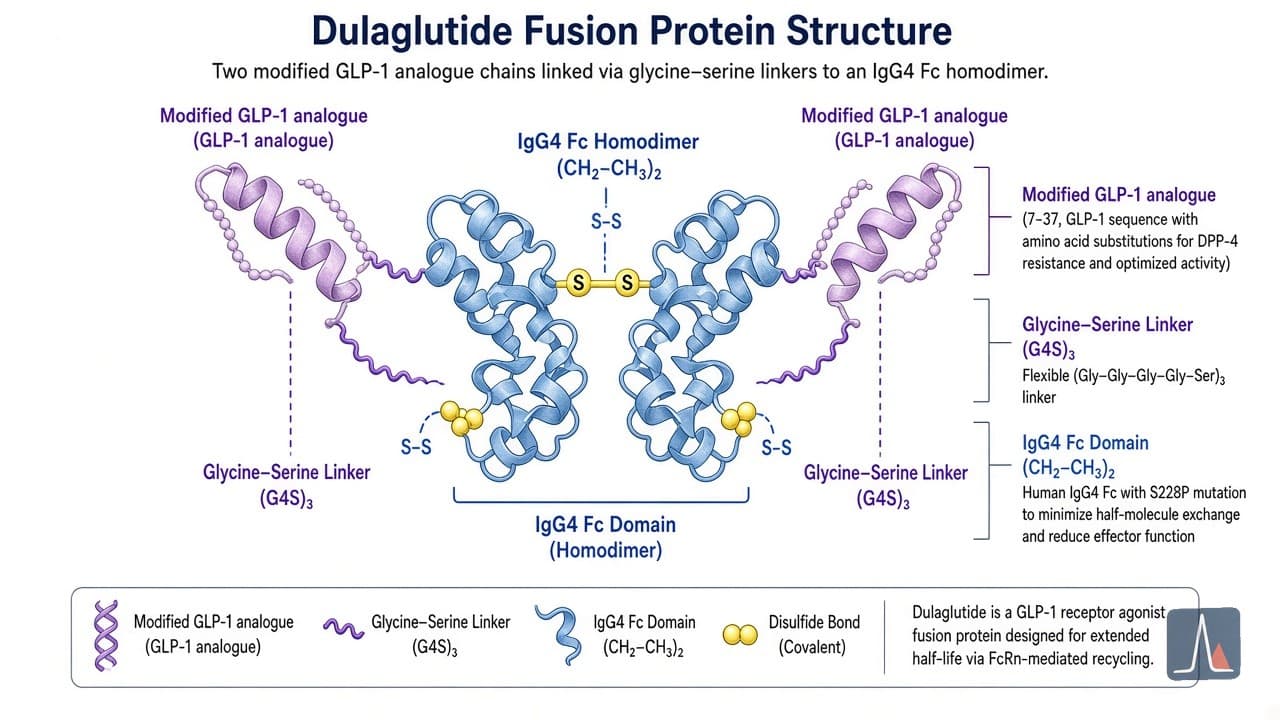
Dulaglutide is a recombinant Fc-fusion GLP-1 receptor agonist engineered for once-weekly administration in laboratory and clinical metabolic research. Randomised trials report glycaemic improvements, cardiovascular risk reduction and modest
Dulaglutide: GLP-1 Receptor Agonist in Metabolic Care
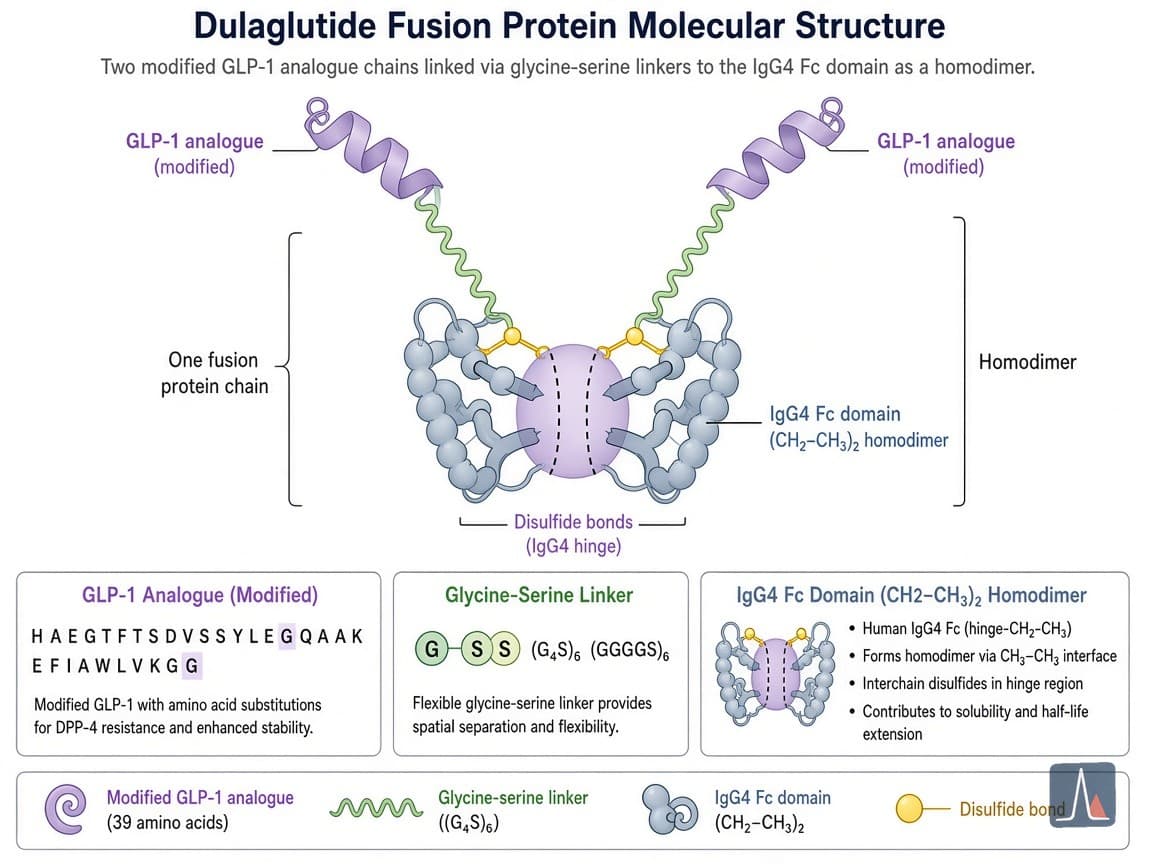
Dulaglutide is a recombinant fusion protein consisting of two identical modified human GLP-1(7–37) analogue chains covalently linked via flexible glycine-serine linkers to the Fc fragment of a modified human IgG4 heavy chain. This large ~63 kDa homodimeric molecule resists DPP-4 degradation and renal clearance, resulting in an approximately 5-day half-life suitable for once-weekly subcutaneous administration. It is discussed primarily in primary care, endocrinology, and cardiology settings for research into type 2 diabetes management, glycaemic control, modest weight reduction, and cardiovascular risk mitigation. Readers should carefully weigh with a clinician the predominant transient gastrointestinal adverse events (nausea, vomiting, diarrhoea), low intrinsic hypoglycaemia risk when used without insulin secretagogues, signals for acute pancreatitis and gallbladder disease, and the boxed warning for thyroid C-cell tumours observed in rodent carcinogenicity studies (contraindicated with personal or family history of medullary thyroid carcinoma or multiple endocrine neoplasia syndrome type 2). Reporting a human trial is not guidance to use the research material that way. All materials from Rierink Compounds are for laboratory research only and are not medicines.
Chemical Identity and Catalog Context
Dulaglutide (CAS 923950-08-7, LY2189265) is produced recombinantly in Chinese hamster ovary cells. Each monomer contains a GLP-1 analogue sequence (with Ala8Gly, Gly22Glu, and Arg36Gly substitutions for DPP-4 resistance, solubility, and reduced immunogenicity) fused to a modified IgG4 Fc domain that silences effector functions. The resulting structure maintains full GLP-1 receptor agonism while extending pharmacokinetics compared with native GLP-1. In laboratory contexts it serves as a tool for studying incretin biology, receptor signalling, and formulation stability. No direct link to dosing or therapeutic use in humans is provided here.
Foundational Discovery, Receptor Pharmacology, and In Vitro Mechanistic Studies
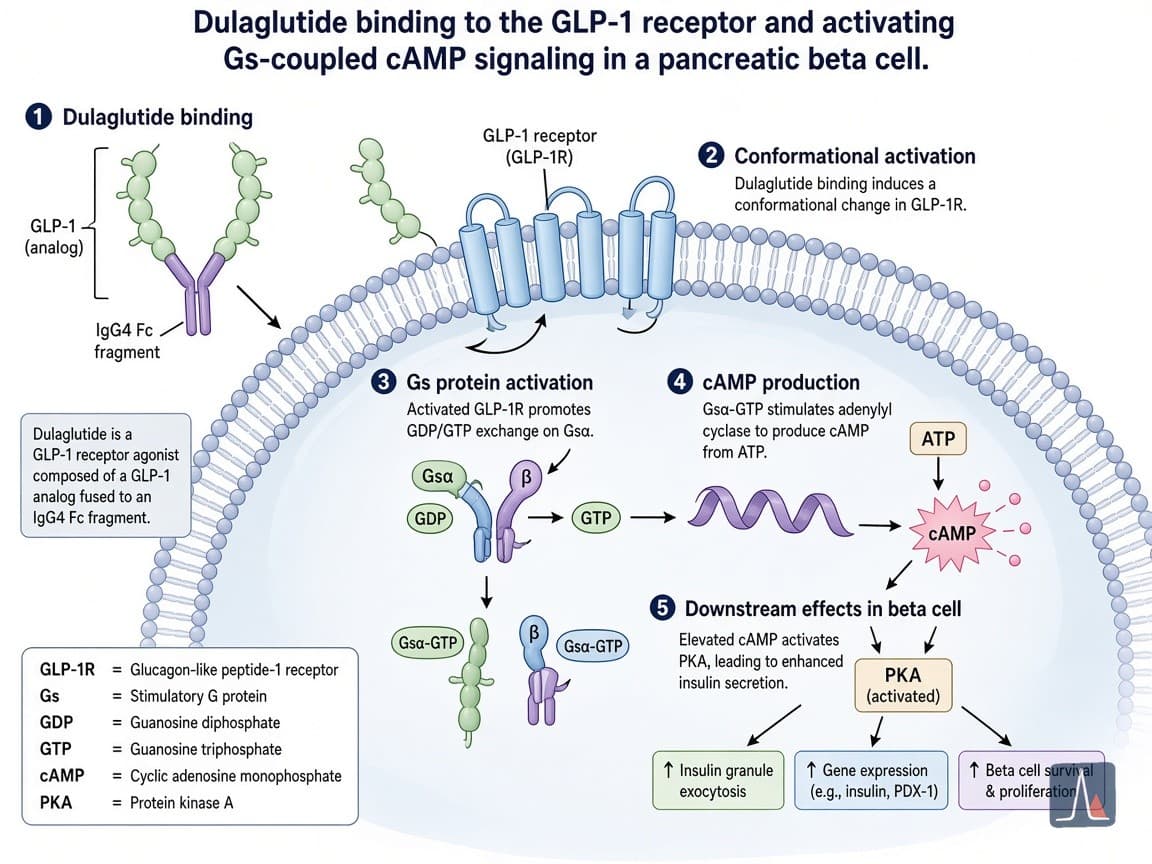
Early in vitro work established that dulaglutide retains nanomolar potency at the GLP-1 receptor, stimulates glucose-dependent cAMP accumulation in beta-cell lines, and elicits insulin secretion comparable to native GLP-1 in isolated human islets. Methodological papers characterised its resistance to DPP-4 cleavage and prolonged receptor activation kinetics relative to shorter-acting peptides. These studies used transfected cell lines, isolated rodent and human islets, and biophysical techniques such as surface plasmon resonance to map binding and downstream signalling via Gs-coupled adenylyl cyclase. Limitations include the artificial nature of overexpressed receptor systems and absence of full physiological context such as enteroendocrine cell interactions or chronic exposure effects.
Preclinical Animal Models of Metabolic Effects and Safety
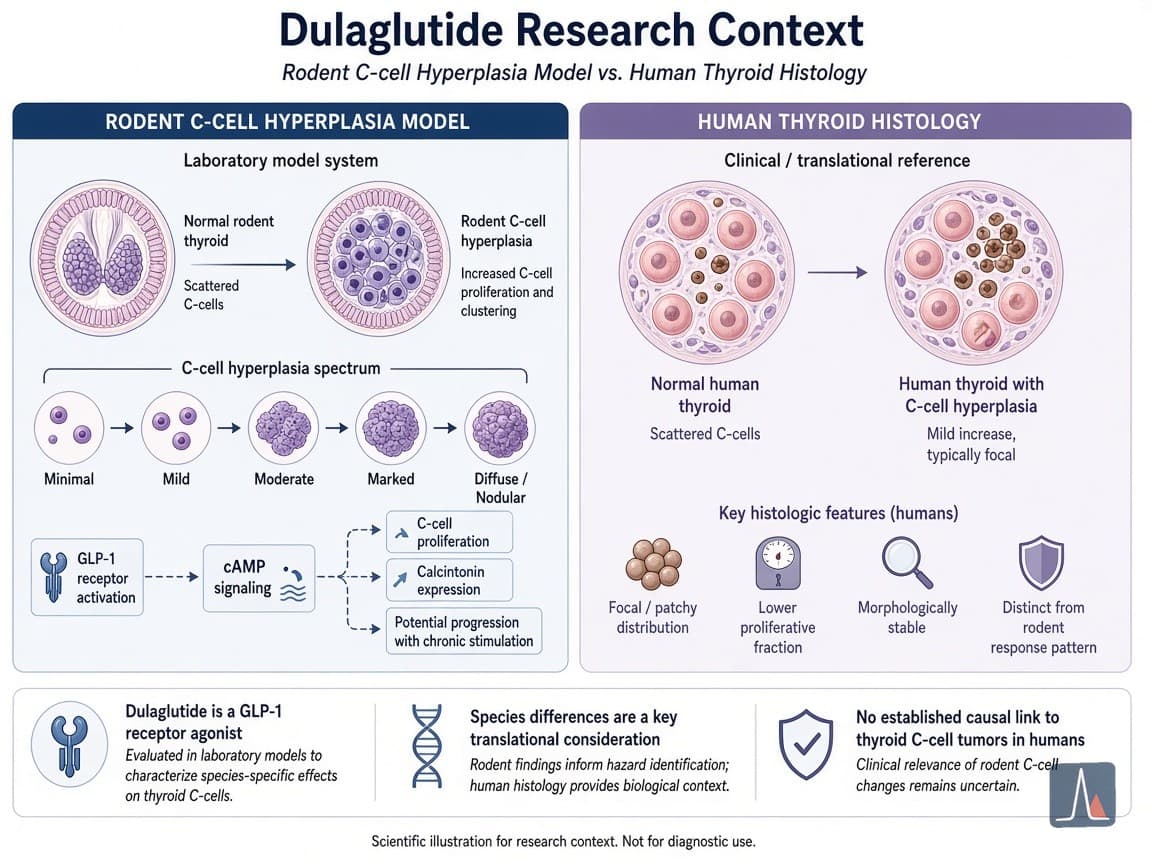
Rodent and nonhuman primate models demonstrated improved glucose tolerance, enhanced first- and second-phase insulin secretion, suppressed glucagon, delayed gastric emptying, and modest weight reduction after repeated dulaglutide administration. In diabetic db/db mice and diet-induced obese rats, the molecule lowered fasting and postprandial glucose and improved beta-cell function markers. Carcinogenicity studies in rats revealed dose-dependent C-cell hyperplasia, adenomas, and numerically increased carcinomas, prompting the class boxed warning; transgenic mice showed only minimal C-cell changes. Primate studies confirmed metabolic benefits without clear thyroid signals. Limitations of these models include species differences in C-cell biology (rodents are more sensitive), short study durations relative to human lifetime exposure, and the high doses used compared with clinical exposures. Theory based on rodent C-cell findings suggests possible but unproven relevance to long-term human thyroid risk.
AWARD Programme: Randomised Trials for Glycaemic Efficacy
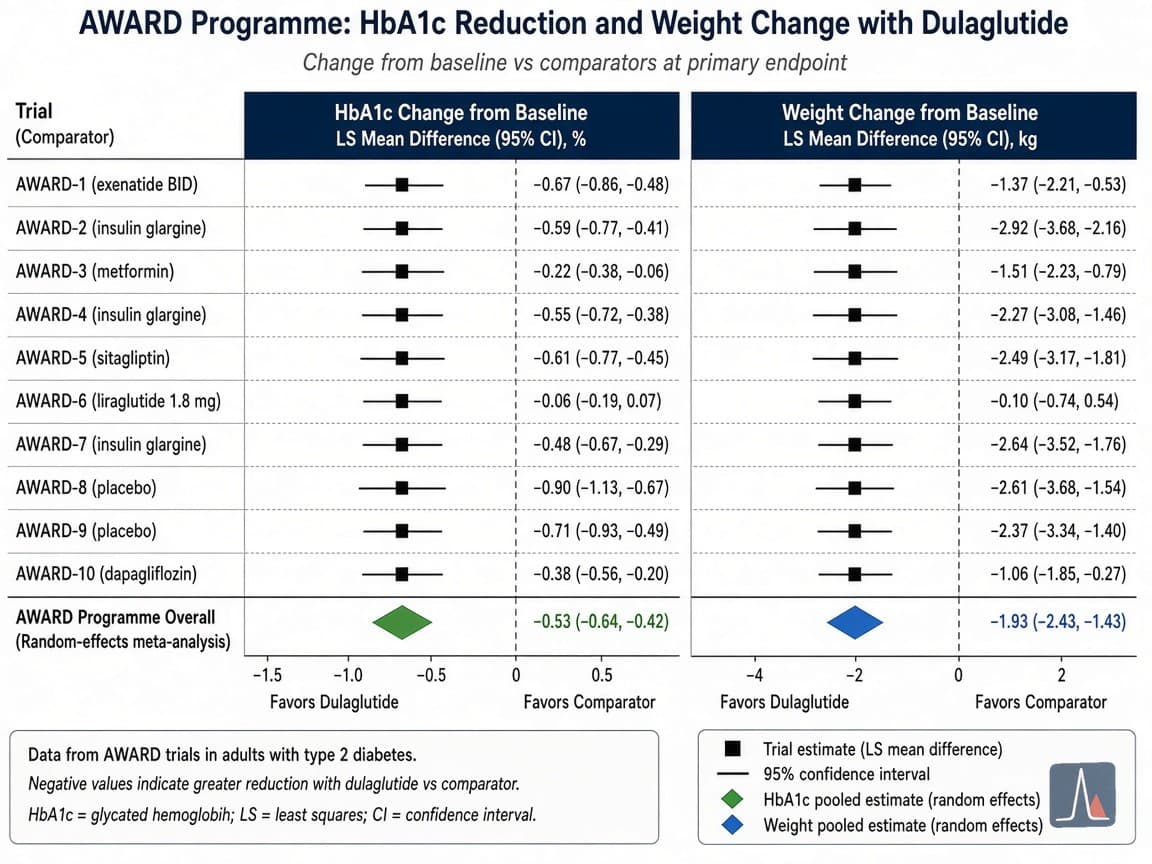
The AWARD series of phase 3 randomised controlled trials evaluated dulaglutide (0.75 mg and 1.5 mg weekly) as monotherapy or add-on therapy against placebo, metformin, sitagliptin, exenatide twice-daily, insulin glargine, and liraglutide in adults with type 2 diabetes. Dulaglutide consistently produced HbA1c reductions of 0.8–1.5 percentage points, with a greater proportion of patients reaching <7.0% targets than most active comparators (except liraglutide, where it was non-inferior). Modest weight loss (1–3 kg) or attenuation of weight gain was observed, with low rates of documented symptomatic hypoglycaemia when not combined with insulin or sulfonylureas. Gastrointestinal events were the most common adverse events, generally mild-to-moderate and transient. One meta-analysis of 21 randomised controlled trials (n=20,367) confirmed superior HbA1c lowering (–0.55% for 1.5 mg) and lower hypoglycaemia risk versus controls, with higher overall adverse event incidence driven by gastrointestinal symptoms. Limitations include relatively short durations (26–52 weeks in most), under-representation of certain ethnic groups, and industry sponsorship.
REWIND Cardiovascular Outcomes Trial and Broader Outcomes
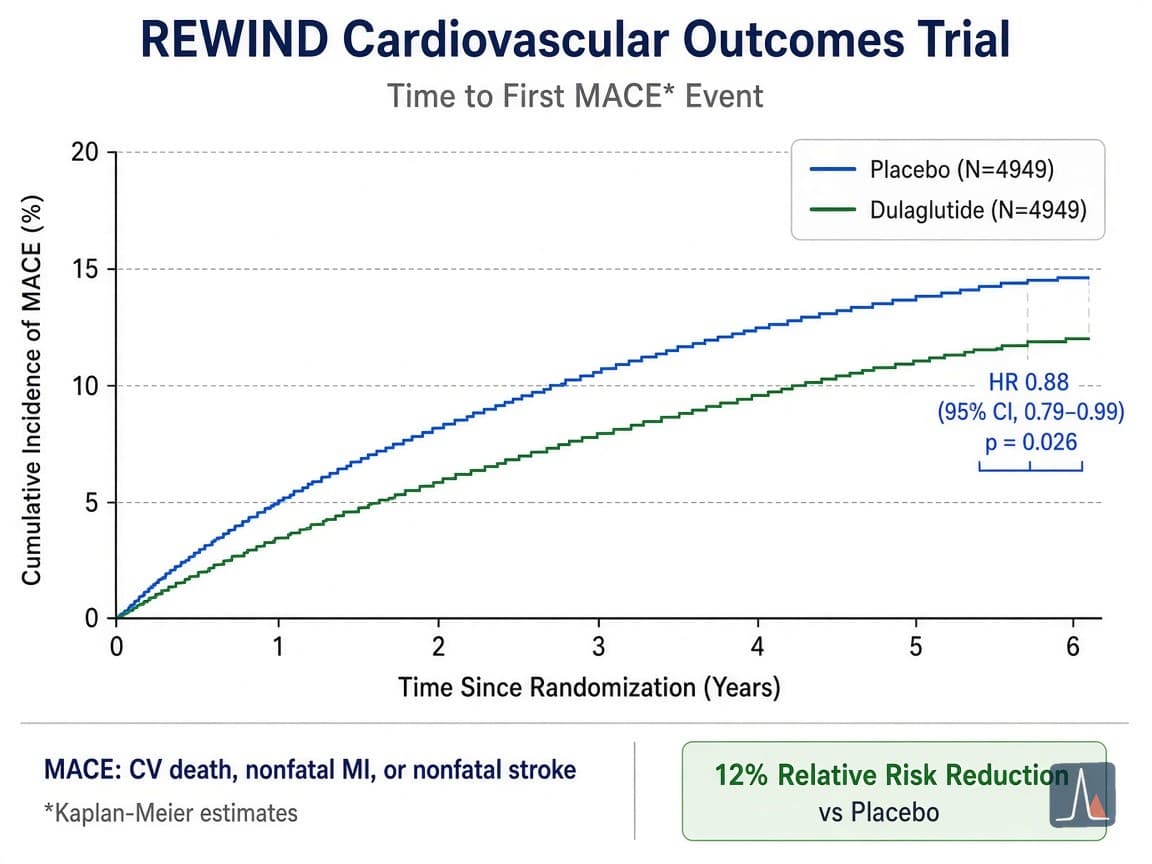
The REWIND trial (n=9,901, median follow-up 5.4 years) was a double-blind, randomised, placebo-controlled study in adults with type 2 diabetes with or without established cardiovascular disease (only 31% had prior CVD). Once-weekly dulaglutide 1.5 mg reduced the primary 3-point MACE endpoint (cardiovascular death, non-fatal myocardial infarction, non-fatal stroke) from 13.4% to 12.0% (HR 0.88, 95% CI 0.79–0.99; p=0.026), driven primarily by ischaemic stroke reduction (HR 0.76). Exploratory analyses suggested renal benefits (composite kidney outcome HR 0.85) and possible cognitive effects, though all-cause mortality was not significantly different. Gastrointestinal adverse events occurred in 47.4% of the dulaglutide arm versus 34.1% on placebo. Subsequent post-hoc and pooled analyses reinforced consistent effects across age, baseline risk, and concomitant therapies. Limitations include the relatively low-risk population, open-label extension data gaps, and potential detection bias for milder events. Recent 2025–2026 cohort studies found comparable cardiorenal protection to semaglutide and liraglutide in real-world type 2 diabetes populations.
Safety Profile, Tolerability, and Evidence Syntheses
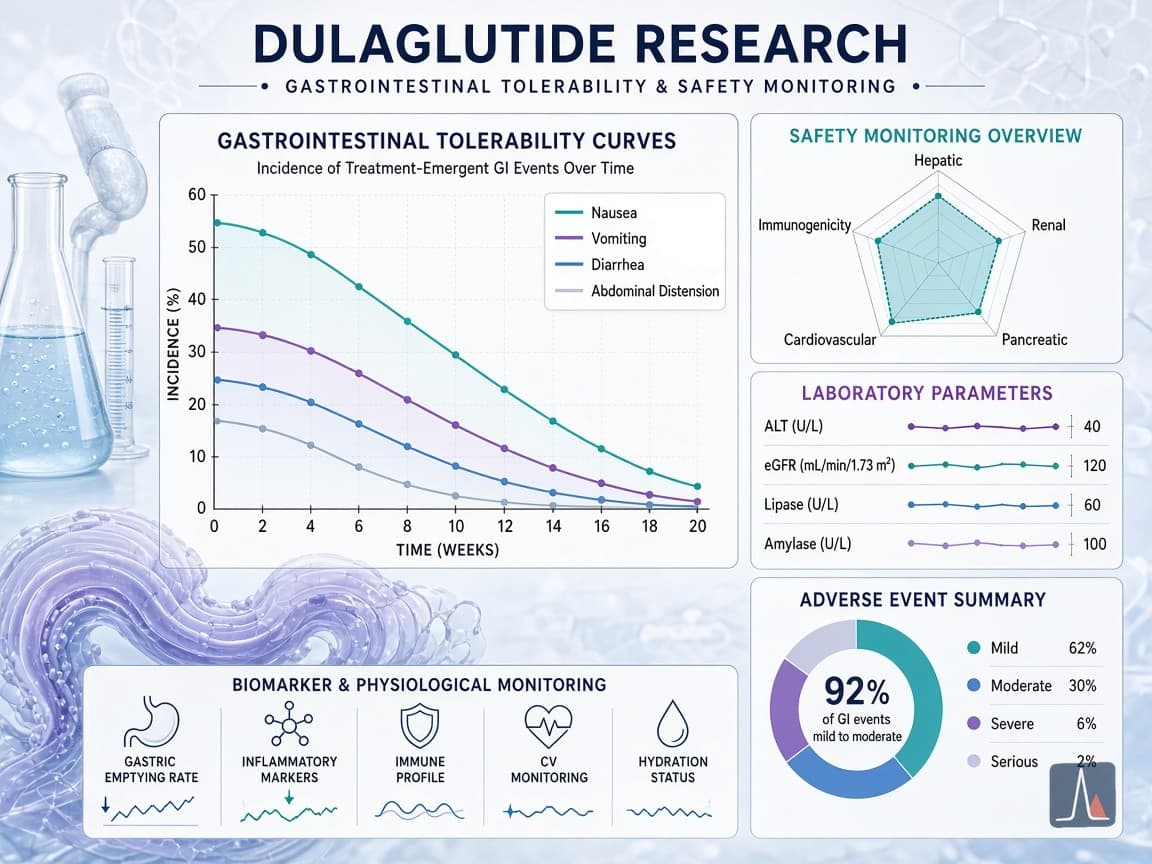
Pooled analyses from the AWARD programme and REWIND showed gastrointestinal events as the dominant tolerability issue, with nausea (12–21%), diarrhoea (13%), and vomiting (7–8%) most frequent; events were dose-dependent, peaked early, and led to discontinuation in ~1–6% of participants. Hypoglycaemia rates were low as monotherapy but increased with insulin secretagogues. Acute pancreatitis incidence was low (approximately 0.85 per 1,000 patient-years) and comparable to or lower than comparators in adjudicated data, though class-wide monitoring is advised. Gallbladder events and diabetic retinopathy complications showed small numerical increases in some trials, often linked to rapid glycaemic improvement. Thyroid C-cell tumour risk remains a theoretical concern extrapolated from rodent data; large human trials and meta-analyses have not demonstrated a clear increase in medullary thyroid carcinoma. Real-world evidence up to 2026 confirms similar gastrointestinal safety within the GLP-1RA class but higher serious gastrointestinal event rates than SGLT2 inhibitors. Systematic reviews and meta-analyses affirm favourable benefit-risk for glycaemic and cardiovascular outcomes while highlighting the need for individualised discussion of gastrointestinal tolerability and contraindications. Recurrent limitations across the literature include industry funding of pivotal trials, short follow-up relative to chronic disease duration, under-reporting of null or unfavourable outcomes in some observational datasets, and challenges distinguishing drug effects from background diabetes complications. Ongoing surveillance and comparative effectiveness studies continue to refine positioning relative to dual GIP/GLP-1 agonists.
Sources
- Gerstein HC, et al. Dulaglutide and cardiovascular outcomes in type 2 diabetes (REWIND): a double-blind, randomised placebo-controlled trial. Lancet. 2019;394(10193):121-130. doi:10.1016/S0140-6736(19)31149-3. PMID: 31189511.
- Qie S, et al. Efficacy and safety of long-acting glucagon-like peptide-1 receptor agonist dulaglutide in patients with type 2 diabetes: a systematic review and meta-analysis of 21 randomized controlled trials. Endocrine. 2020;68(3):508-517. doi:10.1007/s12020-020-02193-9. PMID: 31927749.
- Trujillo JM, et al. Safety and tolerability of once-weekly GLP-1 receptor agonists in type 2 diabetes. J Clin Pharm Ther. 2020;45 Suppl 1:43-60. doi:10.1111/jcpt.13225. PMC7540535.
- Jendle J, et al. Efficacy and Safety of Dulaglutide in the Treatment of Type 2 Diabetes: A Comprehensive Review of the Dulaglutide Clinical Data Focusing on the AWARD Phase 3 Clinical Trial Program. Diabetes Metab Res Rev. 2016;32(8):776-790. doi:10.1002/dmrr.2810.
- Additional supporting reviews and preclinical characterisation papers from PubMed and Europe PMC (2008–2026).
Laboratory researchers should interpret these findings in the context of controlled experimental systems and avoid extrapolation to human therapeutic use. All Rierink Compounds materials are intended solely for laboratory research.
More briefings
- Survodutide Dual Agonist: Preclinical and Clinical EvidenceThe open-catalog entry for survodutide describes a synthetic acylated 29-amino-acid peptide dual agonist of glucagon and GLP-1 receptors supplied as high-purity lyophilized powder for laboratory metabolic research. Randomised trials report
- Cagrilintide-Semaglutide Mixture: Open-Catalog Context and Metabolic Trial EvidenceThe open-catalog cagrilintide-semaglutide mixture supplies a research pairing of an amylin receptor agonist and GLP-1 receptor agonist for laboratory metabolic studies. Randomised trials of co-administration report enhanced weight loss (13–
- Pinealon Catalog Entry: The Single Defined Tripeptide CompoundThe catalog lists Pinealon at /compounds/pinealon as the single synthetic tripeptide Glu-Asp-Arg (EDR), a chemically defined research compound supplied as one discrete molecular entity distinct from tissue extracts or peptide mixtures, with
All information and products discussed are for laboratory and research use only. Not for human or veterinary use. Not intended to diagnose, treat, cure, or prevent any disease.