
29 October 2026
Published Reports on VIP
Download PDF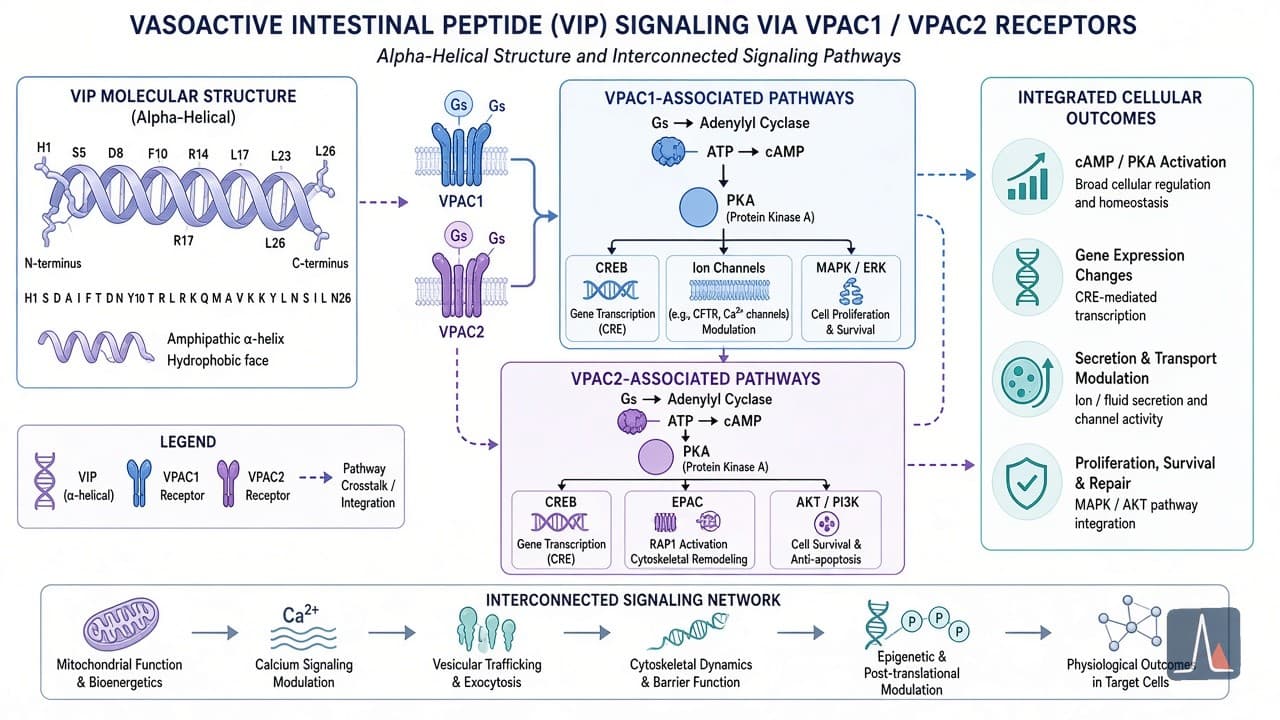
Published reports characterize VIP (vasoactive intestinal peptide; synthetic form aviptadil) as a 28-amino-acid neuropeptide acting via VPAC1/VPAC2 receptors to mediate vasodilation, bronchodilation, and potent anti-inflammatory/immunomodul
Published reports characterize vasoactive intestinal peptide (VIP), also referred to as vasoactive intestinal polypeptide or aviptadil in synthetic form, as an endogenous 28-amino-acid neuropeptide belonging to the secretin/glucagon family. First isolated from porcine duodenum in 1970, VIP functions as a neuromodulator, vasodilator, bronchodilator, and pleiotropic immunomodulator. It signals primarily through the VPAC1 and VPAC2 G-protein-coupled receptors (with lower affinity for PAC1), elevating intracellular cAMP to suppress pro-inflammatory cytokines such as TNF-α, IL-6, and IL-12 while promoting IL-10, regulatory T cells (Tregs), and tissue-protective pathways. VIP is provided strictly for laboratory research only and is not a medicine. Reporting published human studies or trials is not guidance to use any research material.
Chemical Identity and Catalog Context
VIP is a linear 28-residue peptide (sequence: HSDAVFTDNYTRLRKQMAVKKYLNSILN-NH₂) with an amidated C-terminus and regions that adopt α-helical conformation in membrane-mimetic environments. It is rapidly degraded in plasma (half-life approximately one minute) by peptidases including neutral endopeptidase and dipeptidyl peptidase IV. Synthetic aviptadil is chemically identical to the human sequence. Research literature spans receptor pharmacology, immune cell signaling, animal disease models, physiological infusion studies, and selected interventional trials. No standalone VIP product is approved by major regulators for broad therapeutic use; a VIP/phentolamine combination has marketing authorisation in certain European countries for erectile dysfunction, and orphan designations have existed for pulmonary indications. All material discussed is for laboratory research only.
Foundational Discovery, Receptor Pharmacology, and In Vitro Mechanistic Studies (in_vitro and method papers, 1970–2020s)
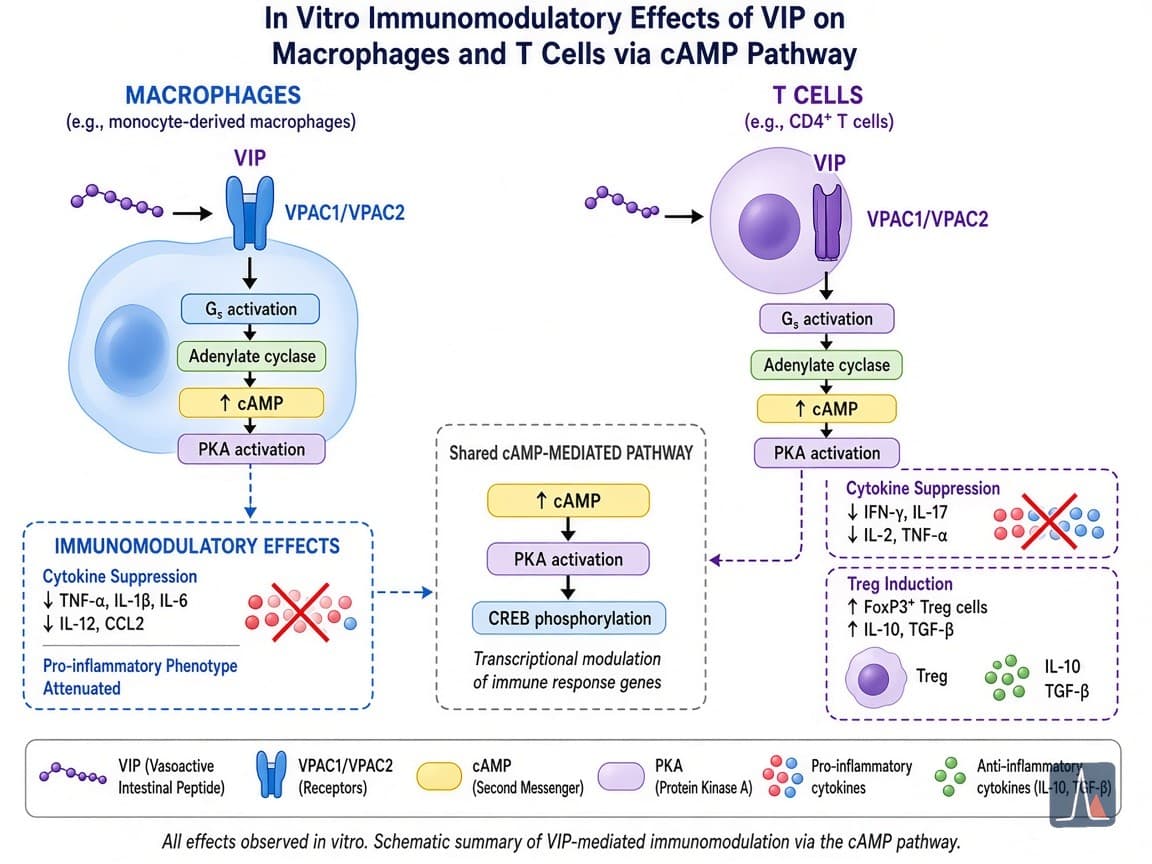
VIP was isolated and sequenced in 1970 by Said and Mutt during a search for vasoactive factors in intestinal extracts. Subsequent cloning identified VPAC1 and VPAC2 as its primary receptors; both couple to Gs and adenylyl cyclase, increasing cAMP and activating PKA, while also modulating MAPK, NF-κB, and other pathways. In vitro studies on isolated macrophages, dendritic cells, and T lymphocytes demonstrate that VIP inhibits LPS- or cytokine-induced TNF-α, IL-6, IL-12, and iNOS expression while upregulating IL-10 and TGF-β. VIP promotes differentiation of naïve CD4+ T cells toward FoxP3+ Tregs and inhibits Th1/Th17 polarisation. Additional in vitro work shows stimulation of surfactant protein expression in alveolar type II cells, relaxation of vascular and airway smooth muscle, and modulation of epithelial secretion. Structure-activity relationship (SAR) studies identified key residues (particularly in the N-terminal and central helical regions) required for receptor activation and have guided development of metabolically stable analogs and selective VPAC2 agonists explored for metabolic indications. Method papers detail radioligand binding assays, cAMP accumulation, and flow-cytometric Treg induction protocols used across species. These foundational experiments established VIP as a macrophage-deactivating and immune-balancing peptide but also highlighted its short half-life and species differences in receptor pharmacology.
Preclinical Animal Models of Inflammation, Pulmonary Disease, Autoimmunity, and Neuroprotection (animal papers, 1980s–2026)
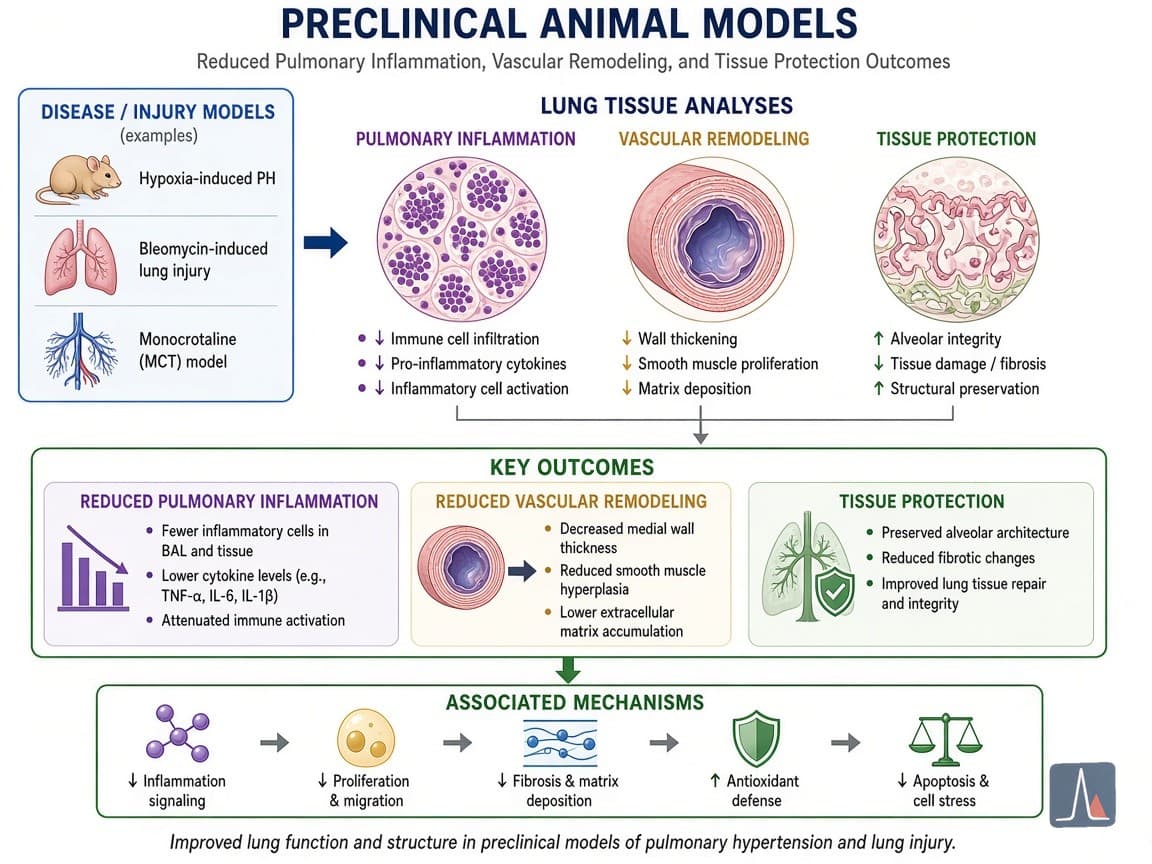
Rodent and larger-animal models have repeatedly shown protective effects. VIP-knockout or VPAC-receptor-deficient mice develop spontaneous pulmonary arterial hypertension (PAH)-like phenotypes, exaggerated inflammation, or worsened colitis. Exogenous VIP or stable analogs attenuate lipopolysaccharide-induced acute lung injury, reduce pulmonary vascular remodeling in monocrotaline or hypoxia models of PAH, decrease clinical scores in experimental autoimmune encephalomyelitis (EAE, a model of multiple sclerosis), and ameliorate dextran-sulfate-sodium or TNBS colitis. In sepsis models (cecal ligation and puncture or endotoxin), results are context-dependent: early VIP administration can reduce cytokine storm and improve survival in some studies, yet other reports note impaired bacterial clearance or increased mortality when given after established infection, suggesting a tolerance-versus-clearance trade-off. Neuroprotection has been reported in Alzheimer and Parkinson models, with reduced microglial activation, lower Aβ accumulation, and preserved dopaminergic neurons. Metabolic models show improved glucose-stimulated insulin secretion via VPAC2 and modest effects on body weight. Delivery innovations such as liposomal encapsulation, nanoparticles, or inhaled aerosols have been used to overcome rapid degradation. While consistent anti-inflammatory and cytoprotective signals appear across models, translation is limited by dosing regimens not feasible in humans and by the absence of long-term functional outcome data in chronic disease settings. Null or unfavorable findings include lack of sustained hemodynamic benefit in some chronic PAH models and potential for excessive immunosuppression.
Human Physiological, Headache-Provocation, and Early Therapeutic Studies (clinical pharmacology papers, 1983–2015)
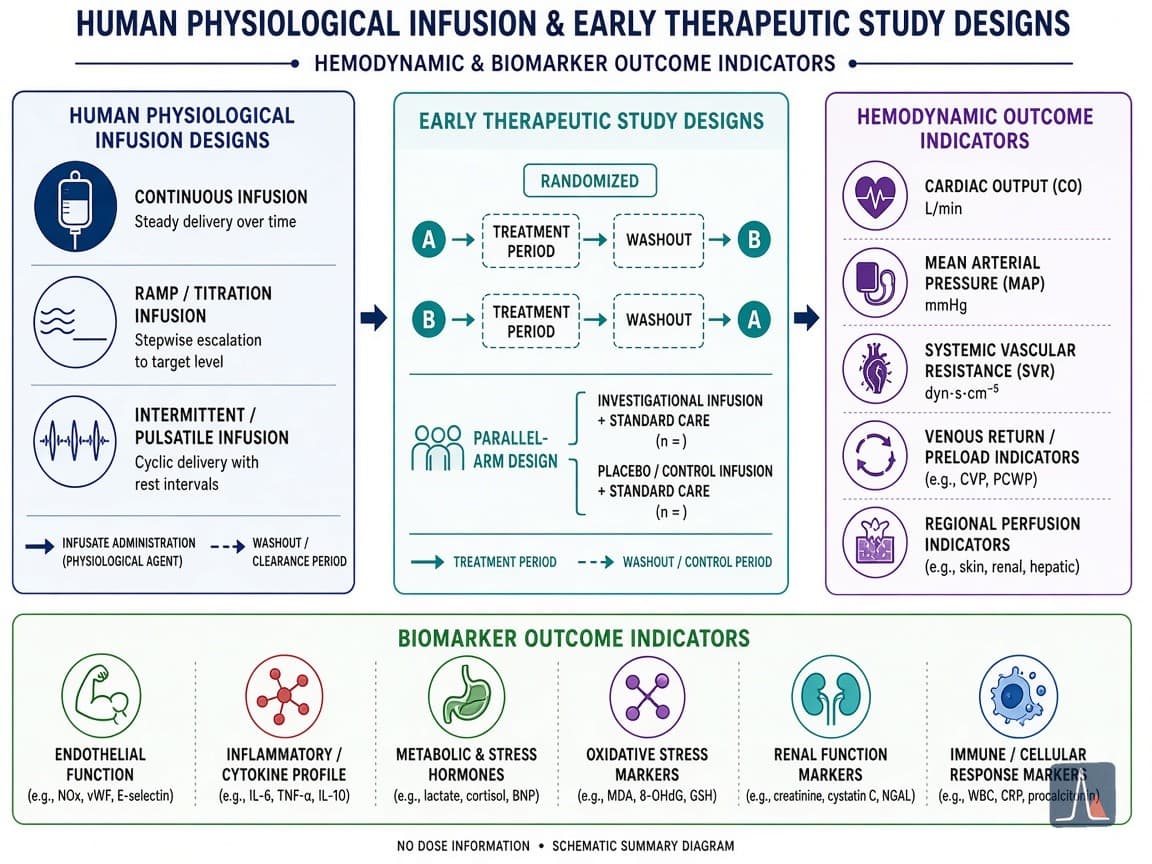
Intravenous VIP infusions in healthy volunteers and patients produce dose-dependent vasodilation, facial flushing, and increases in heart rate. Danish Headache Center studies (2010s–2020s) demonstrated that prolonged VIP infusion induces delayed migraine-like headache in a majority of migraine-without-aura patients (approximately 65–75 %) accompanied by cranial vasodilation measurable by MRI or ultrasound; effects were less potent than those of PACAP-38. Early asthma studies (1983) reported modest bronchodilation and protection against histamine-induced bronchoconstriction with intravenous VIP, though systemic side effects were prominent. Small open-label or pilot trials of inhaled VIP in pulmonary arterial hypertension (Petkov 2003, n=8; subsequent studies) reported acute reductions in mean pulmonary artery pressure and improved cardiac output without major systemic hypotension. A 2010 open-label phase II study (Prasse et al., n=20 patients with active sarcoidosis) administered nebulised VIP for four weeks and reported statistically significant reductions in TNF-α production by bronchoalveolar lavage (BAL) macrophages together with increased numbers of CD4+CD25+FoxP3+ regulatory T cells in BAL fluid; the treatment was described as safe and well tolerated. These physiological and pilot studies provided proof-of-concept for immunomodulation and pulmonary vasodilation but were limited by small sample sizes, lack of blinding, short duration, and absence of hard clinical endpoints.
Randomised Trials in Erectile Dysfunction, Sarcoidosis Follow-Up, and Critical COVID-19 Respiratory Failure (clinical trial papers, 1999–2023)
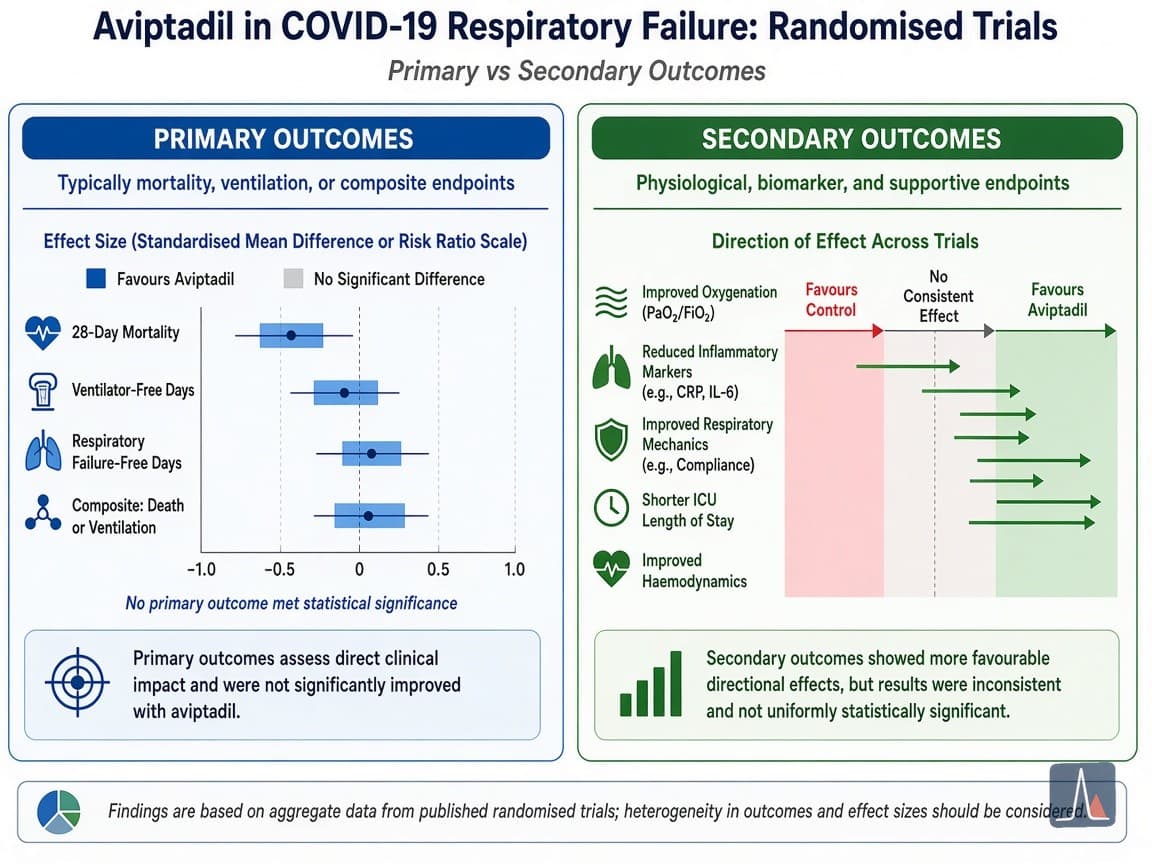
A double-blind, placebo-controlled randomised trial of intracavernosal VIP combined with phentolamine (Invicorp) in men with erectile dysfunction demonstrated response rates of approximately 70–80 % versus 10–12 % for placebo, with lower incidence of priapism or penile pain than prostaglandin E1. The combination received marketing authorisation in selected European countries. Follow-up studies and pooled analyses confirmed durability and tolerability. The sarcoidosis inhaled-VIP signal was not followed by large randomised confirmation. In critical COVID-19, two major randomised placebo-controlled trials of intravenous aviptadil were conducted. The sponsor-led trial (Youssef et al. 2022, n=196 patients with respiratory failure) missed the primary endpoint of being alive and free of respiratory failure at day 60 (odds ratio 1.6, 95 % CI 0.86–3.11) but reported a prespecified secondary survival benefit at day 60 (OR 2.0, 95 % CI 1.1–3.9). The larger independent NIH-sponsored TESICO/ACTIV-3b trial (Brown et al. 2023, approximately 460 patients receiving aviptadil or placebo) was stopped by the data safety monitoring board for futility. There was no difference in the primary ordinal outcome at day 90 (OR 1.11, 95 % CI 0.80–1.55) or in 90-day mortality (38 % vs 36 %). Excess hypotension (58 % vs 41 %) and diarrhea (40 % vs 11 %) were observed in the aviptadil arm. A subsequent meta-analysis of the two trials found no survival benefit (OR approximately 1.01). These trials illustrate the gap between promising early physiological and biomarker data and results in large, rigorously controlled settings. Reporting of these trials does not constitute guidance for use of research materials.
Recent Syntheses, Formulation Advances, Analog Development, and Recurrent Limitations (review papers, 2010–2026)
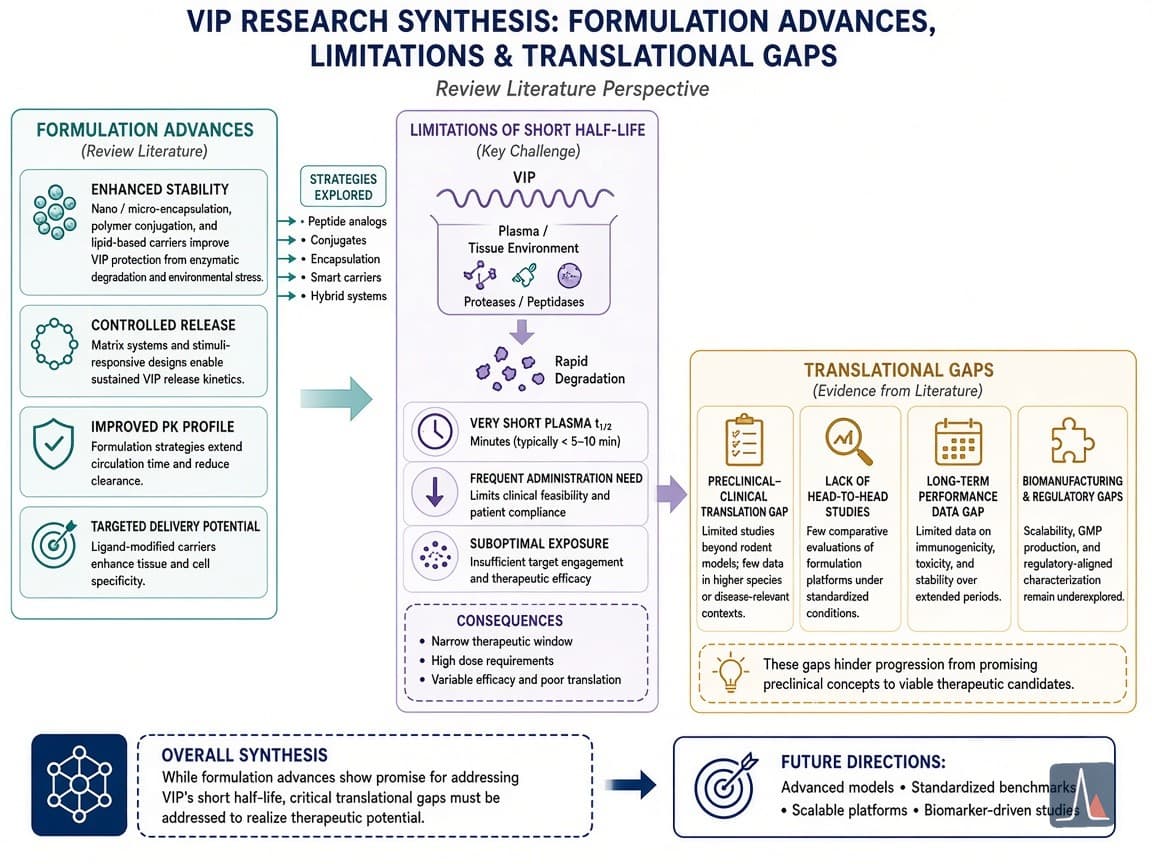
Multiple reviews (2011–2026) synthesise VIP’s role in cardiopulmonary disease, autoimmune conditions, sepsis, and gastrointestinal physiology. They highlight consistent preclinical anti-inflammatory activity mediated by VPAC1 on innate cells and VPAC2 on adaptive immunity, yet emphasise pharmacokinetic barriers. Stable analogs, VPAC2-selective agonists, stapled peptides, liposomal formulations, nanoparticles, and inhaled aerosols have been developed to extend half-life and improve tissue targeting. Reviews on sepsis note the dual role of VIP in dampening excessive inflammation while potentially permitting pathogen persistence. Systematic reviews of COVID-19 data conclude that intravenous aviptadil did not improve clinically meaningful outcomes in critically ill patients. Regulatory assessments place standalone VIP in categories under evaluation; it lacks broad approval. Recurrent limitations across the literature include very short systemic half-life, dose-limiting hypotension and gastrointestinal side effects with intravenous administration, small size or open-label design of many positive early studies, species differences in receptor pharmacology, and the absence of large, long-term randomised trials confirming disease-modifying benefit in chronic inflammatory or pulmonary conditions. Future laboratory research may focus on next-generation analogs, receptor-subtype-selective tools, and advanced delivery systems.
Evidence Context and Recurrent Limitations
The body of published evidence on VIP is characterised by robust mechanistic and preclinical support for immunomodulatory and cytoprotective actions contrasted with challenging clinical translation. Positive randomised data exist for the VIP/phentolamine combination in erectile dysfunction. Biomarker-level immunoregulation was observed in an open inhaled sarcoidosis study. Large independent randomised trials of intravenous aviptadil in critical COVID-19 respiratory failure were negative on primary recovery and survival endpoints. Physiological infusion studies confirm VIP’s ability to provoke migraine-like headache, supporting its role in cranial vasodilation research. Overall, the literature underscores the need for improved stability, targeted delivery, and adequately powered long-term trials. All findings refer to published research and do not imply properties of laboratory research materials. Materials on this site are for laboratory research only.
Sources
- Said SI, Mutt V. Polypeptide with broad biological activity: isolation from small intestine. Science. 1970. DOI: 10.1126/science.169.3951.1217.
- Prasse A et al. Inhaled vasoactive intestinal peptide exerts immunoregulatory effects in sarcoidosis. Am J Respir Crit Care Med. 2010. PMID: 20442436. DOI: 10.1164/rccm.200909-1451OC.
- Youssef JG et al. The Use of IV Vasoactive Intestinal Peptide (Aviptadil) in Patients With Critical COVID-19 Respiratory Failure: Results of a 60-Day Randomized Controlled Trial. Crit Care Med. 2022. PMID: 36044317.
- Brown SM et al. Intravenous aviptadil and remdesivir for treatment of COVID-19-associated hypoxaemic respiratory failure in the USA (TESICO): a randomised, placebo-controlled trial. Lancet Respir Med. 2023. PMID: 37348524. DOI: 10.1016/S2213-2600(23)00147-9.
- Reviews: Delgado M et al. (multiple 2000s–2010s on immune functions); Wu D. Prospect of vasoactive intestinal peptide therapy for COPD/PAH and asthma. Respir Res. 2011. PMID: 21477377; Martínez C et al. A Clinical Approach for the Use of VIP Axis in Inflammatory and Autoimmune Diseases. Int J Mol Sci. 2020. PMID: 31861827; Zhong HL et al. The role of vasoactive intestinal peptide in pulmonary diseases. Life Sci. 2023. DOI: 10.1016/j.lfs.2023.122121; historical sepsis review (2026).
Additional primary literature available via PubMed and Europe PMC (search terms: "vasoactive intestinal peptide" OR aviptadil OR VIP AND (receptor OR immunomodulation OR sarcoidosis OR "pulmonary hypertension" OR COVID OR migraine).
Sources
- Inhaled vasoactive intestinal peptide exerts immunoregulatory effects in sarcoidosis, 2010. https://doi.org/10.1164/rccm.200909-1451OC
- The effects of a long-lasting infusion of vasoactive intestinal peptide (VIP) in episodic migraine patients, 2020-2021. https://clinicaltrials.gov (Danish Headache Center protocols)
- Intravenous aviptadil and remdesivir for treatment of COVID-19-associated hypoxaemic respiratory failure in the USA (TESICO), 2023. https://doi.org/10.1016/S2213-2600(23)00147-9
- Prospect of vasoactive intestinal peptide therapy for COPD/PAH and asthma: a review, 2011. https://doi.org/10.1186/1465-9921-12-45
- A Clinical Approach for the Use of VIP Axis in Inflammatory and Autoimmune Diseases, 2020. https://doi.org/10.3390/ijms21010065
More briefings
- Survodutide Dual Agonist: Preclinical and Clinical EvidenceThe open-catalog entry for survodutide describes a synthetic acylated 29-amino-acid peptide dual agonist of glucagon and GLP-1 receptors supplied as high-purity lyophilized powder for laboratory metabolic research. Randomised trials report
- Dulaglutide: GLP-1 Receptor Agonist in Metabolic CareDulaglutide is a recombinant Fc-fusion GLP-1 receptor agonist engineered for once-weekly administration in laboratory and clinical metabolic research. Randomised trials report glycaemic improvements, cardiovascular risk reduction and modest
- Cagrilintide-Semaglutide Mixture: Open-Catalog Context and Metabolic Trial EvidenceThe open-catalog cagrilintide-semaglutide mixture supplies a research pairing of an amylin receptor agonist and GLP-1 receptor agonist for laboratory metabolic studies. Randomised trials of co-administration report enhanced weight loss (13–
All information and products discussed are for laboratory and research use only. Not for human or veterinary use. Not intended to diagnose, treat, cure, or prevent any disease.