
26 October 2026
Published Reports on Tirzepatide
Download PDF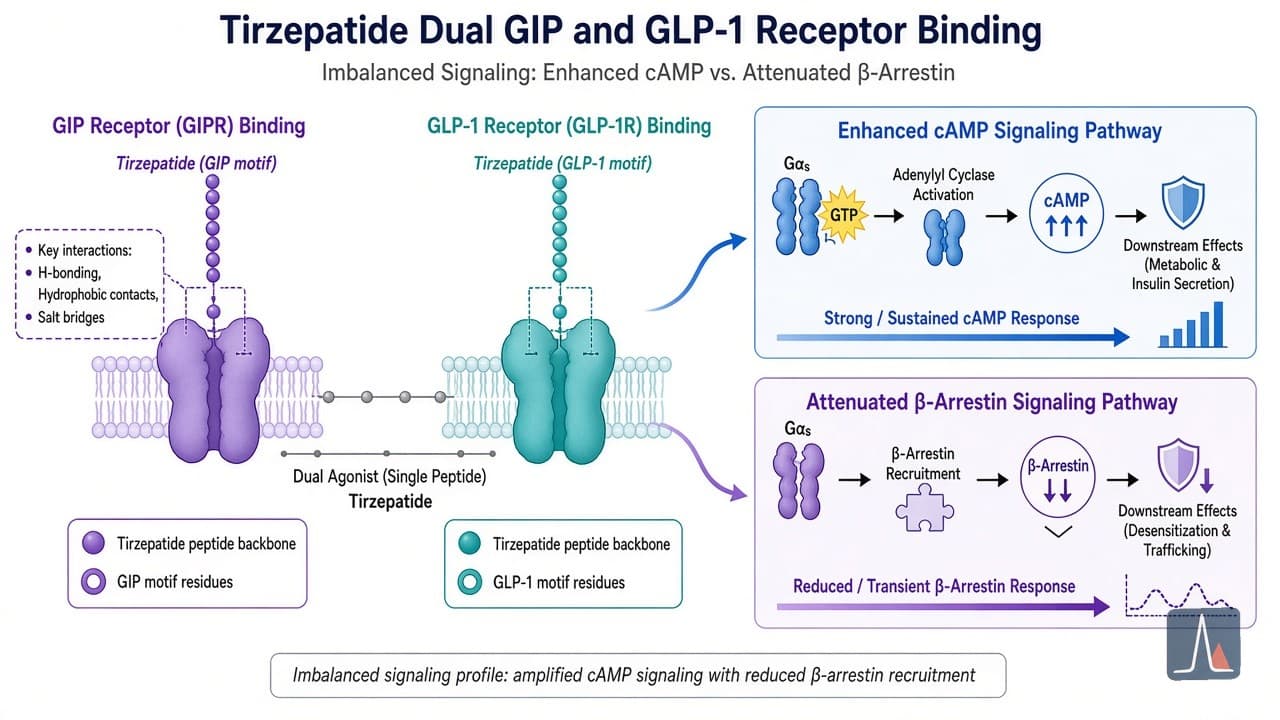
Indexed preclinical and clinical papers describe tirzepatide as a dual GIP/GLP-1 receptor agonist studied for glycemic and weight-related readouts. Reports document substantial reductions in HbA1c (up to 2.6%) and body weight (15-21% in key
Indexed preclinical and clinical papers describe tirzepatide (LY3298176) as a unimolecular dual agonist of the glucose-dependent insulinotropic polypeptide (GIP) and glucagon-like peptide-1 (GLP-1) receptors. It is studied primarily for glycemic control, weight loss, insulin sensitivity, and cardiometabolic and organ-protection outcomes in models of type 2 diabetes and obesity. These records are distinct from single-incretin (e.g. semaglutide, liraglutide, dulaglutide), GHRH-analog (tesamorelin), and mitochondrial-peptide (MOTS-c, SS-31) literature already briefed.
Tirzepatide is for laboratory research only. Reporting of these published human trials does not constitute guidance to administer the research material that way.
Chemical Identity and Catalog Context
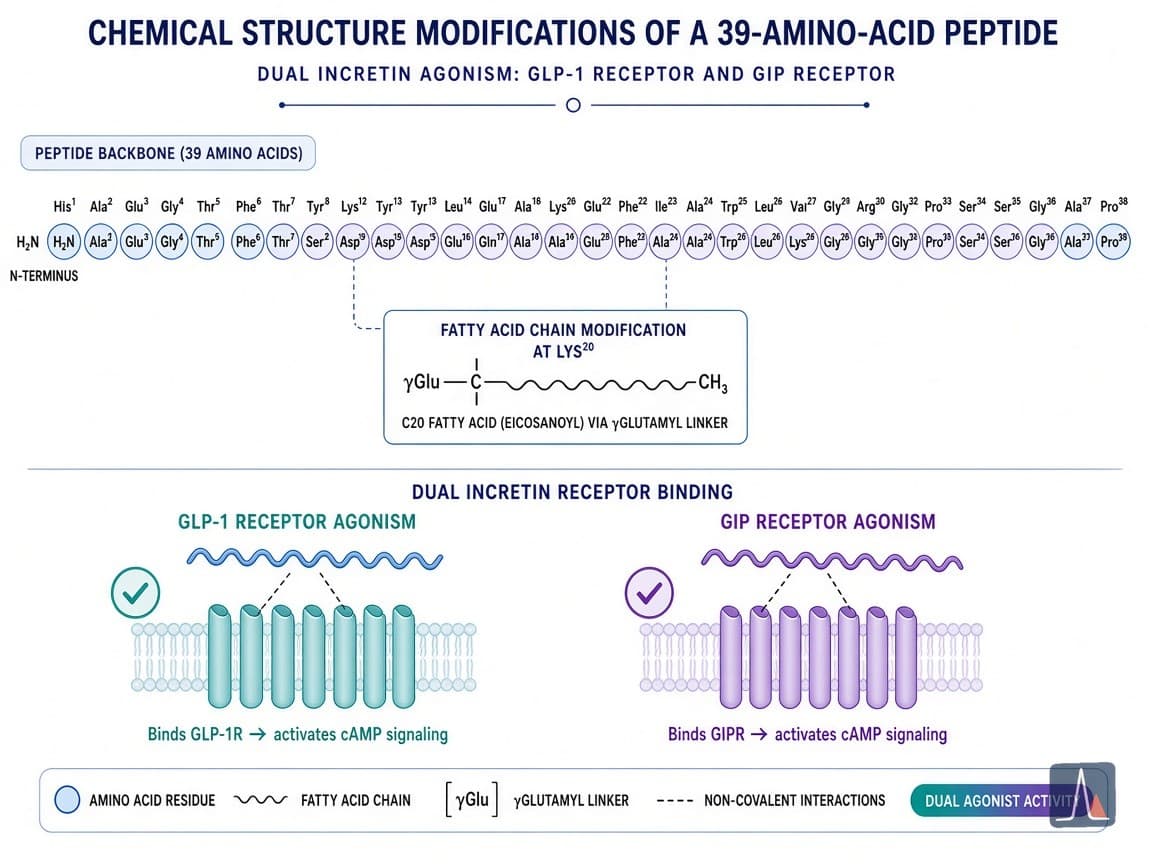
Tirzepatide is a synthetic 39-amino-acid linear peptide based on the GIP sequence. Key modifications include α-aminoisobutyric acid (Aib) substitutions at positions 2 and 13 for DPP-4 resistance, a C20 fatty diacid moiety attached via a γ-glutamic acid and two 8-amino-3,6-dioxaoctanoic acid (OEG) linker units to lysine 20 to promote albumin binding and once-weekly pharmacokinetics (half-life ~5 days), and C-terminal amidation. Molecular weight is approximately 4813 Da.
In vitro and structural studies establish it as an imbalanced agonist with near-native potency at the GIPR but ~5-fold reduced affinity/potency at the GLP-1R, coupled with biased signaling at the latter (preferential cAMP generation over β-arrestin recruitment and reduced receptor internalization). In the Rierink catalog context, Tirzepatide is offered as a research compound for laboratory investigation of dual-incretin receptor pharmacology and metabolic signaling. It is distinct from catalogued single-incretin, triple-agonist, GHRH-analog, or mitochondrial-derived peptides.
Foundational Discovery and In Vitro Dual Receptor Pharmacology Studies (in_vitro and method papers, 2018–2022)
The foundational discovery paper (Coskun et al., 2018) described engineering of GLP-1 activity into the GIP sequence to create LY3298176. Subsequent detailed pharmacological characterization (Willard et al., JCI Insight, 2020, doi:10.1172/jci.insight.140532) in HEK293 cells stably expressing human receptors demonstrated that tirzepatide has binding affinity and cAMP potency at the GIPR comparable to native GIP(1-42), but approximately five-fold weaker affinity and biased agonism at the GLP-1R. Bias favored Gs-cAMP signaling over β-arrestin-1 recruitment and produced less receptor internalization than native GLP-1. Occupancy modeling suggested clinical doses engage GIPR to a substantially greater degree than GLP-1R.
Cryo-EM and molecular dynamics studies (Zhao et al., Nat Commun, 2022; related PNAS 2022 papers) elucidated the structural basis: the lipid modification and specific sequence elements (including N-terminal tyrosine) enable receptor-specific interactions and conformational flexibility that underpin the imbalanced and biased profile. Islet and cell-based method papers confirmed enhanced glucose-dependent insulin secretion via both receptors and modulation of downstream metabolic pathways. These in vitro findings provided the mechanistic rationale for pursuing the molecule in metabolic-disease models. Limitations of these studies include reliance on recombinant overexpression systems that may not fully recapitulate native receptor density, trafficking, or heterodimerization in human tissues.
Preclinical Animal Models of Obesity, Insulin Sensitivity, and Organ Protection (animal papers, 2018–2026)
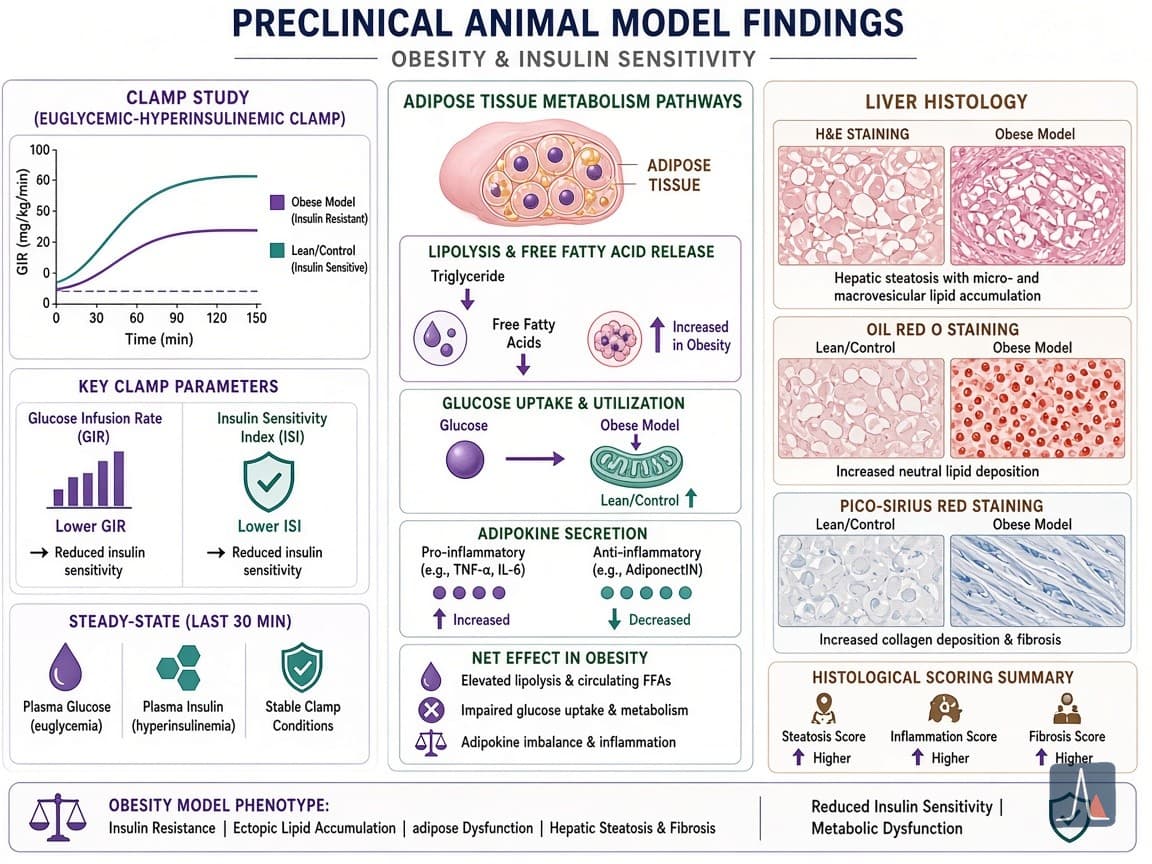
In diet-induced obese (DIO) mice, tirzepatide produced greater reductions in body weight, food intake, and fat mass than selective GLP-1R agonists at matched weight loss. Hyperinsulinemic-euglycemic clamp studies (Samms et al., J Clin Invest, 2021, doi:10.1172/JCI146353) demonstrated improved systemic insulin sensitivity, with a weight-independent component mediated by GIPR agonism. This involved enhanced glucose disposal in white adipose tissue and upregulation of genes involved in glucose, lipid, and branched-chain amino acid catabolism in brown adipose tissue. GIPR knockout or selective antagonist studies confirmed the contribution of GIPR signaling.
In leptin-receptor-deficient db/db mice, tirzepatide improved β-cell gene expression, insulin granule density, glucose-stimulated insulin secretion, and reduced hepatic steatosis and inflammation to a greater extent than semaglutide in head-to-head comparisons (Iwamoto et al., 2024). Additional preclinical reports documented favorable effects on energy expenditure, adipose tissue macrophage polarization, reversal of brown-adipose-tissue dysfunction in estrogen-deficient obese diabetic models, reductions in liver fat in MASH-like models, and signals of cardioprotection and neuroprotection. Benefits were observed on both weight-dependent and direct receptor-mediated pathways.
While consistently favorable for metabolic readouts, these animal studies have limitations including translation from rodent to human physiology (differences in GIPR expression and incretin biology), short durations relative to chronic human disease, and predominant use of young male animals. Null or context-limited results in some models highlighted that maximal efficacy requires both receptors and is attenuated by receptor desensitization or genetic knockout.
Pivotal Randomised Clinical Trials in Type 2 Diabetes (SURPASS program, clinical trials, 2021–2025)
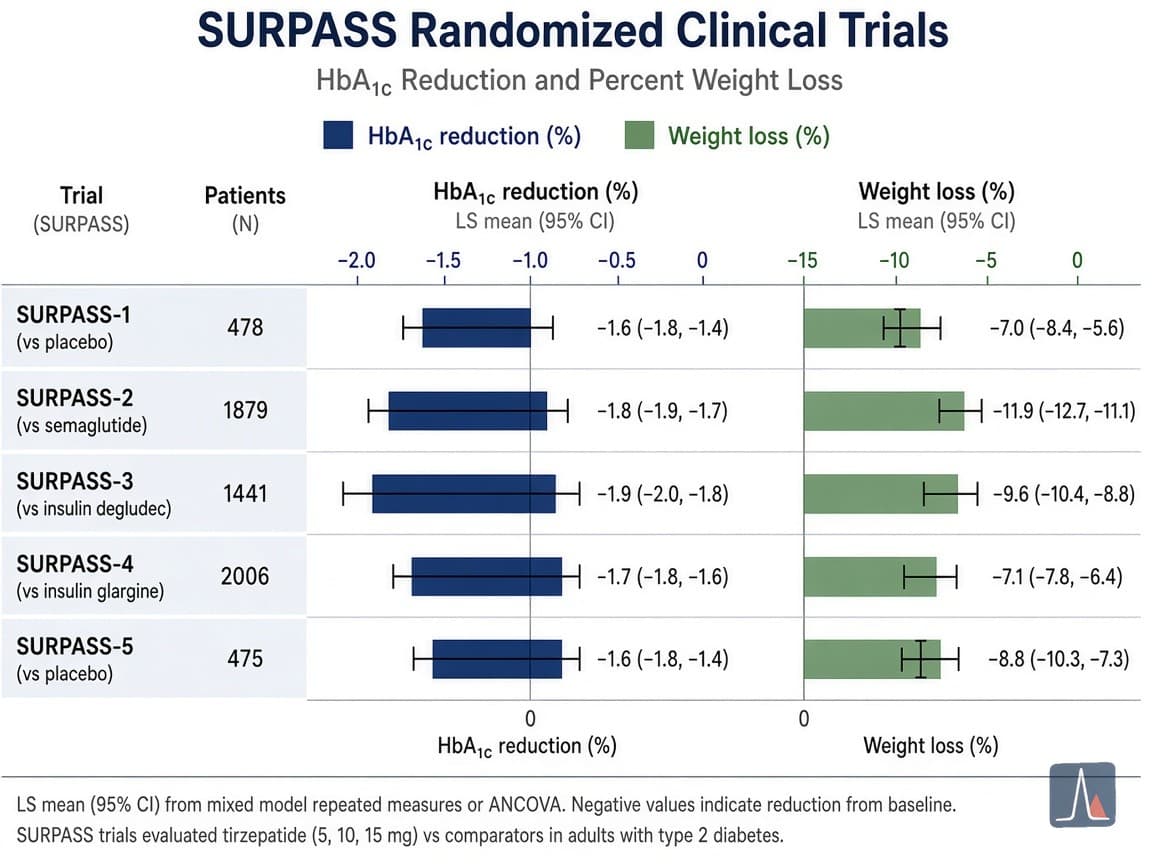
The SURPASS phase 3 program evaluated tirzepatide (5, 10, and 15 mg once weekly) across the spectrum of type 2 diabetes. In SURPASS-1 (drug-naïve patients), 15 mg produced mean HbA1c reductions of ~2.1% and weight loss of ~9.5 kg versus modest changes with placebo at 40 weeks. SURPASS-2 (Frias et al., NEJM 2021) demonstrated superiority to semaglutide 1 mg: HbA1c reductions up to 2.3% versus 1.86% and greater weight loss (~12.4 kg vs ~6.2 kg). Subsequent trials showed superiority or noninferiority to basal insulins (degludec, glargine) and add-on benefit when combined with insulin, with high proportions achieving HbA1c <7% (often >80%) or even <5.7%. Improvements were seen in fasting glucose, postprandial control, lipids, blood pressure, and liver-fat content (MRI substudies).
SURPASS-CVOT (published 2025, >13,000 high-CV-risk patients) met noninferiority versus dulaglutide 1.5 mg for 3-point major adverse cardiovascular events (MACE; HR 0.92) but did not achieve statistical superiority on the primary endpoint. Exploratory analyses suggested benefits on broader cardiorenal composites, heart-failure hospitalizations, and all-cause mortality. Gastrointestinal adverse events (nausea, vomiting, diarrhea) were dose-dependent, occurred mainly during escalation, and led to higher discontinuation rates (typically 5–10%) than comparators in several trials. Serious adverse events were generally similar or lower; no excess pancreatitis or severe hypoglycemia was observed beyond class expectations.
SURMOUNT Program, Head-to-Head, and Broader Cardiometabolic Trials (clinical trials and meta-analysis papers, 2022–2026)
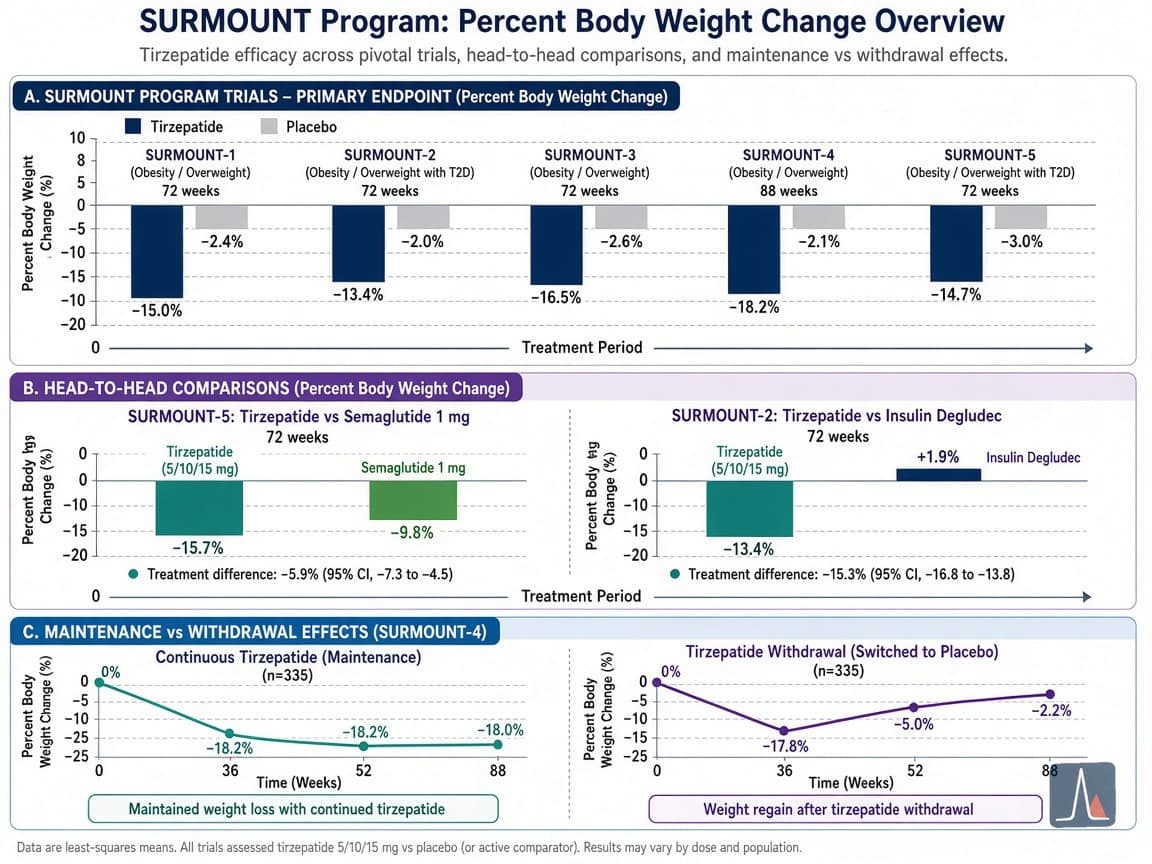
The SURMOUNT program focused on obesity with or without type 2 diabetes. SURMOUNT-1 (Jastreboff et al., NEJM 2022) reported mean weight loss of 15–20.9% at 72 weeks with 5–15 mg versus 3.1% with placebo in non-diabetic adults with obesity; over 50% of participants on 15 mg achieved ≥20% loss. The 176-week extension (published 2025) showed durable loss (~19.7% at 15 mg) and an ~93% reduction in progression to type 2 diabetes in those with prediabetes (HR 0.07). SURMOUNT-2 confirmed robust efficacy in participants with both obesity and type 2 diabetes (~14–15% weight loss).
SURMOUNT-3 evaluated tirzepatide after intensive lifestyle intervention; SURMOUNT-4 and related maintenance trials demonstrated that continued therapy prevents substantial regain, while switching to placebo resulted in ~14% weight regain over one year. SURMOUNT-5 (Aronne et al., NEJM 2025), the first direct head-to-head obesity trial versus semaglutide (max tolerated doses), showed 20.2% versus 13.7% weight loss at 72 weeks. Additional trials reported clinically meaningful improvements in obstructive sleep apnea (SURMOUNT-OSA: substantial AHI reduction), heart failure with preserved ejection fraction (SUMMIT: reduced HF events, improved KCCQ scores and ~15% weight loss), and knee osteoarthritis pain. Pooled and meta-analyses confirmed consistent cardiometabolic benefits (lipids, BP, inflammation markers, kidney-function surrogates such as UACR reduction) that were only partly mediated by weight loss.
Unfavorable findings included higher rates of gastrointestinal adverse events and treatment discontinuation (often 6–15% at higher doses). Lean-mass loss constituted 25–40% of total weight loss in body-composition substudies, prompting calls for resistance exercise and protein intake. Weight regain after discontinuation underscored the chronic nature of therapy.
Recent Reviews, Meta-Analyses, Regulatory Context, and Recurrent Limitations (review and meta-analysis papers, 2022–2026)
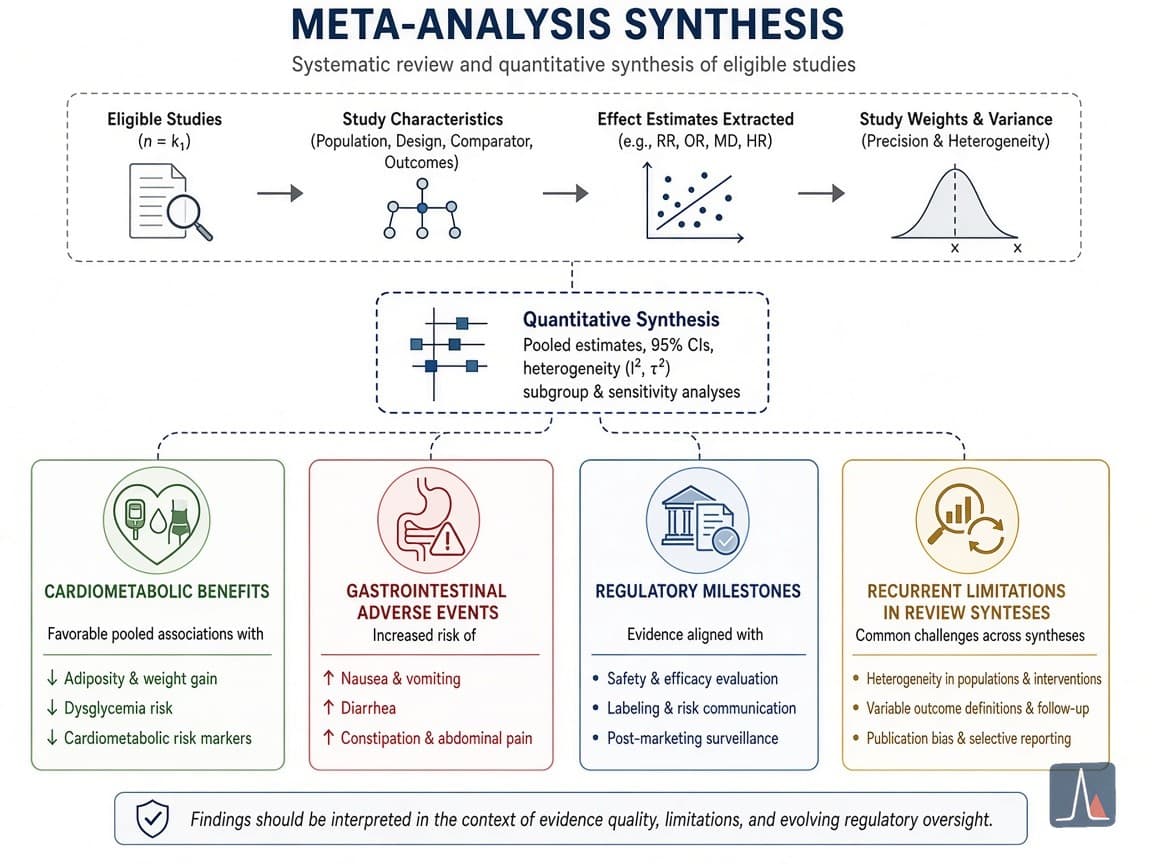
Systematic reviews and network meta-analyses published 2024–2026 consistently rank tirzepatide highest among available incretin therapies for weight loss (placebo-subtracted ~15–22% at 15 mg) and glycemic control, with favorable effects on blood pressure, lipids, liver fat, and patient-reported outcomes. Some analyses report trends toward lower MACE, heart-failure events, and kidney-disease progression, although primary CVOT superiority was not always achieved. Regulatory milestones include FDA approval of Mounjaro for type 2 diabetes (2022), Zepbound for chronic weight management (2023), expansion for obstructive sleep apnea (2024), and cardiovascular-risk reduction labeling (2026). Similar approvals occurred in Europe and other jurisdictions.
Recurrent limitations highlighted across reviews include dose-dependent gastrointestinal tolerability (nausea ~20–30%, vomiting, diarrhea), leading to higher discontinuation than placebo or some active comparators; modest increases in resting heart rate; gallbladder-related events; theoretical risk of pancreatitis or medullary thyroid carcinoma (class effect, observed in rodents); proportion of lean-mass loss; and the requirement for long-term, potentially lifelong treatment to sustain benefits. Many pivotal trials were industry-sponsored, enrolled selected populations with relatively high adherence, and had limited follow-up beyond 1–3 years for hard outcomes in all subgroups. Data gaps remain for very-long-term safety (>3–5 years), real-world persistence, diverse ethnic and socioeconomic groups, direct comparisons with emerging triple agonists (e.g. retatrutide), and mitigation strategies for sarcopenia. Null or inconclusive findings appear for certain rare events due to underpowering.
Evidence Context and Recurrent Limitations
The published literature (hundreds of papers by 2026) robustly supports tirzepatide’s superior short- to medium-term efficacy on body weight, HbA1c, and multiple cardiometabolic surrogates compared with first-generation GLP-1 receptor agonists and insulins. Preclinical mechanistic work highlights complementary contributions of GIPR agonism to insulin sensitization, energy expenditure, and organ protection that appear partially weight-independent. Clinical translation demonstrates real-world relevance for type 2 diabetes, obesity, heart failure with preserved ejection fraction, obstructive sleep apnea, and diabetes prevention.
However, benefits require continued therapy; discontinuation leads to substantial weight regain and reversal of metabolic improvements. Tolerability (primarily gastrointestinal) remains the main barrier to persistence for a subset of patients. Long-term hard-outcome data continue to mature, with noninferiority rather than clear superiority established in the primary analysis of the largest CVOT. Questions persist regarding optimal lean-mass preservation, very-long-term safety signals, cost-effectiveness, and positioning relative to next-generation molecules. Evidence is strongest for the approved indications in regulated pharmaceutical programs; the records do not establish research-vial use in humans. Future independent studies and longer follow-up will further refine the risk-benefit profile.
Sources
- Willard FS et al. Tirzepatide is an imbalanced and biased dual GIP and GLP-1 receptor agonist. JCI Insight. 2020. doi:10.1172/jci.insight.140532
- Samms RJ et al. GIPR agonism mediates weight-independent insulin sensitization by tirzepatide in obese mice. J Clin Invest. 2021. doi:10.1172/JCI146353
- Frias JP et al. Tirzepatide versus semaglutide once weekly in patients with type 2 diabetes. N Engl J Med. 2021.
- Jastreboff AM et al. Tirzepatide once weekly for the treatment of obesity. N Engl J Med. 2022.
- Aronne LJ et al. Tirzepatide as compared with semaglutide for the treatment of obesity. N Engl J Med. 2025.
- Multiple 2024–2026 systematic reviews and meta-analyses (Ann Intern Med, Lancet, JAMA Network Open, and others) synthesizing SURPASS/SURMOUNT programs, SURPASS-CVOT, SUMMIT, and SURMOUNT-OSA.
- Structural and additional preclinical papers (Nat Commun 2022, Diabetes Obes Metab 2024, and related 2025–2026 reports).
All cited works are primary literature from PubMed-indexed journals. Unfavorable, null, and inconclusive results are included where reported.
Sources
- Tirzepatide is an imbalanced and biased dual GIP and GLP-1 receptor agonist, 2020. https://doi.org/10.1172/jci.insight.140532
- GIPR agonism mediates weight-independent insulin sensitization by tirzepatide in obese mice, 2021. https://doi.org/10.1172/JCI146353
- Tirzepatide versus semaglutide once weekly in patients with type 2 diabetes, 2021. https://doi.org/10.1056/NEJMoa2107519
- Tirzepatide once weekly for the treatment of obesity, 2022. https://doi.org/10.1056/NEJMoa2206038
- Comparative effects of drugs for adults with overweight or obesity: systematic review and network meta-analysis, 2026. https://www.bmj.com/content/394/bmj-2026-372161
More briefings
- Survodutide Dual Agonist: Preclinical and Clinical EvidenceThe open-catalog entry for survodutide describes a synthetic acylated 29-amino-acid peptide dual agonist of glucagon and GLP-1 receptors supplied as high-purity lyophilized powder for laboratory metabolic research. Randomised trials report
- Dulaglutide: GLP-1 Receptor Agonist in Metabolic CareDulaglutide is a recombinant Fc-fusion GLP-1 receptor agonist engineered for once-weekly administration in laboratory and clinical metabolic research. Randomised trials report glycaemic improvements, cardiovascular risk reduction and modest
- Cagrilintide-Semaglutide Mixture: Open-Catalog Context and Metabolic Trial EvidenceThe open-catalog cagrilintide-semaglutide mixture supplies a research pairing of an amylin receptor agonist and GLP-1 receptor agonist for laboratory metabolic studies. Randomised trials of co-administration report enhanced weight loss (13–
All information and products discussed are for laboratory and research use only. Not for human or veterinary use. Not intended to diagnose, treat, cure, or prevent any disease.