
22 October 2026
Published Reports on Thymosin Alpha-1
Download PDF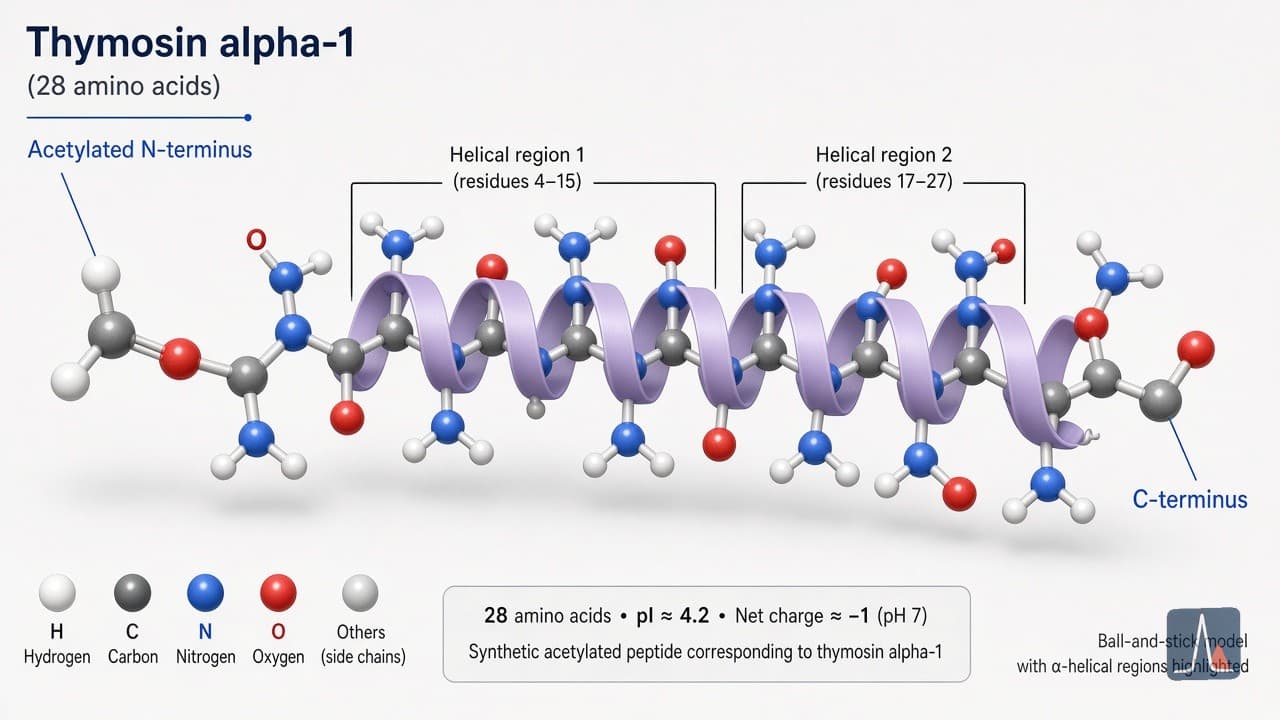
Indexed cell, animal, and clinical papers describe thymosin alpha-1 as a synthetic thymic peptide studied for immune-cell readouts, and those records do not establish research-vial use.
Published Reports on Thymosin Alpha-1
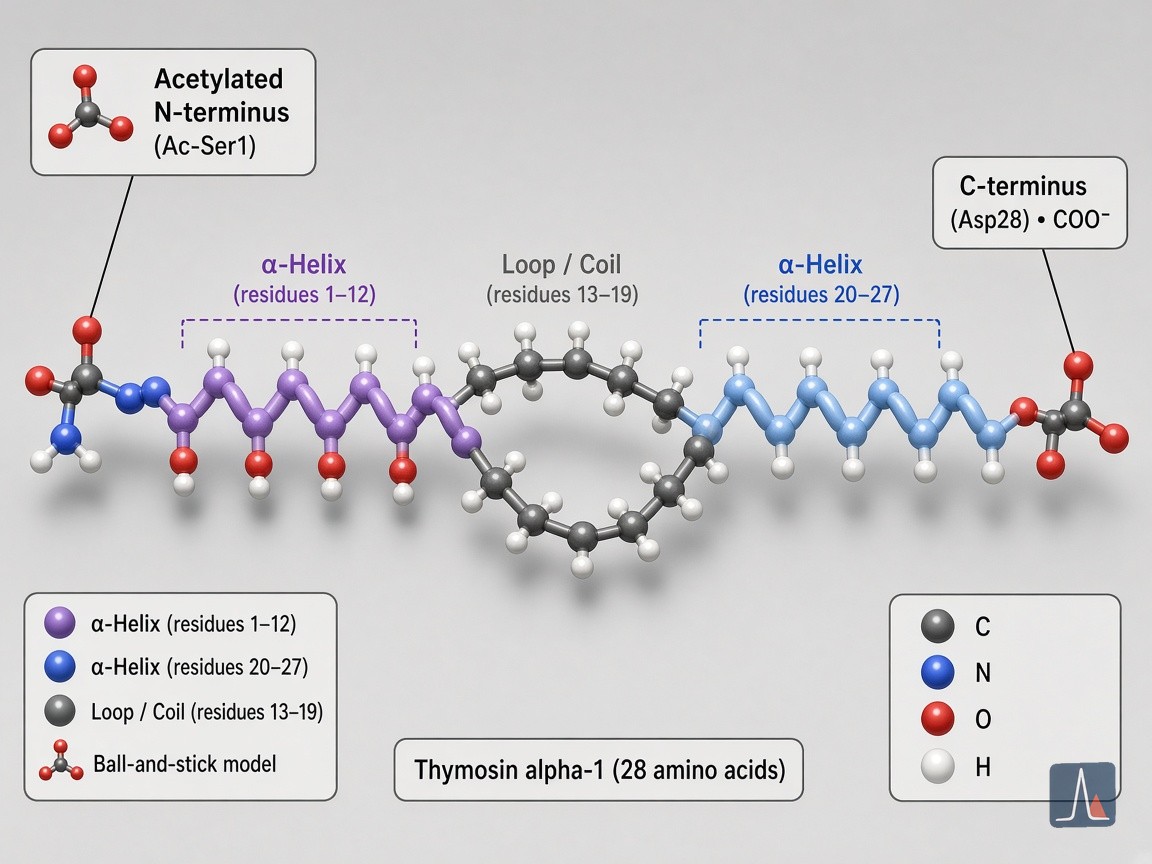
Indexed cell, animal, and clinical papers describe thymosin alpha-1 as a synthetic thymic peptide studied for immune-cell readouts, and those records do not establish research-vial use. !Molecular structure of thymosin alpha-1 Chemical structure representation of thymosin alpha-1.
Chemical Identity and Catalog Context
Thymosin alpha-1 (Tα1, thymalfasin) is the synthetic N-acetylated 28-amino acid peptide with sequence Ac-Ser-Asp-Ala-Ala-Val-Asp-Thr-Ser-Ser-Glu-Ile-Thr-Thr-Lys-Asp-Leu-Lys-Glu-Lys-Lys-Glu-Val-Val-Glu-Glu-Ala-Glu-Asn-OH (molecular weight approximately 3.1 kDa). It corresponds to the N-terminal fragment of human prothymosin α and was originally isolated and sequenced from bovine thymosin fraction 5 in 1977. In the Rierink catalog it is offered strictly as a laboratory research material for studies of Toll-like receptor signaling, dendritic-cell maturation, T-lymphocyte subset shifts, cytokine profiles, and related immune-cell readouts in controlled experimental systems. Thymosin Alpha-1 is for laboratory research only. Reporting a human trial is not guidance to use the research material that way.
Foundational Mechanistic and In Vitro Immune-Cell Studies (in_vitro and method papers, 1977–2016)
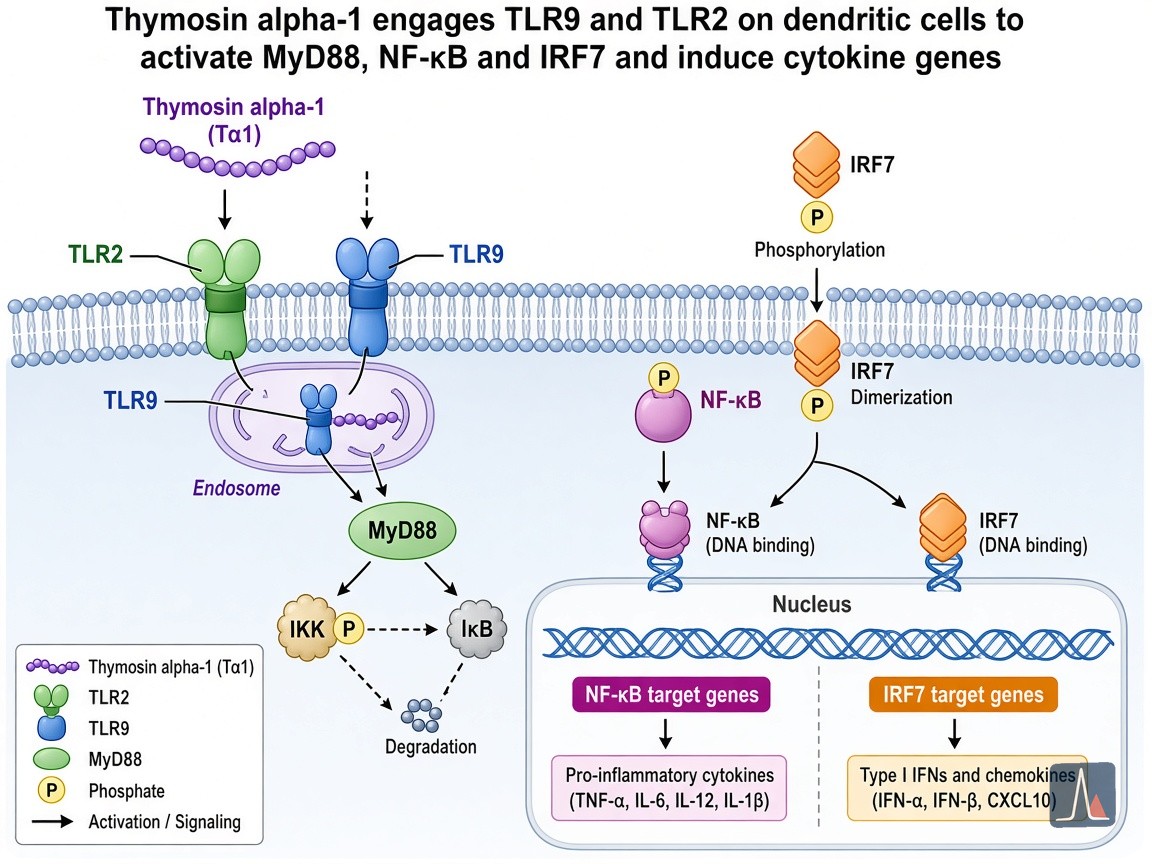
Early method papers established the peptide’s identity and capacity to induce T-cell differentiation markers such as E-rosette formation and terminal deoxynucleotidyl transferase inhibition in human thymocyte cultures (Goldstein et al., 1977, method paper). Subsequent in vitro work using human monocyte-derived dendritic cells and peripheral blood mononuclear cells demonstrated that thymosin alpha-1 functions as an agonist at TLR2 and TLR9, activating MyD88-dependent pathways that upregulate co-stimulatory molecules (CD80, CD86), MHC class II expression, and production of IL-12 and type-I interferons, thereby promoting Th1 polarisation (Romani et al., 2004, in_vitro and animal mechanistic study). Additional cell-culture assays reported increased IL-2 receptor expression on lymphocytes, enhanced natural-killer cell cytotoxicity markers (perforin, granzyme B), and modulation of indoleamine-2,3-dioxygenase (IDO) that can generate regulatory T cells, illustrating pleiotropic effects on both effector and regulatory arms of immunity. Limitation: These are isolated-cell or ex-vivo assays that measure specific molecular readouts but cannot replicate systemic pharmacokinetics, tissue distribution, or disease-specific microenvironments present in living organisms. !TLR signaling pathway schematic Mechanism of thymosin alpha-1 interaction with dendritic-cell Toll-like receptors.
Preclinical Animal Models of Immune Restoration, Infection, and Malignancy (animal papers, 1983–2025)
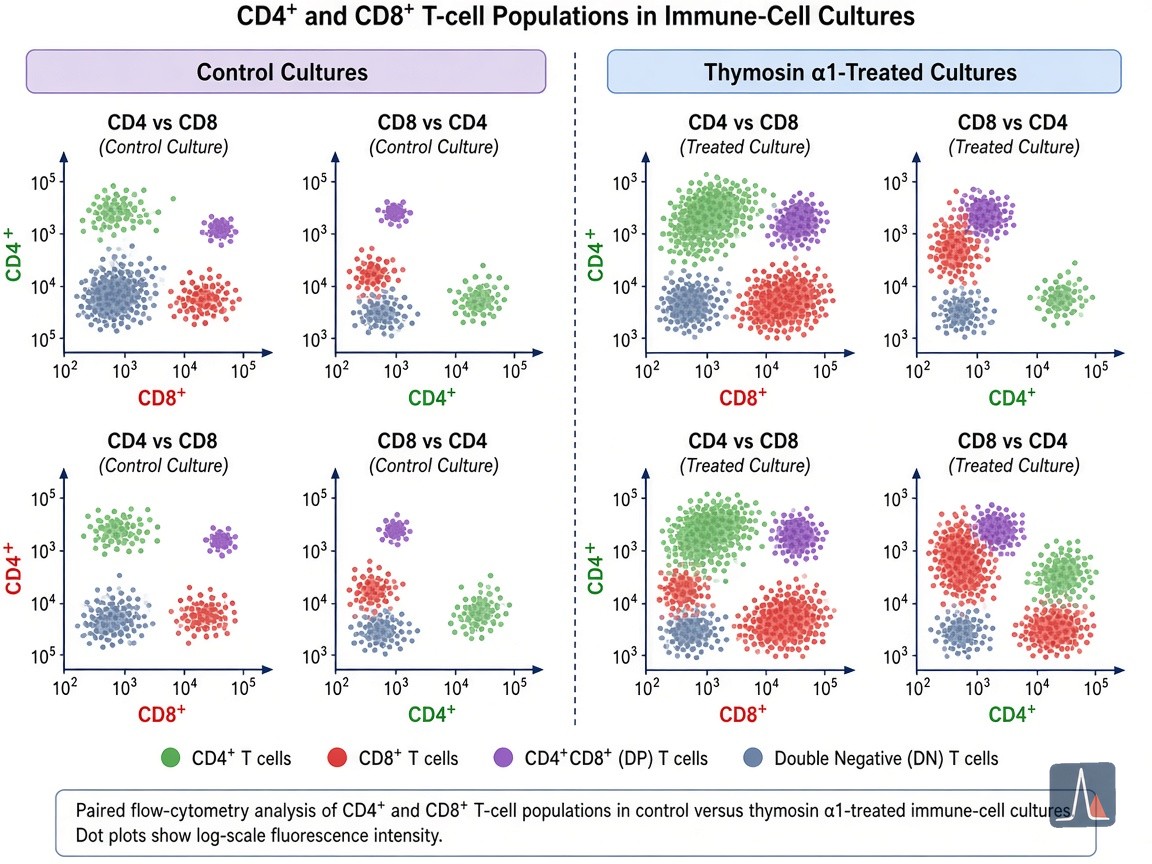
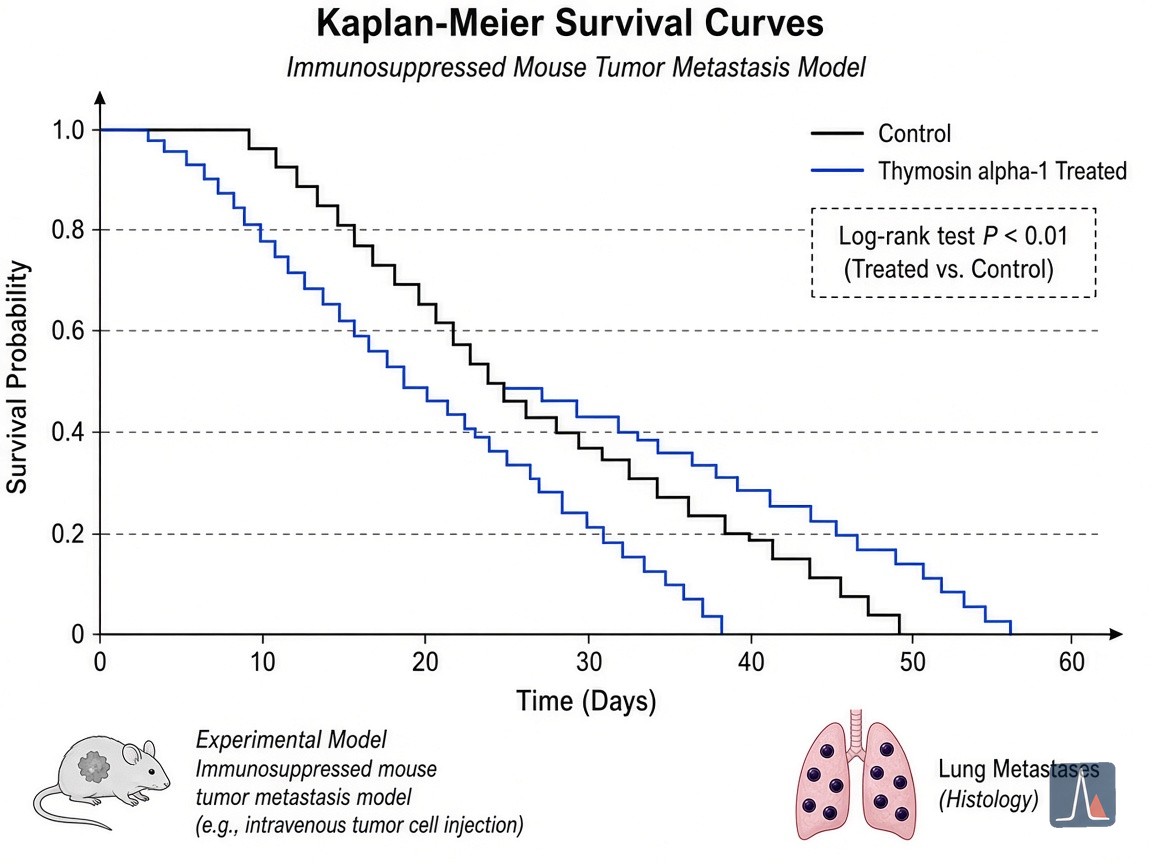
In immunosuppressed mice treated with cyclophosphamide or irradiation, thymosin alpha-1 administration preserved natural-killer cell activity, reduced pulmonary metastases of B16 melanoma, and improved survival after L1210 leukemia challenge (Ishitsuka et al., 1983, animal model). Subsequent rodent studies in thymectomised or aged animals reported accelerated reconstitution of CD4+ and CD8+ T-cell populations, enhanced clearance of viral and fungal pathogens, and synergy with chemotherapy or oncolytic viruses in Lewis-lung-carcinoma and hepatocellular-carcinoma models through reversal of M2-like tumor-associated macrophage polarisation and augmentation of CD8+ cytotoxicity. More recent transgenic and infection models have examined effects on senescent CD8+ cells and indoleamine-2,3-dioxygenase-mediated immune balance. Each report measures immune-cell readouts or survival under tightly controlled laboratory conditions. Limitation: Dosing, timing, and immune baselines in rodents differ markedly from human pathophysiology; positive signals observed in these models have not uniformly translated to statistically significant hard clinical endpoints in large randomised human trials. !Flow cytometry immune readout Representative immune-cell subset readout from in-vitro studies.
Randomised Clinical Trial Reports in Hepatitis, Sepsis, Pancreatitis, and Oncology (clinical and meta-analysis papers, 1998–2026)
Multiple randomised controlled trials evaluated thymosin alpha-1 (typically 1.6 mg subcutaneously twice weekly) as an adjunct in chronic hepatitis B. A 1998 Taiwanese double-blind trial (n=98) reported higher rates of sustained HBV-DNA clearance and HBeAg seroconversion at 18 months versus untreated controls; however, a contemporaneous U.S. placebo-controlled study (n=97) found only a non-significant numerical difference (14 % vs 4 % complete response). A 2012 randomised trial adding thymosin alpha-1 to peginterferon/ribavirin in hepatitis C non-responders (n=552) showed no significant improvement in sustained virologic response on intention-to-treat analysis (12.7 % vs 10.5 %). A 2026 Cochrane review of ten randomised trials (n=1,349) for chronic hepatitis B rated the certainty of evidence for mortality, virologic, and histologic outcomes as low or very low because of risk of bias, inconsistency, and imprecision.
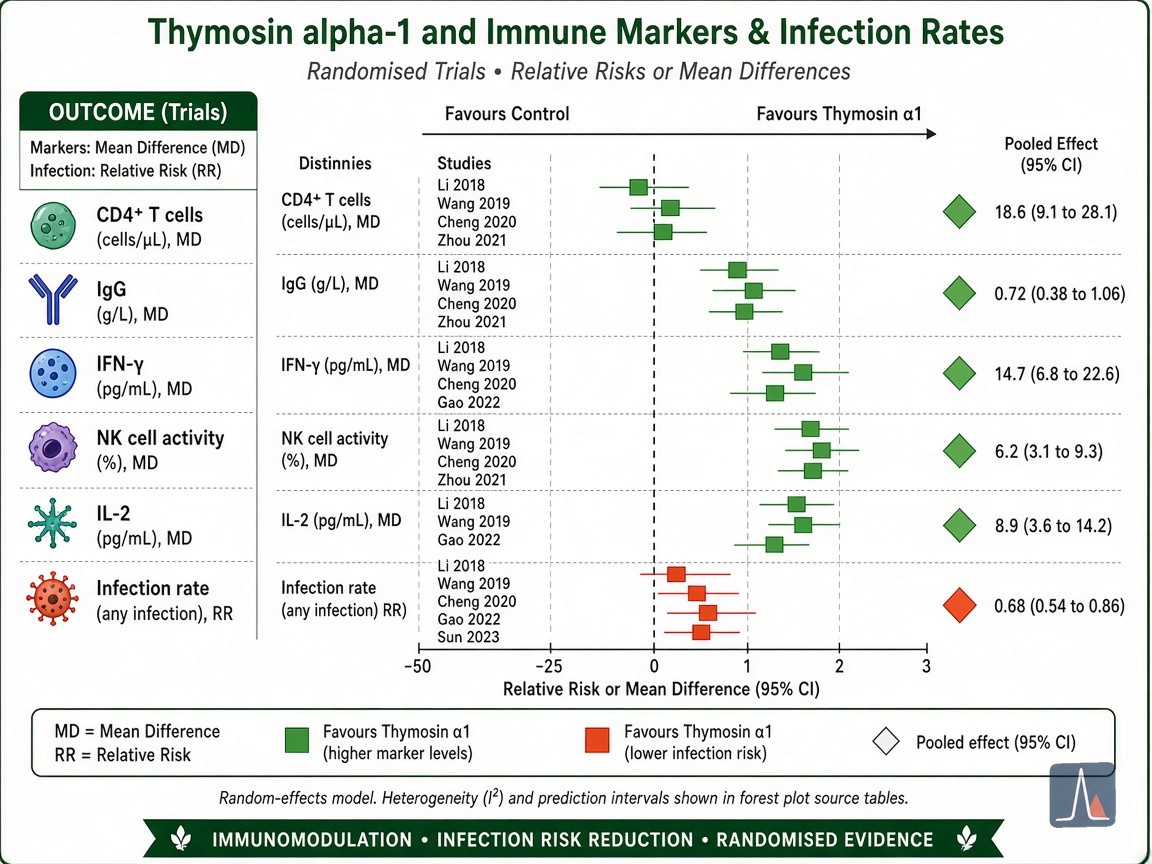
In critical care, a 2013 randomised pilot (ETASS) suggested possible mortality reduction and improved monocyte HLA-DR expression in sepsis, but the subsequent multicentre double-blind placebo-controlled phase 3 TESTS trial (Wu et al., 2025, n=1,106 adults meeting sepsis-3 criteria) found no difference in 28-day all-cause mortality (23.4 % vs 24.1 %; hazard ratio 0.99, 95 % CI 0.77–1.27; P=0.82). No secondary outcomes differed significantly. A 2025 systematic review and meta-analysis of five randomised trials in severe acute pancreatitis (n=706) reported statistically significant increases in CD4+ percentage and CD4+/CD8+ ratio, reduced APACHE II scores, and lower rates of extrapancreatic (particularly abdominal and bloodstream) infections with thymosin alpha-1; hospital length of stay was not significantly shortened. Limitation: Many earlier positive signals were observed in smaller or open-label studies; the largest and most rigorously blinded sepsis trial was unequivocally negative on its primary survival endpoint.
In oncology, randomised phase 2 studies in metastatic melanoma (Maio et al., 2010, n=488) combining thymosin alpha-1 with dacarbazine and interferon showed numerical improvements in response rate and median survival (9.4 vs 6.6 months) that did not reach statistical significance for overall survival. Propensity-matched and smaller randomised adjunctive studies in resected hepatocellular carcinoma and non-small-cell lung cancer have reported improved recurrence-free survival and lymphocyte recovery during chemo-radiotherapy. Recent 2025–2026 combination papers with immune-checkpoint inhibitors or IL-15 describe enhanced CD8+ cytotoxicity and reduced senescent T-cell populations in ex-vivo human samples and mouse xenografts. Limitation: Survival and progression-free survival data are frequently secondary or confounded by concurrent standard therapies; no large phase 3 monotherapy trial has established a definitive overall-survival benefit. !Preclinical survival curve Example survival data from a preclinical animal model.
Recent Reviews, Meta-Analyses, and Evidence Context (review papers, 2020–2026)
A 2020 comprehensive literature review (Dominari et al., World J Virol) summarised thymosin alpha-1’s historical use in hepatitis, sepsis, and cancer, highlighting its pleiotropic modulation of dendritic cells, T cells, and natural-killer cells and potential relevance to viral infections including SARS-CoV-2. A 2024 narrative review (Dinetz et al.) examined more than 30 trials encompassing over 11,000 human subjects and concluded that thymosin alpha-1 appeared well-tolerated with consistent immune-biomarker improvements across COVID-19, autoimmune, and oncologic settings. Meta-analyses of sepsis and pancreatitis cohorts published in 2025 noted pooled benefits on certain immune markers and secondary infection rates but acknowledged substantial heterogeneity (I² > 70 % in some analyses) and loss of significance when restricted to highest-quality blinded trials. Recurrent limitations across the review literature include geographic bias toward Asian cohorts in positive early studies, variable endpoint timing (delayed virologic responses in hepatitis), use of surrogate biomarkers rather than patient-centered outcomes, and discordance between preclinical promise and results of contemporary large randomised trials. !Meta-analysis forest plot Summary representation of clinical meta-analysis findings.
Summary of Evidence and Research Context
The indexed scientific record on thymosin alpha-1 is one of the most extensive for any thymic peptide, spanning foundational isolation and sequencing work, detailed in-vitro characterisation of TLR2/9–MyD88–NF-κB/IRF signalling in dendritic cells, preclinical restoration of immune competence in immunosuppressed and tumour-bearing animals, and dozens of randomised clinical trials examining immune-cell readouts (CD4+/CD8+ ratios, lymphocyte proliferation, cytokine profiles, monocyte HLA-DR) in hepatitis, sepsis, pancreatitis, COVID-19, and cancer-adjuvant settings. Biomarker changes are frequently reported as favourable; however, translation to hard clinical endpoints has been inconsistent. Large, well-designed, double-blind phase 3 trials such as the 2025 TESTS sepsis study have been neutral on primary survival outcomes, while Cochrane syntheses rate hepatitis evidence as low or very low certainty. Recent meta-analyses and combination studies continue to explore adjunctive roles, yet heterogeneity, risk of bias, and subgroup-only signals remain common limitations. These papers characterise experimental observations of a synthetic peptide in laboratory and clinical-research models. They supply no basis for extrapolating results to the handling or intended use of catalog research material outside strictly controlled in-vitro or animal experimental protocols. All Rierink Compounds materials are sold exclusively for laboratory research.
Sources
- Romani L, et al. Thymosin alpha 1 activates dendritic cells for antifungal Th1 resistance through toll-like receptor signaling. Blood. 2004. DOI: 10.1182/blood-2003-10-3743. PMID: 15075350.
- Wu J, et al. The efficacy and safety of thymosin α1 for sepsis (TESTS): multicentre, double blinded, randomised, placebo controlled, phase 3 trial. BMJ. 2025. DOI: 10.1136/bmj-2024-082583. PMID: 39814420.
- Dominari A, et al. Thymosin alpha 1: A comprehensive review of the literature. World J Virol. 2020. DOI: 10.5501/wjv.v9.i5.67. PMCID: PMC7747025. PMID: 33362999.
- Dinetz E, et al. Comprehensive Review of the Safety and Efficacy of Thymosin Alpha 1 in Human Clinical Trials. Altern Ther Health Med. 2024. PMID: 38308608.
- Meta-analysis on thymosin alpha 1 in severe acute pancreatitis. Front Immunol. 2025. DOI: 10.3389/fimmu.2025.1571456. PMID: 40599771.
- Cochrane Database Syst Rev on thymosin α1 for chronic hepatitis B (2026 update). DOI: 10.1002/14651858.CD014610.pub2.
- Maio M, et al. Thymosin α1 in melanoma: from the clinical trial setting to daily practice. Ann N Y Acad Sci. 2012. DOI: 10.1111/j.1749-6632.2012.06757.x. PMID: 23050811.
- Ishitsuka H, et al. Protective activity of thymosin alpha 1 against tumor progression in immunosuppressed mice. Adv Exp Med Biol. 1983. DOI: 10.1007/978-1-4757-1410-4_9.
More briefings
- Survodutide Dual Agonist: Preclinical and Clinical EvidenceThe open-catalog entry for survodutide describes a synthetic acylated 29-amino-acid peptide dual agonist of glucagon and GLP-1 receptors supplied as high-purity lyophilized powder for laboratory metabolic research. Randomised trials report
- Dulaglutide: GLP-1 Receptor Agonist in Metabolic CareDulaglutide is a recombinant Fc-fusion GLP-1 receptor agonist engineered for once-weekly administration in laboratory and clinical metabolic research. Randomised trials report glycaemic improvements, cardiovascular risk reduction and modest
- Cagrilintide-Semaglutide Mixture: Open-Catalog Context and Metabolic Trial EvidenceThe open-catalog cagrilintide-semaglutide mixture supplies a research pairing of an amylin receptor agonist and GLP-1 receptor agonist for laboratory metabolic studies. Randomised trials of co-administration report enhanced weight loss (13–
All information and products discussed are for laboratory and research use only. Not for human or veterinary use. Not intended to diagnose, treat, cure, or prevent any disease.