
28 October 2026
Published Reports on Semaglutide
Download PDF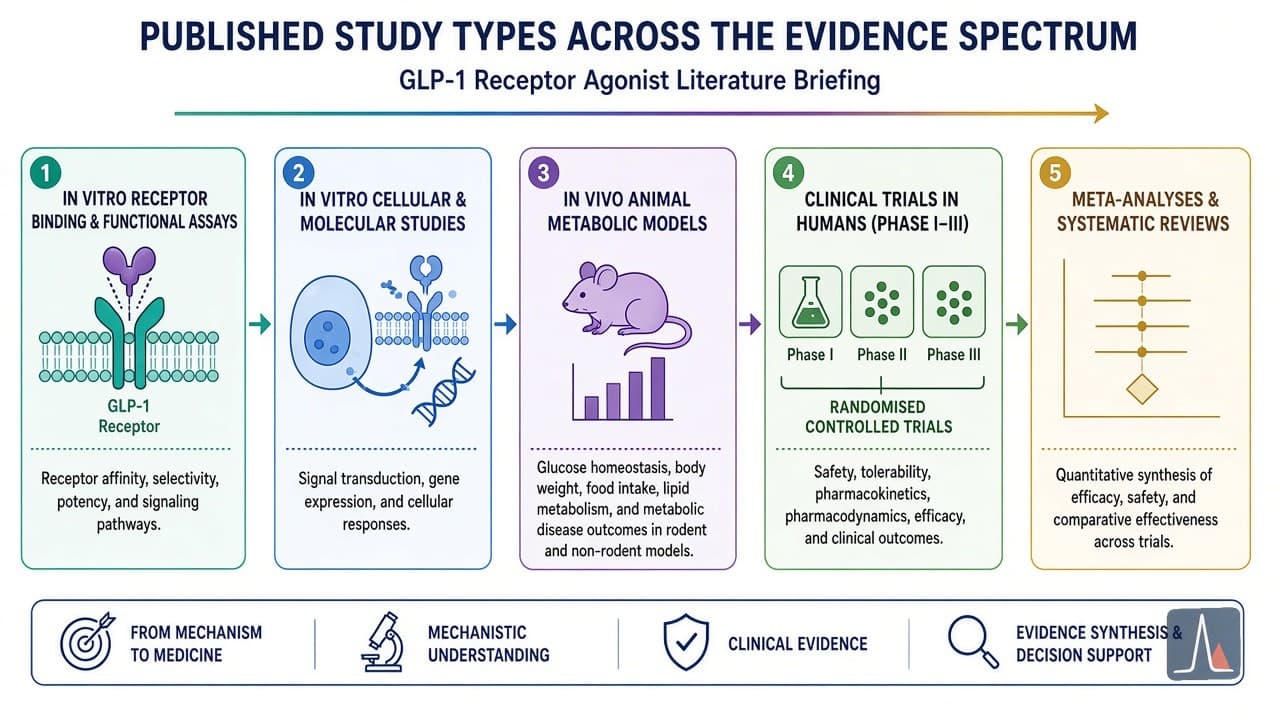
Published reports characterize semaglutide as a long-acting GLP-1 receptor agonist with extensive randomised trial data showing 10–15% weight reduction, glycemic improvement, and cardiovascular benefits in adults with obesity or type 2 diab
Published reports characterize semaglutide as a long-acting acylated GLP-1 receptor agonist (GLP-1RA) engineered with an aminoisobutyric acid (Aib) substitution at position 8 for DPP-4 resistance, arginine at position 34, and acylation at Lys26 with a C18 diacid via a γ-glutamyl-2×(2-aminoethoxy)ethoxyacetyl spacer for high-affinity albumin binding and an approximately 1-week half-life. Extensive literature from foundational mechanistic studies, preclinical models, and particularly large-scale randomised clinical trial programmes (SUSTAIN for type 2 diabetes [T2D], PIONEER for oral formulation, STEP for obesity, SELECT for cardiovascular outcomes in people without diabetes, and FLOW for kidney outcomes) documents clinically meaningful reductions in HbA1c, body weight (typically 10–17% at 2.4 mg weekly subcutaneous in obesity trials, higher with 7.2 mg regimens), waist circumference, blood pressure, lipids, and major adverse cardiovascular events (MACE), together with improvements in heart-failure symptoms, kidney function, and metabolic-associated steatohepatitis (MASH) histology. Gastrointestinal adverse events (nausea, vomiting, diarrhea, constipation) are the predominant tolerability limitation and primary reason for discontinuation. Systematic reviews and meta-analyses through 2026 affirm high-certainty evidence for on-treatment weight loss and cardiometabolic benefit in indicated populations but note industry sponsorship of pivotal trials, variable lean-mass effects, substantial weight regain upon discontinuation, and the need for longer real-world data. These records pertain exclusively to approved pharmaceutical formulations (Ozempic, Wegovy, Rybelsus) studied under medical supervision and do not establish or endorse use of research-grade material from the catalog. Reporting of human trial data in this briefing does not constitute guidance to administer the research material to people or animals.
Chemical Identity and Catalog Context
Semaglutide (C₁₈₇H₂₉₁N₄₅O₅₉, monoisotopic mass ≈ 4113.6 Da) is a 31-amino-acid synthetic analogue of human GLP-1(7–37). In the Rierink catalog it is supplied strictly for laboratory research. It is chemically distinct from native GLP-1 by the Aib⁸ substitution that blocks DPP-4 cleavage and the lipid side chain that prolongs circulation through reversible albumin binding. Related catalog entries include liraglutide, dulaglutide, tirzepatide, and cagrilintide + semaglutide mixtures. All indexed clinical evidence refers to GMP-manufactured, regulator-approved dosage forms; no peer-reviewed studies characterise extemporaneous research vials for human or animal administration.
Foundational Discovery, Receptor Pharmacology, and In Vitro Mechanistic Studies (in_vitro and method papers, 1980s–2020s)
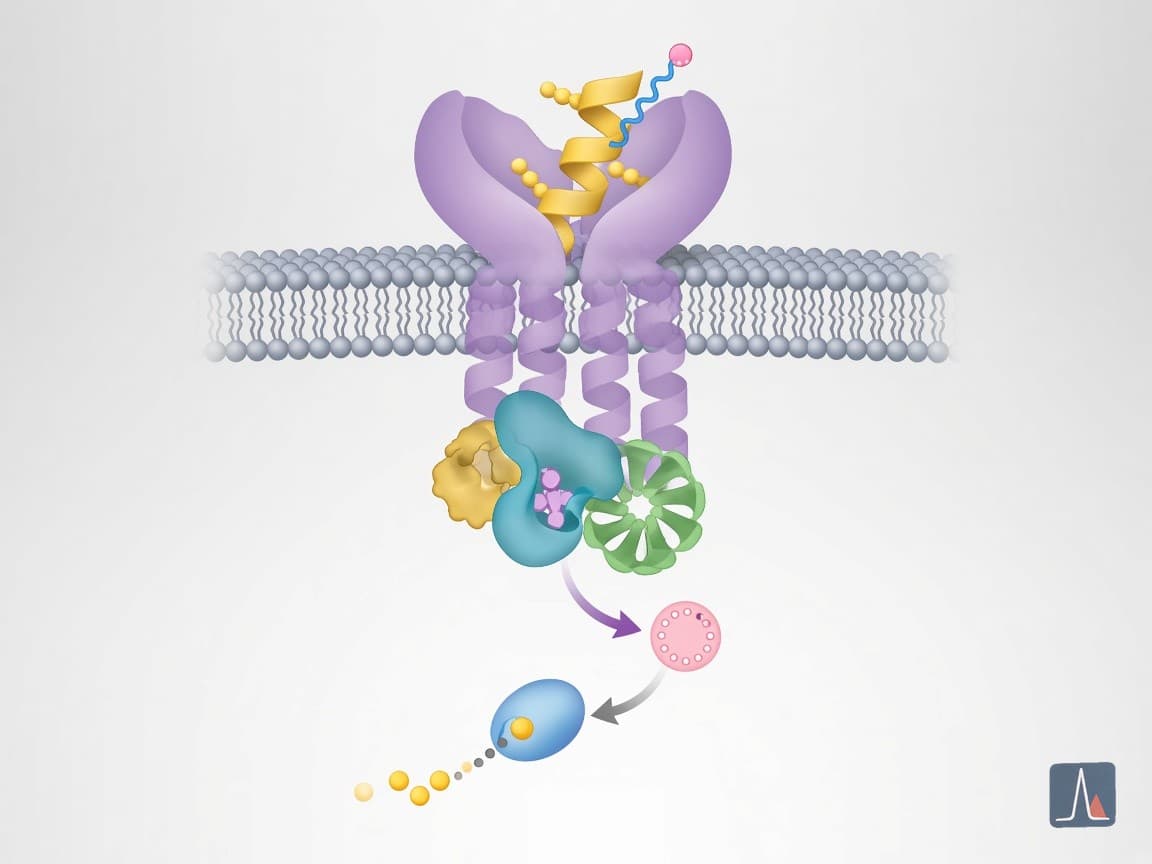
GLP-1 was identified in the 1980s as an incretin hormone that glucose-dependently stimulates insulin secretion and suppresses glucagon. Rational design work culminating in the 2015 Journal of Medicinal Chemistry paper by Lau et al. screened fatty-acid chain length, attachment site, and linker chemistry to optimise albumin affinity while retaining GLP-1R potency. Semaglutide exhibits sub-nanomolar affinity for the human GLP-1R, robust Gs-coupled cAMP accumulation, and downstream PKA/CREB signalling in recombinant cell systems and isolated islets. Cryo-EM and crystal structures (e.g., PDB 4ZGM and subsequent complexes) illustrate how the N-terminal helix inserts into the transmembrane orthosteric pocket while the C-terminal region engages the extracellular domain; the flexible lipid chain enhances stability without disrupting receptor activation. In vitro studies further demonstrate inhibition of glucagon release from alpha-cells, slowed gastric motility in organ bath preparations, and direct effects on neuronal cultures from the area postrema and nucleus tractus solitarius. Recent 2026 mechanistic papers delineate both Gs/cAMP and Gq/calcium pathways in hindbrain GLP1R neurons as critical for appetite suppression.
Preclinical Animal Models of Metabolic Dysfunction, Appetite Regulation, and Organ Protection (animal papers, 2010s–2026)
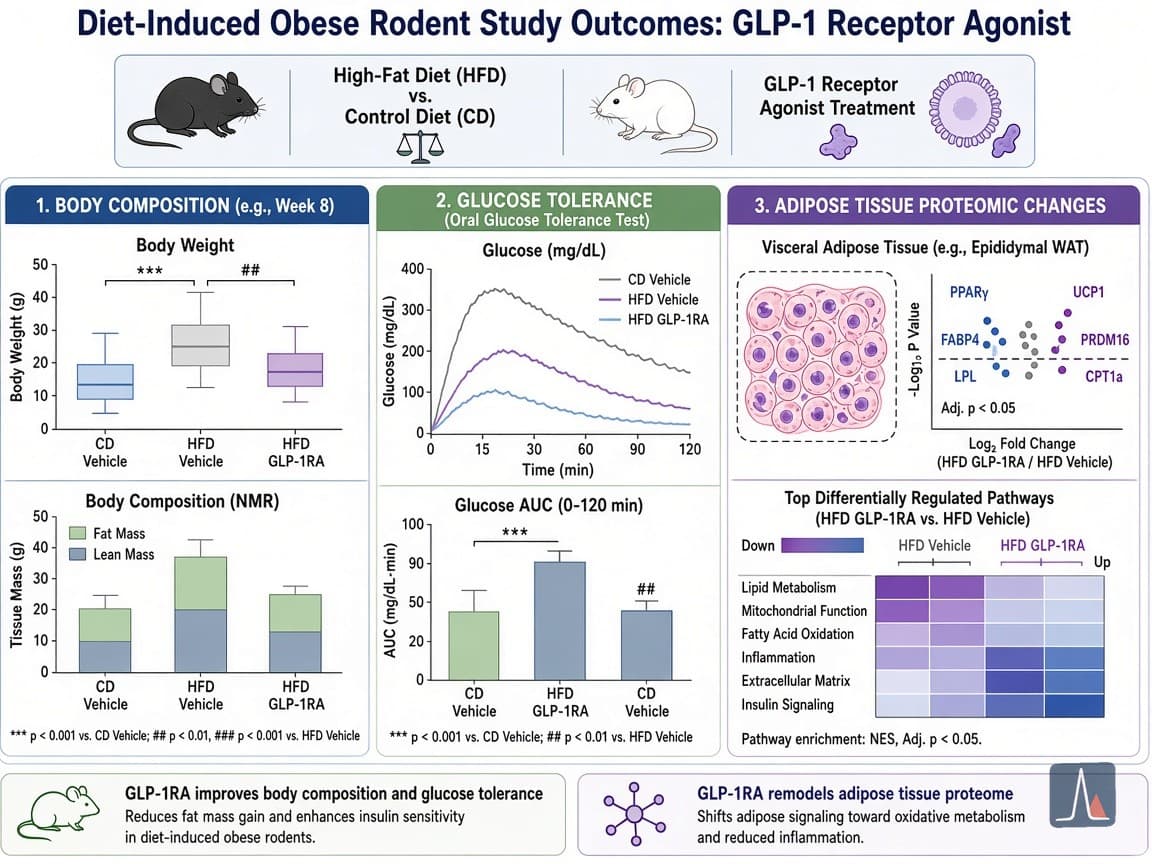
Diet-induced obese (DIO) mice and rats, db/db diabetic mice, and nonhuman-primate models consistently show dose-dependent reductions in food intake mediated by GLP1R-expressing neurons in the area postrema and nucleus tractus solitarius, leading to 15–30% body-weight loss (primarily fat mass), lowered fasting glucose, improved glucose tolerance, and reduced hepatic steatosis. Proteomic analyses of epididymal white adipose tissue reveal downregulation of lipogenic proteins (CD36, FABP5, ACSL, PLIN2, LPL) and modulation of lipid uptake, storage, and lipolysis pathways. Cardiorenal protection is reported in ischemia-reperfusion, unilateral nephrectomy, and diabetic nephropathy models, with decreased inflammation, fibrosis, and albuminuria. A 2026 Nature Metabolism study using fibre photometry and conditional knockouts established that cAMP signalling in AP^Glp1r neurons is both necessary and sufficient for semaglutide-induced weight loss; disruption of Gs or PDE4 inhibition modulated the magnitude of effect. Rodent studies also identified thyroid C-cell hyperplasia at high exposures, prompting clinical monitoring, although translation to humans remains uncertain. These models provide mechanistic plausibility for the human weight-loss and organ-protection signals but do not predict human dosing or safety.
Pivotal Randomised Trials in Type 2 Diabetes (SUSTAIN and PIONEER programmes, clinical papers, 2016–2022)
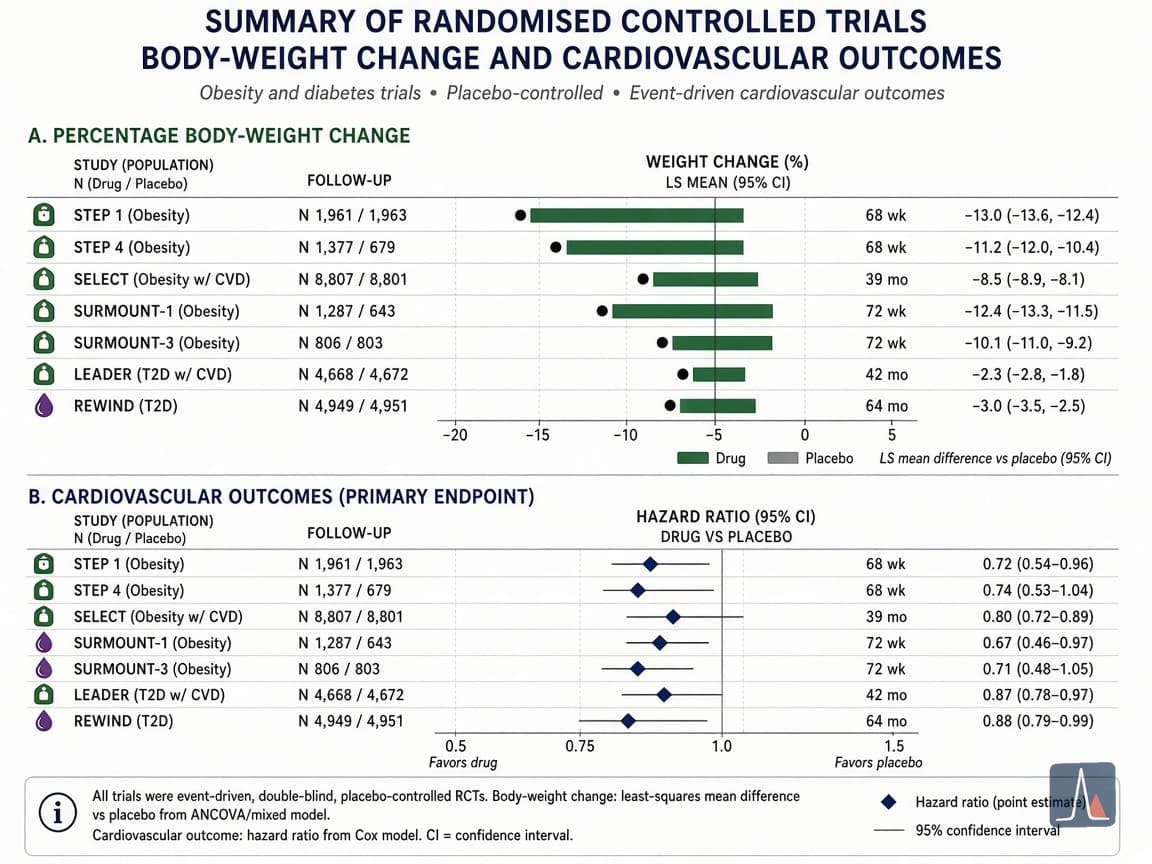
The SUSTAIN series (ten phase 3 trials, >9,000 participants) and parallel PIONEER oral-semaglutide programme demonstrated superior HbA1c lowering (estimated treatment difference –1.0 to –1.8 percentage points versus placebo, sitagliptin, liraglutide, dulaglutide, or basal insulin) and 3–6 kg placebo-adjusted weight loss at 0.5–1.0 mg weekly subcutaneous or 7–14 mg oral doses. SUSTAIN 6 (n=3,297, high cardiovascular risk T2D) met its primary cardiovascular safety endpoint and showed a 26% relative reduction in 3-point MACE (HR 0.74; 95% CI 0.58–0.95), driven mainly by fewer non-fatal strokes. Gastrointestinal events occurred in 30–50% during dose escalation but were mostly mild-to-moderate and transient. These trials established semaglutide as an effective glucose-lowering and weight-reducing agent in T2D while confirming cardiovascular safety. 1 2
Large-Scale Randomised Trials for Obesity, Cardiovascular, and Kidney Outcomes (STEP, SELECT, FLOW programmes, clinical papers, 2021–2026)
The STEP programme (STEP 1–5, 8, TEENS, UP) randomised adults with BMI ≥30 (or ≥27 with comorbidities) to 2.4 mg weekly subcutaneous semaglutide or placebo plus lifestyle intervention. STEP 1 reported –14.9% mean weight change at 68 weeks versus –2.4% with placebo; >50% of participants achieved ≥15% loss. Higher-dose (7.2 mg) data from STEP UP extensions reached approximately 18–20% loss. Cardiometabolic markers (waist circumference, blood pressure, lipids, CRP, liver enzymes) improved proportionally. STEP 4 demonstrated rapid weight regain after withdrawal, underscoring the requirement for continued therapy. The SELECT trial (n=17,604, overweight or obesity plus established cardiovascular disease, no diabetes) showed a 20% reduction in 3-point MACE (HR 0.80; 95% CI 0.72–0.90) over ~40 months with sustained ~9–10% weight loss at 208 weeks. FLOW (T2D plus chronic kidney disease) met its primary kidney composite endpoint (HR 0.76). STEP-HFpEF trials reported improved Kansas City Cardiomyopathy Questionnaire scores, 6-minute walk distance, and reduced NT-proBNP. Gastrointestinal adverse events were more frequent than with placebo (risk ratio ~1.5–2.0) but decreased after dose escalation; discontinuation rates ranged 5–16%. A 2026 meta-analysis of DXA data indicated that while lean-mass loss occurs (pooled MD –2.5 kg across trials), fat-mass reduction predominates, with very-low certainty for clinical significance of the lean component. 3 4 5
Safety Profile, Body Composition, Post-Discontinuation Effects, and Broader Clinical Reports (pooled safety, observational, and exploratory RCT papers, 2018–2026)
Across programmes the dominant adverse events are gastrointestinal and dose-dependent during escalation. Gallbladder-related disorders and mild increases in pancreatic enzymes occur more frequently than with placebo, but large meta-analyses through 2026 have not confirmed increased risk of pancreatitis or pancreatic cancer (OR 0.25 for pancreatic cancer, 95% CI 0.03–2.24; OR 2.04 for thyroid cancer, 95% CI 0.33–12.61). Rodent thyroid C-cell findings prompted a boxed warning whose human relevance is considered low. Real-world registries and observational cohorts corroborate cardiovascular risk reduction but report lower adherence and higher discontinuation than in trials. Post-discontinuation studies show approximately 50–67% of lost weight regained within 6–12 months. Exploratory reports include histologic MASH resolution, symptom improvement in HFpEF, and potential signals in antipsychotic-induced weight gain and craving reduction; these require confirmatory trials. A 2026 meta-analysis in schizophrenia patients on antipsychotics found semaglutide produced the largest weight reduction among GLP-1RAs examined. 6 7
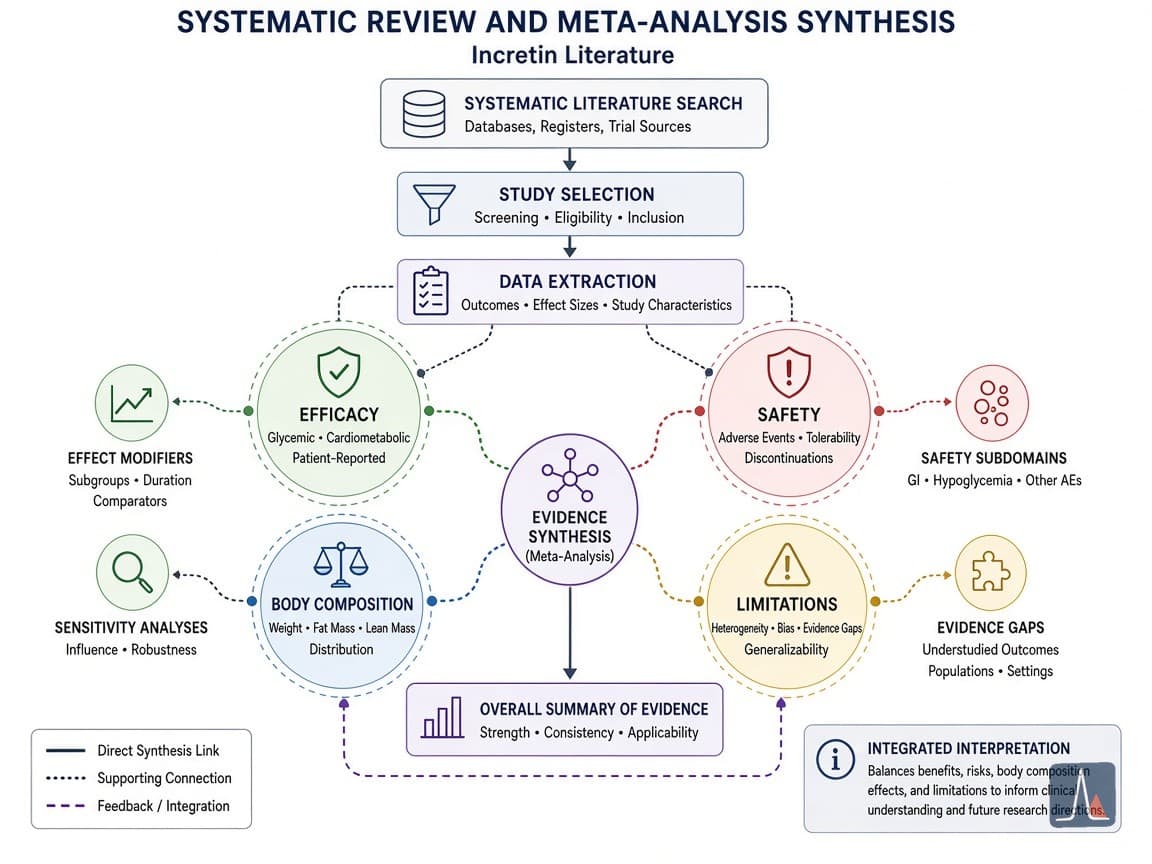
Systematic Reviews, Meta-Analyses, Evidence Syntheses, and Regulatory Context (review and meta-analysis papers, 2020–2026)
More than 50 systematic reviews and network meta-analyses published 2020–2026 synthesise data from >40,000 participants. Pooled estimates confirm 10–15% mean weight loss with 2.4 mg subcutaneous semaglutide (high-certainty evidence), 1.0–1.5% HbA1c reduction, 3–5 mmHg systolic blood-pressure lowering, and 14–26% relative MACE and kidney-risk reductions. Tirzepatide shows modestly superior weight loss in head-to-head network comparisons. Cochrane and umbrella reviews rate evidence for on-treatment weight loss and cardiometabolic benefit as high but downgrade long-term hard outcomes for industry funding, attrition, and heterogeneity. Regulatory approvals (FDA 2017 for T2D, 2021 for chronic weight management and CV risk reduction; EMA equivalents) incorporate these data with recommendations for gradual dose escalation to mitigate gastrointestinal intolerance, contraindication in personal/family history of medullary thyroid carcinoma or multiple endocrine neoplasia syndrome type 2, and monitoring for pancreatitis and gallbladder disease. Real-world evidence syntheses through 2026 note lower persistence rates than in trials. 8 9
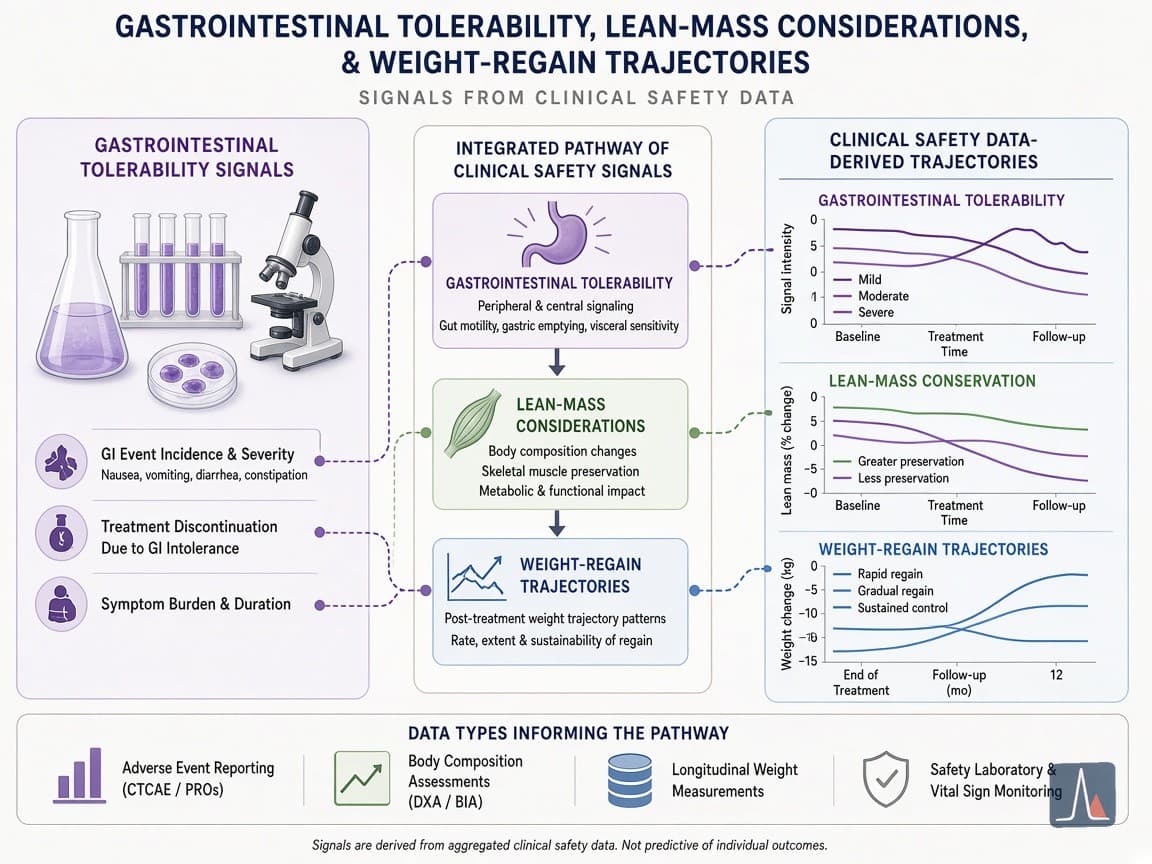
Evidence Context and Recurrent Limitations
The published literature on semaglutide is among the most robust for any incretin-based therapy, built on large, long-duration, event-driven randomised controlled trials that moved the field from surrogate endpoints to hard clinical outcomes including MACE, kidney composites, and heart-failure symptoms. Preclinical neural-mapping and signalling studies provide coherent mechanistic support for central appetite suppression and peripheral metabolic effects. Nonetheless, recurrent limitations include predominant sponsorship by the manufacturer of the approved formulations, under-representation of certain ethnic groups and socioeconomic strata, high rates of gastrointestinal discontinuation (5–16% in trials, higher in practice), questions regarding the functional significance of modest lean-mass reductions observed on DXA (very-low certainty in 2026 meta-analyses), rapid and substantial weight regain upon cessation, cost and adherence barriers in real-world settings, and the absence of long-term (>5 years) non-industry data in broad populations. No published reports validate the chemical identity, stability, or biological activity of research-grade semaglutide supplied for laboratory experimentation when used outside controlled pharmaceutical manufacturing and clinical-trial conditions. Ongoing 2026–2027 trials continue to refine its role in additional indications such as neurodegenerative disease, addiction, and combination regimens with agents such as cagrilintide or retatrutide. All clinical benefit–risk conclusions in the literature refer exclusively to approved pharmaceutical products used under medical supervision.
Sources
- Lau J, et al. Discovery of the Once-Weekly Glucagon-Like Peptide-1 (GLP-1) Analogue Semaglutide. J Med Chem. 2015. doi:10.1021/acs.jmedchem.5b00726.
- Wilding JPH, et al. Once-Weekly Semaglutide in Adults with Overweight or Obesity. N Engl J Med. 2021. PMID: 33567185 (STEP 1).
- Lincoff AM, et al. Semaglutide and Cardiovascular Outcomes in Obesity without Diabetes. N Engl J Med. 2023 (SELECT).
- Effectiveness and safety of semaglutide in overweight/obese adults with or without type 2 diabetes: A systematic review and meta-analysis. J Res Med Sci. 2024. doi:10.4103/jrms.jrms_693_23. PMID: 39629036. 5
- Semaglutide and cancer: A systematic review and meta-analysis. Diabetes Metab Syndr. 2023. doi:10.1016/j.dsx.2023.102895. 6
- DXA-measured lean and fat mass differences with incretin-based therapy versus comparators: a meta-analysis of phase 3 trials. BMC Endocr Disord. 2026. doi:10.1186/s12902-026-02679-z. 4
- Efficacy and safety of semaglutide 2.4 mg for weight loss in overweight or obese adults without diabetes: An updated systematic review and meta-analysis including the 2-year STEP 5 trial. Diabetes Obes Metab. 2024. doi:10.1111/dom.15386. 3
- Semaglutide drives weight loss through cAMP-dependent mechanisms in GLP1R-expressing hindbrain neurons. Nat Metab. 2026. doi:10.1038/s42255-026-01534-8. 10
- Cochrane review on semaglutide for weight loss. 2025 (high-certainty evidence for ~11% weight loss). 8
- Additional 2025–2026 meta-analyses on oral semaglutide CV outcomes, body composition, and schizophrenia populations (various journals).
More briefings
- Survodutide Dual Agonist: Preclinical and Clinical EvidenceThe open-catalog entry for survodutide describes a synthetic acylated 29-amino-acid peptide dual agonist of glucagon and GLP-1 receptors supplied as high-purity lyophilized powder for laboratory metabolic research. Randomised trials report
- Dulaglutide: GLP-1 Receptor Agonist in Metabolic CareDulaglutide is a recombinant Fc-fusion GLP-1 receptor agonist engineered for once-weekly administration in laboratory and clinical metabolic research. Randomised trials report glycaemic improvements, cardiovascular risk reduction and modest
- Cagrilintide-Semaglutide Mixture: Open-Catalog Context and Metabolic Trial EvidenceThe open-catalog cagrilintide-semaglutide mixture supplies a research pairing of an amylin receptor agonist and GLP-1 receptor agonist for laboratory metabolic studies. Randomised trials of co-administration report enhanced weight loss (13–
All information and products discussed are for laboratory and research use only. Not for human or veterinary use. Not intended to diagnose, treat, cure, or prevent any disease.