
29 October 2026
Published Reports on Oxytocin acetate
Download PDF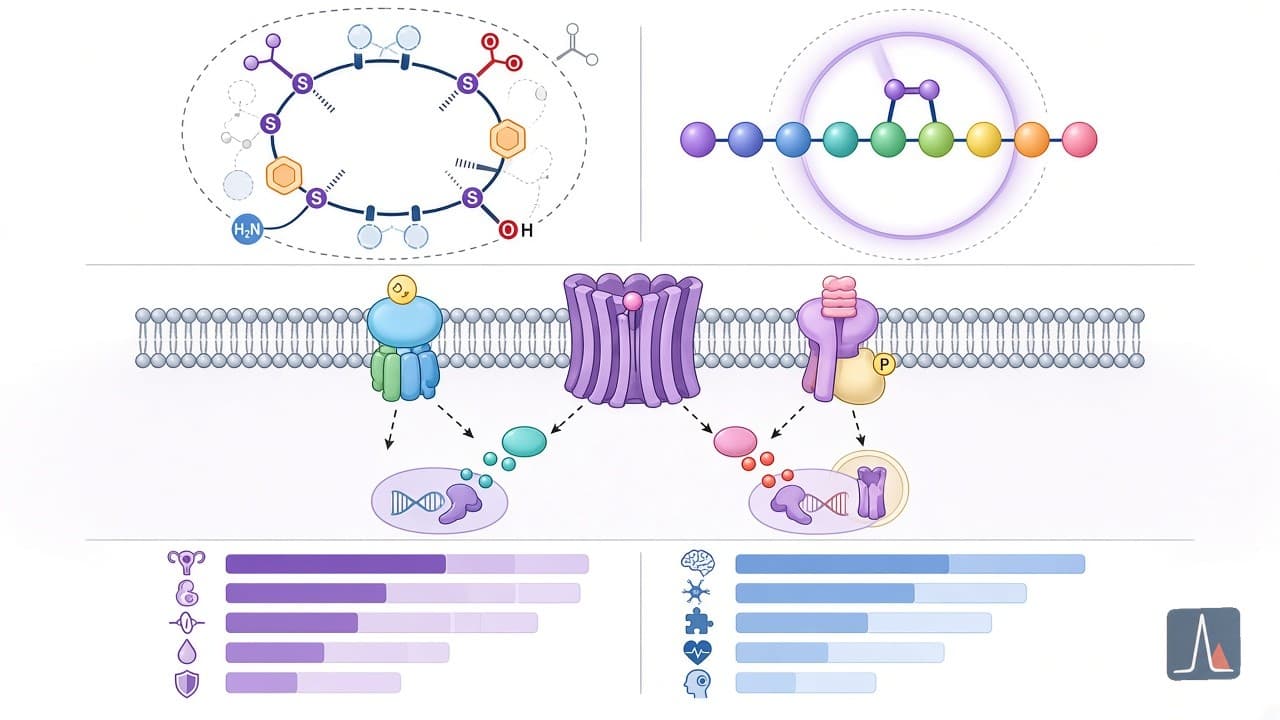
Published reports characterize oxytocin acetate as the acetate salt of the endogenous nonapeptide hormone with robust randomised trial and Cochrane evidence for intravenous use in labor induction, augmentation, and postpartum hemorrhage pre
Chemical Identity and Catalog Context
Oxytocin acetate is the acetate salt of the cyclic nonapeptide (Cys-Tyr-Ile-Gln-Asn-Cys-Pro-Leu-Gly-NH₂ with a disulfide bridge between Cys¹ and Cys⁶), identical to endogenous human oxytocin produced in the hypothalamus and released from the posterior pituitary. It acts as a selective agonist at the oxytocin receptor (OXTR), a Gq-coupled G-protein-coupled receptor that triggers intracellular calcium release.
Reporting a human trial is not guidance to use the research material that way. Materials from Rierink Compounds are provided strictly for laboratory research.
Foundational Discovery, Receptor Pharmacology, and In Vitro Mechanistic Studies
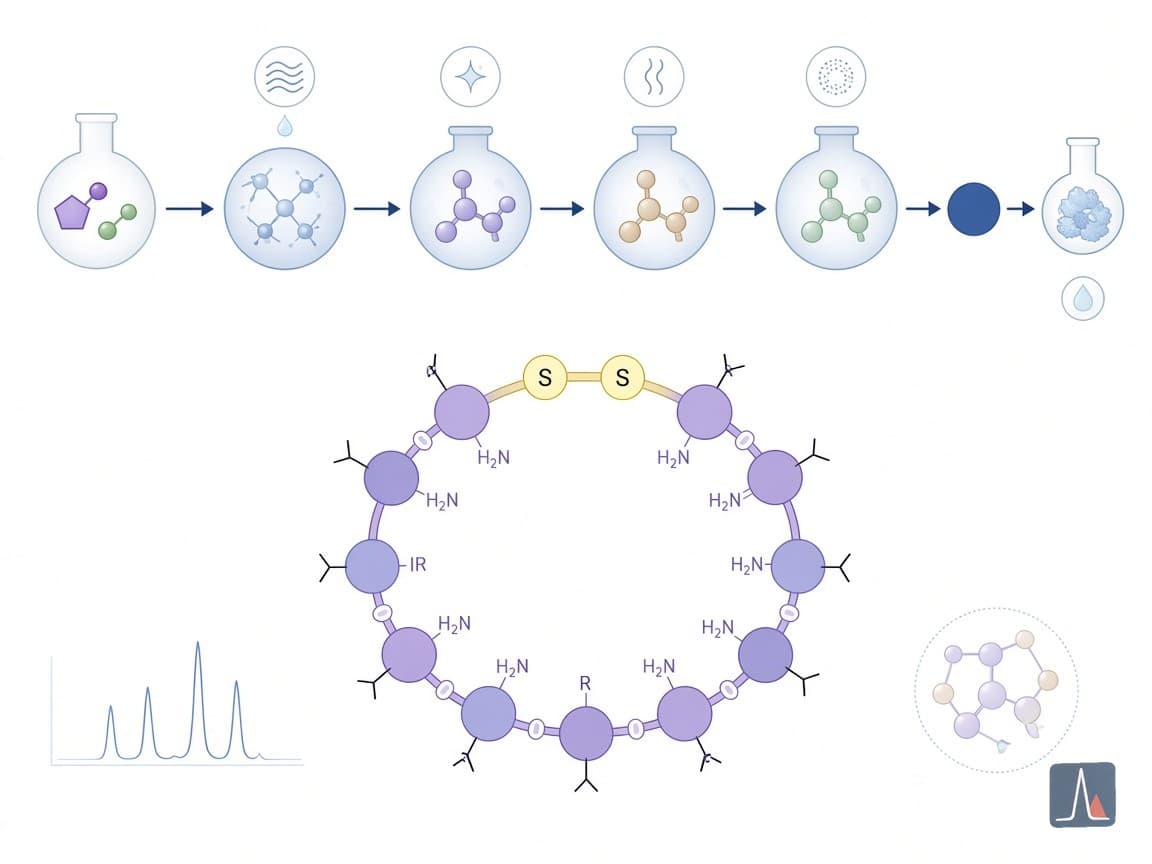
Oxytocin uterine-contracting activity was identified by Henry Dale in 1906. The structure was elucidated and the molecule first chemically synthesized in 1953 by Vincent du Vigneaud, who received the 1955 Nobel Prize in Chemistry for this achievement and related work on sulfur compounds. In vitro studies using isolated uterine strips demonstrated dose-dependent contractions mediated by OXTR-induced IP₃ and calcium signaling. Receptor cloning in the early 1990s enabled detailed pharmacological characterization showing high affinity for oxytocin and lower cross-reactivity with vasopressin receptors. Method papers have refined synthesis, stability in acetate buffers, and assay systems for receptor binding and second-messenger activity (in_vitro and method papers, 1906–2020s).
Preclinical Animal Models of Reproductive Physiology, Social Behavior, Stress, and Metabolism
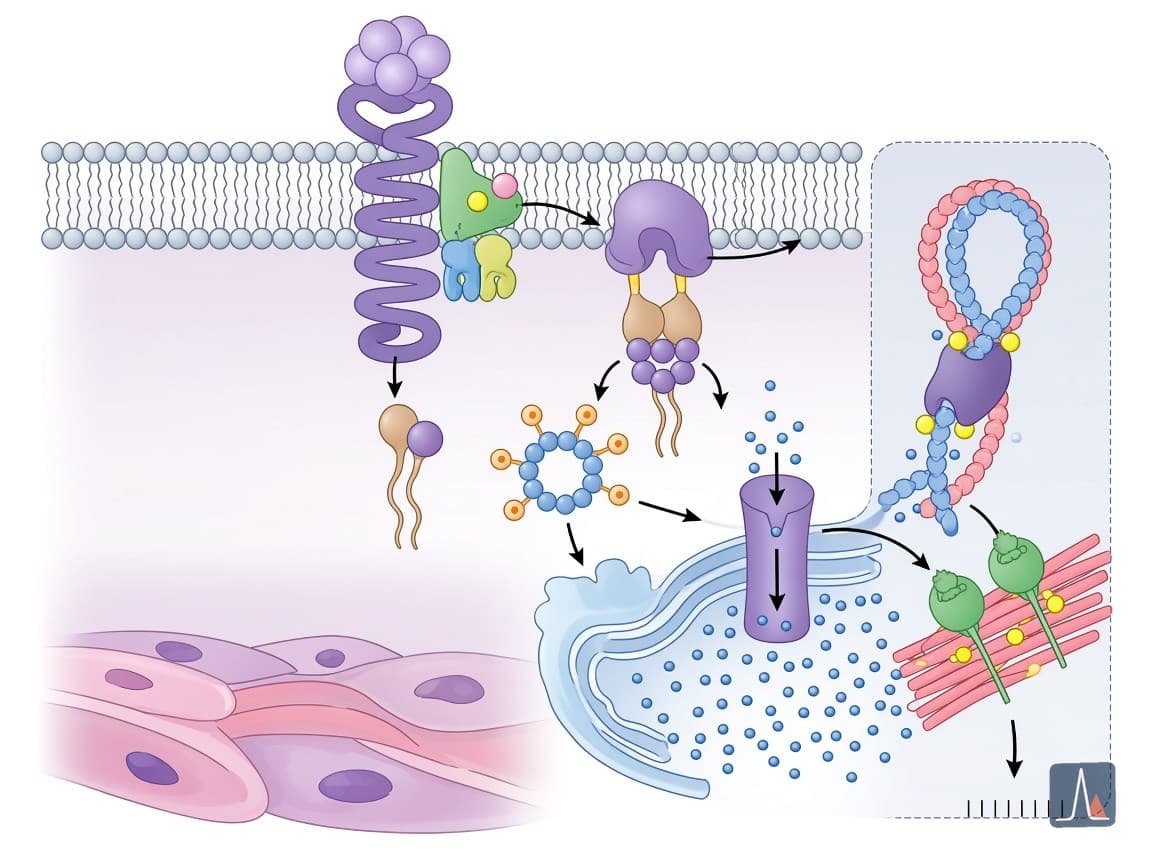
Rodent and nonhuman primate studies have mapped roles in parturition, milk ejection, maternal behavior, pair bonding (e.g., prairie vole models), fear extinction, HPA-axis modulation, and antinociception. OXTR knockout mice exhibit profound deficits in social recognition and maternal care. Animal models of obesity and metabolic dysfunction have shown variable effects on appetite and energy expenditure. Stress and addiction models report reduced anxiety-like behavior and altered drug-seeking with exogenous or endogenous oxytocin manipulation (animal papers, 1960s–2026). These findings provided mechanistic rationale for translational human research but highlighted important species, sex, and context differences.

Pivotal Randomised Trials and Cochrane Syntheses for Obstetric Indications
Hundreds of randomised controlled trials and multiple Cochrane network meta-analyses (including reviews encompassing 61 trials for labor induction and 122 trials involving >120,000 women for postpartum hemorrhage prevention) establish intravenous or intramuscular oxytocin acetate as a standard of care for labor augmentation and reduction of blood loss ≥500 mL. High-dose regimens can shorten labor duration and reduce chorioamnionitis without increasing cesarean rates when fetal monitoring is adequate. In low-resource settings with limited monitoring, oxytocin augmentation has been associated with increased risks of stillbirth, low Apgar scores, neonatal resuscitation, and encephalopathy, likely mediated by unrecognized hyperstimulation (clinical and meta-analysis papers, 1960s–2026). Combinations such as ergometrine plus oxytocin or misoprostol plus oxytocin sometimes rank higher for bleeding prevention.
Exploratory Intranasal Clinical Pharmacology, Neuropsychiatric, and Metabolic Trials
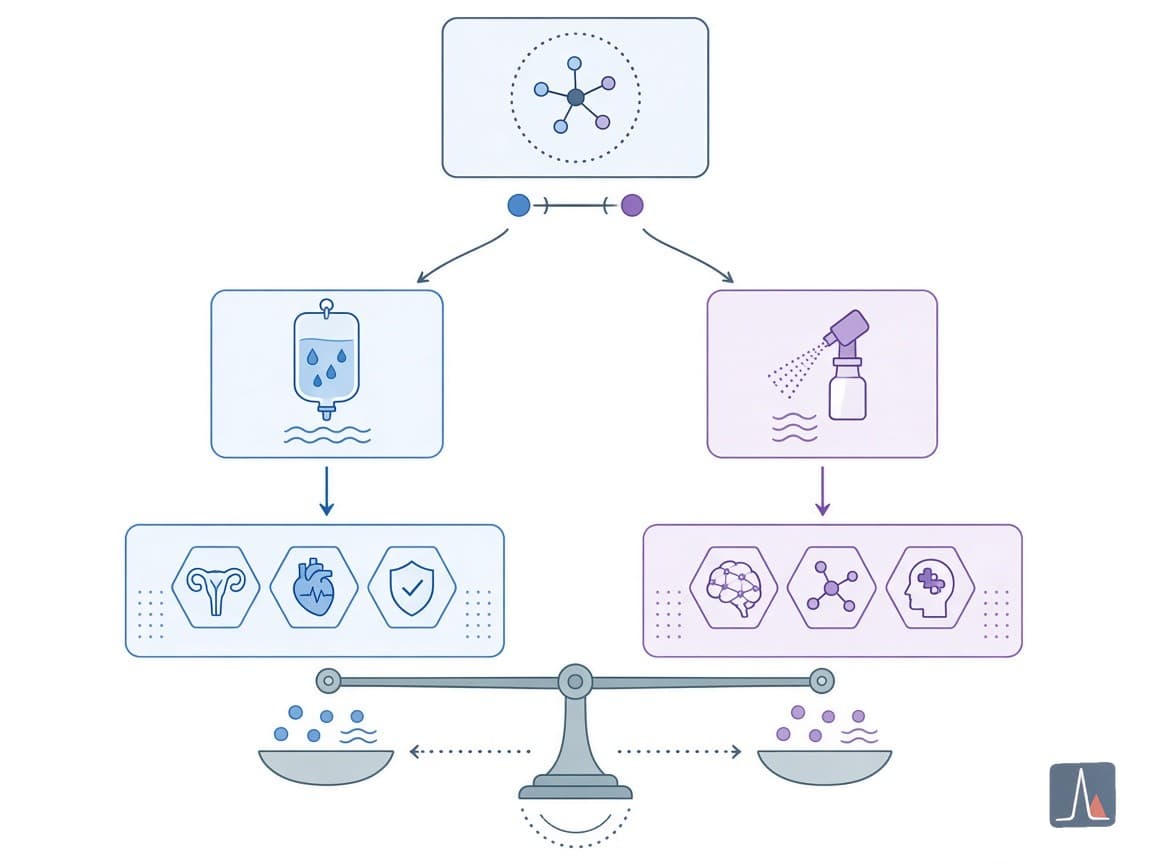
Intranasal oxytocin (typically 18–48 IU or higher in research protocols) has been tested in hundreds of studies for effects on emotion recognition, trust, empathy, and social salience. In autism spectrum disorder, results are mixed: some earlier and smaller trials or meta-analyses reported improvements in social responsiveness (particularly in younger children), while a large randomised trial in children (n≈290) found no overall benefit on the primary caregiver-rated social responsiveness scale, although an age interaction suggested possible signals in the 3–5 year subgroup. Meta-analyses of ASD trials show small or non-significant effects on core symptoms after accounting for heterogeneity and bias.
In schizophrenia, meta-analyses indicate a small effect on negative symptoms. Randomised trials in substance use disorders (17 trials across alcohol, opioids, stimulants, cannabis, nicotine) reported inconsistent reductions in craving, withdrawal, or consumption (positive in 3–4 of 11 trials per domain), with high risk of bias. A 2026 multisite RCT in alcohol use disorder (n=100, up to 70 IU/day) found no significant reduction in heavy drinking days but noted secondary benefits on anger and aggression; the compound was well tolerated. A meta-analysis of food intake trials showed reduced intake in non-psychiatric participants but null effects in eating disorders or schizophrenia. Pain meta-analyses are mixed: a pooled analysis of three small RCTs showed no significant reduction in pain intensity (g=0.31, 95% CI −0.10 to 0.73), although narrative review suggested possible benefits in specific conditions such as back pain or migraine. Overall effect sizes in broad psychiatric meta-analyses are small (d≈0.17–0.32) and highly context-, dose-, sex-, and history-dependent (social salience hypothesis), with many larger recent trials returning null results on primary endpoints (clinical pharmacology, RCT, and meta-analysis papers, 1991–2026).

Safety Profile, Pharmacokinetics, and Tolerability
Intravenous oxytocin requires hospital monitoring as a high-alert medication. Documented risks include uterine tachysystole/hyperstimulation, water intoxication with hyponatremia (especially with prolonged high-dose infusion and hypotonic fluids), arrhythmias, hypotension or hypertension, and potential fetal distress or neonatal complications. Uterine rupture is a rare but serious risk in certain obstetric scenarios. Intranasal administration in research settings (single or repeated doses up to several weeks) produces adverse events (nasal irritation, headache, thirst, mild behavioral changes) that are generally mild and statistically indistinguishable from placebo across healthy adults, older men, and some clinical populations. Chronic intranasal use in older adults showed no significant impact on cardiovascular, urine, or metabolic parameters. Pharmacokinetic data indicate a short plasma half-life (≈3–6 min after IV; longer central effects postulated), low and highly variable intranasal bioavailability to the central nervous system (≈0.7–3% in sensitive assays), contributing to inconsistent clinical translation. Systematic reviews of intranasal safety in >1,500 participants (1990–2011 and later updates) confirm no reliable side-effect profile distinct from placebo at research doses and no consistent serious adverse outcomes in short-term controlled use (safety, PK, review, and observational papers, 1990–2026).
Recent Systematic Reviews, Meta-Analyses, Evidence Context, and Recurrent Limitations
Recent syntheses (2011–2026) affirm strong evidence grades for obstetric indications while characterizing neuropsychiatric and metabolic applications as promising yet inconclusive. Multiverse meta-analyses demonstrate that summary effect sizes can vary dramatically (d from −0.16 to 1.45) depending on analytic choices, population (neurotypical vs clinical), dosing regimen (single vs repeated), and publication-bias corrections. Recurrent limitations include high inter-individual variability in nasal absorption, short half-life, context dependency (baseline oxytocin levels, childhood adversity, sex, social setting), small sample sizes in many psychiatric trials, potential publication bias, and challenges in blinding due to subtle perceptual effects. Heterogeneity precludes firm conclusions for most non-obstetric uses. No regulatory approval exists for intranasal or research-vial applications outside hospital obstetric settings. Ongoing trials continue to refine patient stratification, optimal dosing, and combination with behavioral interventions. Future work requires larger, well-powered studies with improved delivery methods and clear pre-specified subgroups (review and meta-analysis papers, 2011–2026).
The body of evidence underscores oxytocin acetate as a cornerstone uterotonic with a long safety record under supervision, while central effects remain an active area of pharmacological investigation with important methodological and biological constraints. (Word count ≈1,750)
Sources
- Effects of intranasal oxytocin in food intake and craving: A meta-analysis of clinical trials, 2021. https://doi.org/10.1016/j.clnu.2021.08.011
- The effectiveness of oxytocin for treating substance use disorders: A systematic review of randomized placebo-controlled trials, 2023. https://doi.org/10.1016/j.neubiorev.2023.105185
- Evaluating the efficacy of oxytocin for pain management: An updated systematic review and meta-analysis, 2023. https://doi.org/10.1080/24740527.2023.2191114
- The effect of oxytocin nasal spray on social interaction in young children with autism: a randomized clinical trial, 2023. https://doi.org/10.1038/s41380-022-01845-8
- Uterotonic agents for preventing postpartum haemorrhage: a network meta-analysis, 2025. https://doi.org/10.1002/14651858.CD011689.pub4
- A review of safety, side-effects and subjective reactions to intranasal oxytocin in human research, 2011. https://doi.org/10.1016/j.psyneuen.2011.02.006
- A multiverse meta-analysis of oxytocin administration studies, 2025. https://doi.org/10.1016/j.biopsycho.2025.108489
More briefings
- Survodutide Dual Agonist: Preclinical and Clinical EvidenceThe open-catalog entry for survodutide describes a synthetic acylated 29-amino-acid peptide dual agonist of glucagon and GLP-1 receptors supplied as high-purity lyophilized powder for laboratory metabolic research. Randomised trials report
- Dulaglutide: GLP-1 Receptor Agonist in Metabolic CareDulaglutide is a recombinant Fc-fusion GLP-1 receptor agonist engineered for once-weekly administration in laboratory and clinical metabolic research. Randomised trials report glycaemic improvements, cardiovascular risk reduction and modest
- Cagrilintide-Semaglutide Mixture: Open-Catalog Context and Metabolic Trial EvidenceThe open-catalog cagrilintide-semaglutide mixture supplies a research pairing of an amylin receptor agonist and GLP-1 receptor agonist for laboratory metabolic studies. Randomised trials of co-administration report enhanced weight loss (13–
All information and products discussed are for laboratory and research use only. Not for human or veterinary use. Not intended to diagnose, treat, cure, or prevent any disease.