
26 October 2026
Published Reports on Melatonin
Download PDF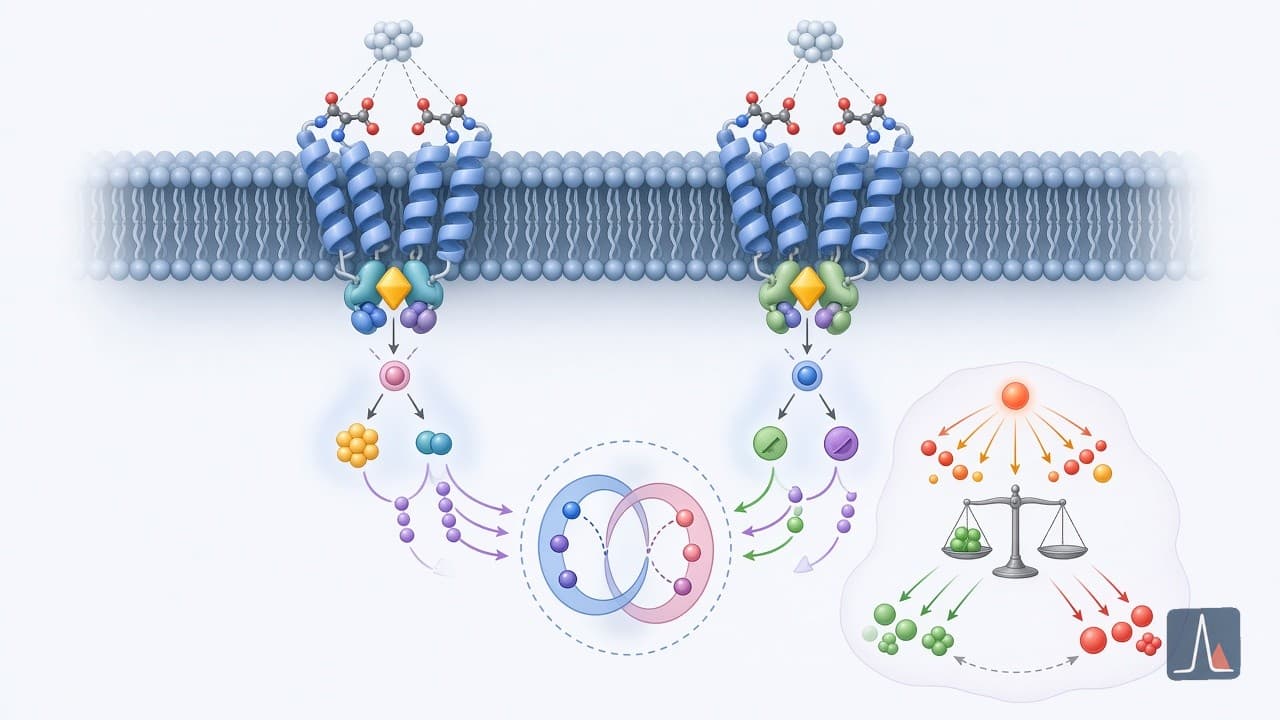
Indexed papers describe melatonin as an endogenous pineal hormone (N-acetyl-5-methoxytryptamine) studied for circadian regulation, MT1/MT2 receptor signaling, antioxidant activity, sleep physiology, and clinical readouts in insomnia, deliri
Published Reports on Melatonin
Indexed pharmacological, preclinical, and clinical papers describe melatonin (N-acetyl-5-methoxytryptamine) as the primary pineal hormone and MT1/MT2 receptor agonist studied for circadian regulation, sleep physiology, neuroprotection, antioxidant activity, and diverse metabolic/reproductive readouts. Those records do not establish research-vial use. Melatonin is for laboratory research only. Materials on the site are for laboratory research only. They are not medicines. Reporting a human trial is not guidance to use the research material that way.
Chemical Identity and Catalog Context
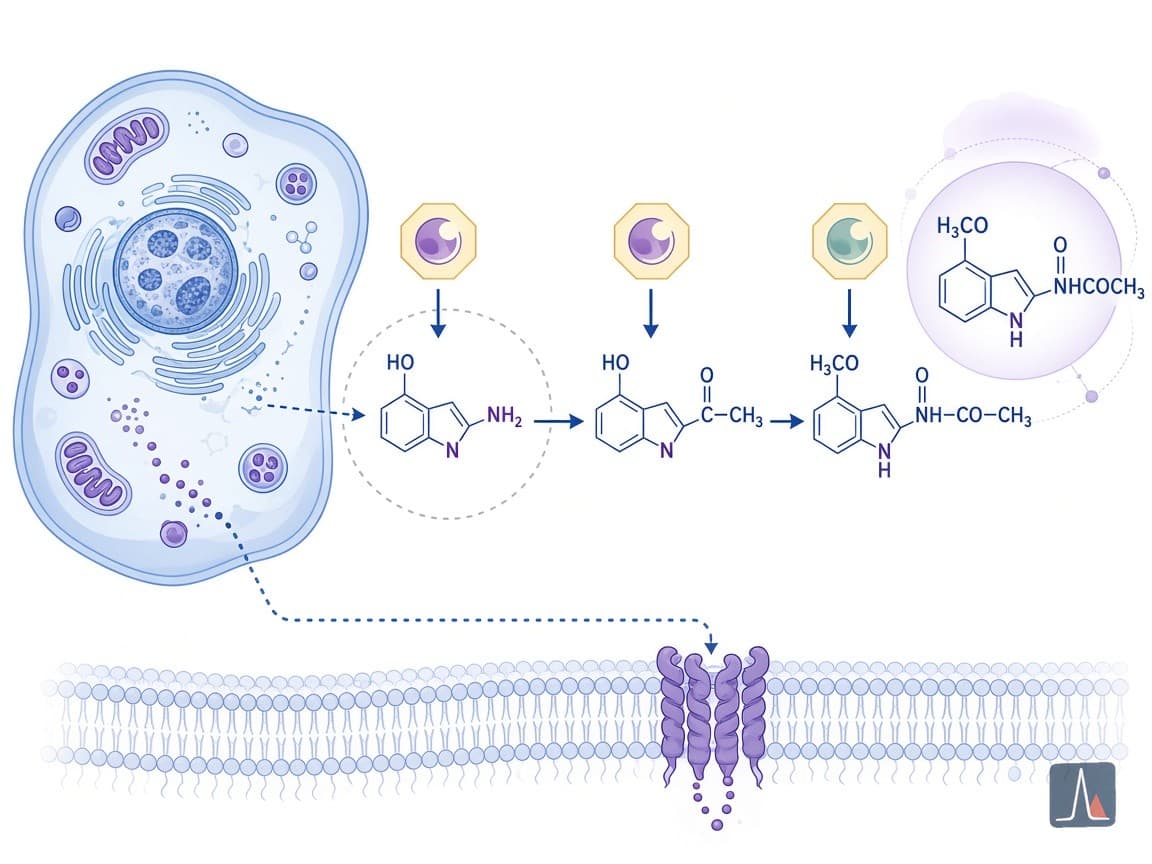
Melatonin is an indoleamine synthesized from serotonin via arylalkylamine N-acetyltransferase (AA-NAT) and hydroxyindole O-methyltransferase (HIOMT). It is highly lipophilic, crosses the blood-brain barrier, and acts primarily as an agonist at MT1 and MT2 G-protein coupled receptors in the suprachiasmatic nucleus (SCN). In the open catalog it is supplied strictly for laboratory investigation of chronobiology, receptor pharmacology, redox signaling, and pleiotropic effects. The indexed literature spans discovery (1958), receptor cloning (1990s), preclinical models, pharmacokinetic studies, hundreds of randomised trials, and numerous meta-analyses and umbrella reviews through 2026. These records characterize observed mechanisms and reported outcomes but do not support or establish any non-research application of catalog material.
Foundational Discovery, Biosynthesis, Receptor Pharmacology, and In Vitro Mechanistic Studies (in_vitro and method papers, 1958–2020s)
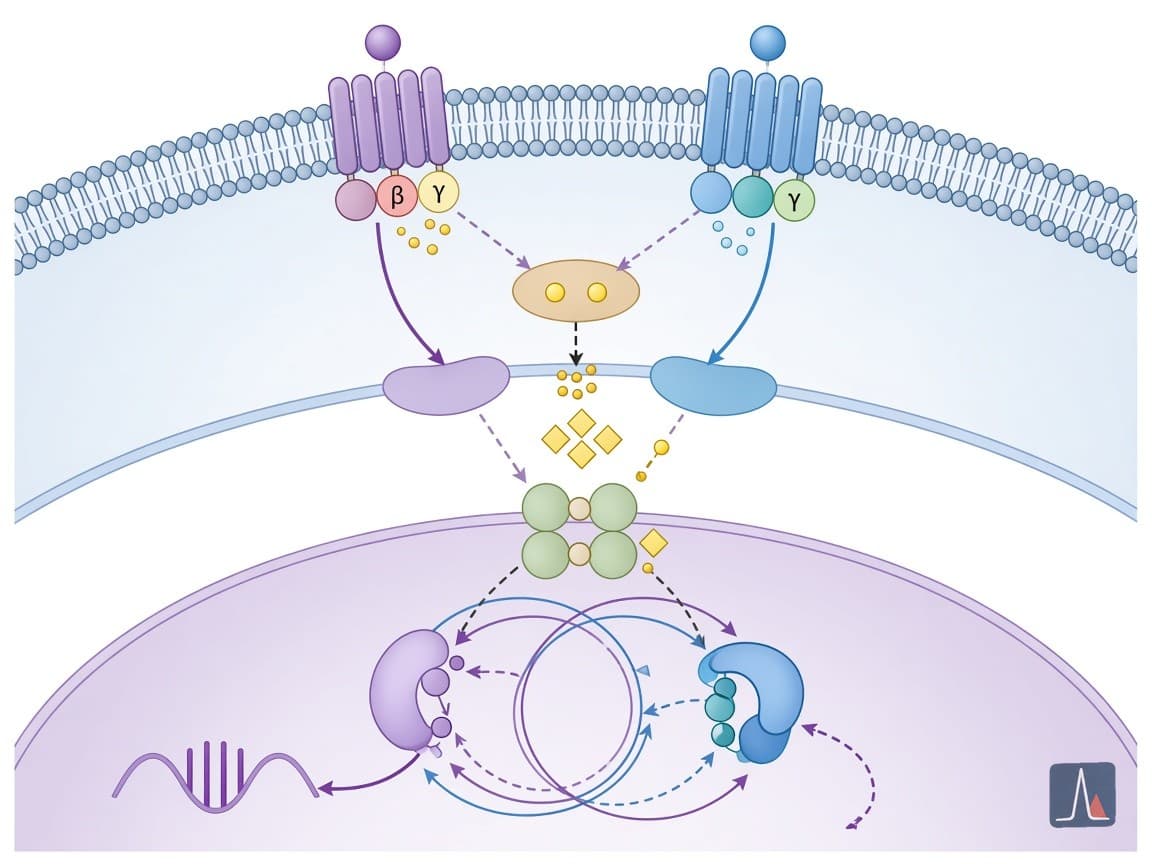
Aaron Lerner isolated melatonin in 1958 as the pineal factor responsible for amphibian skin lightening. Subsequent biochemical work elucidated its nocturnal biosynthesis in the pineal gland under sympathetic control from the SCN, with AA-NAT as the rate-limiting enzyme suppressed by light. Receptor cloning (MT1/MTNR1A and MT2/MTNR1B in the mid-1990s) and pharmacological characterization with 2-[125I]iodomelatonin established picomolar-to-nanomolar affinity and primary Gi/o coupling that inhibits adenylyl cyclase and cAMP accumulation in SCN neurons. Additional pathways include context-dependent Gq/PLC, potassium channel modulation, and β-arrestin recruitment. In vitro studies also demonstrated receptor-independent direct scavenging of reactive oxygen and nitrogen species, upregulation of Nrf2-driven antioxidant enzymes (SOD, GPx, catalase), mitochondrial protection, and anti-apoptotic signaling. Method papers refined RIA, HPLC, LC-MS quantification, radioligand binding, and structural biology (cryo-EM receptor structures in the 2020s). These foundational reports delineated both chronobiotic and cytoprotective mechanisms. 1 2

Preclinical Animal Models of Circadian Regulation, Sleep, Oxidative Stress, Neuroprotection, and Metabolic Homeostasis (animal papers, 1970s–2026)
Rodent, primate, and other models demonstrated that melatonin entrains locomotor activity, accelerates re-entrainment after phase shifts, and restores sleep architecture in pinealectomized or aged animals. In models of cerebral ischemia-reperfusion, MPTP-induced parkinsonism, transgenic Alzheimer disease, sleep deprivation, and metabolic syndrome, melatonin reduced infarct volume, dopaminergic neuron loss, amyloid-β and tau pathology, microglial activation, lipid peroxidation (↓MDA), nitrotyrosine, and apoptosis while elevating SOD, GPx, catalase, Bcl-2, BDNF, and mitochondrial function. Anti-inflammatory effects (↓NF-κB, cytokines) and improved insulin sensitivity were reported in diet-induced obesity and diabetes models. Reproductive toxicity and gonad models showed protection of spermatogenesis and oocyte quality. Recent studies reinforced mitophagy, TFEB activation, and hippocampal neurogenesis. While directionally consistent, many experiments used supraphysiological doses and short durations, limiting direct clinical translation. 3
Human Pharmacokinetic, Circadian Physiology, and Randomised Trials for Sleep, Jet Lag, Shift Work, and Insomnia (clinical pharmacology, RCT, and meta-analysis papers, 1990s–2026)
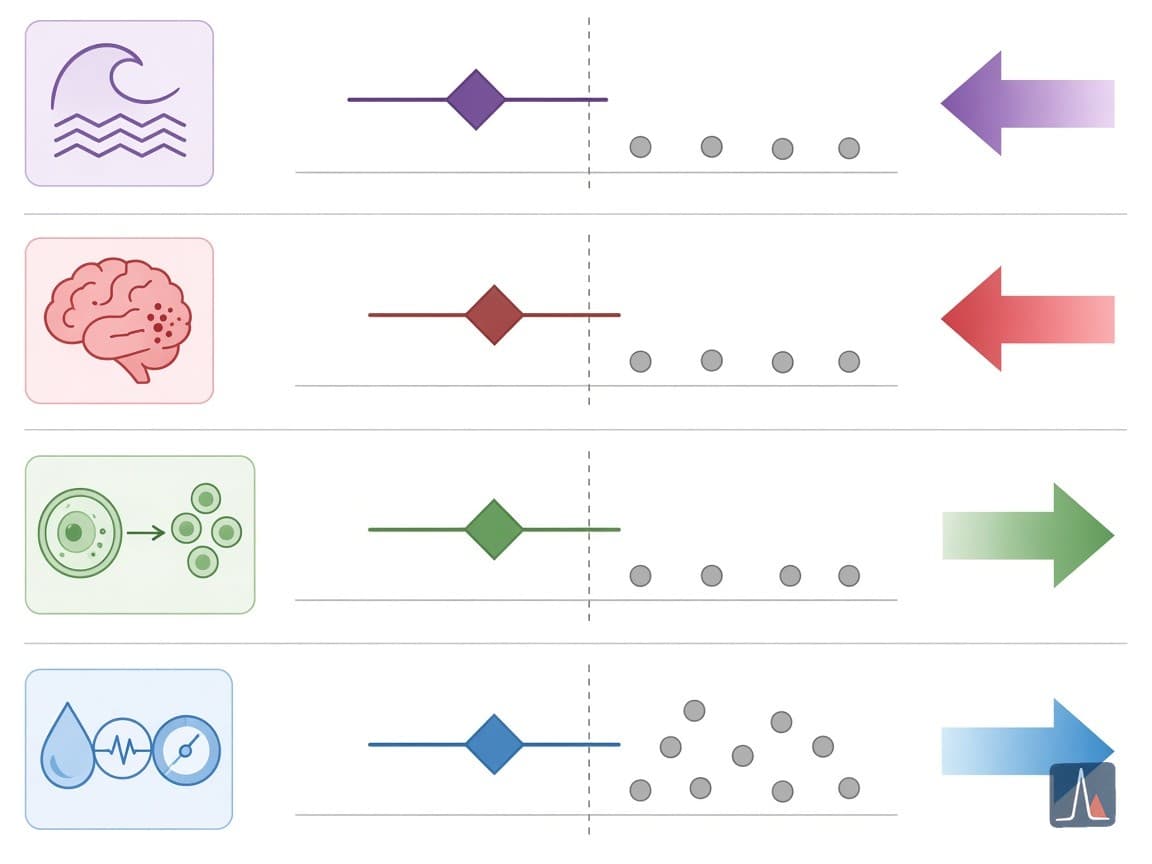
Oral melatonin exhibits rapid absorption (Tmax ~30–60 min for immediate-release), short plasma half-life (~20–60 min), and variable bioavailability (often 9–33%) due to first-pass CYP1A2 metabolism; sustained-release formulations extend exposure and better mimic the nocturnal profile. Physiological studies confirmed dose- and timing-dependent phase advances or delays of dim-light melatonin onset (DLMO), core body temperature nadir, and sleep propensity. Randomised trials and meta-analyses report modest reductions in sleep-onset latency (SMD ~0.33), increases in total sleep time, and improved subjective quality, with stronger and more consistent effects in children/adolescents, older adults, comorbid insomnia, jet lag (especially eastward travel >5 zones), and daytime sleep after night shifts. A 2026 polysomnography-backed randomised trial of 2 mg sustained-release melatonin over 28 days showed statistically significant gains in sleep efficiency, total sleep time, reduced sleep-onset latency and wake-after-sleep-onset versus placebo, corroborated by PSQI scores. A 2022 meta-analysis of chronic insomnia concluded efficacy primarily in pediatric/adolescent populations, with limited benefit in non-comorbid adult insomnia. Adverse events were generally mild (headache, dizziness, nausea). 4 5
Broader Clinical Reports in Delirium Prevention, Perioperative Care, Assisted Reproduction, Pain, Migraine, and Cardiometabolic Outcomes (RCTs, meta-analyses, and pooled analyses, 2000–2026)
In critically ill adults, a 2026 meta-analysis of 22 RCTs (n = 3706) reported a 25% relative reduction in delirium incidence (RR 0.75) but no significant effect on delirium duration, ICU length of stay, or mortality. Perioperative trials and the 2022 umbrella review documented reduced analgesic requirements and prolonged time to first analgesic request. In assisted reproductive technology, multiple 2025 meta-analyses showed improvements in mature (MII) oocytes, top-quality embryos, fertilization rates, and clinical pregnancy rates (stronger signals in PCOS or diminished ovarian reserve), though effects on live-birth rate were inconsistent or null in some analyses. A 2026 systematic review and meta-analysis of 23 RCTs (n = 2028) in chronic musculoskeletal pain found modest pain-intensity reduction (~9–10 points on a 100-point scale) plus improved sleep quality. Migraine-prophylaxis meta-analyses reported reductions in attack frequency, severity, duration, analgesic use, and disability scores. Cardiometabolic dose-response meta-analyses (up to 63 RCTs through 2025) noted reductions in systolic blood pressure, fasting glucose, LDL-C, total cholesterol, C-reactive protein, and malondialdehyde, with increases in total antioxidant capacity and HDL-C; modest BMI and HOMA-IR improvements were observed in women with overweight/obesity. Post-CABG/STEMI pooled data suggested LVEF gains (~4 percentage points). Adverse events remained mild across these reports. 2 6 7
Recent Systematic Reviews, Umbrella Reviews, Scoping Syntheses, Regulatory Context, and Recurrent Limitations (review, meta-analysis, umbrella, and scoping papers, 2020–2026)
A 2022 umbrella review of meta-analyses of randomised controlled trials identified robust statistical support (significant with low heterogeneity) for improvements in sleep-related problems, perioperative analgesia, top-quality embryos in ART, and one-year survival in selected cancer adjunct settings. A 2026 scoping review of 57 systematic reviews (227 meta-analyses) found that 80.9% of comparisons favored melatonin over placebo for sleep-quality domains, although definitions and measurement tools were highly heterogeneous and methodological quality of the reviews varied. Additional 2025–2026 condition-specific meta-analyses reinforced favorable directional effects for delirium prevention, musculoskeletal pain with comorbid sleep disturbance, migraine, cardiometabolic risk factors, and ART parameters. Regulatory status varies: widely available as a dietary supplement in the United States with variable product content and quality; prolonged-release 2 mg formulations are approved as medicines for primary insomnia in patients over 55 years in parts of Europe and elsewhere; synthetic MT1/MT2 agonists (ramelteon, tasimelteon) carry specific approvals for insomnia or non-24-hour sleep-wake disorder. Recurrent limitations include substantial heterogeneity in dose (commonly 0.5–10 mg, range wider), formulation (immediate- vs sustained-release critical for pharmacokinetics), administration timing relative to circadian phase, study populations, outcome instruments (subjective vs polysomnography), and treatment duration (predominantly short-term). Many trials are small or underpowered for hard endpoints, evidence quality ranges from moderate to low in some domains, publication bias is possible, and long-term (>6–12 months) safety and efficacy data remain limited for non-sleep indications. Effect sizes are often modest and context-dependent. 8
Evidence Context and Recurrent Limitations
The published corpus on melatonin is among the most extensive for any endogenous signaling molecule. Foundational receptor and chronobiotic mechanisms are well-established, preclinical antioxidant and neuroprotective data are robust and reproducible across models, and human trials plus evidence syntheses provide consistent directional support for reduced sleep-onset latency, improved subjective sleep quality in targeted populations, delirium risk reduction in critical care, modest pain and migraine benefits when sleep is also improved, select ART embryo-quality gains, and favorable changes in certain cardiometabolic and oxidative-stress markers. Benefits are most pronounced when addressing circadian misalignment, oxidative burden, or specific subgroups (children/adolescents, older adults, perioperative/ICU patients). Effect magnitudes are typically modest compared with primary hypnotics or targeted therapies, and many positive signals are stronger for subjective than objective endpoints or secondary outcomes. Recurrent limitations across the literature include dosing and formulation heterogeneity, variable bioavailability, inter-individual differences in endogenous melatonin production, short study durations, risk of bias in smaller trials, inconsistent live-birth or long-term cardiovascular data, and challenges distinguishing chronobiotic from direct pharmacological or placebo effects. While generally well-tolerated with low rates of serious adverse events and no apparent dependence or withdrawal, long-term safety in pediatric, pregnant, or supratherapeutic use requires further study. These published reports characterize laboratory and clinical findings for scientific context only and do not constitute health claims, dosing guidance, or endorsement of any therapeutic application of research materials.
Sources
- Effects of exogenous melatonin supplementation on health outcomes: An umbrella review of meta-analyses based on randomized controlled trials. Pharmacol Res. 2022. doi: 10.1016/j.phrs.2021.106052. PMID: 34999224. 2
- Efficacy of melatonin for chronic insomnia: Systematic reviews and meta-analyses. Sleep Med Rev. 2022. doi: 10.1016/j.smrv.2022.101692. PMID: 36179487. 4
- Melatonin supplementation reduces delirium incidence in critically ill patients: a systematic review and meta-analysis. 2026 meta-analysis (22 RCTs, n=3706). RR 0.75 for incidence. 6
- Comprehensive Effects of Melatonin Supplementation on Cardiometabolic Risk Factors: A Systematic Review and Dose–Response Meta-Analysis. 2025/2026 (63 RCTs). Reductions in SBP, FBG, LDL, TC, CRP, MDA; increases in TAC, HDL. 7
- Exogenous Melatonin and Sleep Quality: A Scoping Review of Systematic Reviews. 2026 (57 SRs, 227 metas); 80.9% favored melatonin. 8
- Additional foundational receptor reviews (IUPHAR, 2010) and 2025–2026 condition-specific metas on pain, ART, migraine, and LVEF outcomes.
Linked: glutathione, nad, dsip, epithalon, pinealon, semax, selank.
More briefings
- Survodutide Dual Agonist: Preclinical and Clinical EvidenceThe open-catalog entry for survodutide describes a synthetic acylated 29-amino-acid peptide dual agonist of glucagon and GLP-1 receptors supplied as high-purity lyophilized powder for laboratory metabolic research. Randomised trials report
- Dulaglutide: GLP-1 Receptor Agonist in Metabolic CareDulaglutide is a recombinant Fc-fusion GLP-1 receptor agonist engineered for once-weekly administration in laboratory and clinical metabolic research. Randomised trials report glycaemic improvements, cardiovascular risk reduction and modest
- Cagrilintide-Semaglutide Mixture: Open-Catalog Context and Metabolic Trial EvidenceThe open-catalog cagrilintide-semaglutide mixture supplies a research pairing of an amylin receptor agonist and GLP-1 receptor agonist for laboratory metabolic studies. Randomised trials of co-administration report enhanced weight loss (13–
All information and products discussed are for laboratory and research use only. Not for human or veterinary use. Not intended to diagnose, treat, cure, or prevent any disease.