
30 October 2026
Published Reports on Melanotan II
Download PDF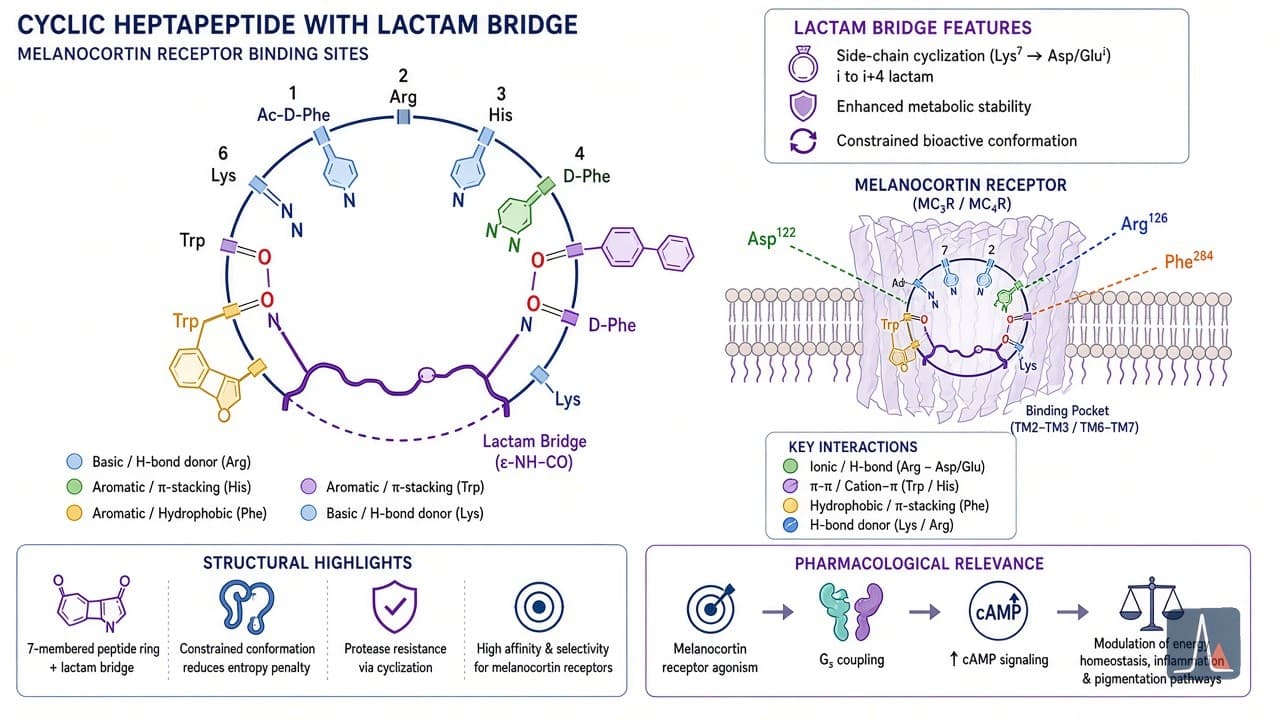
Published reports characterize Melanotan II as a synthetic cyclic heptapeptide non-selective melanocortin receptor agonist with preclinical data on melanogenesis, appetite suppression and sexual behavior, small early human trials showing ta
Published Reports on Melanotan II
Published reports characterize Melanotan II (also known as MT-II or Melanotan-2) as a synthetic cyclic heptapeptide non-selective melanocortin receptor agonist ([Ac-Nle4-c[Asp5-His6-D-Phe7-Arg8-Trp9-Lys10]-NH2]) developed in the late 1980s–early 1990s at the University of Arizona. It has been studied preclinically for MC1R-mediated melanogenesis, MC4R-driven appetite suppression and sexual motivation, and in limited early human trials for UV-independent tanning and erectile dysfunction. These small clinical studies (total ~23 men) demonstrated tanning and erection induction but were limited by prominent nausea; development was discontinued in favor of more selective analogs such as bremelanotide (PT-141). Extensive preclinical use as a pharmacological tool has generated robust data on pigmentation, feeding behavior, and sexual function in animal models, with one recent study exploring topical antitumor effects. Unregulated self-administration has been linked to case reports of melanocytic changes (eruptive or darkening nevi), melanoma diagnoses (association, not proven causation, often with UV exposure), priapism, rhabdomyolysis, renal complications, and product quality issues. No large-scale randomised controlled trials, long-term safety data, or regulatory approvals exist for any indication. A Phase 2 trial investigating adjunctive use with narrow-band UVB in vitiligo was registered in 2026. Reporting of human trials is not guidance to use the research material that way. All materials from Rierink Compounds are for laboratory research only and are not medicines.
Chemical Identity and Catalog Context
Melanotan II is a conformationally constrained cyclic lactam-bridged heptapeptide analog of α-melanocyte-stimulating hormone (α-MSH), designed to improve metabolic stability and potency over the native 13-amino-acid peptide. The structure features Nle4 substitution, a lactam bridge between Asp5 and Lys10, and the core His6-D-Phe7-Arg8-Trp9 pharmacophore that confers superpotency at melanocortin receptors. It acts as a non-selective agonist with highest affinity for MC1R (pigmentation) and significant activity at MC3R, MC4R (central appetite and sexual regulation), and MC5R. This profile distinguishes it from the more MC1R-selective Melanotan I (afamelanotide), which reached regulatory approval for erythropoietic protoporphyria. In the Rierink catalog, Melanotan II is offered alongside related melanocortin research tools and analogs such as PT-141 for qualified laboratory researchers investigating receptor pharmacology, pigmentation pathways, or neuroendocrine signaling. It is not intended for human or animal administration.
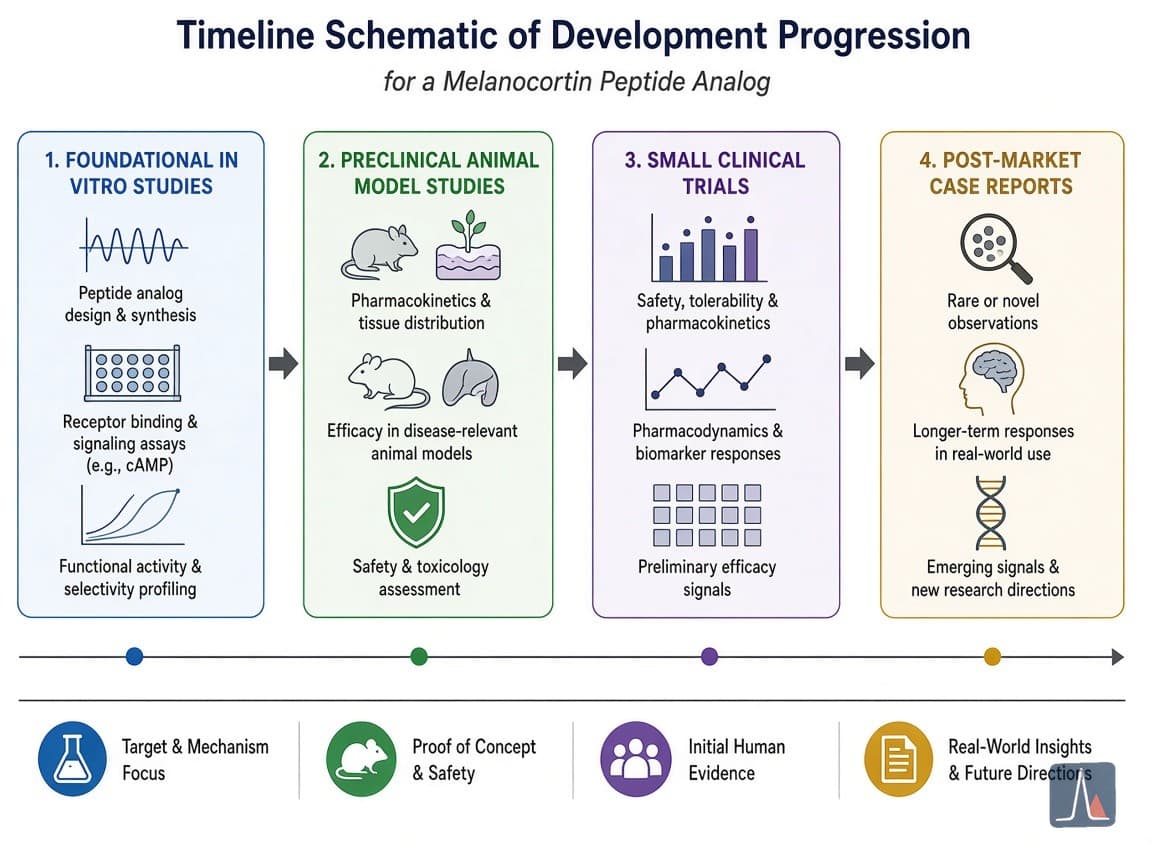
Foundational Discovery, Receptor Pharmacology, and In Vitro Mechanistic Studies (in_vitro and method papers, 1989–2010s)
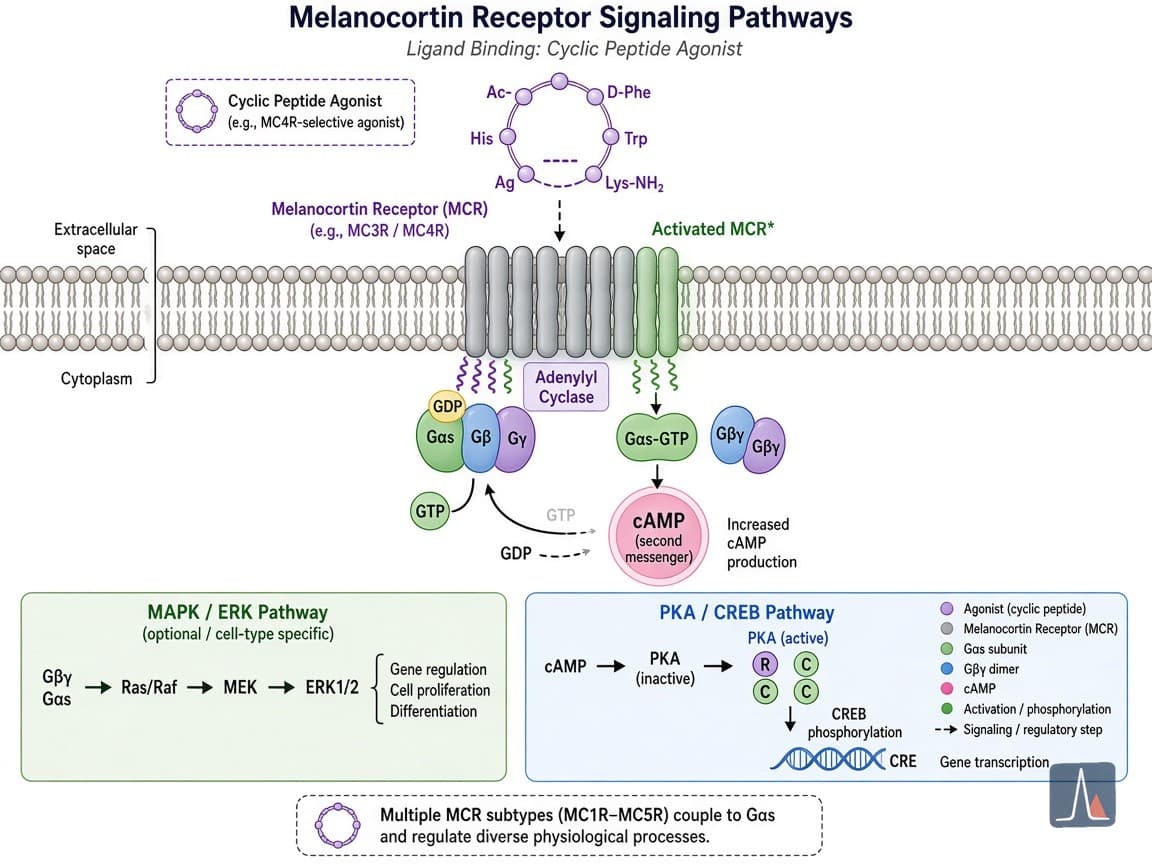
The compound was designed and synthesized in the Hruby and Hadley laboratories at the University of Arizona as part of a program to create superpotent, enzymatically stable α-MSH analogs. Early method papers (late 1980s–1990s) described solution-phase and solid-phase syntheses, lactam cyclization strategies, and structure-activity relationships that identified the D-Phe7 substitution and cyclic constraint as key to enhanced potency and duration. In vitro studies using frog skin bioassays, mammalian melanocyte cultures, and transfected cell lines (CHO, HEK293) expressing human melanocortin receptors demonstrated nanomolar to sub-nanomolar binding affinities (Ki ≈ 0.67 nM at hMC1R, 6.6 nM at hMC4R) and functional potency in cAMP accumulation and melanin production assays, exceeding native α-MSH at several subtypes. Subsequent papers refined radioligand binding protocols, explored downstream signaling (tyrosinase activation, MITF transcription), and compared selectivity profiles across the five MCR subtypes. These foundational in vitro and methodological studies established MT-II as a valuable pharmacological tool for dissecting melanocortin biology but also highlighted its lack of receptor selectivity compared with later analogs. No human safety or efficacy conclusions can be drawn from cell-based receptor pharmacology alone.
Preclinical Animal Models of Melanogenesis, Appetite Regulation, Sexual Behavior, and Other Effects (animal papers, 1990s–2026)
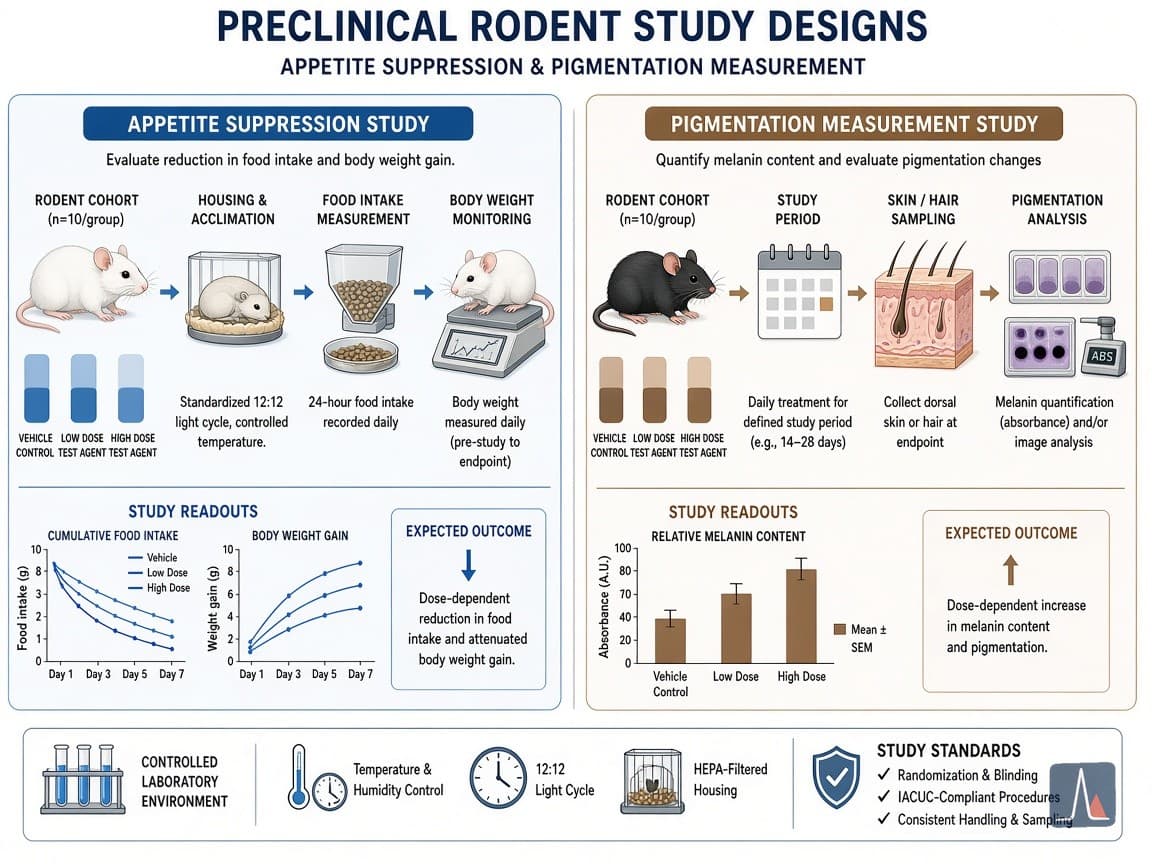
Rodent and other animal models have extensively characterized MT-II. In pigmentation assays, subcutaneous or central administration induced eumelanin production and visible darkening in fair-skinned strains without ultraviolet exposure, consistent with MC1R agonism. Feeding studies across multiple paradigms (fasted, neuropeptide Y-induced, ob/ob, diet-induced obese) consistently showed acute reductions in food intake and body weight, mediated primarily by central MC4R; some reports noted increased energy expenditure and brown adipose tissue thermogenesis, although rapid tachyphylaxis (tolerance within days) often limited chronic efficacy. Sexual behavior models in male rats demonstrated pro-erectile effects via paraventricular nucleus and spinal pathways, independent of nitric oxide in some paradigms; female rat studies showed enhanced proceptive behaviors (hops, darts, ear wiggling) when hormonally primed. Additional animal work has explored neuroprotective properties in nerve crush models, memory improvement in high-fat diet paradigms, and amelioration of autism-like features in maternal immune activation models. A 2020 study reported that topical MT-II suppressed B16-F10 melanoma progression in mice through MC1R-dependent PTEN upregulation and COX-2 inhibition. These preclinical findings illustrate the breadth of melanocortin physiology but cannot be directly extrapolated to humans; many effects (particularly metabolic) show species or context dependence, and long-term studies are limited. Theory suggests that sustained MC4R agonism could plausibly influence human energy balance, but this remains untested in controlled clinical settings.
Early Human Pilot and Randomised Crossover Studies for Tanning and Erectile Dysfunction (clinical papers, 1996–2000)
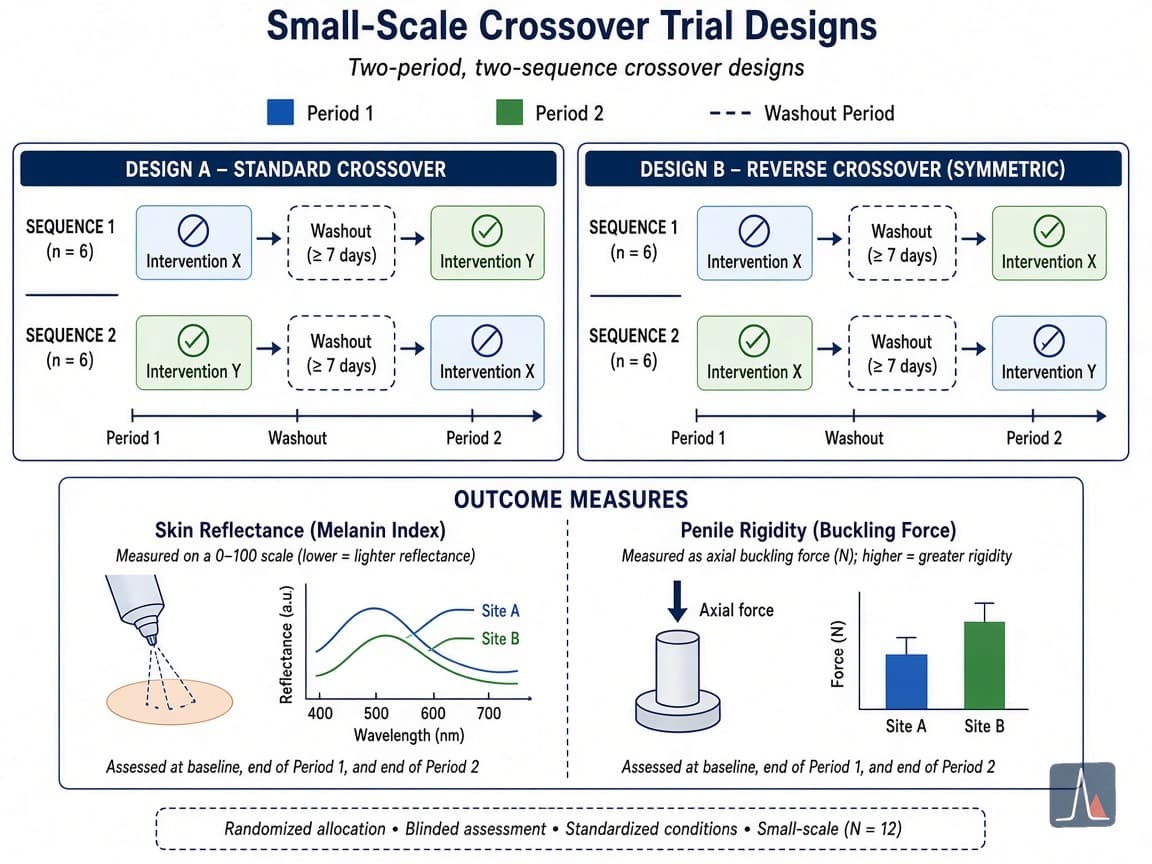
Human evidence is confined to three small studies from the Arizona group. The 1996 single-blind pilot (n=3 healthy men) administered subcutaneous MT-II at escalating doses (0.01–0.03 mg/kg) on alternate days for two weeks. Two of three subjects exhibited measurable increases in skin pigmentation (face, upper body, buttocks) by reflectance spectrophotometry and visual assessment one week after the final dose, without deliberate UV exposure. Side effects included mild nausea at most doses, a characteristic yawning and stretching response, spontaneous penile erections lasting 1–5 hours, and somnolence/fatigue at the highest dose in one subject. The authors concluded that MT-II could induce tanning after few low doses and recommended 0.025 mg/kg for further evaluation.
Two subsequent double-blind, placebo-controlled crossover trials (total ~20 men with psychogenic or organic erectile dysfunction risk factors) tested 0.025 mg/kg subcutaneous MT-II using real-time RigiScan monitoring. In the 1998 psychogenic ED study (n=10), clinically apparent erections occurred in 8 of 10 men on active treatment versus near-zero on placebo; mean duration of tip rigidity >80% was 38 minutes versus 3 minutes (p=0.0045). The 2000 study in men with organic risk factors and pooled analyses reported erections after 12 of 19 injections versus 1 of 21 placebo doses, with increased subjective sexual desire (68% vs 19% of doses). Nausea and yawning were reported more frequently with MT-II; severe nausea occurred after approximately 13% of active doses in one analysis. No serious adverse events requiring intervention were noted in these supervised settings. These studies provided foundational proof-of-concept for central melanocortin involvement in human sexual motivation and confirmed tanning potential but were limited by tiny samples, male-only participants, short duration, and lack of UV-protection or metabolic endpoints. They directly informed the structural modification program that produced bremelanotide.
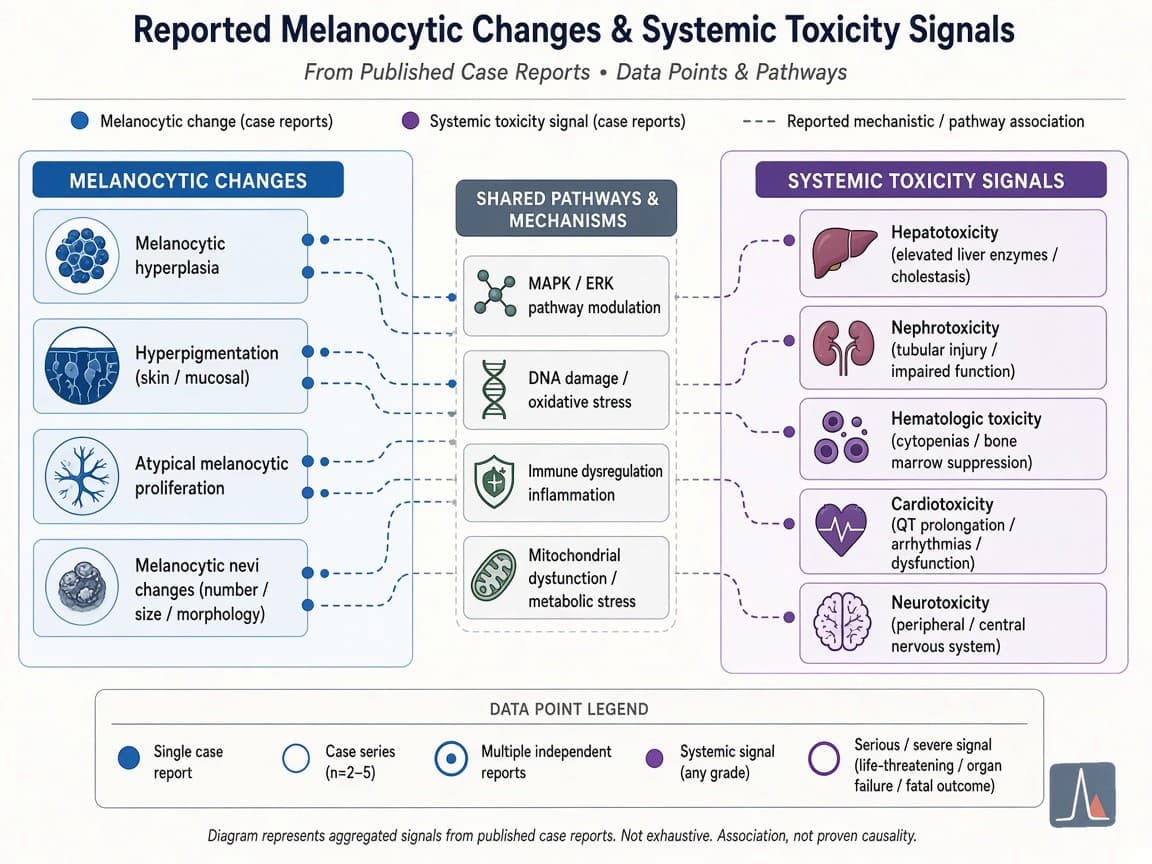
Case Reports of Adverse Dermatologic, Melanocytic, and Systemic Events from Unregulated Use (case reports, 2012–2026)
Following the early trials, unregulated internet-sourced MT-II (injectable or nasal) has been associated with numerous published case reports. Common themes include rapid darkening or eruption of new and atypical nevi, persistent oral mucosal or gingival hyperpigmentation, and several instances of melanoma (in situ or invasive) arising in preexisting moles, sometimes in young patients with concurrent heavy sunbed use. Dermatology reviews (including a 2017 synthesis) have catalogued at least four melanoma cases temporally linked to melanotan peptides, noting that while MC1R stimulation of melanocytes provides biological plausibility, definitive causation is difficult to establish given confounding UV-seeking behavior and genetic factors. Other reports describe priapism requiring emergency intervention, sympathomimetic toxicity with rhabdomyolysis and acute kidney injury after high-dose injection, renal infarction, and posterior reversible encephalopathy syndrome. Analytical studies of seized or patient-submitted vials frequently reveal impurities, incorrect dosing, or aggregation that could exacerbate immunogenicity or toxicity. These case reports reflect real-world self-experimentation rather than supervised use and cannot quantify incidence; they nevertheless represent the dominant post-2000 clinical literature and have prompted regulatory warnings from health authorities about unlicensed tanning agents.
Evidence Syntheses, Regulatory Context, Ongoing Research, and Recurrent Limitations (review and registry papers, 2006–2026)
Systematic and narrative reviews consistently note the sparse high-quality human data, reliance on small 1990s trials performed by a single group, absence of Phase 3 programmes, and lack of long-term safety or efficacy assessments for tanning, weight management, or photoprotection. They position MT-II as an important historical tool compound that illuminated melanocortin pathways in sexual function and energy balance but highlight its non-selectivity and nausea liability as reasons for clinical deprioritization in favor of MC1R-selective (afamelanotide) or MC4R-targeted agents. Regulatory documents list MT-II among unapproved peptides with documented safety signals; agencies have issued warnings regarding melanoma risk, product contamination, and illegal marketing for cosmetic use. Recent syntheses on unregulated “biohacking” peptides reiterate these concerns and note analytical evidence of variable purity. A 2026-registered Phase 2 trial (estimated n≈60) is evaluating MT-II plus narrow-band UVB versus UVB alone in stable nonsegmental vitiligo—the first new interventional human study in decades. Recurrent limitations across the literature include male-only early trials, short follow-up, confounding in case reports, rapid tolerance in metabolic models, and the absence of modern randomised, adequately powered studies with objective dermatologic, metabolic, or safety endpoints. While preclinical data remain extensive and mechanistic insights valuable, the translational evidence base for human application is narrow and tempered by documented risks.
The published record on Melanotan II therefore illustrates both the scientific utility of melanocortin agonists as research tools and the substantial gaps that remain before any potential laboratory findings could inform regulated therapeutic development. Future well-designed studies would need to address selectivity, tolerability, long-term melanocyte safety, and rigorous product characterization.
Sources
- Dorr RT, et al. Evaluation of melanotan-II, a superpotent cyclic melanotropic peptide in a pilot phase-I clinical study. Life Sci. 1996. PMID: 8637402. DOI: 10.1016/0024-3205(96)00160-9.
- Wessells H, et al. Synthetic melanotropic peptide initiates erections in men with psychogenic erectile dysfunction. J Urol. 1998. PMID: 9679884.
- Wessells H, et al. Melanocortin receptor agonists, penile erection, and sexual motivation: human studies with Melanotan II. Int J Impot Res. 2000. PMID: 11035391.
- Wessells H, et al. Melanotan II in the treatment of organic erectile dysfunction. Urology. 2000. PMID: 11018622.
- Hjuler KF, Lorentzen HF. Melanoma associated with the use of melanotan-II. Dermatology. 2014. PMID: 24355990.
- Nelson ME, et al. Melanotan II injection resulting in systemic toxicity and rhabdomyolysis. Clin Toxicol (Phila). 2012. PMID: 23121206.
- Topical MTII Therapy Suppresses Melanoma Through PTEN Upregulation and Cyclooxygenase II Inhibition. Int J Mol Sci. 2020. PMID: 31968661. PMC7013727.
- Habbema L, et al. Risks of unregulated use of alpha-melanocyte-stimulating hormone analogues. Int J Dermatol. 2017. PMID: 28266027.
- Additional binding, animal, case, and review papers identified via PubMed/Europe PMC searches (1990s–2026).
More briefings
- Survodutide Dual Agonist: Preclinical and Clinical EvidenceThe open-catalog entry for survodutide describes a synthetic acylated 29-amino-acid peptide dual agonist of glucagon and GLP-1 receptors supplied as high-purity lyophilized powder for laboratory metabolic research. Randomised trials report
- Dulaglutide: GLP-1 Receptor Agonist in Metabolic CareDulaglutide is a recombinant Fc-fusion GLP-1 receptor agonist engineered for once-weekly administration in laboratory and clinical metabolic research. Randomised trials report glycaemic improvements, cardiovascular risk reduction and modest
- Cagrilintide-Semaglutide Mixture: Open-Catalog Context and Metabolic Trial EvidenceThe open-catalog cagrilintide-semaglutide mixture supplies a research pairing of an amylin receptor agonist and GLP-1 receptor agonist for laboratory metabolic studies. Randomised trials of co-administration report enhanced weight loss (13–
All information and products discussed are for laboratory and research use only. Not for human or veterinary use. Not intended to diagnose, treat, cure, or prevent any disease.