
28 October 2026
Published Reports on Melanotan I
Download PDF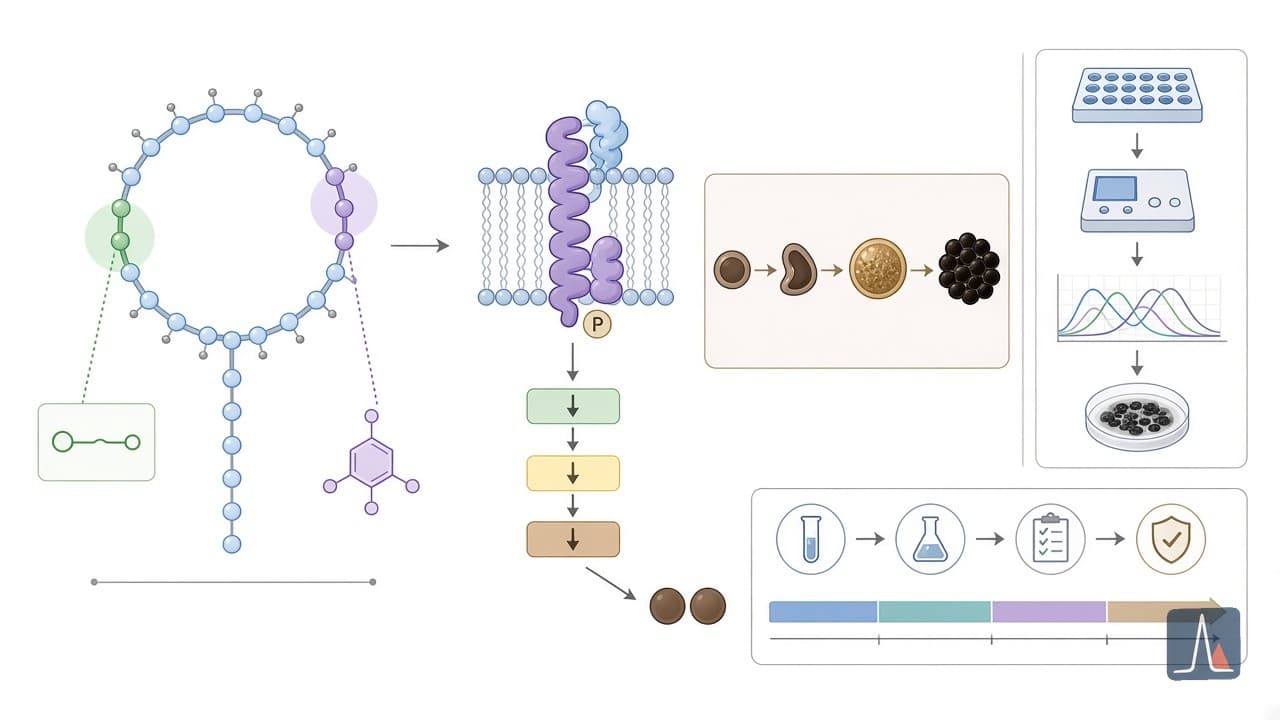
Published reports characterize Melanotan I (afamelanotide or [Nle4-D-Phe7]-α-MSH) as a potent synthetic analog of α-melanocyte-stimulating hormone studied for MC1R-mediated eumelanin induction, photoprotection, and dermatologic indications.
Published Reports on Melanotan I
Melanotan I is supplied by Rierink Compounds for laboratory research only. Materials on this site are not medicines and have not been evaluated for safety or efficacy in humans or animals. Reporting of published human studies or trials, including favourable outcomes, adverse events, or null results, does not constitute guidance or advice to administer any Rierink research material to a person or animal.
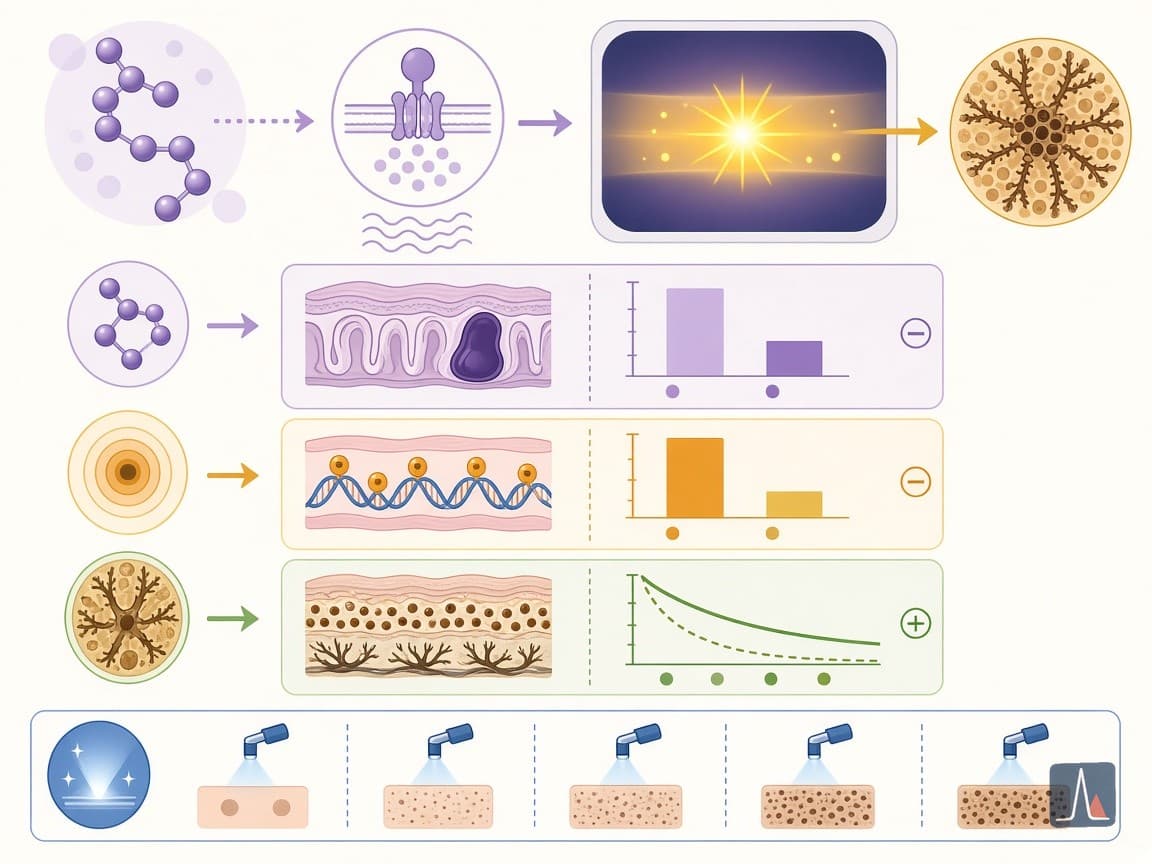
Indexed papers describe Melanotan I (also known as afamelanotide, NDP-MSH, or [Nle4-D-Phe7]-α-MSH) as a linear 13-amino-acid synthetic analogue of α-melanocyte-stimulating hormone. It acts primarily as a high-affinity agonist at the melanocortin-1 receptor (MC1R), increasing intracellular cAMP, tyrosinase activity, and eumelanin synthesis in melanocytes while exhibiting greater potency and proteolytic stability than the native peptide. Published laboratory and clinical reports have examined its melanogenic, photoprotective, DNA-repair, and anti-inflammatory properties across in vitro systems, early human pharmacology studies, and controlled trials focused on photosensitivity disorders.
Chemical Identity and Catalog Context
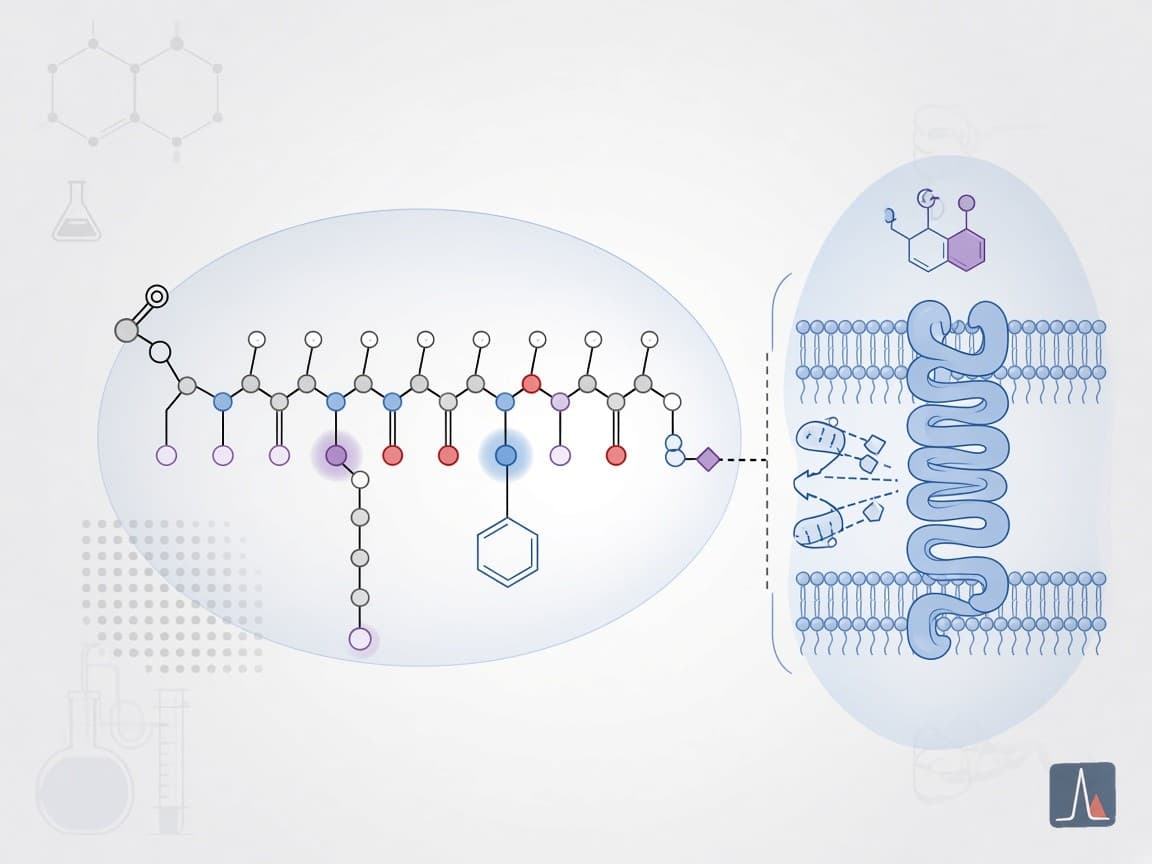
Melanotan I is a tridecapeptide with norleucine substituted at position 4 and D-phenylalanine at position 7 of the α-MSH sequence. These modifications confer resistance to enzymatic degradation and prolonged receptor activation. In the Rierink catalog it appears under the path /compounds/melanotan-i (also cross-listed as melanotan-1). The approved pharmaceutical product (Scenesse) is a 16 mg bioresorbable subcutaneous implant providing sustained release; published clinical data almost exclusively concern this formulation. Research vials supplied for laboratory use differ in delivery, purity standards, and regulatory status. Records of approved-implant trials do not establish safety, dosing, or efficacy for research-vial administration.
Foundational Discovery, Receptor Pharmacology, and In Vitro Mechanistic Studies (in_vitro and method papers, 1980–2010s)
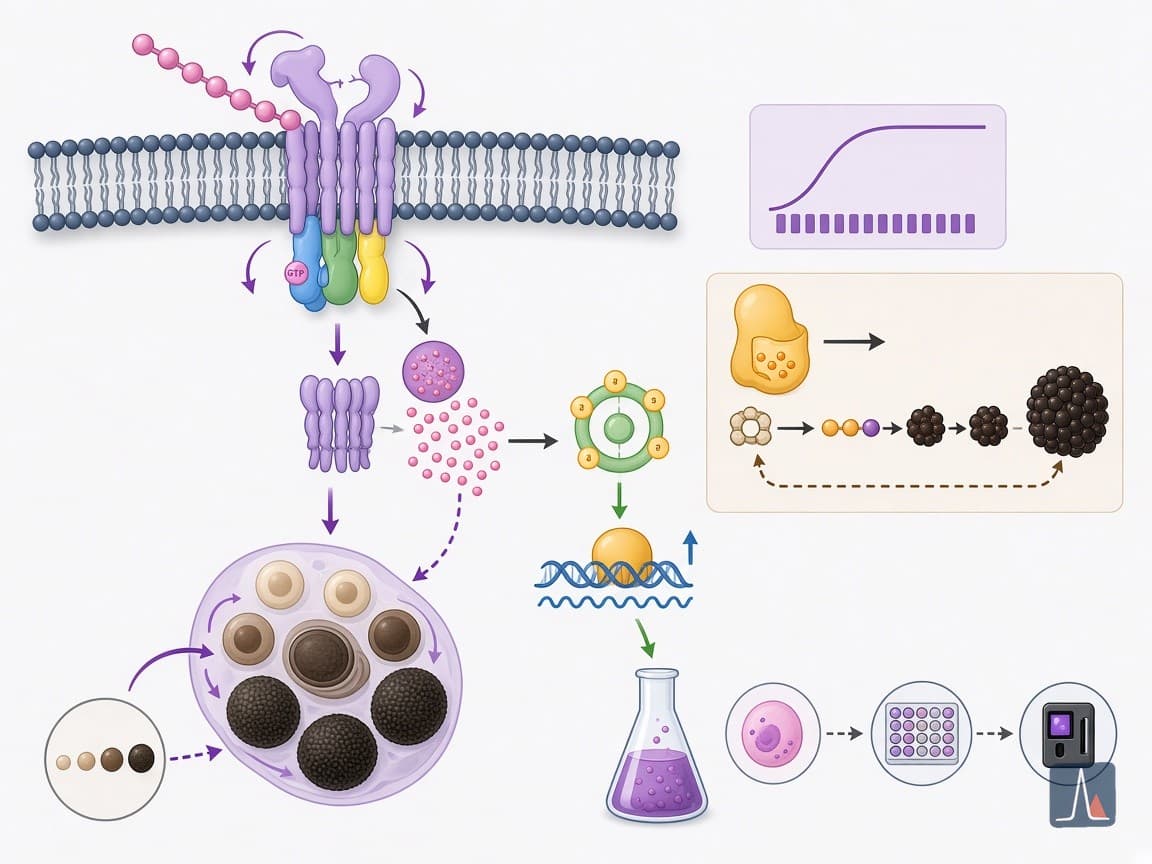
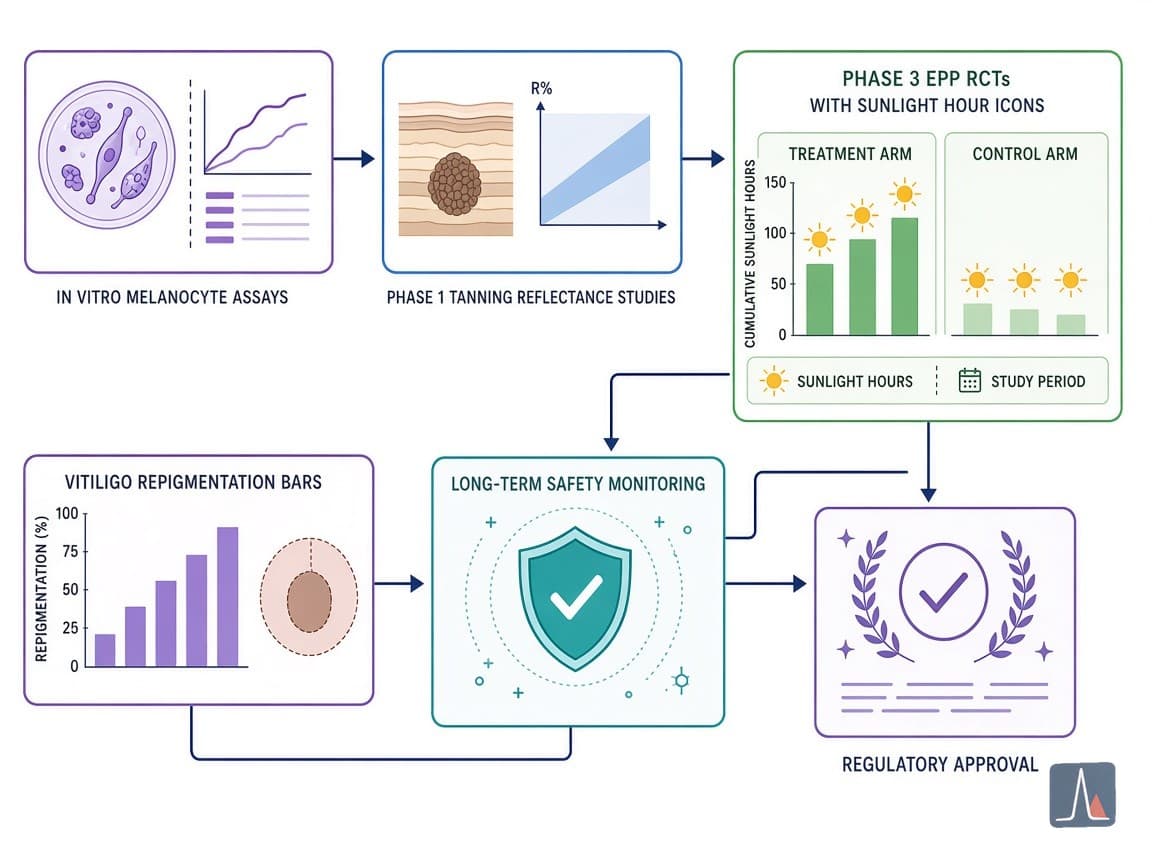
The analogue was synthesised in the early 1980s at the University of Arizona. In vitro assays using frog skin, murine melanoma cells, and human melanocytes demonstrated 10- to >1000-fold greater potency and duration of action than native α-MSH in stimulating melanogenesis. MC1R agonism elevates cAMP, upregulates tyrosinase and TRP-1, and biases melanin production toward photoprotective eumelanin over pheomelanin. Additional cell-based work reported antioxidant effects, enhanced nucleotide excision repair of UV-induced cyclobutane pyrimidine dimers and 6-4 photoproducts, and modulation of inflammatory cytokines. Radio-iodinated NDP-MSH became a standard tool for receptor mapping. These mechanistic findings provided the rationale for photoprotection studies but remain confined to isolated cells or ex vivo skin models that may not fully replicate intact human physiology.
Early Human Pharmacokinetic, Tanning, and Photoprotection Studies (clinical pharmacology papers, 1991–2006)
Phase 1 volunteer studies (n=3–28 per trial, predominantly Fitzpatrick skin types III–IV) administered subcutaneous Melanotan I at 0.08–0.21 mg/kg daily for 10–14 days. Computerised reflectance measurements documented statistically significant skin darkening at multiple sites (face, neck, forearm), peaking 1–3 weeks after dosing and persisting for weeks. Biopsies confirmed increased eumelanin content (49–98% elevation) with minimal change in pheomelanin, shifting the eumelanin:pheomelanin ratio. When combined with controlled UV-B or sunlight, the analogue acted synergistically: subjects required approximately 50% less UV exposure to achieve equivalent tanning, exhibited 47% fewer sunburn cells on histology, and showed reduced thymine-dimer formation. Tanning occurred even in poor tanners and individuals carrying loss-of-function MC1R variants. Adverse events were transient nausea, facial flushing, and mild fatigue. Oral and transdermal routes produced no detectable plasma levels or pigmentation response. These small, sponsor-linked studies established proof-of-concept for melanogenesis and UV synergy but used immediate-release injections rather than the later implant.
Pivotal Randomised Double-Blind Placebo-Controlled Trials in Erythropoietic Protoporphyria (clinical papers, 2015)
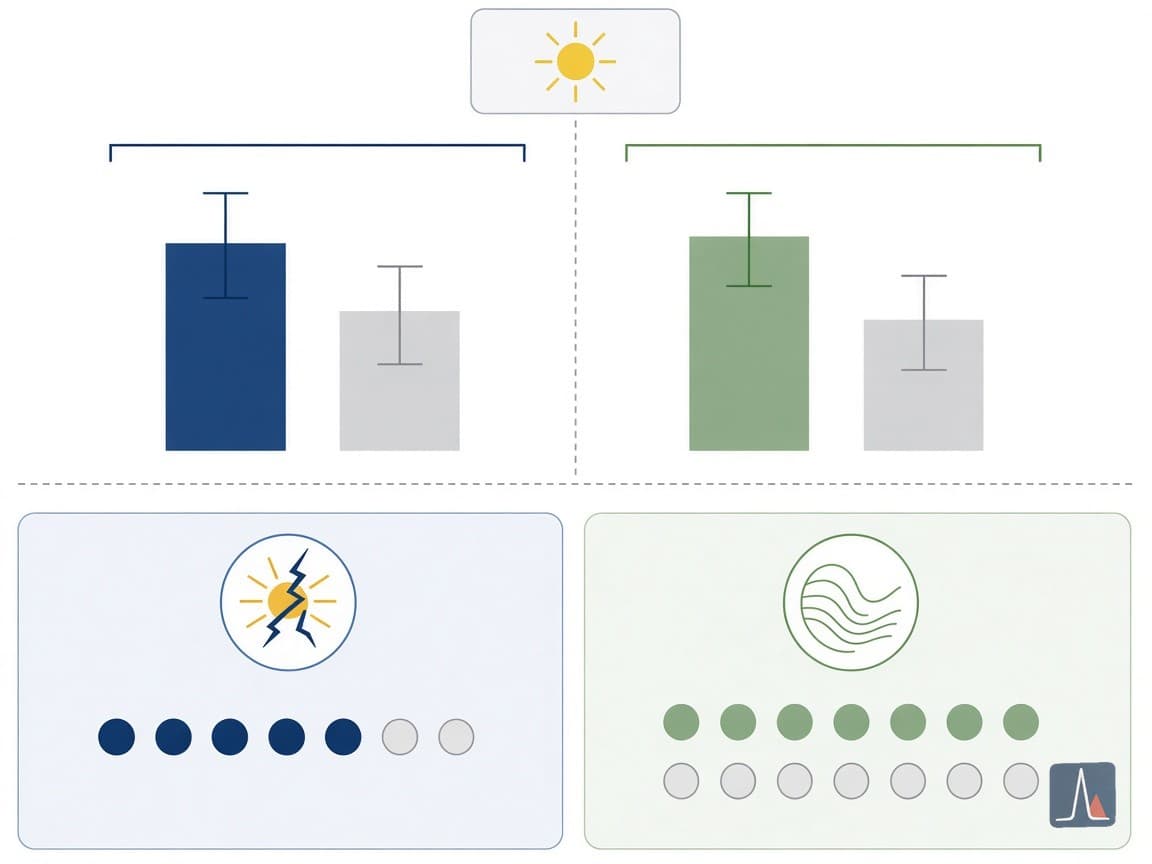
Two multicentre phase 3 randomised double-blind placebo-controlled trials (NEJM 2015; total n=168 adults with EPP) evaluated the 16 mg bioresorbable subcutaneous implant administered every 60 days (3 implants over 6 months in the US trial, n=94; 5 implants over 9 months in the EU trial, n=74). The primary endpoint was cumulative hours of direct sunlight exposure without pain. In the US study, median pain-free time was 69.4 hours versus 40.8 hours on placebo (p=0.04). In the EU study, it was 6.0 hours versus 0.8 hours (p=0.005), with fewer phototoxic reactions (77 versus 146, p=0.04). Both trials reported statistically significant improvements in EPP-specific quality-of-life scores. Adverse events were predominantly mild to moderate (nausea, headache, fatigue, nasopharyngitis, back pain); implant-site reactions (discolouration, pain, bruising) occurred in approximately one-third of active-arm participants. Four serious adverse events in the afamelanotide groups and two in placebo were judged unrelated to study drug. No deaths occurred. These trials supported regulatory approval but used patient-reported sunlight diaries as the primary measure, introducing potential subjectivity.
Exploratory Clinical Reports in Vitiligo, Acne, Solar Urticaria, and Other Photosensitive Conditions (clinical papers, 2012–2020s)
A randomised trial (n=55 adults with non-segmental vitiligo) compared monthly 16 mg afamelanotide implants plus narrow-band UVB versus UVB alone. Repigmentation at day 168 reached 48.6% versus 33.3% (greater benefit on face/arms and in Fitzpatrick types IV–VI). A small open-label pilot (n=3) in mild-to-moderate facial acne reported reductions in total and inflammatory lesions at day 56 alongside expected pigmentation; Dermatology Life Quality Index scores improved. Limited reports in polymorphic light eruption, solar urticaria, and Hailey–Hailey disease described increased melanin density, elevated minimal urticarial dose, or symptom improvement. One small phase 2a feasibility study explored intravenous use in acute ischaemic stroke. These exploratory datasets are generally small, open-label or single-arm, and insufficient to establish efficacy beyond EPP.
Long-Term Observational Data, Safety Profile, Reviews, and Regulatory Context (observational, review, and regulatory papers, 2015–2026)
Observational follow-up of 115 EPP patients receiving >1000 implants over up to 8 years documented sustained quality-of-life gains (from ~31% to ~74% of maximum score) and increased weekly outdoor time with acceptable tolerability. Pooled safety data from >400 patients across trials listed nausea (19%), headache (~20%), fatigue, and implant-site reactions (~21%) as most common; hyperpigmentation of skin, freckles, and nevi was expected and prompted recommendations for twice-yearly full-body skin examinations. Serious adverse events were uncommon and not attributed to drug in the pivotal trials. No increase in melanoma incidence was observed in monitored cohorts despite nevus darkening in a minority. Long-term volunteers from the 1990s showed no late effects 25 years later. Systematic reviews and pharmacokinetic summaries (2016–2026) affirm MC1R-mediated photoprotection, acceptable safety of the implant in EPP, and lack of immunogenicity. European Medicines Agency approval (2014) and FDA approval (2019) were granted under orphan-drug provisions specifically for prevention of phototoxicity in adult EPP. Regulatory labels emphasise skin monitoring and restrict use to the implant formulation.
Evidence Context and Recurrent Limitations
The published literature provides the strongest evidence for the approved 16 mg subcutaneous implant in adult patients with erythropoietic protoporphyria, where two phase 3 randomised trials demonstrated consistent improvements in pain-free light exposure, phototoxic reaction frequency, and quality of life. Early tanning and photoprotection studies consistently reported increased eumelanin and reduced UV-damage markers, while exploratory work in vitiligo and selected photodermatoses shows preliminary signals. Safety observations across thousands of implant administrations indicate a predominantly mild adverse-event profile (nausea, headache, implant reactions, hyperpigmentation) with no clear drug-related increase in melanoma or serious events in monitored settings. However, recurrent limitations include small sample sizes inherent to a rare disease, subjective primary endpoints reliant on patient diaries, sponsor involvement in most pivotal work, and the absence of large independent confirmatory trials. Preclinical mechanistic data are robust in cell and ex-vivo models but translation to complex human physiology requires caution. Critically, nearly all high-quality clinical evidence concerns the pharmaceutical controlled-release implant; published records do not characterise or support the safety, pharmacokinetics, or efficacy of research-grade vials, different dosing regimens, or cosmetic tanning applications. Case reports linked to unregulated online “Melanotan” products (frequently Melanotan II or mislabelled material) describe nevus changes and rare melanoma diagnoses, though confounding by sunbed use, variable purity, and lack of controls prevent firm attribution. Future independent studies, longer-term independent registries, and comparative effectiveness research would strengthen the evidence base. All Rierink Melanotan I is intended strictly for laboratory research.
Sources
- Langendonk JG, et al. Afamelanotide for Erythropoietic Protoporphyria. N Engl J Med. 2015;373(1):48-59. doi:10.1056/NEJMoa1411481. PMID: 26132941.
- Dorr RT, et al. Effects of a superpotent melanotropic peptide in combination with solar UV radiation on tanning of the skin in human volunteers. Arch Dermatol. 2004;140(7):827-35.
- Levine N, et al. Induction of skin tanning by subcutaneous administration of a potent synthetic melanotropin. JAMA. 1991;266(19):2730-6.
- Minder EI, et al. Pharmacokinetics and pharmacodynamics of afamelanotide and its clinical use in treating dermatologic disorders. Clin Pharmacokinet. 2017;56(8):815-28. doi:10.1007/s40262-016-0501-5.
- Grimes PE, et al. Afamelanotide implants in conjunction with narrow-band UVB phototherapy for the treatment of vitiligo. JAMA Dermatol. 2015 (related reports).
- Additional reviews and observational data from Europe PMC and regulatory labels (2014–2026).
More briefings
- Survodutide Dual Agonist: Preclinical and Clinical EvidenceThe open-catalog entry for survodutide describes a synthetic acylated 29-amino-acid peptide dual agonist of glucagon and GLP-1 receptors supplied as high-purity lyophilized powder for laboratory metabolic research. Randomised trials report
- Dulaglutide: GLP-1 Receptor Agonist in Metabolic CareDulaglutide is a recombinant Fc-fusion GLP-1 receptor agonist engineered for once-weekly administration in laboratory and clinical metabolic research. Randomised trials report glycaemic improvements, cardiovascular risk reduction and modest
- Cagrilintide-Semaglutide Mixture: Open-Catalog Context and Metabolic Trial EvidenceThe open-catalog cagrilintide-semaglutide mixture supplies a research pairing of an amylin receptor agonist and GLP-1 receptor agonist for laboratory metabolic studies. Randomised trials of co-administration report enhanced weight loss (13–
All information and products discussed are for laboratory and research use only. Not for human or veterinary use. Not intended to diagnose, treat, cure, or prevent any disease.