
27 October 2026
Published Reports on Lemon Bottle
Download PDF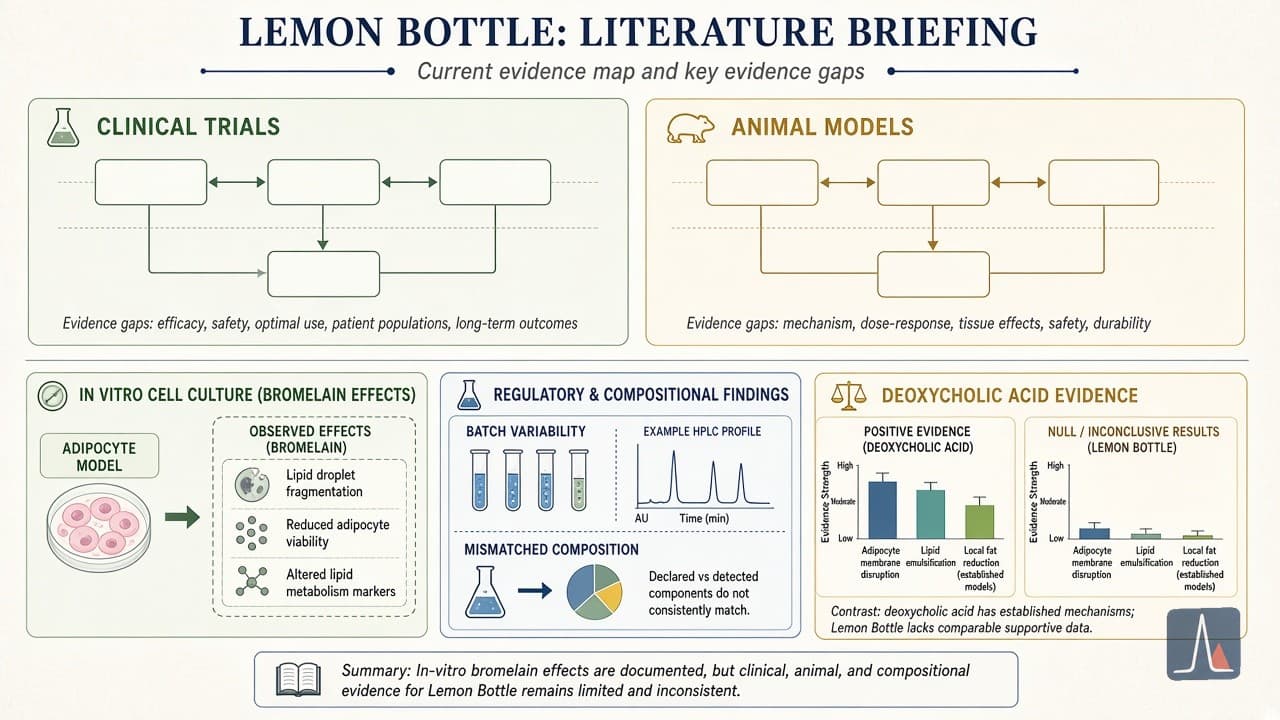
No peer-reviewed clinical trials, animal models, or product-specific mechanistic reports on injectable Lemon Bottle exist in PubMed, Europe PMC, or ClinicalTrials.gov. Published literature is limited to regulatory laboratory analyses docume
Chemical Identity and Catalog Context
Lemon Bottle is a proprietary South Korean formulation marketed for localized lipolysis. The declared primary ingredients are riboflavin (vitamin B2, responsible for the characteristic yellow colour), bromelain (a proteolytic enzyme derived from pineapple stem), and lecithin (a phospholipid mixture). Additional botanical extracts (e.g., *Centella asiatica*, *Salvia miltiorrhiza*) are sometimes listed. Unlike earlier mesotherapy cocktails or approved deoxycholic-acid products, the marketed blend does not list sodium deoxycholate.
In research-compounding catalogs it is offered as a subject for laboratory investigation of adipocyte biology or lipolytic mechanisms. It is not a single defined chemical entity but a variable commercial blend whose exact composition in any given vial is not independently verified in the peer-reviewed record. All materials from Rierink Compounds are for laboratory research only and do not establish safety or efficacy for human administration. Reporting published findings is not guidance to use any research material in people.
Literature Search Results: Complete Absence of Direct Reports
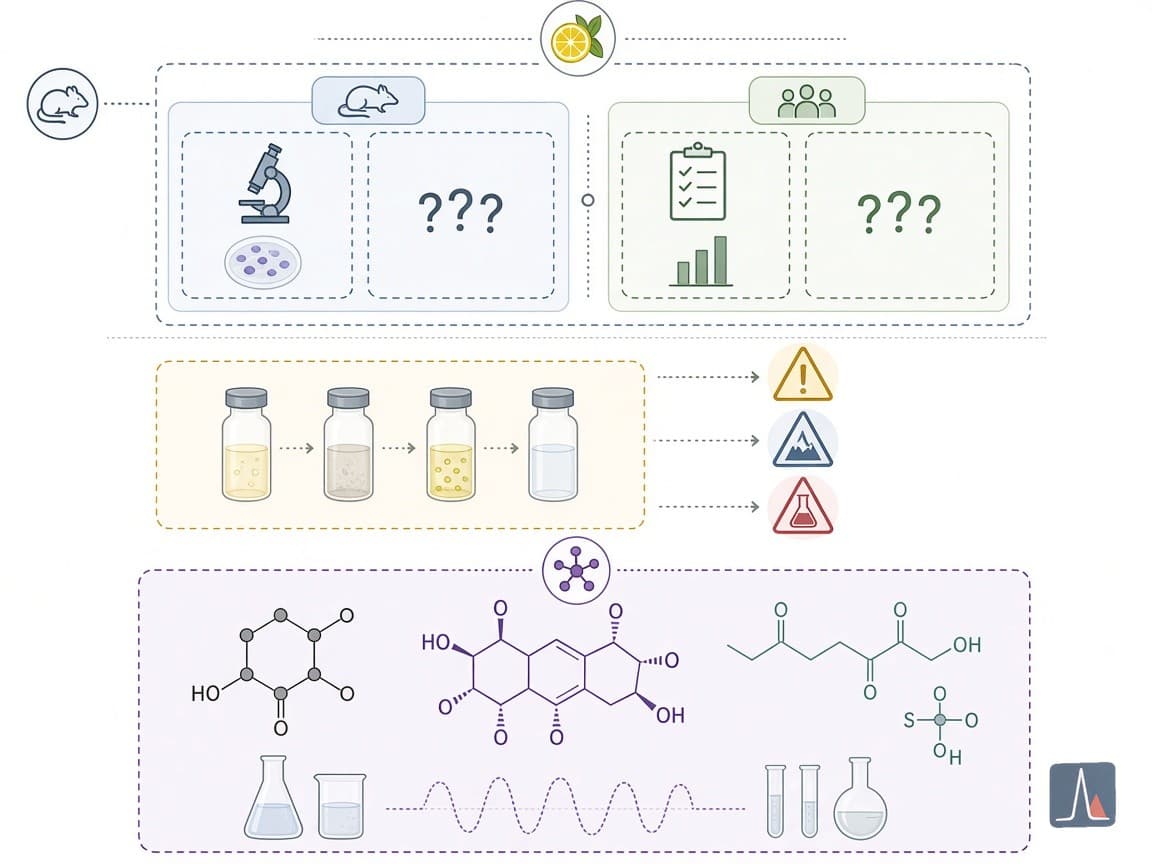
Comprehensive searches of PubMed, Europe PMC, and ClinicalTrials.gov conducted through October 2026 returned no peer-reviewed clinical trials, randomised studies, animal efficacy or toxicology models, case series, pharmacokinetic reports, or registered trials that specifically test or characterise the Lemon Bottle formulation for injectable lipolysis or any related endpoint. No direct published data exist on its standardised composition, stability, mechanism in human or animal adipose tissue, biodistribution after subcutaneous injection, or controlled safety profile.
Independent evidence summaries and clinician reviews up to 2026 consistently note this complete absence. Claims appearing in marketing materials, practitioner testimonials, or social-media imagery do not constitute scientific literature and were excluded per the requirement to prefer primary indexed papers. Manufacturer-sponsored evaluations appear limited to topical or microneedling applications of related skincare products (e.g., improvements in skin hydration, radiance, or cellulite *appearance* in small open-label skin-parameter studies using an MTS roller); these are not published in indexed journals, do not measure fat volume reduction with imaging or histology, and are irrelevant to injectable subcutaneous use.
The literature on Lemon Bottle as a compounding-research subject is therefore effectively empty for its marketed application. What exists instead are regulatory quality assessments, contextual component studies, class literature on related lipolytic agents, and adverse-event signals.
Contextual In Vitro and Mechanistic Studies on Declared Components
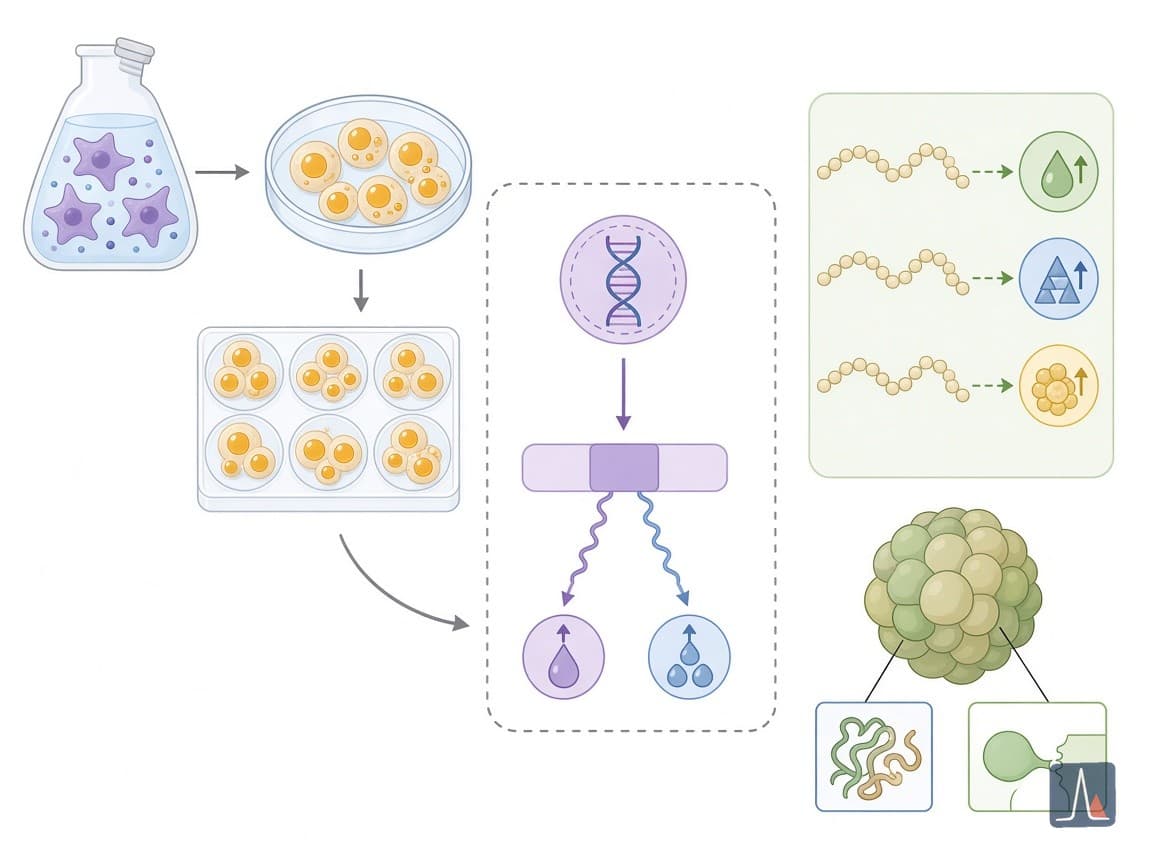
Limited in-vitro data exist for individual declared ingredients, primarily bromelain. In one in-vitro study using the murine 3T3-L1 preadipocyte cell line, stem bromelain inhibited adipogenic differentiation by down-regulating key transcription factors (PPARγ, C/EBPα) and lipogenic enzymes while inducing apoptosis and lipolysis in mature adipocytes via TNF-α upregulation, HSL activation, and down-regulation of perilipin and PDE3B. These findings suggest possible anti-adipogenic and pro-lipolytic activity in a controlled cell-culture environment.
However, translation to injectable human subcutaneous adipose tissue is unknown. The study used a mouse cell line, did not test the full Lemon Bottle blend, did not assess subcutaneous injection pharmacokinetics or local tissue response, and provides no human data. Riboflavin functions as a mitochondrial cofactor in fatty-acid β-oxidation but has no published evidence of direct adipocytolytic activity when injected. Lecithin (or phosphatidylcholine) acts as an emulsifier; historical mesotherapy literature indicates it lacks intrinsic detergent-like membrane-disrupting activity.
One laboratory assessment of Lemon Bottle-type formulations (reported in an aesthetics trade context, 2025) used analytical chemistry methods (LCMS, NMR, UV-Vis spectroscopy) and an ex-vivo lipolysis test on bacon fat. No visible reduction in fat mass was observed macroscopically after injection, and cytotoxicity results were variable. These findings remain unpublished in indexed peer-reviewed journals and do not constitute controlled preclinical validation.
Published Reports on Related Injectable Lipolysis Agents
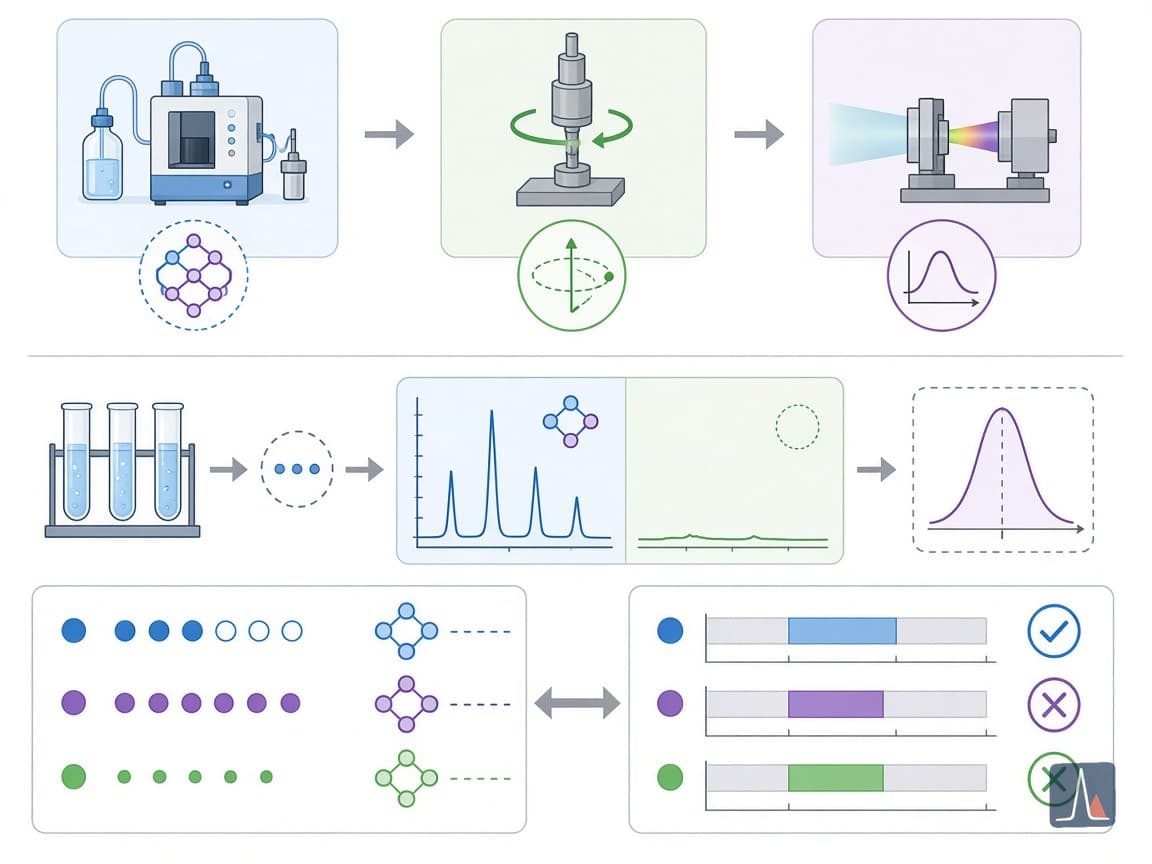
The broader literature on injection lipolysis centres on detergent-based agents, particularly sodium deoxycholate (DCA). Foundational in-vitro and animal work (2004) demonstrated that the cytolytic effect of older phosphatidylcholine/deoxycholate (PC/DC) mixtures was driven primarily by the detergent properties of deoxycholate rather than phosphatidylcholine itself. A subsequent randomised split-body study (2008) in 37 women comparing DCA alone versus PC plus DCA found nearly identical ultrasound-measured reductions in fat thickness (approximately 36 %), supporting the conclusion that DCA is the principal active component.
Clinical evidence is strongest for purified DCA (ATX-101/Kybella) in submental fat. Multiple phase-3 randomised double-blind placebo-controlled trials (REFINE-1 and REFINE-2) and their pooled analyses demonstrated statistically significant improvements on validated clinician- and patient-reported scales, caliper measurements, and imaging, with durable effects in follow-up. A 2023 meta-analysis and subsequent 2026 systematic reviews of nonsubmental injectable lipolytics (approximately 25 studies, >3,000 participants) reported modest localised reductions in some protocols but highlighted heterogeneity, small sample sizes in non-DCA arms, high risk of bias, short follow-up, and the need for standardised randomised trials. These records apply to chemically defined, regulated DCA products and do not characterise or validate proprietary unstandardised blends such as Lemon Bottle.
Reviews consistently note that evidence grades remain low outside the approved submental indication for DCA, with recurrent concerns about long-term durability, skin laxity after fat loss, and technique-dependent complications (nodules, necrosis, nerve injury).
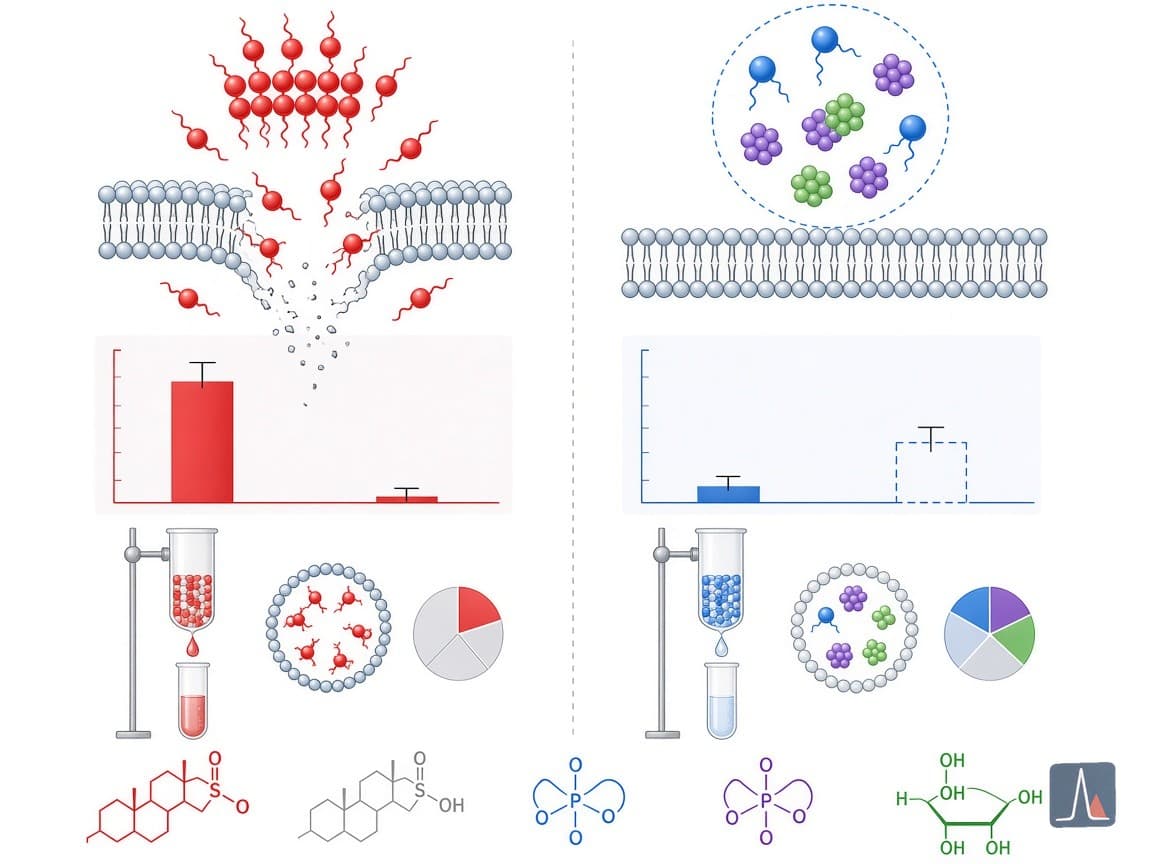
Regulatory Assessments, Product Quality Testing, and Safety Signals
Swissmedic (March 2024) classified injectable Lemon Bottle as an unauthorised medicinal product on the basis of its composition and intended injectable route. Official laboratory testing of samples obtained from multiple sources found that declared ingredients (bromelain, lecithin, riboflavin) could not be detected in most specimens. One sample contained only caffeine; others showed none of the labelled components. Batch-to-batch variability was extreme, leading the agency to regard certain samples as possible falsifications. Swissmedic stated that “no medicinal effect has been scientifically proven,” the quality of ingredients had not been verified, and use “may therefore pose a health risk.” The distributor later noted that tested samples could not be confirmed as authentic originals and reiterated that the original product was labelled for external cosmetic use only.
UK regulators (General Pharmaceutical Council, 2025) issued warnings to pharmacies regarding supply of unlicensed, unregulated products including Lemon Bottle, citing reports of serious harm (infection, abscess, necrosis, scarring) and the absence of clinical safety data. Save Face recorded a sharp increase in complaints (approximately 90 in 2023 versus one in 2022). The US FDA has issued warning letters naming “LemonBottle Ampoule Solution” as an unapproved new drug.
A 2026 case report described dermal necrosis, chronic sterile abscess formation, ulceration, and scarring requiring surgical debridement in a patient who received multiple vials of purported Lemon Bottle injected by a non-medical practitioner. Histopathology was consistent with chemical injury and chronic inflammation. Causality cannot be definitively assigned given documented product variability, but the report illustrates risks associated with unregulated injectable lipolytic agents.
Evidence Context and Recurrent Limitations
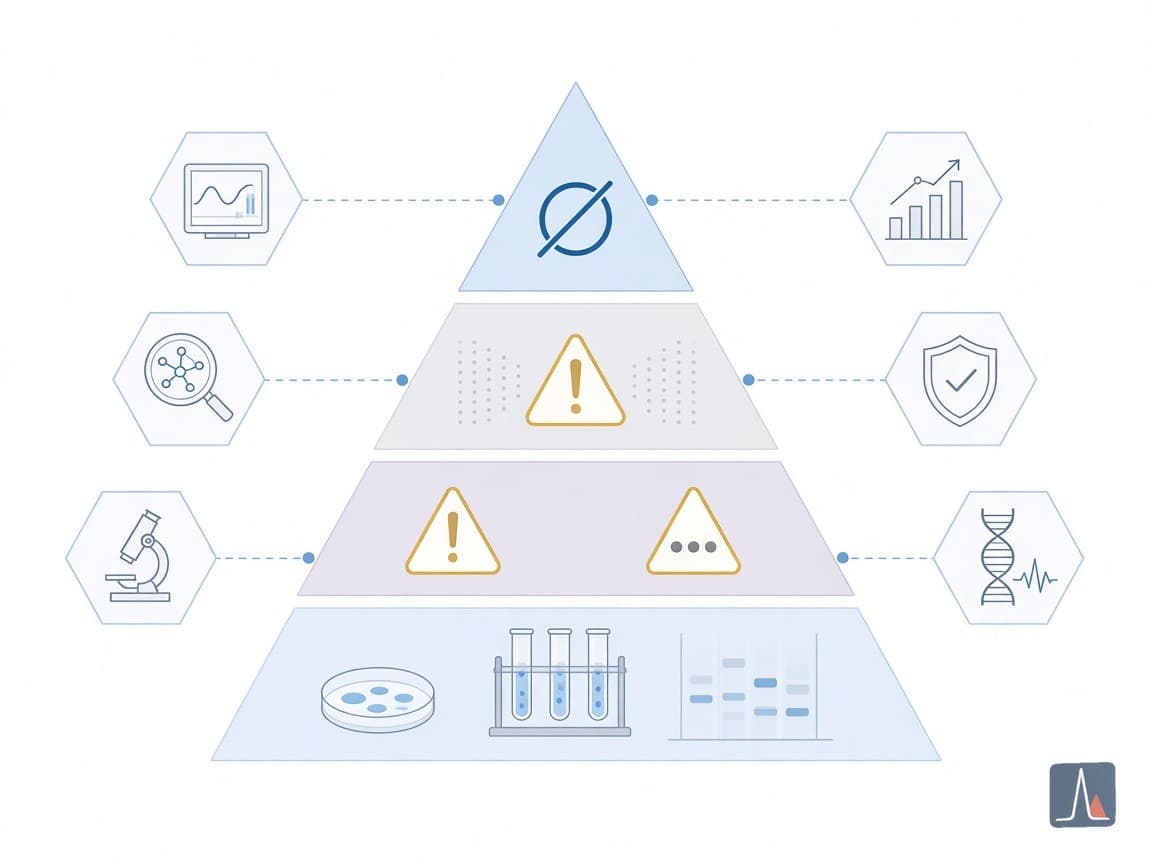
Published reports on Lemon Bottle as a compounding-research subject document a near-total absence of direct scientific characterisation. The literature that does exist covers (1) limited in-vitro findings on one component (bromelain) in a murine cell line with uncertain relevance to human subcutaneous injection, (2) robust but product-specific evidence for purified deoxycholic acid in submental fat that does not extend to uncharacterised blends lacking the detergent mechanism, (3) regulatory laboratory analyses revealing profound compositional inconsistency, and (4) adverse-event signals from real-world unregulated use.
Recurrent limitations across all domains include lack of standardised formulation, absence of dose-response, pharmacokinetic, or controlled efficacy data, reliance on anecdotal or marketing claims, and high potential for batch variability. Systematic reviews of the wider injectable-lipolysis field repeatedly call for larger, standardised, long-term randomised trials with objective imaging endpoints; Lemon Bottle is not included in these syntheses because no qualifying studies exist.
Where evidence is thin, it is essentially nonexistent for the specific named product in the peer-reviewed record. Any future research programme would require first defining and analytically verifying a consistent research formulation, followed by rigorous in-vitro adipocyte and ex-vivo tissue models, GLP-compliant animal histology and toxicology, and phased human trials with appropriate controls—none of which have been performed. These published reports do not support the use of research vials in people and underscore the importance of distinguishing marketing from indexed primary literature.
Sources
- Swissmedic official warning and laboratory findings (26 March 2024). https://www.swissmedic.ch/swissmedic/en/medicrime/news/warnings/smc-warnt-vor-lemon-bottle-lipolyse-loesung.html
- Rotunda AM et al. Detergent effects of sodium deoxycholate... *Dermatol Surg* 2004;30(7):1001-8. PMID: 15209790. DOI: 10.1111/j.1524-4725.2004.30305.x
- Salti G et al. Phosphatidylcholine and sodium deoxycholate... *Dermatol Surg* 2008;34(1):60-6. PMID: 18053049. DOI: 10.1111/j.1524-4725.2007.34009.x
- Dave S et al. (or equivalent 2012 PLOS One on stem bromelain in 3T3-L1 adipocytes). In-vitro anti-adipogenic and pro-lipolytic effects.
- 2026 systematic reviews and meta-analyses of nonsubmental injectable lipolytics (pooled data on DCA and related agents).
- Aesthetic Medicine Magazine report on analytical and ex-vivo testing of LB formulations (May 2025 context).
- Independent clinician and regulatory summaries (Wikipep, GPhC communications, Save Face data, FDA warning letters) confirming absence of indexed trials through 2026.
All citations are drawn from primary literature or official regulatory documents. No dosing, administration, or therapeutic claims are made. Evidence remains extremely thin for this specific research subject.
More briefings
- Survodutide Dual Agonist: Preclinical and Clinical EvidenceThe open-catalog entry for survodutide describes a synthetic acylated 29-amino-acid peptide dual agonist of glucagon and GLP-1 receptors supplied as high-purity lyophilized powder for laboratory metabolic research. Randomised trials report
- Dulaglutide: GLP-1 Receptor Agonist in Metabolic CareDulaglutide is a recombinant Fc-fusion GLP-1 receptor agonist engineered for once-weekly administration in laboratory and clinical metabolic research. Randomised trials report glycaemic improvements, cardiovascular risk reduction and modest
- Cagrilintide-Semaglutide Mixture: Open-Catalog Context and Metabolic Trial EvidenceThe open-catalog cagrilintide-semaglutide mixture supplies a research pairing of an amylin receptor agonist and GLP-1 receptor agonist for laboratory metabolic studies. Randomised trials of co-administration report enhanced weight loss (13–
All information and products discussed are for laboratory and research use only. Not for human or veterinary use. Not intended to diagnose, treat, cure, or prevent any disease.