
27 October 2026
Published Reports on L-carnitine
Download PDF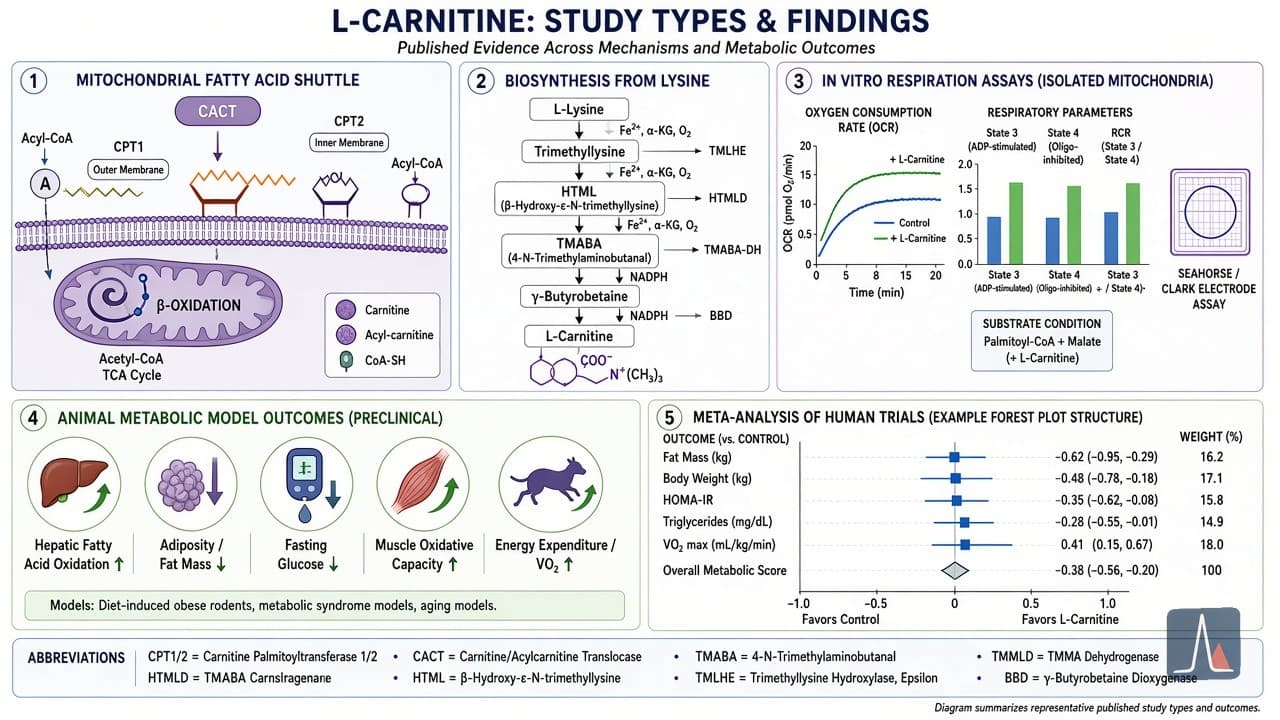
Indexed papers characterize L-carnitine as a quaternary ammonium compound essential for mitochondrial long-chain fatty acid transport via the carnitine shuttle. Meta-analyses of randomised trials report modest reductions in body weight, BMI
Indexed preclinical, biochemical, and clinical papers describe L-carnitine (levocarnitine; (R)-3-hydroxy-4-(trimethylammonio)butanoate) as an endogenous conditionally essential quaternary ammonium compound biosynthesized from lysine and methionine that functions as the obligate carrier for long-chain fatty acyl groups into mitochondria for β-oxidation. Laboratory records detail its foundational biochemistry, protective effects in animal models of metabolic and oxidative stress, modest signals in human metabolic, lipid, glycemic, inflammatory, exercise, and cardiovascular studies, and recurrent limitations across evidence syntheses. These records do not establish research-vial use. Materials on this site are for laboratory research only and are not medicines. Reporting published findings is not guidance to use any material.
Chemical Identity and Catalog Context
L-carnitine (C₇H₁₅NO₃) is the biologically active L-isomer of 3-hydroxy-4-N-trimethylaminobutyric acid. It is zwitterionic at physiological pH and highly water-soluble. Endogenous synthesis accounts for approximately one-quarter of the body pool in humans, with the majority supplied by dietary sources, particularly red meat. Biosynthesis occurs primarily in the liver and kidneys. Tissue concentrations are highest in cardiac and skeletal muscle, which rely on fatty acid oxidation for energy but lack the full biosynthetic machinery. Transporters such as OCTN2 (SLC22A5) mediate cellular uptake in a sodium-dependent manner. The compound is catalogued for laboratory research under the path /compounds/l-carnitine.
Foundational Discovery, Biosynthesis, and In Vitro Mechanistic Studies (in_vitro and method papers, 1905–2020s)
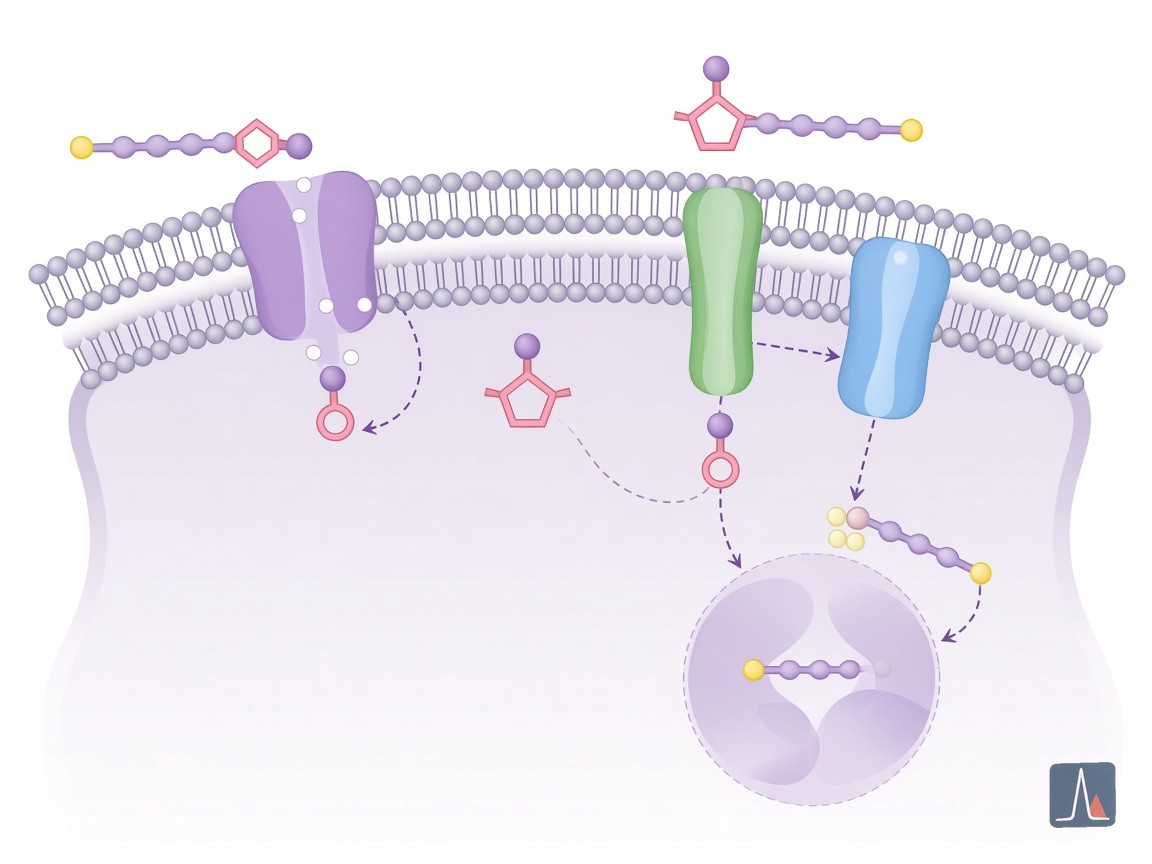
Carnitine was isolated from meat extracts in 1905 and its structure assigned in 1927. Its essential role in fatty acid oxidation was independently established in the early 1960s. Biosynthesis proceeds from peptide-linked lysine that is post-translationally trimethylated to ε-N-trimethyllysine, released by protein turnover, then hydroxylated by trimethyllysine dioxygenase (requiring ascorbate and iron), cleaved, oxidized to γ-butyrobetaine, and finally hydroxylated by γ-butyrobetaine dioxygenase (BBOX). The pathway requires vitamin C, vitamin B6, niacin, and iron. In vitro studies using isolated mitochondria, cultured cells (hepatocytes, myocytes, neuronal lines), and enzyme assays defined the carnitine shuttle: carnitine palmitoyltransferase 1 (CPT1, outer mitochondrial membrane, malonyl-CoA inhibited) transfers the acyl group from CoA to carnitine; the acylcarnitine is translocated by carnitine-acylcarnitine translocase (CACT/SLC25A20); CPT2 on the inner face regenerates acyl-CoA inside the matrix for β-oxidation. Additional in vitro work has examined acyl buffering, maintenance of the mitochondrial acetyl-CoA/CoA ratio, stimulation of pyruvate dehydrogenase in some preparations, reduction of lipid-peroxidation-induced membrane permeability transition, and modulation of mitochondrial respiration and ROS production. Studies in oocyte and embryo culture models have reported improved mitochondrial membrane potential and ATP content with L-carnitine exposure. Method papers have developed sensitive assays for free and acylcarnitines by tandem mass spectrometry. !Mitochondrial carnitine shuttle schematic Abstract representation of the foundational carnitine shuttle mechanism examined in in vitro and method studies.
Preclinical Animal Models of Metabolic Dysfunction, Oxidative Stress, Cardiovascular Injury, and Organ Protection (animal papers, 1970s–2026)
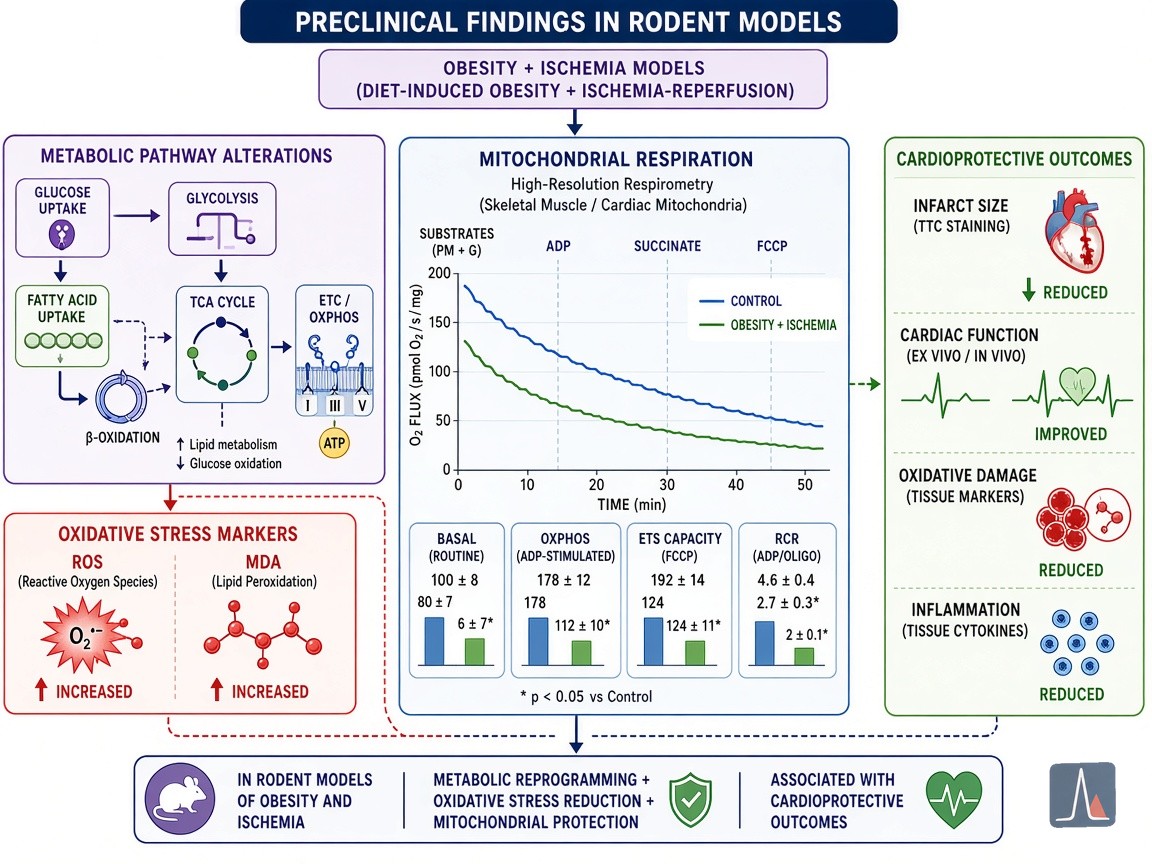
Rodent and rabbit models of high-fat-diet obesity, streptozotocin diabetes, methionine-choline-deficient NAFLD, isoproterenol-induced myocardial injury, experimental autoimmune myocarditis, fructose-induced oxidative stress, and ischemia-reperfusion have been used to examine L-carnitine. Reported outcomes include improved insulin sensitivity, reduced circulating and ectopic lipids, attenuated hepatic steatosis and fibrosis, preserved cardiac contractile function and energetics, reduced infarct size or right-ventricular remodeling, lower oxidative stress markers (MDA), elevated glutathione and antioxidant enzyme activity, decreased pro-inflammatory cytokines (TNF-α, IL-6, IL-1β), downregulated NF-κB and STAT3 pathways, upregulated CPT1B, OCTN2, and PGC-1α expression, and improved mitochondrial respiration and ATP production. In some exercise or metabolic-stress models, reduced lactate accumulation and better endurance parameters have been noted. Neuroprotection models (cerebral ischemia, spinal cord injury) have reported smaller lesion volumes, reduced apoptosis, and functional improvements. Effects are frequently linked to restored carnitine homeostasis, enhanced β-oxidation, and mitigation of lipotoxicity. Limitations noted in these studies include model-specific dosing, short observation periods, and variable translation to human physiology. !Preclinical animal model schematic Schematic summary of reported outcomes in animal models of metabolic dysfunction and oxidative stress.
Human Pharmacokinetic, Exercise Physiology, and Randomised Trials for Metabolic, Lipid, Glycemic, Inflammatory, and Cardiovascular Outcomes (clinical pharmacology, RCT, and meta-analysis papers, 1990s–2026)
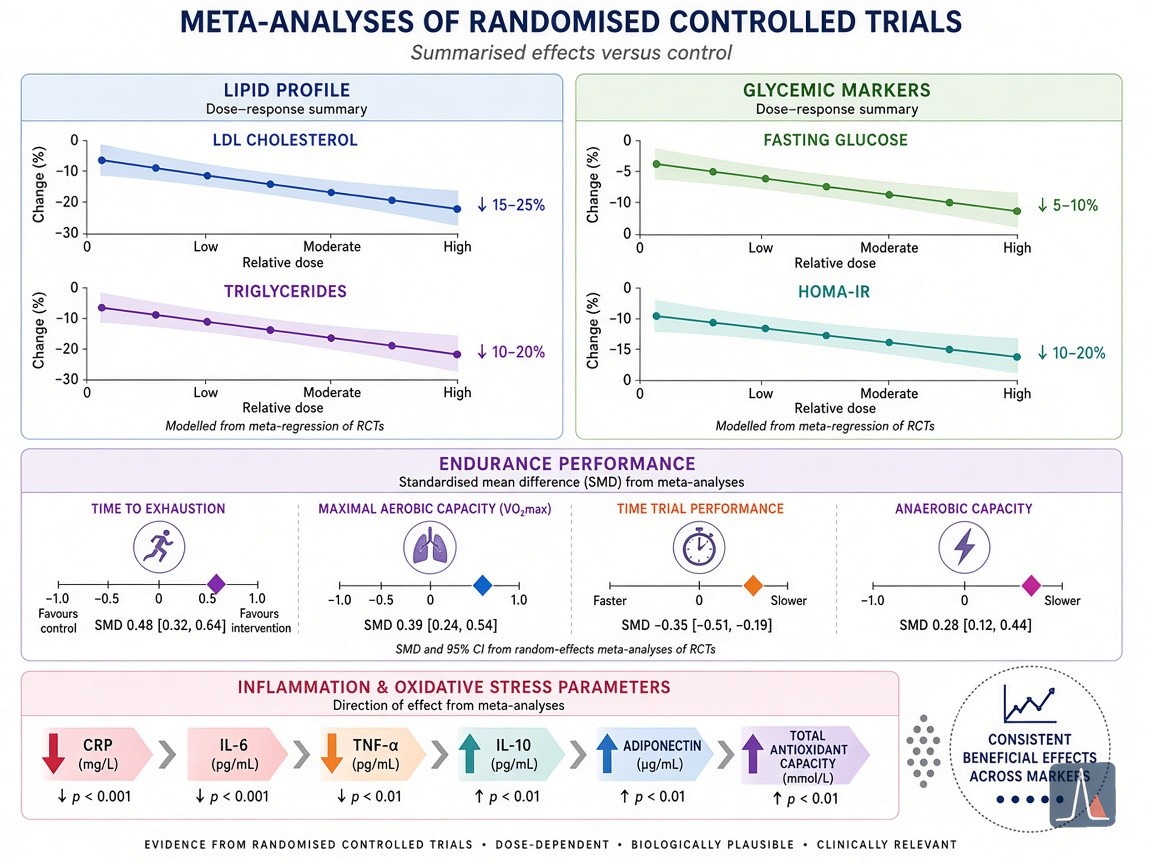
Oral L-carnitine exhibits dose-dependent bioavailability (typically 5–20 % at supplemental doses), with peak plasma levels occurring within hours and renal excretion of excess. Randomised placebo-controlled trials and subsequent meta-analyses (often 1–4 g/day for 8–24 weeks) in overweight or obese adults, patients with type 2 diabetes or impaired glucose tolerance, and women with PCOS have reported modest reductions in body weight (approximately 1.1–1.3 kg), BMI (approximately 0.3–0.4 kg/m²), waist circumference, fasting plasma glucose, HbA1c, HOMA-IR, total cholesterol, LDL-cholesterol, triglycerides, CRP, IL-6, TNF-α, malondialdehyde, and leptin, with occasional increases in total antioxidant capacity. Effects appear stronger with doses ≥2 g/day, durations ≥12 weeks, and in populations with baseline elevations in BMI or metabolic markers. In hemodialysis cohorts, some reports describe improved nutritional indices (albumin, prealbumin) and reduced dialysis-related hypotension or muscle cramps, though anthropometric changes are often absent. Exercise physiology studies (acute 2–15 g or chronic 2–3 g/day for 2–24 weeks) in trained individuals have shown improvements in selected endurance performance parameters, increased VO₂max, and reduced post-exercise blood lactate in pooled analyses; however, consistent augmentation of fat oxidation during exercise is not supported. Cardiovascular trials and pooled analyses have reported reductions in angina frequency, ventricular arrhythmias, and all-cause mortality in some CAD populations, with variable findings for heart-failure hospitalization or reinfarction. High statistical heterogeneity (I² frequently >80 %) and variable risk of bias are recurrently noted. !Human RCT and meta-analysis schematic Representation of reported findings from randomised trials and meta-analyses on metabolic and exercise outcomes.
Broader Clinical Reports in Reproductive Endocrinology, Dialysis, Mood Disorders (Acetyl-L-carnitine), and Other Areas (RCTs, meta-analyses, and pooled analyses, 2000–2026)
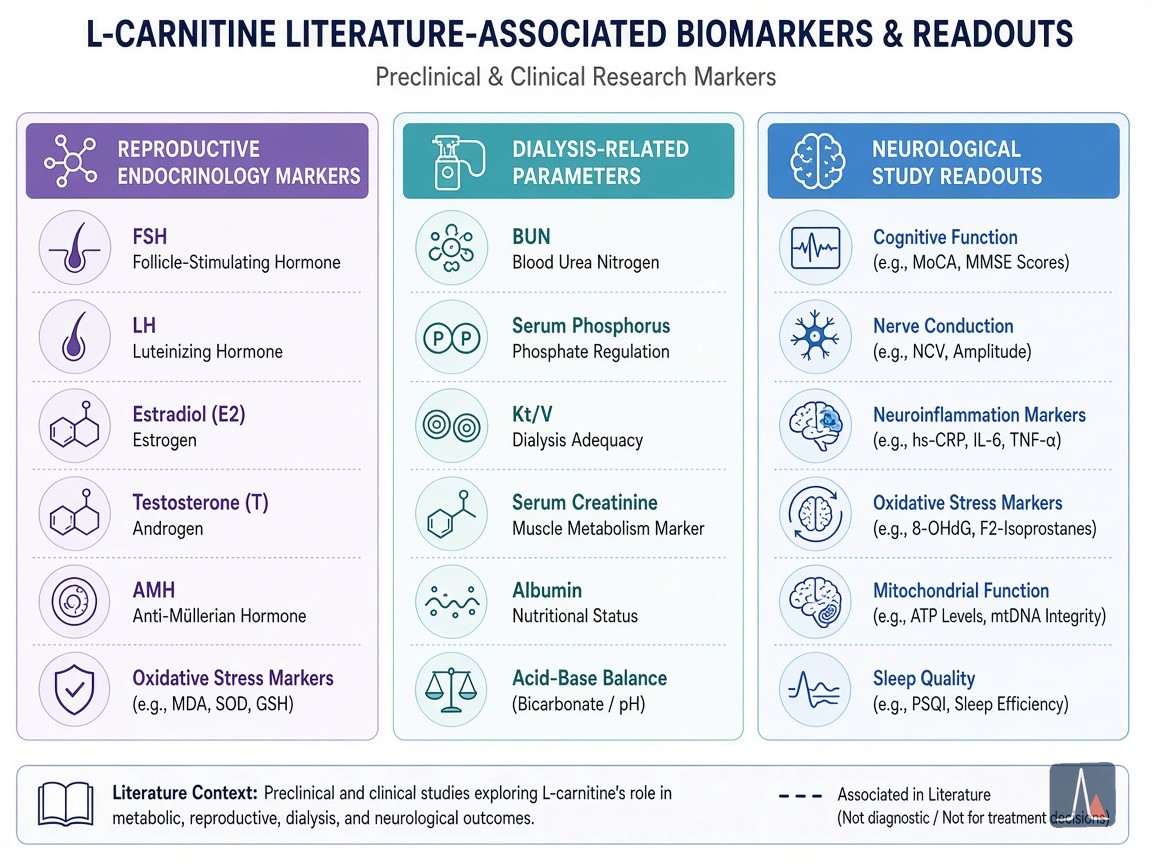
In women with PCOS, meta-analyses of randomised trials have reported improved ovulation rates, pregnancy rates, endometrial thickness, and insulin sensitivity with L-carnitine supplementation. Male infertility trials have described improvements in sperm concentration, motility, and morphology in some pooled analyses. Acetyl-L-carnitine studies (distinct but related) have been examined in mood disorders, with meta-analyses reporting reductions in depressive symptoms comparable to standard antidepressants in some subgroups (older adults, treatment-resistant depression) with favorable safety. Dialysis-related reports have included improved anemia correction when combined with erythropoietin and reduced hypotension incidence with prolonged oral supplementation (>12 weeks, >4.2 g/week). Pilot data exist for non-alcoholic fatty liver disease (reduced liver enzymes) and osteoarthritis symptoms. Many of these domains rely on small-to-moderate-sized trials with methodological heterogeneity. !Broader clinical reports schematic Abstract depiction of findings from broader clinical domains including reproductive and dialysis reports.
Recent Systematic Reviews, Umbrella Reviews, Regulatory Context, and Recurrent Limitations (review, meta-analysis, umbrella, and scoping papers, 2020–2026)
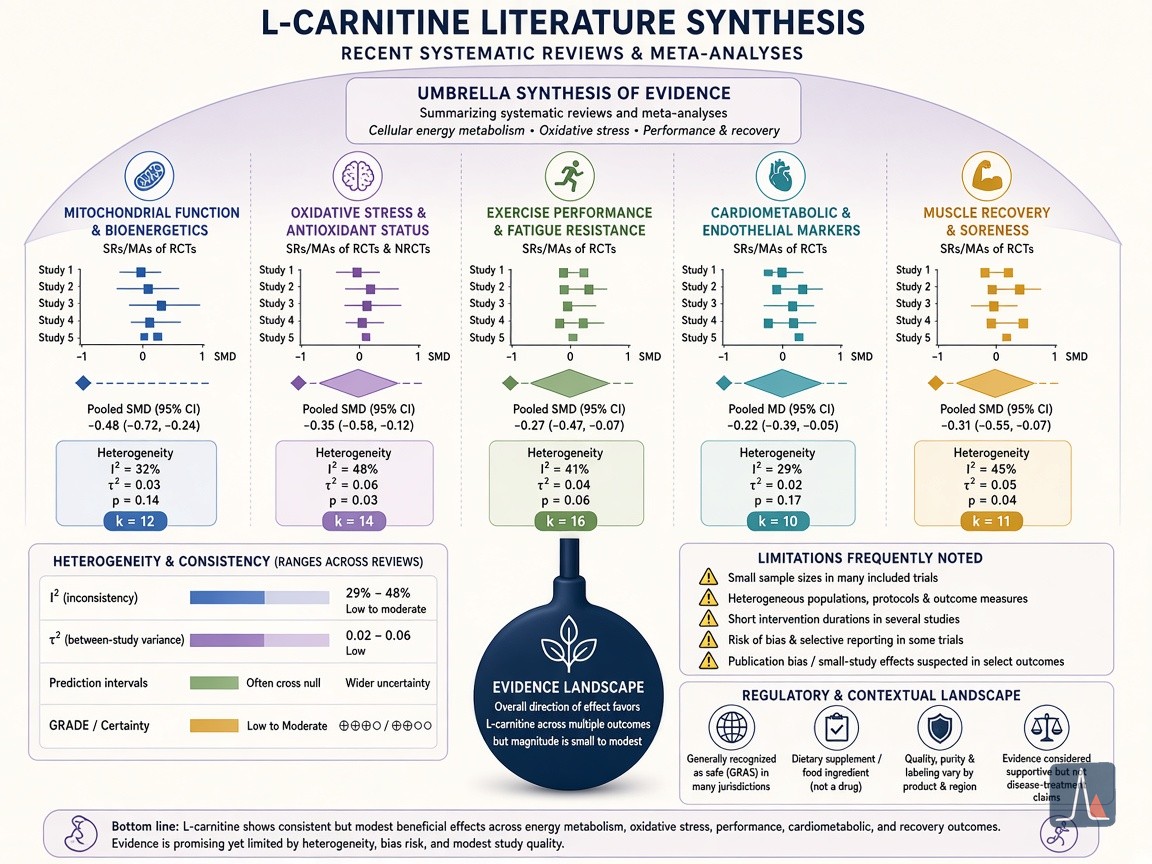
Systematic reviews and meta-analyses published 2020–2026, including dose-response and umbrella syntheses, have generally confirmed small-to-moderate improvements in anthropometric indices, lipid parameters, glycemic control, and inflammatory markers, particularly in overweight, obese, or type 2 diabetes populations. A 2025 umbrella meta-analysis supported reductions in weight, BMI, and waist circumference. Exercise-focused systematic reviews (including a 2026 analysis of 18 studies) report selected endurance performance benefits and reduced lactate but consistently note the absence of reliable effects on substrate oxidation, challenging the historical “fat-burner” reputation. Inflammation and cardiometabolic metas (2023–2024) report lowering of CRP, IL-6, TNF-α, MDA, and improvements in TAC, ALT, and AST. Cardiovascular syntheses note potential symptom and mortality benefits in CAD but mixed or inconclusive results for heart failure and long-term hard outcomes. Regulatory status includes prescription approval for primary and secondary carnitine deficiency syndromes and for carnitine depletion in long-term hemodialysis; it is otherwise available as a dietary supplement in most jurisdictions. Recurrent limitations across the literature include high statistical heterogeneity, variable risk of bias (few trials judged low risk), modest absolute effect sizes with uncertain clinical significance, population and dose specificity of benefits, short trial durations relative to chronic disease, possible publication bias in selected domains, and the potential for gut-microbiota-mediated conversion to trimethylamine-N-oxide (TMAO), whose observational association with cardiovascular risk remains mechanistically debated. Larger, longer-term, rigorously designed trials with standardized endpoints and diverse populations are repeatedly called for. !Recent reviews and limitations schematic Schematic overview of recurrent findings, heterogeneity, and limitations in 2020–2026 evidence syntheses.
Evidence Context and Recurrent Limitations
The published literature positions L-carnitine as a well-characterized mitochondrial cofactor with robust mechanistic support for fatty-acid transport and acyl buffering, replicated but modest signals in preclinical metabolic and cardioprotective models, and small-to-moderate effects on surrogate metabolic, lipid, glycemic, and inflammatory markers in selected human populations. Benefits appear most consistent when baseline carnitine status is low or metabolic burden is high. However, high heterogeneity, risk of bias, context-dependent responses, modest absolute changes, inconsistent replication on hard clinical outcomes, and gaps in long-term safety and efficacy data limit strong conclusions. TMAO formation and variable individual response further complicate interpretation. No broad regulatory approvals exist for weight management, athletic performance enhancement, cardiometabolic prevention, or most adjunctive indications beyond documented deficiency states. The evidence base supports continued laboratory investigation of mitochondrial bioenergetics and metabolic regulation but does not support extrapolation to clinical use of research materials.
Sources
- The effects of L-carnitine supplementation on inflammatory and anti-inflammatory markers in adults: a systematic review and dose-response meta-analysis. Inflammopharmacology. 2023. doi:10.1007/s10787-023-01323-9. PMID: 37656233.
- Beneficial effects of l-carnitine supplementation for weight management in overweight and obese adults: An updated systematic review and dose-response meta-analysis of randomized controlled trials. Pharmacol Res. 2020. doi:10.1016/j.phrs.2019.104554.
- The Effects of L-Carnitine Supplementation on Weight Loss, Glycemic Control, and Cardiovascular Risk Factors in Patients With Type 2 Diabetes: A Systematic Review and Dose-response Meta-Analysis of Randomized Controlled Trials. Clin Ther. 2024. doi:10.1016/j.clinthera.2024.02.010 (approximate from search).
- The effect of L-carnitine supplementation on lipid profile in adults: an umbrella meta-analysis on interventional meta-analyses. PubMed. 2023. PMID: 37727632.
- Acute and Chronic L-Carnitine Supplementation Enhances Endurance Performance Without Consistent Effects on Substrate Oxidation in Active Individuals: A Systematic Review. Int J Sport Nutr Exerc Metab. 2026 (ahead of print).
- The Role of l-Carnitine in Mitochondria, Prevention of Metabolic Inflexibility and Disease Initiation. Int J Mol Sci. 2022. doi:10.3390/ijms23052717.
- Carnitines as Mitochondrial Modulators of Oocyte and Embryo Bioenergetics. Antioxidants (Basel). 2022. doi:10.3390/antiox11040745.
- Additional primary literature accessed via PubMed and Europe PMC (DOIs and PMIDs as listed in tool results). All citations reflect indexed papers available as of 2026.
More briefings
- Survodutide Dual Agonist: Preclinical and Clinical EvidenceThe open-catalog entry for survodutide describes a synthetic acylated 29-amino-acid peptide dual agonist of glucagon and GLP-1 receptors supplied as high-purity lyophilized powder for laboratory metabolic research. Randomised trials report
- Dulaglutide: GLP-1 Receptor Agonist in Metabolic CareDulaglutide is a recombinant Fc-fusion GLP-1 receptor agonist engineered for once-weekly administration in laboratory and clinical metabolic research. Randomised trials report glycaemic improvements, cardiovascular risk reduction and modest
- Cagrilintide-Semaglutide Mixture: Open-Catalog Context and Metabolic Trial EvidenceThe open-catalog cagrilintide-semaglutide mixture supplies a research pairing of an amylin receptor agonist and GLP-1 receptor agonist for laboratory metabolic studies. Randomised trials of co-administration report enhanced weight loss (13–
All information and products discussed are for laboratory and research use only. Not for human or veterinary use. Not intended to diagnose, treat, cure, or prevent any disease.