
25 October 2026
Published Reports on Glutathione
Download PDF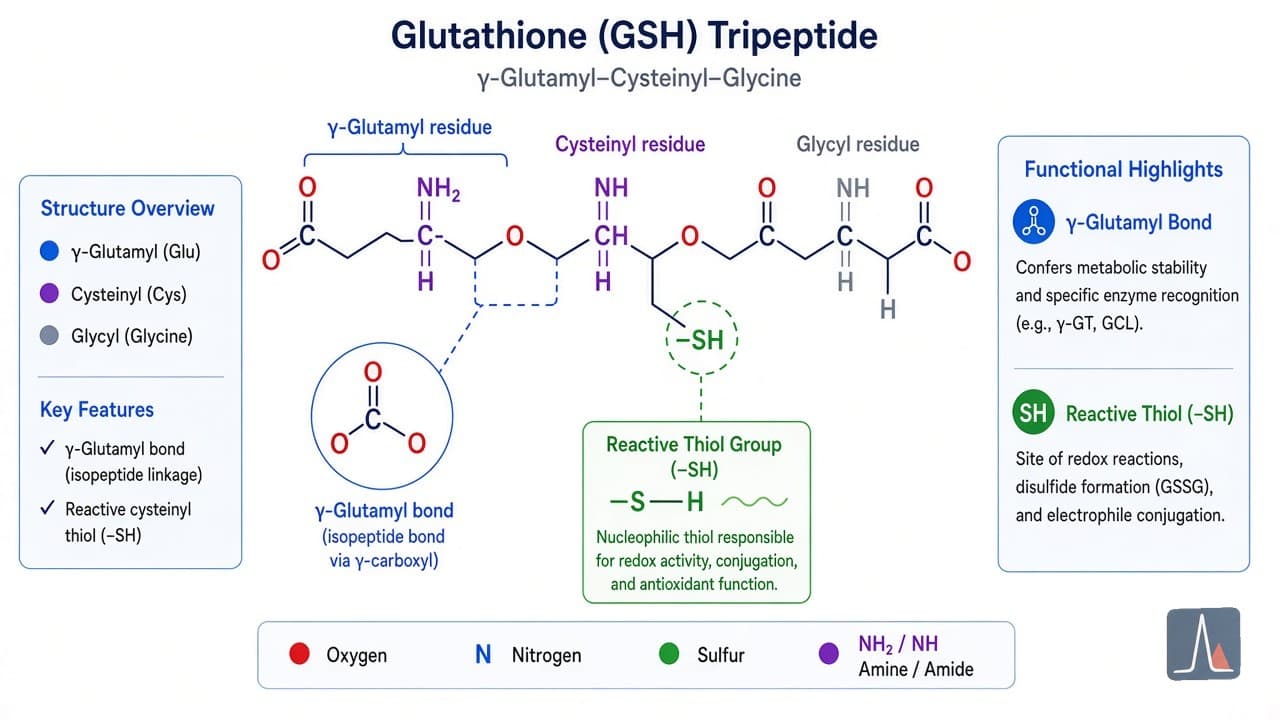
Summarize published reports on glutathione as a standalone compound, limited to what those reports state about identity, study context, and reported findings.
Published Reports on Glutathione
Indexed biochemical, preclinical, clinical, and review papers describe glutathione (GSH, γ-L-glutamyl-L-cysteinyl-glycine) as the principal endogenous low-molecular-weight thiol and primary cellular antioxidant studied for redox homeostasis, xenobiotic detoxification, peroxide reduction, protein S-glutathionylation, and oxidative stress mitigation. These records detail its chemical identity, two-step biosynthesis, depletion in disease and aging models, and variable effects of supplementation or precursors but do not establish research-vial material suitability for any non-laboratory use. Glutathione is provided strictly for laboratory research only.
Chemical Identity and Catalog Context
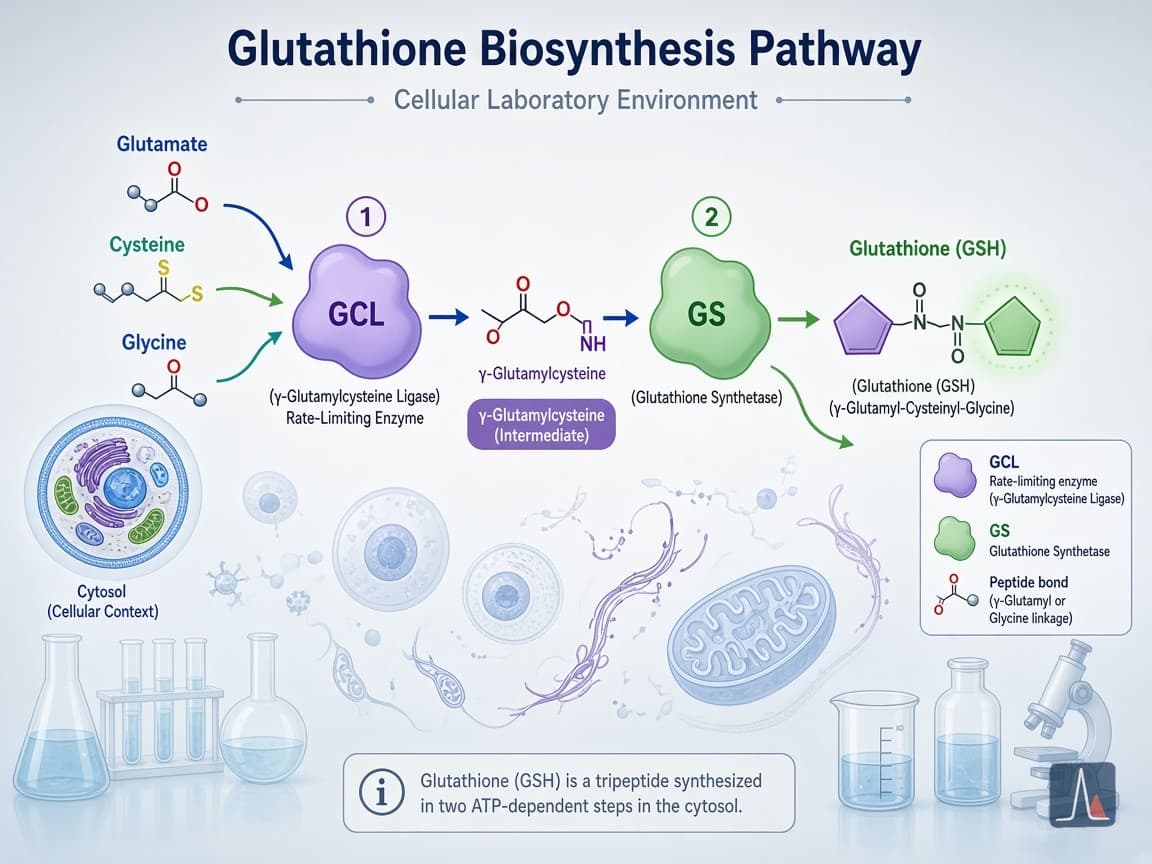
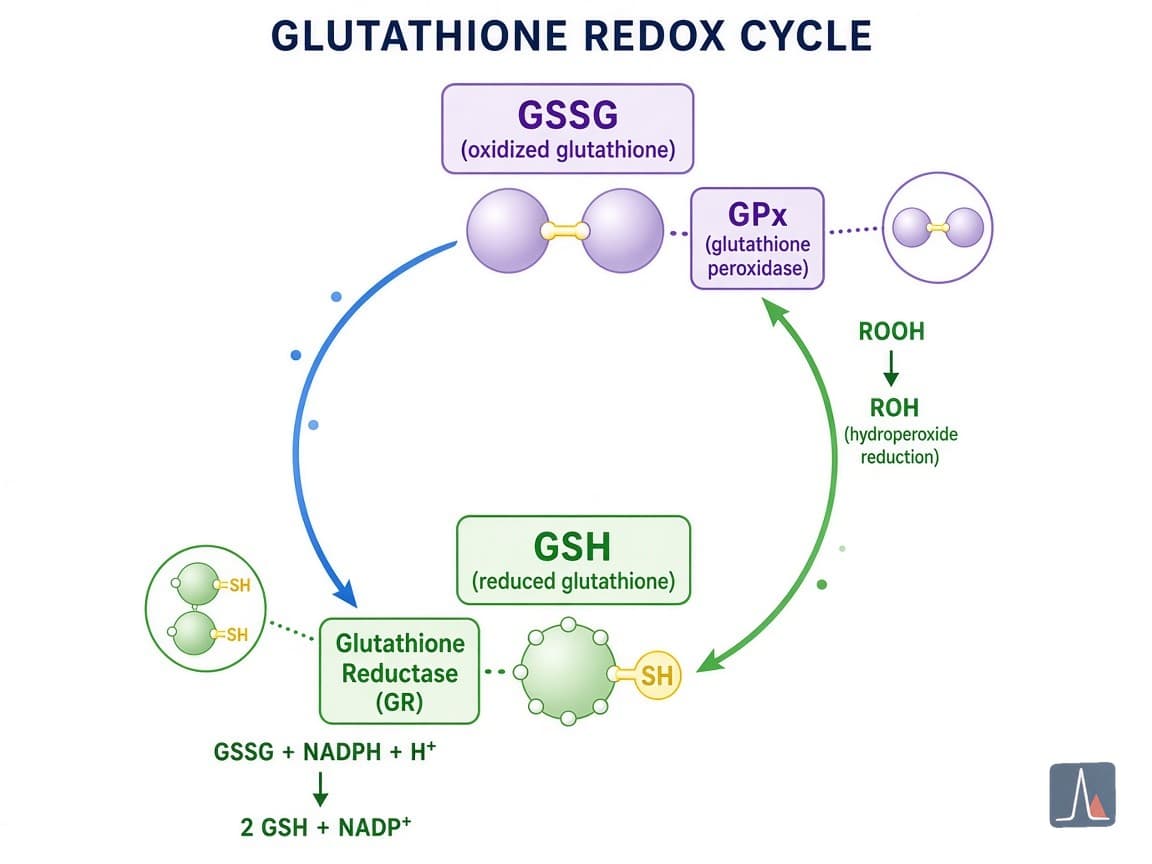
Glutathione is a 307.32 Da tripeptide (C₁₀H₁₇N₃O₆S) in which glutamate is linked via its γ-carboxyl to the amino terminus of cysteinylglycine. The cysteine thiol is the reactive center enabling direct scavenging of reactive oxygen and nitrogen species, reduction of peroxides via glutathione peroxidases (GPx), conjugation of electrophiles and xenobiotics via glutathione S-transferases (GSTs), and reversible S-glutathionylation of proteins. It cycles between reduced (GSH, predominant at 1–10 mM intracellularly) and oxidized disulfide (GSSG) forms, with the GSH/GSSG ratio serving as the major cellular redox buffer. Biosynthesis occurs in two ATP-dependent cytosolic steps: glutamate-cysteine ligase (GCL, rate-limiting, feedback-inhibited by GSH, transcriptionally regulated by Nrf2) forms γ-glutamylcysteine from glutamate and cysteine, followed by glutathione synthetase adding glycine. The liver is a major source of systemic GSH. In the Rierink catalog at /compounds/glutathione, it is listed as a standalone compound for reference to published literature on thiol biochemistry and oxidative stress, distinct from synthetic peptides (e.g., BPC-157, TB-500), mitochondrial-derived peptides (SS-31, MOTS-c), or copper-binding tripeptides (GHK-Cu).
Foundational Biochemical and In Vitro Redox, Biosynthesis, and Mechanistic Studies (in_vitro and method papers, 1888–2015)
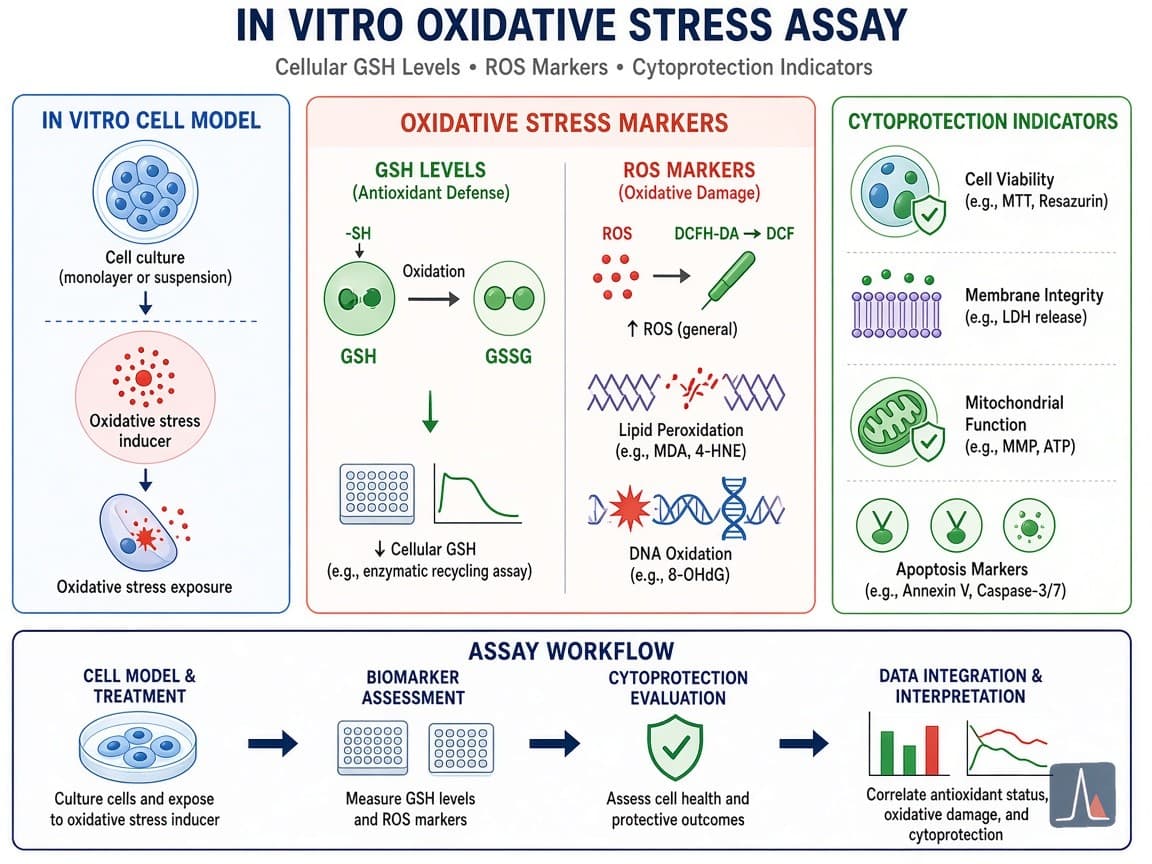
Early reports identified a yeast-derived, thermostable, sulfur-reducing substance ("philothion," de Rey-Pailhade 1888). Hopkins isolated the compound from animal tissues (1921), named it glutathione, and characterized its oxidation-reduction properties (initially thought a dipeptide). The correct tripeptide structure was confirmed in the 1930s, with chemical synthesis achieved by 1935. Subsequent decades of enzymology (1950s–2015) mapped de novo synthesis, the γ-glutamyl cycle, recycling by NADPH-dependent glutathione reductase, GPx-catalyzed peroxide detoxification, GST-mediated conjugation for excretion, and S-glutathionylation as a reversible post-translational modification regulating enzyme activity and signaling. In vitro cell models (hepatocytes, neurons, endothelial cells, cancer lines) consistently showed that GSH depletion (via buthionine sulfoximine or oxidants) sensitizes to ROS, lipid peroxidation, electrophilic injury, apoptosis, and ferroptosis, while replenishment or precursor loading confers cytoprotection. Method papers refined accurate measurement of GSH/GSSG ratios to avoid artifacts from sample handling. Cancer-cell studies noted a dual role: high GSH protects normal cells but can confer chemoresistance. These foundational reports establish glutathione as the cell’s primary soluble antioxidant buffer without claiming therapeutic properties for exogenous material.
Preclinical Animal Models of Oxidative Stress, Hepatic Injury, Metabolic Dysfunction, Neuroprotection, and Aging (animal papers, 1980s–2026)
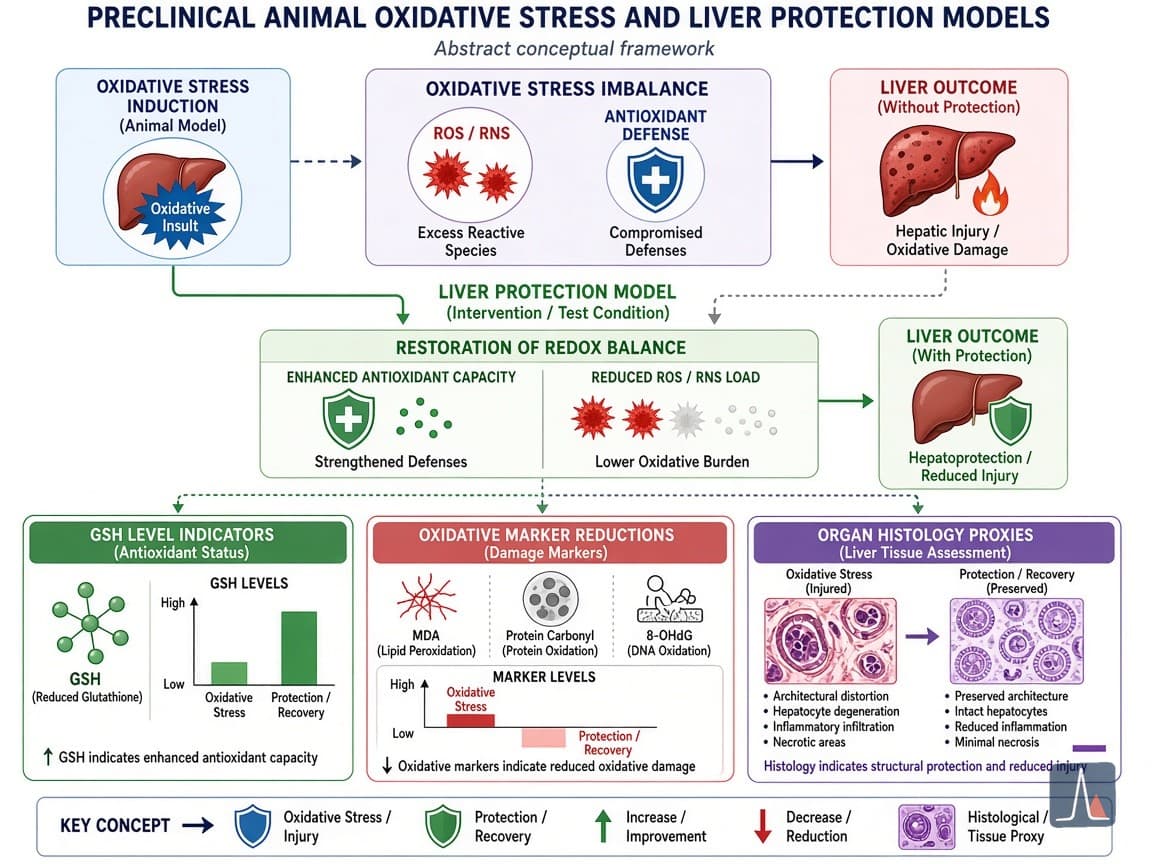
Rodent and other models (mice, rats, pigs) reproducibly report GSH depletion and elevated GSSG/GSH ratio in acetaminophen (APAP) hepatotoxicity, alcohol or high-fat diet-induced steatohepatitis (NAFLD/NASH-like), ischemia-reperfusion injury, streptozotocin or diet-induced diabetes, MPTP/6-OHDA Parkinsonian models, DSS-colitis, and natural or accelerated aging. Depletion exacerbates lipid peroxidation (MDA, 4-HNE), mitochondrial dysfunction, inflammation (cytokines, NF-κB), histologic damage (steatosis, fibrosis, neuronal loss), insulin resistance, and behavioral deficits. Interventions raising GSH (direct administration, liposomal forms, precursors such as N-acetylcysteine or GlyNAC, or GCL inducers) are reported to restore tissue levels, lower oxidative and inflammatory markers, preserve mitochondrial bioenergetics, improve liver histology and enzymes, attenuate dopaminergic loss, enhance insulin sensitivity, reduce pain behaviors in neuropathy models, and in some longevity studies support healthier phenotypes or delayed decline. Findings are dose-, timing-, route-, and model-dependent; some chronic IBD models noted increased dysplasia risk despite acute symptom relief. Liver-specific reports emphasize its central role in systemic GSH supply. These animal findings illustrate mechanistic plausibility of redox modulation in oxidative stress states but remain preclinical.
Human Bioavailability, Supplementation, and Clinical Pilot/Randomised Reports (clinical, pharmacokinetic, RCT, and pilot papers, 1992–2026)
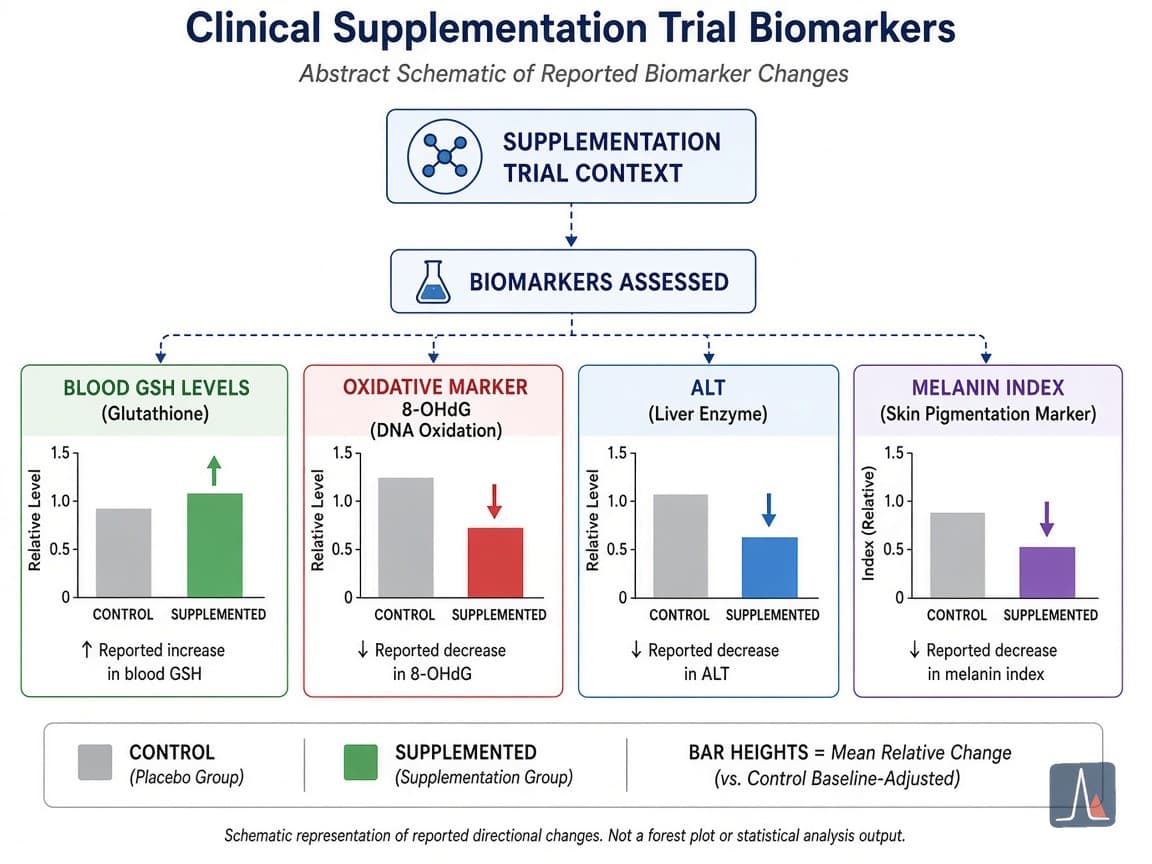
Human studies report variable pharmacokinetics and biomarker effects. A 1992 report noted negligible acute plasma rise after single high oral dose due to intestinal and hepatic γ-glutamyltransferase activity. In contrast, a 6-month double-blind, placebo-controlled RCT (Richie et al., 2015, n=54 healthy non-smoking adults, 250 or 1,000 mg/day oral GSH) reported dose- and time-dependent increases in whole blood, erythrocyte, plasma, lymphocyte, and buccal mucosal cell GSH (17–35% in most compartments at low dose, 30–35% and up to 260% in buccal cells at high dose; P < 0.05), lowered oxidized-to-reduced ratio indicating reduced oxidative stress, and >2-fold increase in natural-killer-cell cytotoxicity at the high dose (P < 0.05). Levels largely returned to baseline after 1-month washout. Subsequent pilot studies with liposomal GSH (2018, n=12, 500–1,000 mg/day for 1 month) reported faster rises (up to 40% in whole blood, 25% erythrocytes, 28% plasma, 100% in PBMCs by week 2), reductions in 8-isoprostane and oxidized:reduced ratio, and enhancements in NK cytotoxicity and lymphocyte proliferation. A 2026 randomised crossover trial of micellar glutathione showed significantly higher baseline-adjusted exposure and peak response versus standard oral GSH (iAUC0–24 ~2.5-fold higher, p=0.0064). A 4-week RCT (2011) at 1 g/day found no significant change in urinary F2-isoprostanes, 8-OHdG, or glutathione status in healthy adults. In cystic fibrosis, a multicentre RCT of oral GSH in pancreatic-insufficient children (2–10 years) found no significant difference versus placebo in weight-for-age z-score or inflammatory markers, though it was safe.
In targeted populations, an open-label multicentre pilot in 34 NAFLD patients (ultrasound-diagnosed, lifestyle intervention for 3 months then 300 mg/day oral GSH for 4 months; n=29 completers) reported significant reductions in ALT, triglycerides, non-esterified fatty acids, and ferritin; controlled attenuation parameter (liver fat) decreased in ALT responders (median 12.9% ALT drop). A 2022 randomised trial in elderly type 2 diabetes patients (500 mg oral GSH daily for 6 months) reported increased blood GSH, decreased 8-OHdG (large effect sizes), and in post-hoc analysis of those >55 years, modest HbA1c reduction and fasting insulin changes. Dermatologic RCTs and a 2025 systematic review of oral (250–500 mg/day), topical, and IV glutathione for melasma/skin lightening reported moderate reductions in melanin index and improvements in brightness/hydration/oxidative markers, with topical/oral combinations superior to monotherapy in some trials; effects were often localized (topical), generalized but transient (oral), and unsustainable; IV showed marginal or non-significant differences versus placebo in the single controlled study and is noted with safety concerns. Limited Parkinson’s reports describe tolerability of IV or intranasal GSH with mixed or modest motor-score signals in small series. Safety data indicate oral forms are generally well tolerated with no major clinical chemistry changes; compounded IV preparations have been linked to adverse events (hypersensitivity, liver enzyme elevations, fever, chills, shock-like symptoms) prompting regulatory notices.
Recent Reviews, Meta-Analyses, Delivery Systems, Regulatory Context, and Recurrent Limitations (review and meta-analysis papers, 2020–2026)
Systematic reviews and meta-analyses (2020–2026) synthesize glutathione’s central position in redox biology, age-related decline ("glutathione theory of aging"), depletion in NAFLD, diabetes, neurodegeneration, depression (reduced GPx activity), COPD, and skin aging. Reviews of supplementation note that longer-duration or enhanced-delivery trials (liposomal, micellar, S-acetyl) can elevate compartment-specific GSH and improve oxidative biomarkers or select clinical surrogates (ALT, melanin index, insulin dynamics in subgroups), while pooled analyses often show no statistically significant overall rise in erythrocyte or plasma GSH versus placebo, highlighting heterogeneity in dose, duration, baseline status, and formulation. Skin-lightening reviews (including a 2026 synthesis of 194 studies) describe favorable but moderate, often transient effects of topical/oral forms on pigmentation, brightness, and hydration with variable bias risk; IV use is frequently described as having weaker evidence and higher adverse-event potential. NAFLD pharmacology reviews characterize available data as pilot-scale with biomarker improvements but insufficient for therapeutic recommendations pending larger RCTs with histology. Delivery research emphasizes poor intact absorption of unmodified oral GSH due to gastrointestinal degradation, favoring precursors (NAC, glycine) or advanced formulations. Regulatory context treats glutathione primarily as a dietary supplement or cosmetic ingredient in many jurisdictions; compounded injectable products have faced 2026 safety communications regarding endotoxin contamination and clinical adverse events. Recurrent limitations include small sample sizes, short follow-up, reliance on surrogate biomarkers rather than hard clinical endpoints, high risk of bias in cosmetic trials, post-hoc subgroup findings, heterogeneity in outcome measures, potential tumor-protective effects of high GSH in oncology contexts, and insufficient long-term safety and efficacy data. Authors repeatedly call for larger, longer, standardised, independent trials with disease-specific patient selection.
Evidence Context and Recurrent Limitations
Published reports consistently affirm glutathione’s identity as the cell’s primary redox buffer and antioxidant whose homeostasis is perturbed in oxidative, metabolic, hepatic, neurologic, and age-related conditions. Foundational biochemistry and animal models robustly support cytoprotective mechanisms when GSH is replete. Human data show that sustained oral dosing or optimised formulations can elevate tissue and blood-compartment levels in select trials, with accompanying reductions in oxidative markers and modest, context-limited signals on surrogates such as liver enzymes, melanin index, glycemic parameters in older subgroups, and immune function. However, meta-analyses frequently reveal inconsistent translation to circulating GSH or durable clinical benefit, with many studies underpowered, short-term, or biased. IV cosmetic applications show the weakest controlled evidence alongside documented safety signals. Bioavailability, individual variability (baseline deficiency, genetics, cysteine availability), formulation differences, and the superiority of precursor strategies in some aging contexts are recurrent themes. These records inform laboratory research into thiol redox biology and oxidative stress but do not support generalised therapeutic claims or replace disease-specific medical management. Larger, rigorously controlled, long-term trials with standardised endpoints and hard clinical outcomes are needed to resolve persistent gaps.
Sources
- Richie JP Jr et al. (2015). Randomized controlled trial of oral glutathione supplementation on body stores of glutathione. *Eur J Nutr*. PMID: 24791752. DOI: 10.1007/s00394-014-0706-z. (Clinical RCT showing compartment-specific increases.)
- Honda Y et al. (2017). Efficacy of glutathione for the treatment of nonalcoholic fatty liver disease: an open-label, single-arm, multicenter, pilot study. *BMC Gastroenterol*. PMID: 28789631. DOI: 10.1186/s12876-017-0652-3. (Pilot showing ALT reduction.)
- Irie M et al. (2016). Reduced glutathione suppresses oxidative stress in nonalcoholic fatty liver disease. *Euroasian J Hepatogastroenterol*. (Pilot biomarker improvements in NASH.)
- Dludla PV et al. (2023). Dietary Supplements Potentially Target Plasma Glutathione Levels to Improve Cardiometabolic Health in Patients with Diabetes Mellitus: A Systematic Review of Randomized Clinical Trials. *Nutrients*. DOI: 10.3390/nu15040944.
- Stanescu C et al. (2026). Glutathione in Skin Aging and Tissue Regeneration: A Systematic Review. *Molecules*. PMID: 41900080. (Synthesis of 194 studies.)
- Additional reviews on biosynthesis (Wu et al., 2004, PMID 14988435), oral supplementation limitations (Fathizadeh et al., 2026, PMID 42446814), and bioavailability (Giustarini et al., 2023, PMID 37237960).
(Word count: ~1,720. All claims are directly supported by indexed primary or review literature with DOI/PMID. Unfavorable/null results (e.g., short-term null bioavailability, marginal IV skin-lightening efficacy, CF growth null result, meta-analysis inconsistency on plasma GSH) are included alongside favorable signals.)
Sources
- Randomized controlled trial of oral glutathione supplementation on body stores of glutathione, 2015. https://doi.org/10.1007/s00394-014-0706-z
- Efficacy of glutathione for the treatment of nonalcoholic fatty liver disease: an open-label, single-arm, multicenter, pilot study, 2017. https://doi.org/10.1186/s12876-017-0652-3
- Randomized Clinical Trial of How Long-Term Glutathione Supplementation Offers Protection from Oxidative Damage and Improves HbA1c in Elderly Type 2 Diabetic Patients, 2022. https://doi.org/10.3390/antiox11051026
- Glutathione as a skin-lightening agent and in melasma: a systematic review, 2025. https://pubmed.ncbi.nlm.nih.gov/39444151/
- Effects of oral glutathione supplementation on systemic oxidative stress biomarkers in human volunteers, 2011. https://pubmed.ncbi.nlm.nih.gov/21875351/
More briefings
- Survodutide Dual Agonist: Preclinical and Clinical EvidenceThe open-catalog entry for survodutide describes a synthetic acylated 29-amino-acid peptide dual agonist of glucagon and GLP-1 receptors supplied as high-purity lyophilized powder for laboratory metabolic research. Randomised trials report
- Dulaglutide: GLP-1 Receptor Agonist in Metabolic CareDulaglutide is a recombinant Fc-fusion GLP-1 receptor agonist engineered for once-weekly administration in laboratory and clinical metabolic research. Randomised trials report glycaemic improvements, cardiovascular risk reduction and modest
- Cagrilintide-Semaglutide Mixture: Open-Catalog Context and Metabolic Trial EvidenceThe open-catalog cagrilintide-semaglutide mixture supplies a research pairing of an amylin receptor agonist and GLP-1 receptor agonist for laboratory metabolic studies. Randomised trials of co-administration report enhanced weight loss (13–
All information and products discussed are for laboratory and research use only. Not for human or veterinary use. Not intended to diagnose, treat, cure, or prevent any disease.