
23 October 2026
Published Reports on GHK-Cu
Download PDF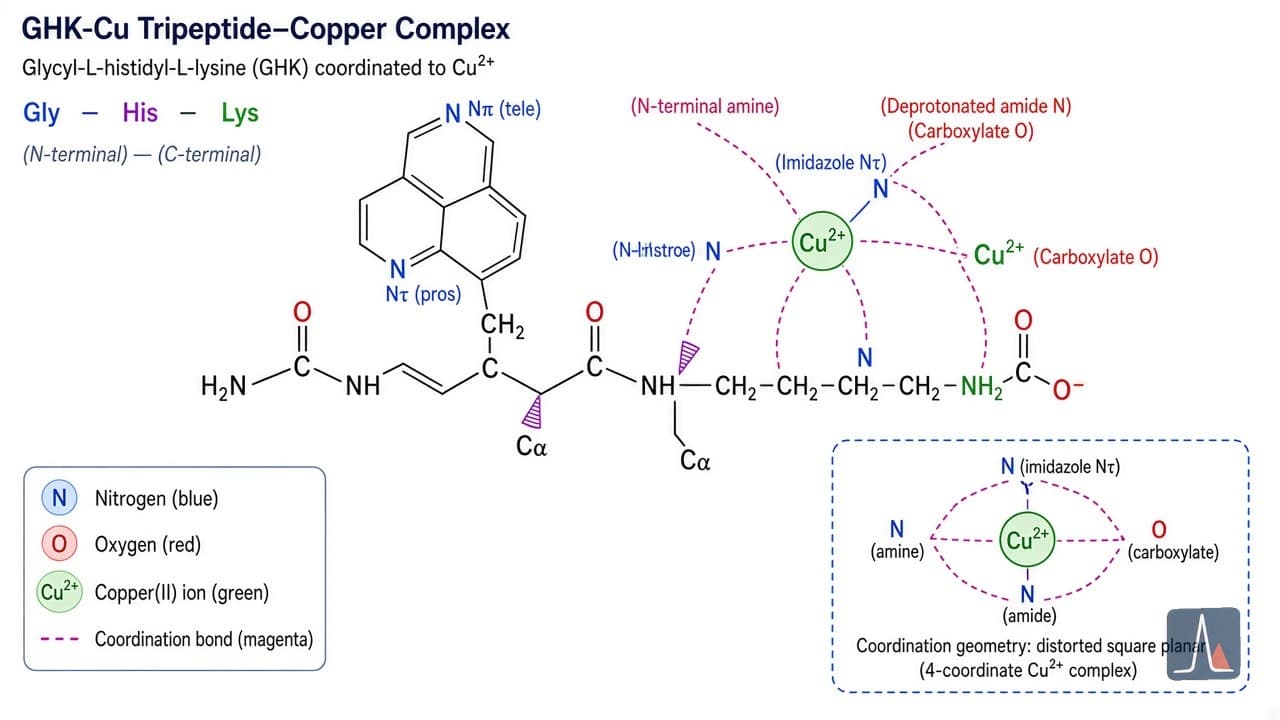
Indexed cell, animal, and cosmetic-science papers describe GHK-Cu as a copper-binding tripeptide studied for gene-expression and matrix readouts, distinct from the SNARE-targeted cosmetic octapeptide and the injury-model peptides already br
Published Reports on GHK-Cu
Indexed cell, animal, and cosmetic-science papers describe GHK-Cu as a copper-binding tripeptide studied for gene-expression and matrix readouts, distinct from the SNARE-targeted cosmetic octapeptide and the injury-model peptides already briefed, and those records do not establish research-vial use. GHK-Cu is for laboratory research only.
These records do not establish that any Rierink research material is a medicine, treats any condition, or is safe or effective for use in people or animals.
Chemical Identity and Catalog Context
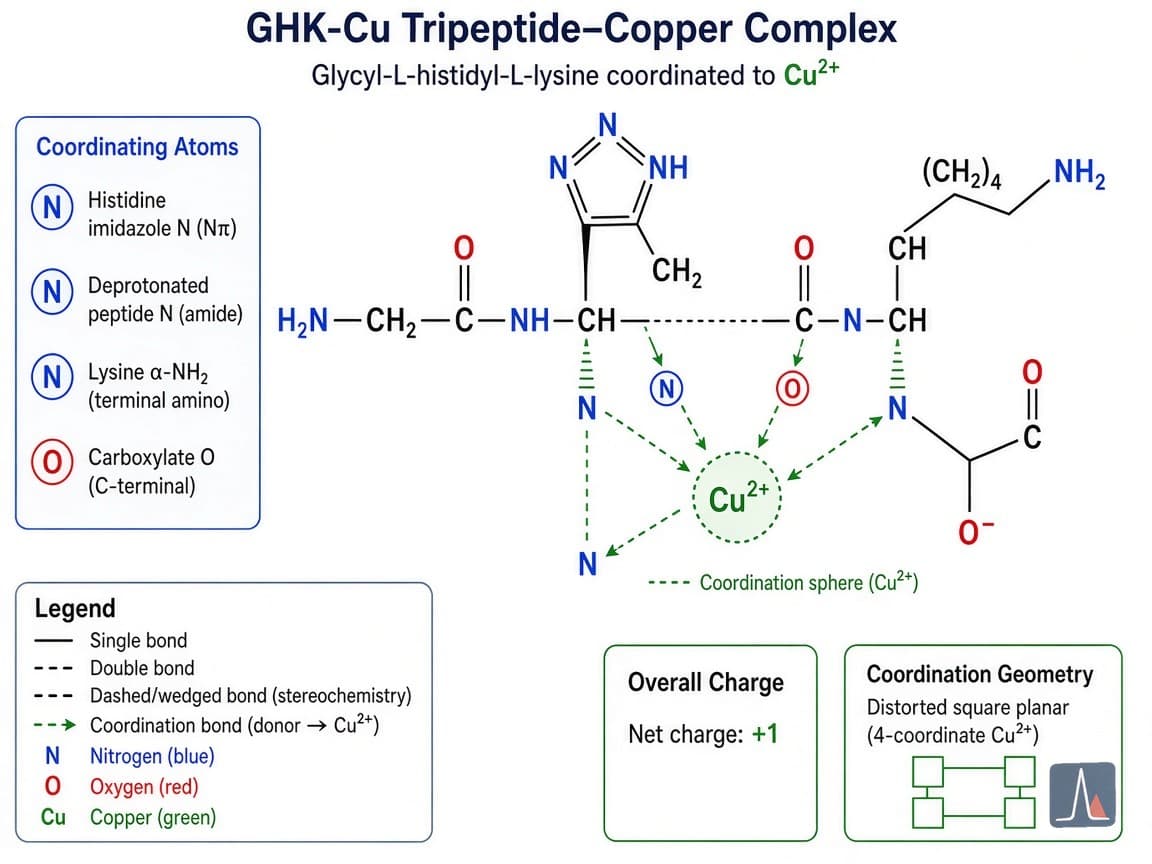
GHK-Cu is the copper(II) complex of the tripeptide glycyl-L-histidyl-L-lysine. The apo-peptide GHK occurs naturally in human plasma, saliva, and urine as a fragment of larger proteins such as collagen Iα2 and the matricellular protein SPARC; it functions as a matricryptin. GHK binds Cu²⁺ with high affinity comparable to the copper-transport site on albumin, forming a stable GHK-Cu complex that can act as both a copper-delivery vehicle and a signaling molecule. Plasma concentrations of GHK decline with age, from approximately 200 ng/mL in young adults to roughly 80 ng/mL by age 60. In the Rierink catalog, GHK-Cu is supplied as a research-grade material for laboratory investigation of its effects on gene expression, extracellular-matrix (ECM) dynamics, and cellular remodeling readouts.
The literature on GHK-Cu is distinct from that on SNAP-8 (acetyl octapeptide-3), which targets SNARE proteins to reduce neurotransmitter release in cosmetic wrinkle assays, and from synthetic injury-model peptides such as BPC-157 or TB-500 fragments that have been examined primarily in cytoprotection or actin-binding contexts. Instead, indexed reports on GHK-Cu center on its roles in broad transcriptional remodeling and balanced matrix synthesis/degradation.
Foundational In Vitro Matrix Remodeling and Fibroblast Studies (in_vitro papers, 1988–2010)
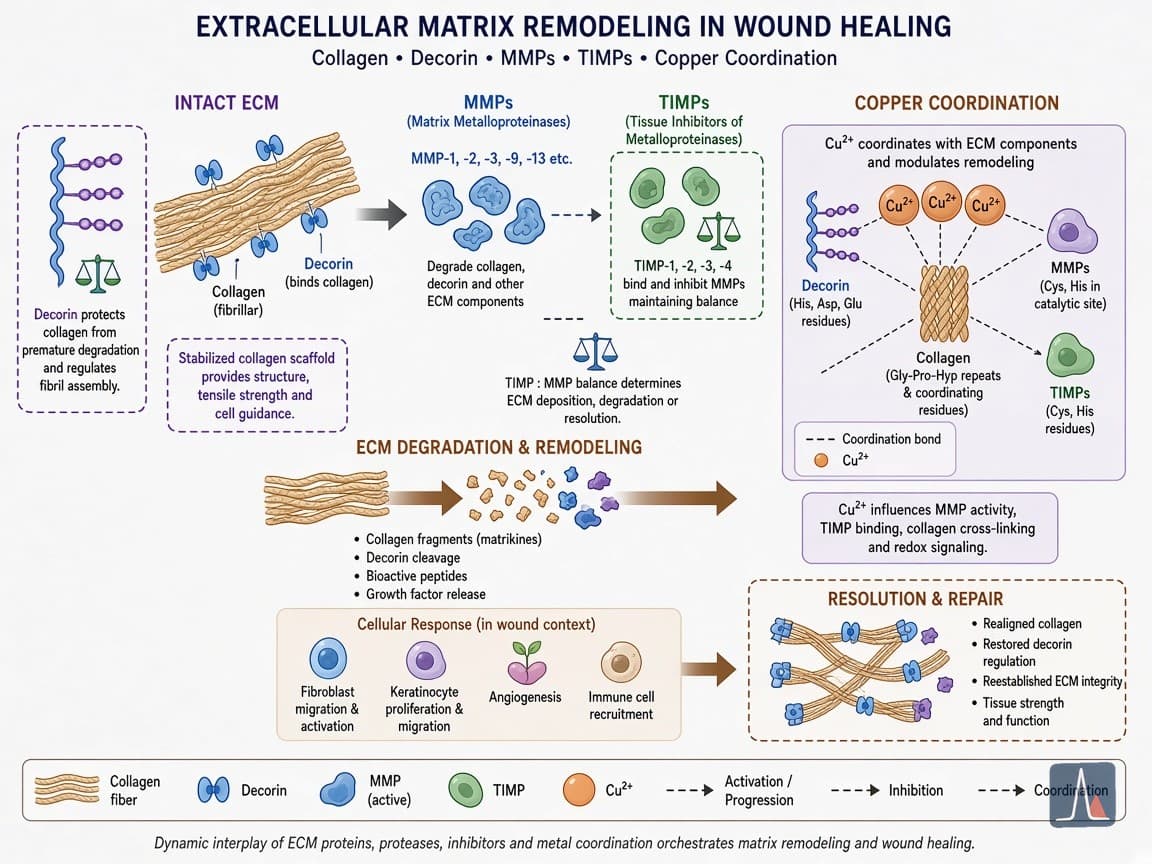
Early cell-culture work established GHK-Cu as a modulator of fibroblast behavior and ECM production. A 1988 in vitro study by Maquart and colleagues demonstrated that nanomolar concentrations of GHK-Cu stimulated collagen synthesis in cultured human fibroblasts without altering cell proliferation rates. Subsequent work in the 1990s examined effects on glycosaminoglycans (GAGs) and small proteoglycans. A 1999 in vitro and ex-vivo study reported that GHK-Cu increased expression and activation of matrix metalloproteinase-2 (MMP-2) in fibroblast cultures while also elevating tissue inhibitors of metalloproteinases (TIMPs), suggesting a role in balanced ECM turnover rather than simple accumulation.
Additional in vitro experiments showed GHK-Cu chemoattraction of macrophages, mast cells, and capillary endothelial cells; suppression of free-radical damage; and increased production of decorin, which organizes newly deposited collagen fibrils. These readouts were observed at picomolar to low-nanomolar concentrations, consistent with a signaling rather than nutritional copper-delivery mechanism alone. Limitations of these foundational papers include reliance on primary or immortalized fibroblast lines, absence of full dose-response curves in some experiments, and limited exploration of copper speciation (intact GHK-Cu versus free Cu²⁺ or apo-GHK).
Gene Expression and Transcriptomic Remodeling Reports (in_vitro and method papers, 2010–2018)
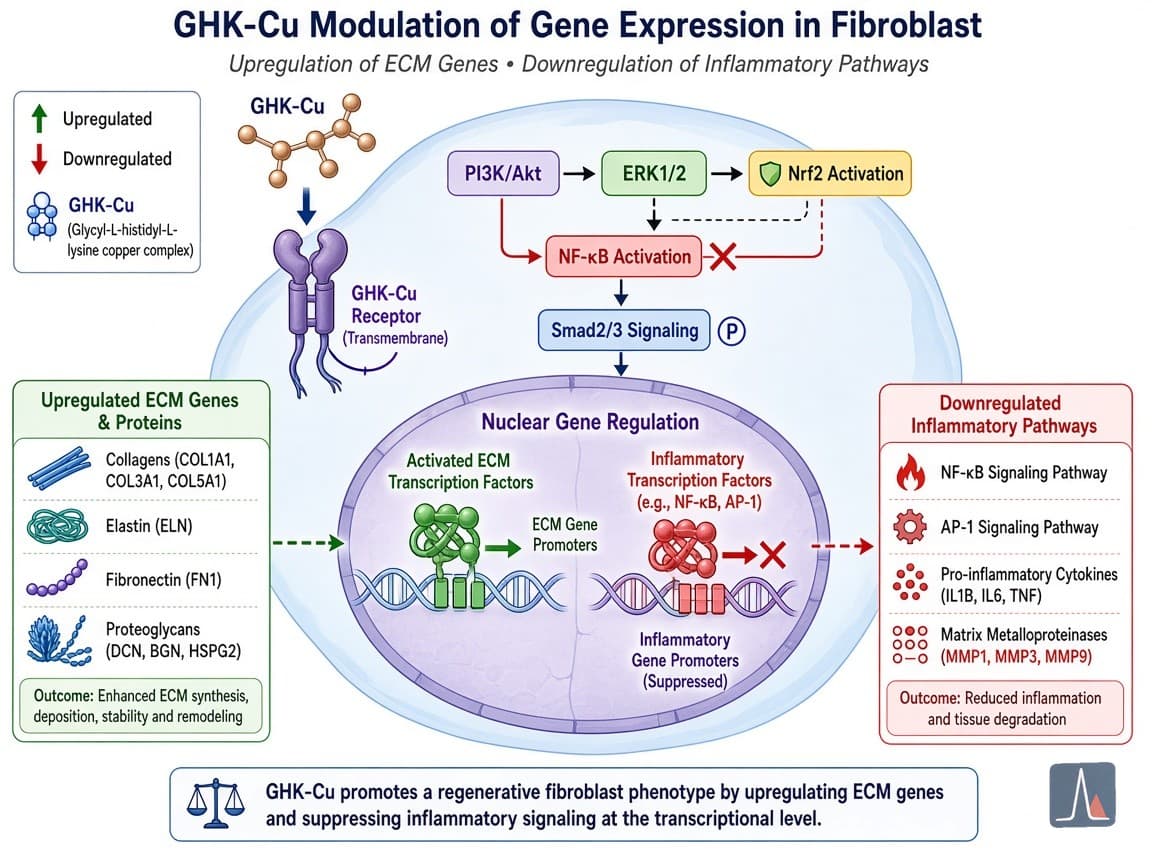
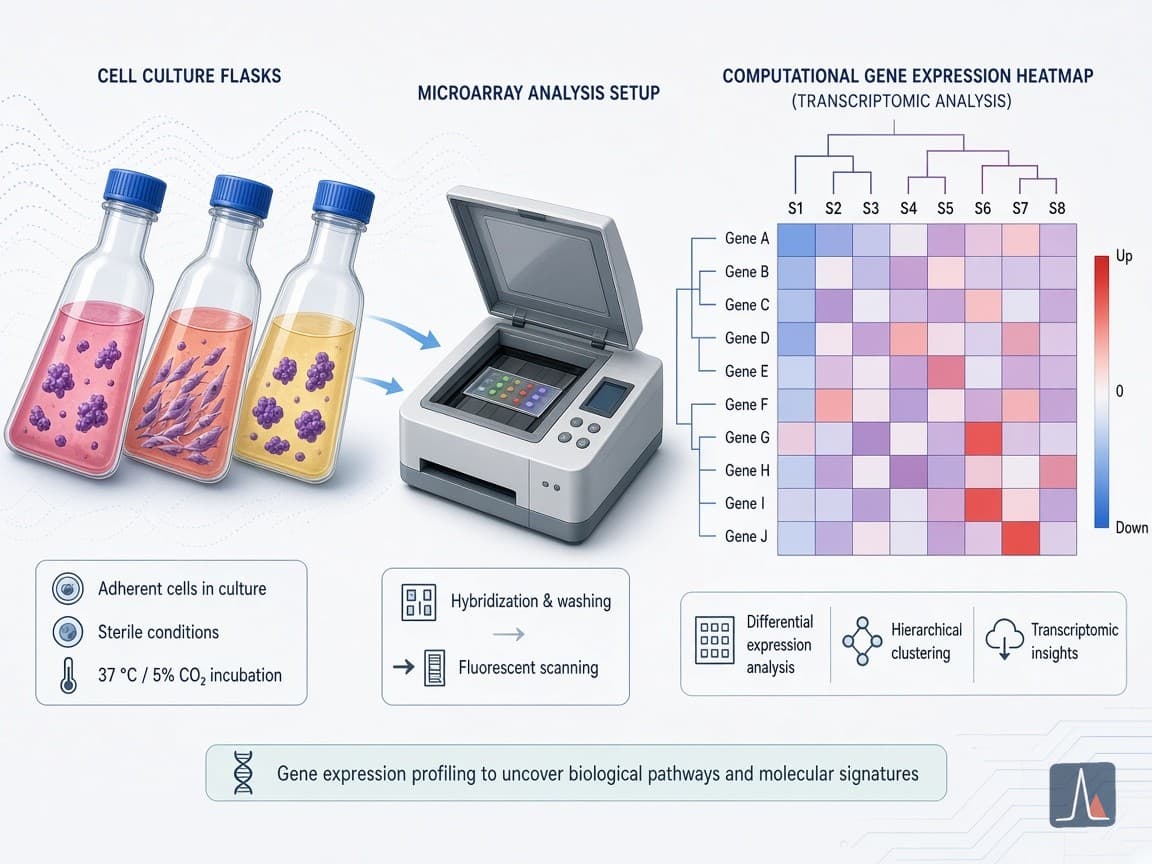
A series of transcriptomic analyses using the Broad Institute Connectivity Map (CMap) database revealed that GHK-Cu modulates expression of a surprisingly large fraction of the human genome. In 2014, Pickart, Vasquez-Soltero, and Margolina reported that GHK altered expression of over 4,000 genes by at least 50 %, with approximately 31 % of measured transcripts affected. In diseased cell models (COPD lung fibroblasts and metastatic cancer lines), GHK tended to reset pathological gene signatures toward those of healthier or younger cells. Upregulated categories included ECM genes (collagen I, III, elastin, decorin, multiple GAG biosynthetic enzymes), antioxidant enzymes (SOD1, catalase), DNA-repair pathways (47 genes up, 5 down), and components of the ubiquitin-proteasome system. Downregulated transcripts frequently included pro-inflammatory mediators (NF-κB pathway members, TGF-β1 in certain contexts), fibrinogen, and selected proteases or metastasis-associated genes.
A 2017 paper extended these observations to nervous-system-relevant genes, showing potential modulation of pathways linked to oxidative stress, inflammation, and neurotrophic support in neuronal and glial models. The 2018 review by Pickart and Margolina synthesized these CMap findings with earlier matrix data, proposing that GHK-Cu’s diverse protective actions (anti-inflammatory, antioxidant, pro-regenerative) could be explained by coordinated transcriptional reprogramming. These reports used microarray or RNA-seq data from cultured cells exposed to GHK or GHK-Cu; they constitute correlative rather than causal evidence of in vivo function. Limitations include heavy authorship overlap with the original discoverer, use of cell lines that may not fully recapitulate tissue context, and the fact that gene-expression changes were measured at single time points without comprehensive proteomic validation in all cases.
Preclinical Animal Models of Wound Healing, Angiogenesis, and Fibrosis (animal papers, 1993–2026)
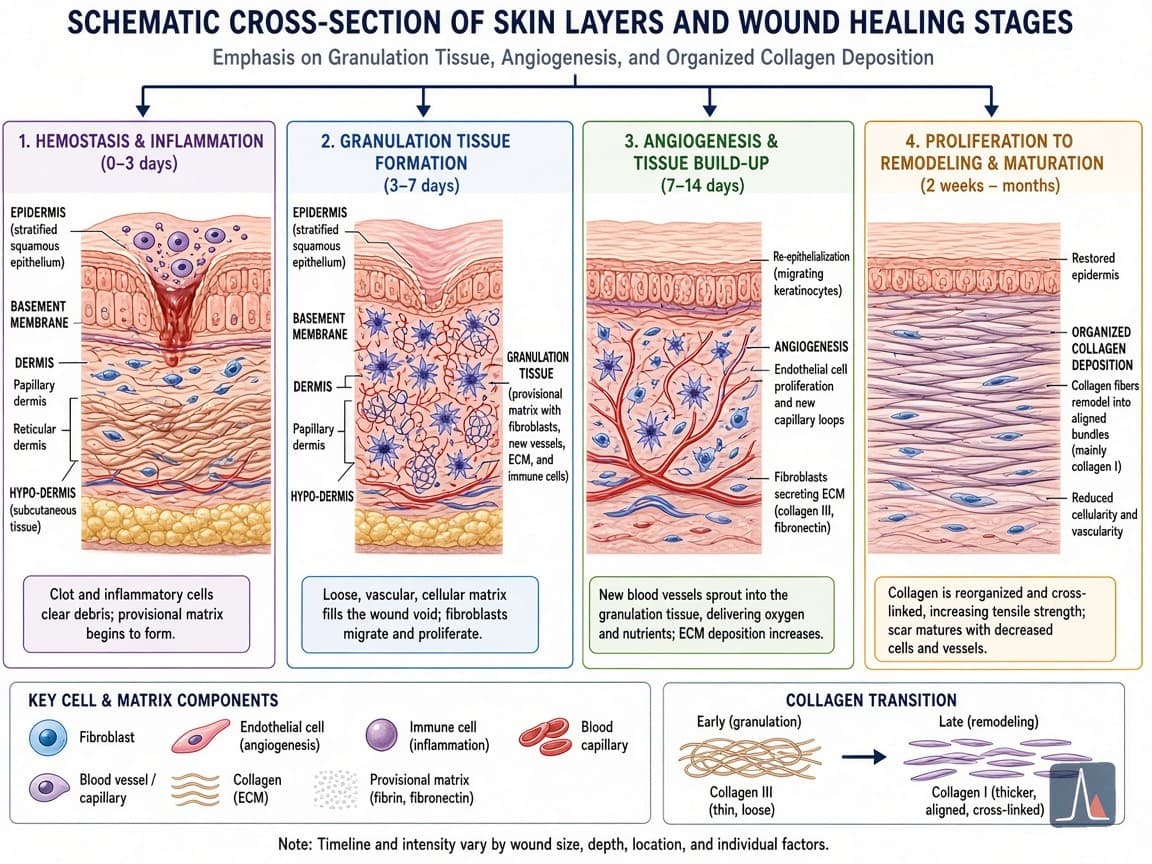
Rat wound-chamber models provided early in vivo confirmation of matrix effects. A 1993 study in the Journal of Clinical Investigation demonstrated dose-dependent increases in dry weight, total collagen, GAG content, and DNA in polyvinyl alcohol sponges implanted subcutaneously in rats; type-I and type-III collagen mRNA were elevated, and histological appearance showed more organized “basket-weave” collagen. Subsequent rodent studies examined excisional, diabetic, and ischemic wounds. GHK-Cu treatment was associated with faster re-epithelialization, increased granulation tissue, enhanced angiogenesis (measured by vessel density or VEGF expression), and reduced inflammatory markers in several reports.
Lung models have also been explored. In rodent emphysema and silicosis models (2010s–2024), GHK-Cu or related constructs reduced fibrosis, lowered TGF-β/Smad signaling in some contexts, activated Nrf2 antioxidant pathways, and improved alveolar architecture. Hair-follicle and scald-burn models in mice showed increased follicle size or accelerated healing when GHK-Cu was delivered in liposomes or dressings. A subset of studies examined irradiated or aged tissue, with partial restoration of proliferative capacity in fibroblasts. While many animal reports describe favorable matrix and gene-expression readouts, results were not uniformly positive; some irradiated-tissue models showed only transient or modest effects, and optimal delivery vehicles (liposomes, collagen scaffolds) appeared necessary for robust activity. Limitations common to this literature include small group sizes, variable dosing regimens (not reported here), species-specific responses, and frequent use of topical or local rather than systemic administration.
Cosmetic-Science, Formulation, Delivery, and Ex Vivo Skin Studies (cosmetic-science and method papers, 2005–2026)
Because GHK-Cu is hydrophilic and faces stratum-corneum penetration barriers, cosmetic-science papers have focused on formulation strategies. Liposomal encapsulation, nanoparticle carriers, and hyaluronan conjugates have been examined in Franz-cell diffusion studies using porcine or human cadaver skin; these approaches increased dermal deposition relative to free peptide. In vitro skin-equivalent models and ex-vivo human skin explants demonstrated upregulated collagen, elastin, and decorin mRNA or protein after GHK-Cu exposure, with some preservation of keratinocyte stemness markers (p63). Analytical methods for quantifying GHK-Cu in cosmetic matrices (HPLC, mass spectrometry) were developed to assess stability and copper speciation.
Several papers reported that GHK-Cu could modulate MMP/TIMP balance in cultured skin cells or explants in ways predicted to favor remodeling over scarring. Recent work (2020s) has explored microneedle-assisted delivery or dissolvable-patch platforms to bypass the epidermal barrier, showing improved uptake in ex-vivo models. These studies are largely mechanistic or formulation-oriented and do not substitute for controlled clinical outcome trials. Limitations include industry sponsorship in many cosmetic papers, use of non-physiological concentrations in some assays, and difficulty distinguishing effects of the intact complex from released copper or peptide fragments.
Limited Human Topical Pilot Reports (small clinical and observational studies, 1992–2026)
Human data consist primarily of small topical studies in dermatological or cosmetic settings. A 1992 multicenter randomized trial in venous and diabetic ulcers compared a tripeptide-copper cream with vehicle and silver sulfadiazine; results were mixed, with some subgroup analyses showing greater closure of larger plantar ulcers but overall performance not consistently superior to controls. A 2006 randomized post-CO₂-laser resurfacing study (n≈13 completers) found no significant objective improvement in erythema, wrinkles, or blinded physician scores versus vehicle regimen, although patient satisfaction questionnaires favored the GHK-Cu arm. Subsequent small split-face or split-wound cosmetic pilots (2010s–2026) reported subjective improvements in skin firmness, fine lines, or hair density in some cohorts, but objective instrumental measures (cutometry, profilometry) were not uniformly positive and often lacked long-term follow-up.
A 2026 phase-2 trial of topical GHK-Cu gel on standardized punch-biopsy wounds is registered but lacks posted efficacy results as of this writing. No published randomized controlled trials have examined systemic or injectable GHK-Cu in humans. These limited human reports illustrate the gap between preclinical mechanistic data and validated clinical translation; many were small, unblinded for subjective endpoints, or confounded by concomitant procedures.
Recent Systematic Reviews, Mechanistic Syntheses, and Recurrent Limitations (review and systematic papers, 2014–2026)
Pickart and Margolina published integrative reviews in 2014 (Biomed Res Int), 2015, 2017 (nervous-system genes), and 2018 (Int J Mol Sci) that collated the gene-expression, matrix, and protective data, emphasizing GHK-Cu’s potential to reset pathological transcriptional programs. A 2026 systematic review by Najafi and colleagues (PRISMA framework) screened 1,247 records from 2005–2026, retaining 64 for qualitative synthesis. The authors stratified by model (in vitro, ex vivo, rodent, non-rodent, human) and highlighted mechanistic coherence: GHK-Cu as matricryptin, copper cofactor for lysyl oxidase cross-linking enzymes, organizer of decorin/GAG architecture, modulator of TGF-β3-mediated anti-fibrotic signaling, and regulator of ferritin-iron antioxidant pathways. Preclinical evidence for tissue regeneration, anti-inflammatory action, antioxidant capacity, and gene remodeling was judged robust; however, the review explicitly called for well-designed, adequately powered human trials—particularly using microneedle or enhanced-delivery platforms—to bridge the translational gap.
Recurrent limitations across the literature include concentration of authorship in a small number of laboratories (including commercial entities linked to cosmetic development), heterogeneity of formulations and delivery methods, paucity of independent large-scale RCTs, reliance on surrogate rather than clinical endpoints in many human pilots, and incomplete characterization of copper speciation or pharmacokinetics in vivo. While gene-expression correlations are intriguing, they do not prove causality for tissue-level outcomes. Null or modest results in some irradiated-tissue, ulcer, or laser-resurfacing models further underscore context dependence. Future research would benefit from standardized analytical methods, independent replication, and rigorous trial design focused on objective matrix and functional readouts.
Sources
- Maquart FX et al. (1988). Stimulation of collagen synthesis in fibroblast cultures by the tripeptide-copper complex glycyl-L-histidyl-L-lysine-Cu²⁺. FEBS Lett. DOI: 10.1016/0014-5793(88)81277-2.
- Simeon A et al. (1999). Expression and activation of matrix metalloproteinases in wounds: modulation by the tripeptide-copper complex glycyl-L-histidyl-L-lysine-Cu²⁺. J Invest Dermatol. PMID: 10571741.
- Pickart L et al. (2014). GHK and DNA: resetting the human genome to health. Biomed Res Int. PMID: 25302294. DOI: 10.1155/2014/151479.
- Pickart L, Margolina A (2018). Regenerative and protective actions of the GHK-Cu peptide in the light of new gene data. Int J Mol Sci. PMID: 29986520. DOI: 10.3390/ijms19071987.
- Najafi N et al. (2026). A Systematic Review of the Mechanisms and Therapeutic Applications of GHK-Cu in Topical Microneedle Delivery: A Case for Expanded Clinical Trials. Arch Intern Med Res. DOI: 10.26502/aimr.0255.
- Additional primary reports indexed in PubMed/Europe PMC (1988–2026) on wound chambers, transcriptomics, formulation science, and small clinical pilots (specific DOIs/PMIDs available via PubMed searches for “GHK-Cu” OR “glycyl-L-histidyl-L-lysine copper”).
The body of indexed literature on GHK-Cu provides a coherent preclinical narrative centered on gene-expression reprogramming and ECM remodeling but highlights a clear need for higher-quality independent human studies before any translational claims can be substantiated.
More briefings
- Survodutide Dual Agonist: Preclinical and Clinical EvidenceThe open-catalog entry for survodutide describes a synthetic acylated 29-amino-acid peptide dual agonist of glucagon and GLP-1 receptors supplied as high-purity lyophilized powder for laboratory metabolic research. Randomised trials report
- Dulaglutide: GLP-1 Receptor Agonist in Metabolic CareDulaglutide is a recombinant Fc-fusion GLP-1 receptor agonist engineered for once-weekly administration in laboratory and clinical metabolic research. Randomised trials report glycaemic improvements, cardiovascular risk reduction and modest
- Cagrilintide-Semaglutide Mixture: Open-Catalog Context and Metabolic Trial EvidenceThe open-catalog cagrilintide-semaglutide mixture supplies a research pairing of an amylin receptor agonist and GLP-1 receptor agonist for laboratory metabolic studies. Randomised trials of co-administration report enhanced weight loss (13–
All information and products discussed are for laboratory and research use only. Not for human or veterinary use. Not intended to diagnose, treat, cure, or prevent any disease.