
24 October 2026
Published Reports on Epithalon
Download PDF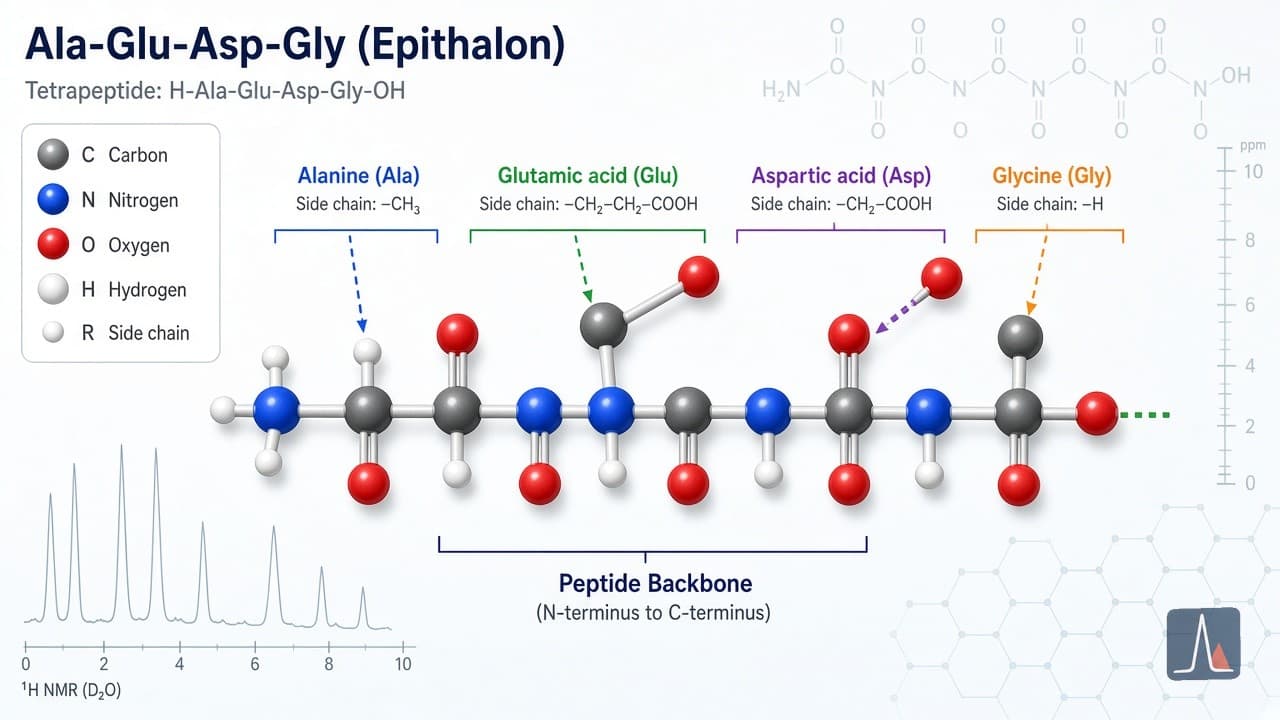
Indexed cell, animal, and limited human papers describe epithalon as a synthetic tetrapeptide studied for pineal and telomerase-related readouts, distinct from the senescent-cell, mitochondrial, and metabolic peptides already briefed. Recor
Published Reports on Epithalon
Indexed cell, animal, and limited human papers describe epithalon as a synthetic tetrapeptide studied for pineal and telomerase-related readouts, distinct from the senescent-cell, mitochondrial, and metabolic peptides already briefed, and those records do not establish research-vial use. Epithalon is for laboratory research only.
Chemical Identity and Catalog Context
Epithalon, also known as Epitalon or AEDG, is the synthetic tetrapeptide with the amino acid sequence Ala-Glu-Asp-Gly. It was designed by researchers at the St. Petersburg Institute of Bioregulation and Gerontology, led by Vladimir Khavinson, based on the amino-acid composition of epithalamin, a complex polypeptide extract isolated from bovine pineal glands. Unlike the heterogeneous natural extract, the synthetic tetrapeptide is a chemically defined single molecule (molecular weight approximately 390 Da) produced by solid-phase synthesis, offering batch-to-batch homogeneity and eliminating risks associated with animal-tissue sourcing.
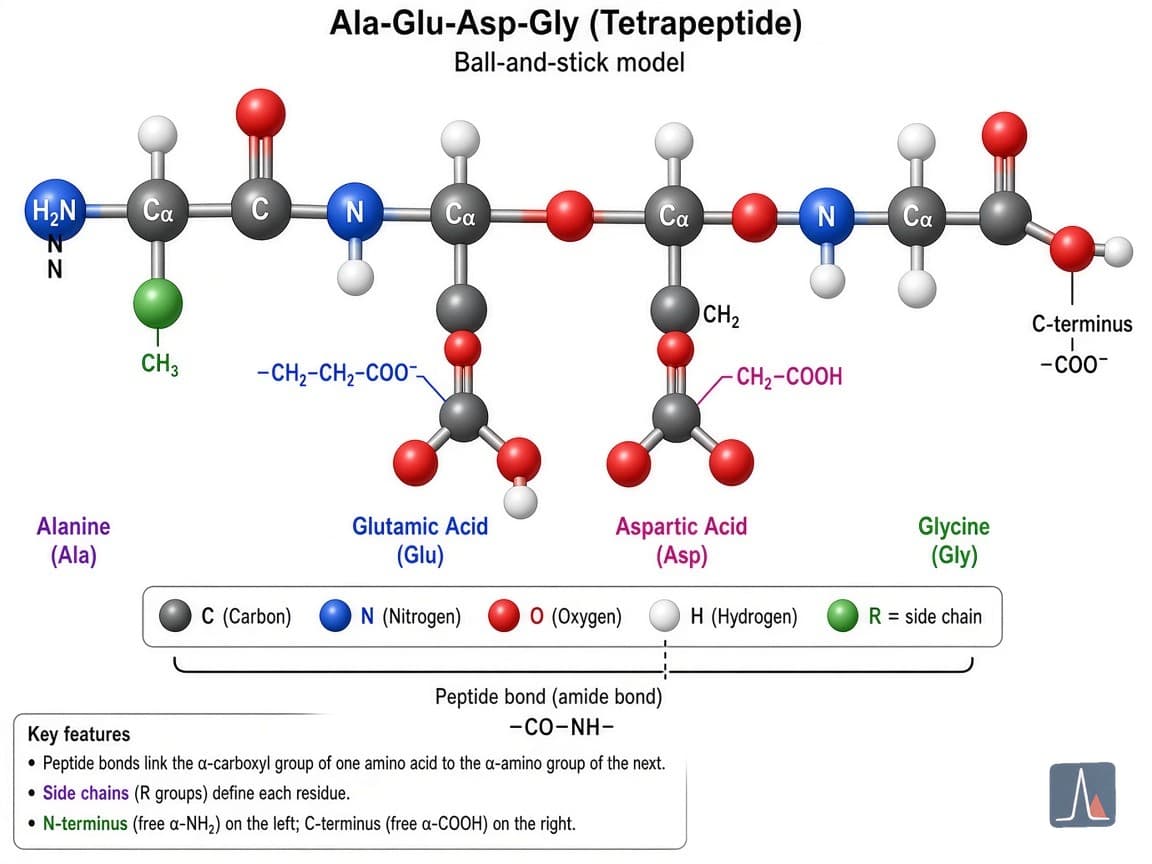
In the Rierink catalog it is offered strictly for laboratory research. It is distinct from longer pineal-derived preparations, thymic peptides, or other short bioactive sequences such as those targeting mitochondria or senescent cells. Early work focused on its ability to mimic selected effects attributed to the pineal extract, particularly modulation of circadian and cellular-aging readouts.
Foundational Discovery and In Vitro Telomerase Studies (in_vitro and method papers, 2003–2015)
The foundational report on telomerase-related activity appeared in 2003. Khavinson et al. (Bull Exp Biol Med, in_vitro) added the tetrapeptide to cultures of telomerase-negative human fetal lung fibroblasts. The authors reported induction of expression of the catalytic subunit of telomerase (hTERT), measurable enzymatic activity by the telomere repeat amplification protocol (TRAP), and an average 33% elongation of telomeres. Treated cultures reportedly achieved additional population doublings beyond the typical Hayflick limit observed in untreated controls. A 2004 follow-up from the same group described extension of replicative lifespan in similar fibroblast lines. Limitations of these early studies include reliance on a single cell type, short-term exposure, and absence of independent replication at the time.
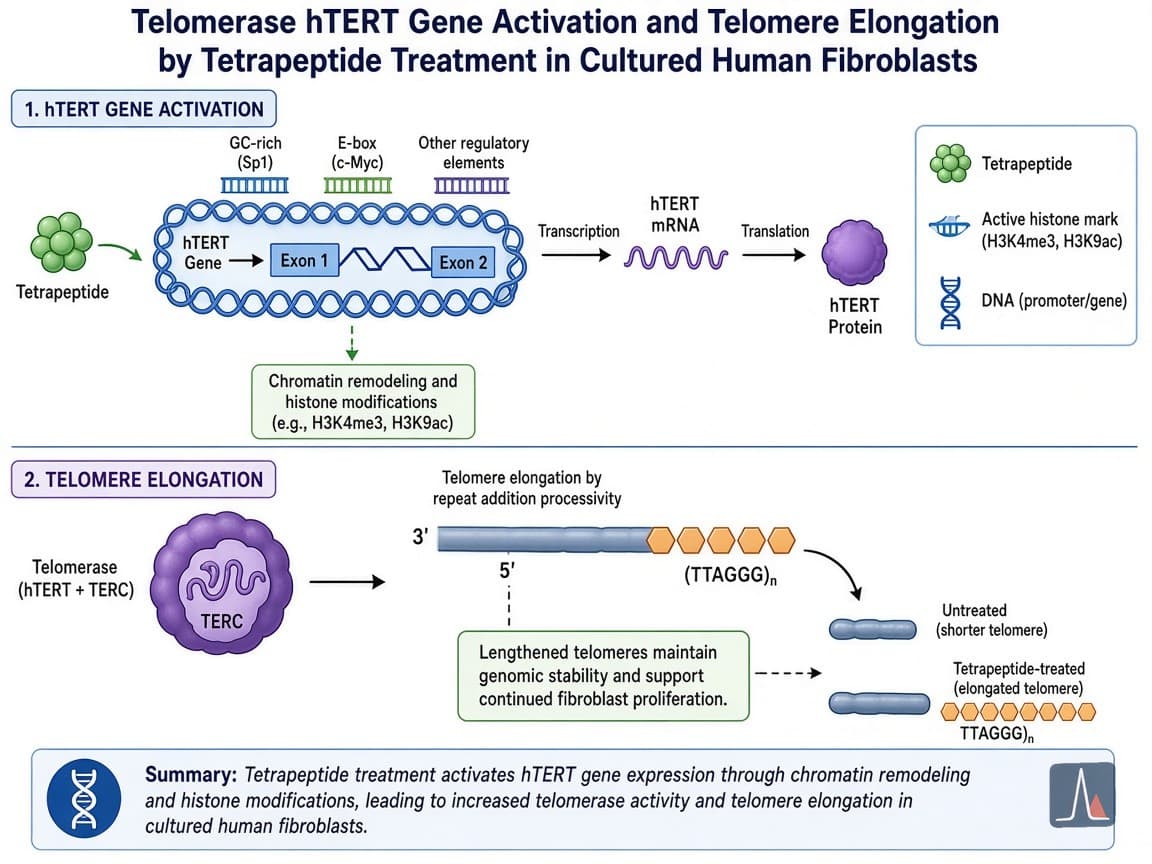
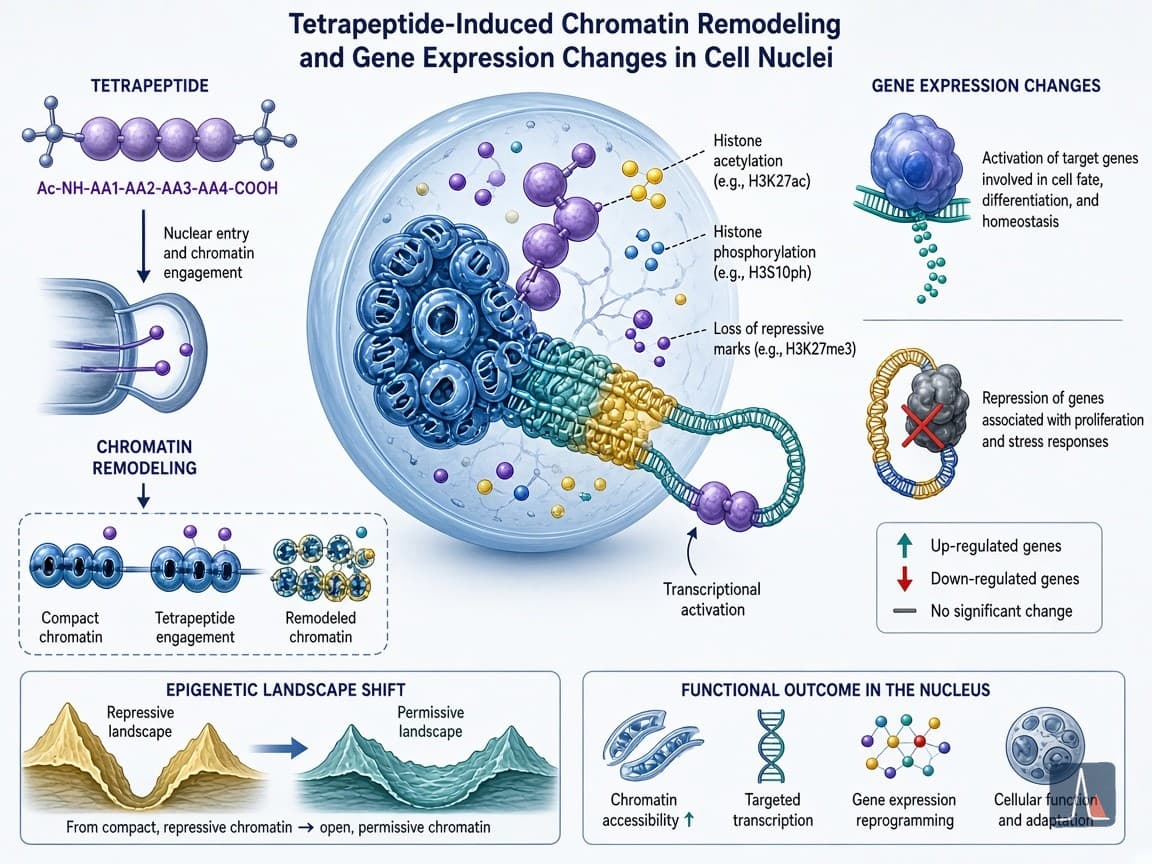
Subsequent in vitro work from the same laboratory explored chromatin decondensation in lymphocytes from elderly donors, modulation of gene expression, and effects on melatonin synthesis markers in pinealocyte cultures. Some experiments reported changes in mRNA levels for interleukin-2 and enzymes such as acetylcholinesterase. A null or suppressive effect on argyrophilic protein expression in certain thymic cell cultures was also noted at multiple concentrations. These findings suggested possible epigenetic or transcriptional mechanisms, although direct binding partners and structural studies remained limited.
Preclinical Animal Models of Longevity, Tumor Incidence, Melatonin Regulation, and Retinal Protection (animal papers, 2001–2026)
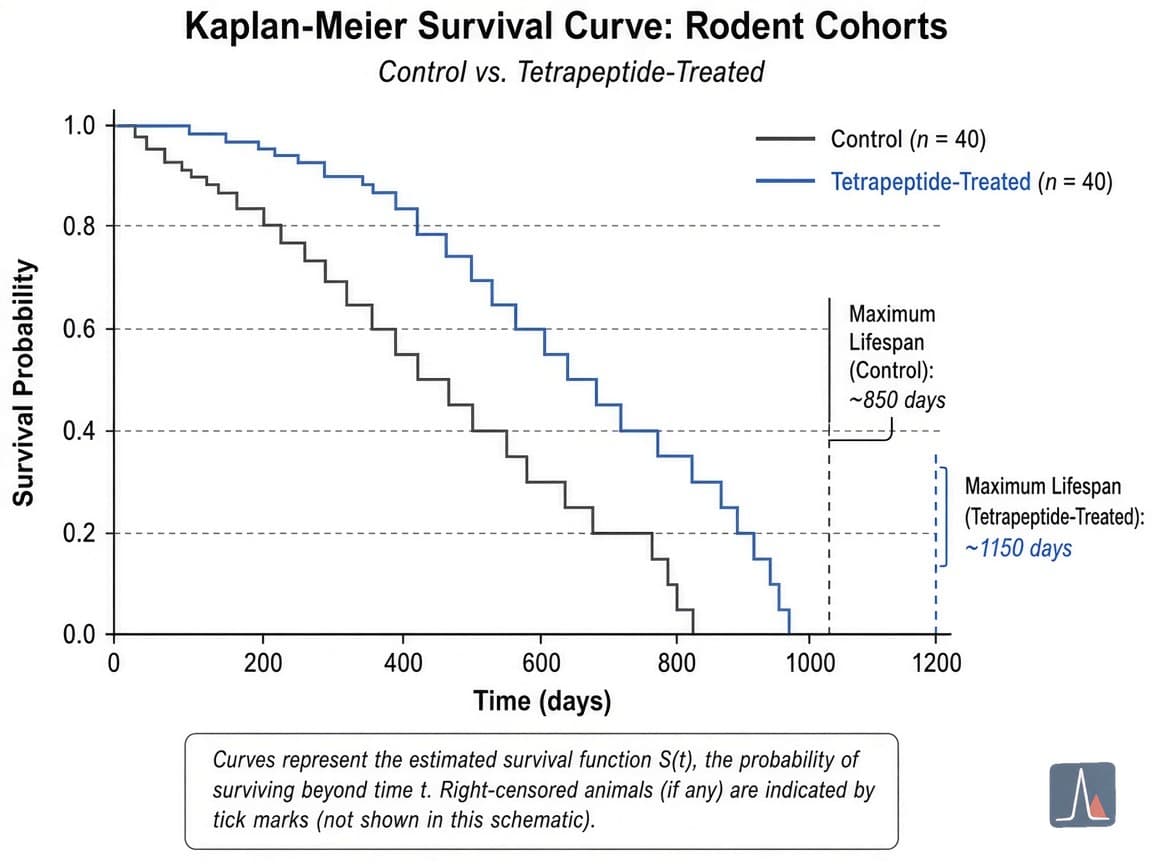
Animal studies have examined lifespan, spontaneous tumorigenesis, circadian parameters, and organ protection. In a 2003 study (Anisimov et al., Biogerontology, animal), female Swiss-derived SHR mice received monthly short courses of the peptide from 3 months of age until natural death. Mean lifespan was unchanged, but survival of the longest-lived 10% of animals increased by approximately 13%, maximum lifespan rose modestly, and the incidence of leukemia was markedly reduced while total tumor incidence remained similar. Age-related decline in estrous function was slowed and chromosomal aberrations in bone marrow were lower. Similar mixed lifespan outcomes appeared in other rodent models; mean lifespan was often unaffected while maximum lifespan or survival of the oldest animals showed gains under specific lighting or strain conditions.
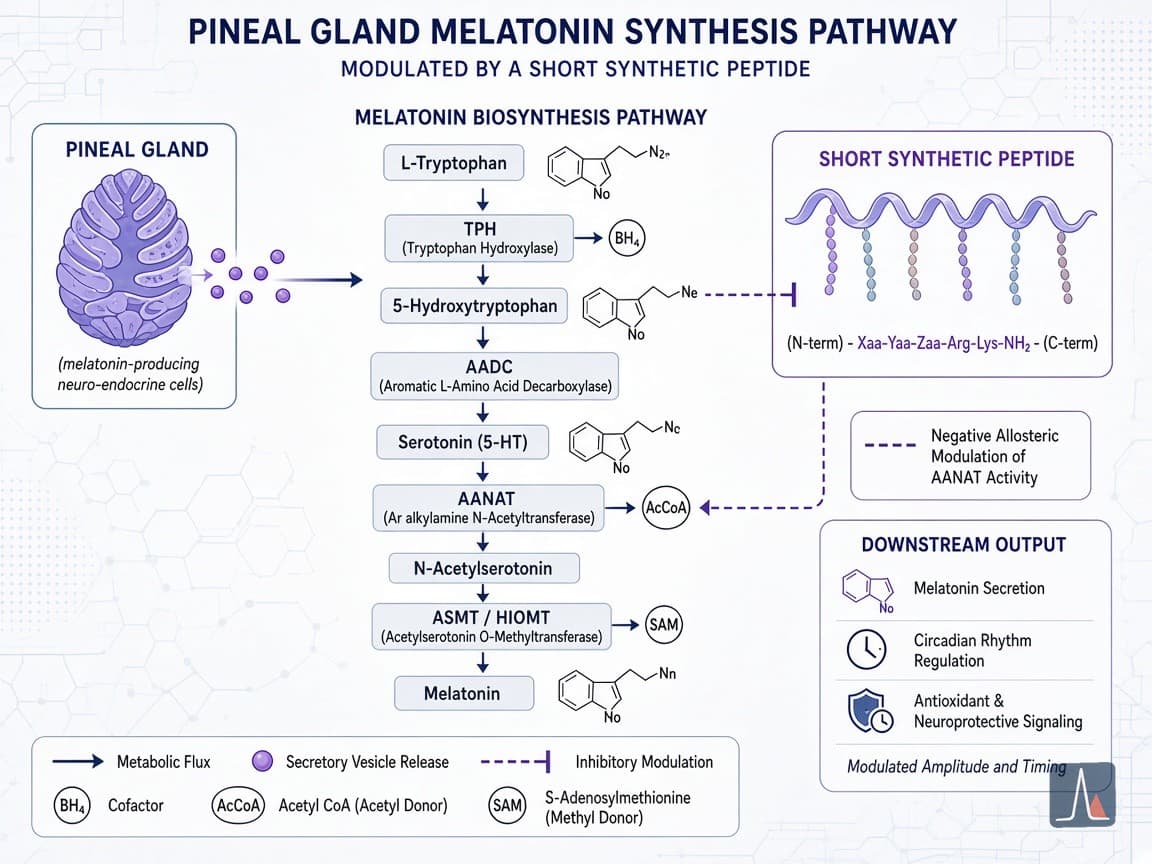
In Drosophila and certain rat cohorts, modest increases in mean or maximum lifespan (11–16% in some reports) were described together with reduced mortality rate doubling time. Several papers reported restoration of nocturnal melatonin and cortisol rhythms in aged rats and rhesus monkeys after treatment with either the extract or the synthetic tetrapeptide. Retinal protection was examined in hereditary retinitis pigmentosa models in Campbell rats; treated animals reportedly preserved retinal morphology and electroretinographic responses better than controls. Additional animal work has described antioxidant enzyme upregulation, reduced oxidative damage, and protection against post-ovulatory aging in mouse oocytes. Tumor-suppressive effects appeared in some carcinogenesis models, yet telomerase activation raised theoretical concerns about possible promotion of already-transformed cells. Limitations across these studies include small cohort sizes in primate work, strain- and lighting-specific effects, predominant authorship from one research network, and variable reproducibility of lifespan gains.
Limited Human Physiological, Ophthalmologic, and Biomarker Reports (clinical and observational studies, 2002–2026)
Human data specific to the synthetic tetrapeptide are sparse. A 2002 report described parabulbar administration in patients with retinitis pigmentosa and claimed a positive clinical effect in a high percentage of treated cases; however, the abstract provides limited detail on sample size, randomization, blinding, or quantitative endpoints. Small physiological studies have examined melatonin metabolites in night-shift workers or elderly subjects, with some reporting shifts in 6-sulfatoxymelatonin excretion after sublingual or other administration; these were typically short-term and not powered for clinical outcomes.
Many popular citations of longevity or mortality reduction in geriatric cohorts actually refer to the parent pineal-gland extract epithalamin rather than the defined tetrapeptide; the two should not be conflated. No large randomised, double-blind, placebo-controlled trials evaluating hard clinical endpoints, telomere length in circulating cells, or long-term safety of the synthetic molecule appear in indexed literature. One 2021 study in night-shift women measured circadian gene expression and melatonin biomarkers but did not report sleep outcomes or use injectable routes common in laboratory settings. Overall, human reports remain limited to small physiological or pilot observational designs, frequently from the originating institute, with recurrent methodological constraints such as lack of independent replication, incomplete reporting, and absence of pharmacokinetic data.
Recent Reviews, Independent Replications, and Recurrent Limitations (review papers, 2025–2026)
A 2025 narrative review by Araj et al. (Int J Mol Sci, review) synthesised 25 years of in vitro, animal, and limited human work. The authors catalogued reported geroprotective, neuroendocrine, antioxidant, neuroprotective, and antimutagenic effects attributed to both specific (telomerase, melatonin synthesis) and nonspecific mechanisms. They noted that direct influence on melatonin production, IL-2 mRNA, thymocyte mitogenic activity, and several enzymes had been demonstrated, yet emphasised that physicochemical and structural characterisation of the peptide itself remains limited and that the precise contribution of each pathway is uncertain.
An independent 2025 study (Al-Dulaimi et al., Biogerontology, in_vitro) partially replicated the telomerase findings in normal human fibroblasts and epithelial cells, showing dose-dependent hTERT mRNA upregulation (up to 12-fold in some conditions), increased telomerase activity, and telomere lengthening. In breast-cancer cell lines the same group observed telomere maintenance primarily via the alternative lengthening of telomeres (ALT) pathway rather than telomerase, prompting discussion of context-dependent mechanisms. A 2026 narrative review by Jain et al. concluded that the molecule is “biologically active but clinically unproven,” highlighting inadequate pharmacokinetic and long-term safety data and the absence of adequately powered randomised trials. Regulatory assessments in 2026 similarly noted no clinical studies establishing safety for human use and flagged theoretical carcinogenic potential linked to telomerase or ALT activity despite some preclinical tumor-reduction observations.
Evidence Context and Recurrent Limitations
Collectively, the indexed literature positions epithalon as a research tool for studying pineal-related circadian signalling and telomerase biology in controlled laboratory models. Preclinical findings of telomere dynamics, melatonin rhythm restoration, and selected geroprotective signals in cells and animals are intriguing yet remain confined to specific experimental systems. Human evidence is restricted to small, often uncontrolled or pilot physiological reports, many of which are confounded by use of the parent extract rather than the synthetic tetrapeptide.
Recurrent limitations include heavy reliance on a single research network, limited independent replication outside that group until recent cell-culture work, small sample sizes, surrogate rather than clinical endpoints, and absence of registered large-scale trials. Distinction between the defined synthetic tetrapeptide and the heterogeneous pineal extract is essential when interpreting longevity or mortality claims. Theoretical concerns around oncologic risk from telomere biology persist alongside some observations of reduced tumor incidence in selected animal models. No data establish translational relevance to human aging or disease. Future work would benefit from independent, adequately powered studies that clearly separate the synthetic molecule from its extract predecessor and that include rigorous safety, pharmacokinetic, and mechanistic endpoints. All described work concerns laboratory research materials; none constitutes guidance for therapeutic application.
Sources
- Khavinson VKh, et al. (2003). Epithalon peptide induces telomerase activity and telomere elongation in human somatic cells. Bull Exp Biol Med. PMID: 12937682. DOI: 10.1023/a:1025493705728.
- Anisimov VN, et al. (2003). Effect of Epitalon on biomarkers of aging, life span and spontaneous tumor incidence in female SHR mice. Biogerontology. DOI: 10.1023/A:1025114230714.
- Araj SK, et al. (2025). Overview of Epitalon—Highly Bioactive Pineal Tetrapeptide with Promising Properties. Int J Mol Sci. PMID: 40141333. PMC11943447. DOI: 10.3390/ijms26062691 (review).
- Al-Dulaimi S, et al. (2025). Epitalon increases telomere length in human cell lines through telomerase upregulation or ALT activity. Biogerontology. DOI: 10.1007/s10522-025-10315-x.
- Jain et al. (2026). Narrative review of peptide bioregulators (IJMS context). Additional references include primate melatonin studies (early 2000s), retinitis pigmentosa pilot reports (2002), and 2026 regulatory assessments noting absence of robust clinical safety or pharmacokinetic data.
All materials are for laboratory research only.
Sources
- Epithalon peptide induces telomerase activity and telomere elongation in human somatic cells, 2003. https://doi.org/10.1023/a:1025493705728
- Effect of Epitalon on biomarkers of aging, life span and spontaneous tumor incidence in female Swiss-derived SHR mice, 2003. https://doi.org/10.1023/A:1025114230714
- Epitalon increases telomere length in human cell lines through telomerase upregulation or ALT activity, 2025. https://doi.org/10.1007/s10522-025-10315-x
- Overview of Epitalon—Highly Bioactive Pineal Tetrapeptide with Promising Properties, 2025. https://doi.org/10.3390/ijms26062691
- Overview of Epitalon—Highly Bioactive Pineal Tetrapeptide with Promising Properties, 2025. https://doi.org/10.3390/ijms26062691
More briefings
- Survodutide Dual Agonist: Preclinical and Clinical EvidenceThe open-catalog entry for survodutide describes a synthetic acylated 29-amino-acid peptide dual agonist of glucagon and GLP-1 receptors supplied as high-purity lyophilized powder for laboratory metabolic research. Randomised trials report
- Dulaglutide: GLP-1 Receptor Agonist in Metabolic CareDulaglutide is a recombinant Fc-fusion GLP-1 receptor agonist engineered for once-weekly administration in laboratory and clinical metabolic research. Randomised trials report glycaemic improvements, cardiovascular risk reduction and modest
- Cagrilintide-Semaglutide Mixture: Open-Catalog Context and Metabolic Trial EvidenceThe open-catalog cagrilintide-semaglutide mixture supplies a research pairing of an amylin receptor agonist and GLP-1 receptor agonist for laboratory metabolic studies. Randomised trials of co-administration report enhanced weight loss (13–
All information and products discussed are for laboratory and research use only. Not for human or veterinary use. Not intended to diagnose, treat, cure, or prevent any disease.