
22 October 2026
Published Reports on Epithalon
Download PDF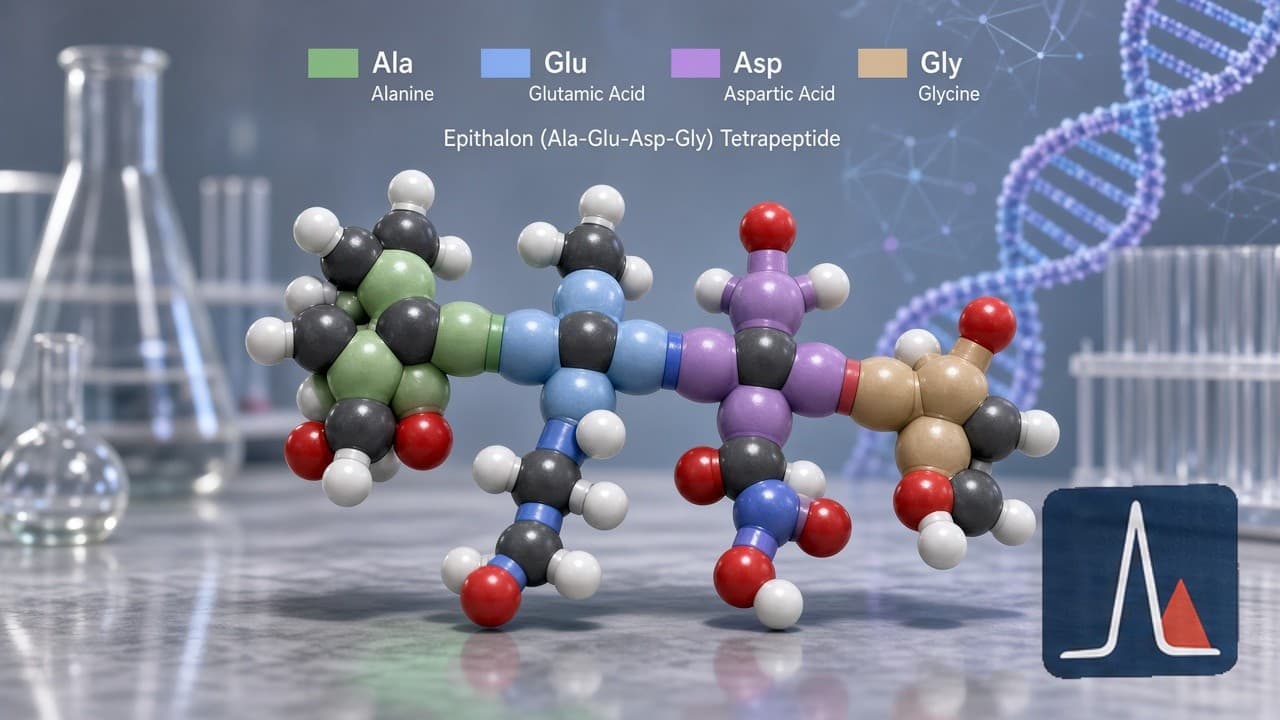
Indexed papers describe epithalon as a short synthetic pineal tetrapeptide studied mainly in cell and animal models, and those records do not establish research-vial use.
Published Reports on Epithalon
Indexed papers describe epithalon (also known as epitalon or AEDG; Ala-Glu-Asp-Gly) as a short synthetic pineal tetrapeptide studied mainly in cell and animal models for proposed effects on telomerase activity, telomere length, melatonin regulation, antioxidant status, and geroprotection. A 2025 comprehensive review and a 2026 narrative review both characterize the compound as biologically active in preclinical systems yet clinically unproven, with human data limited to small physiological or observational reports, inadequate pharmacokinetic and long-term safety information, and no adequately powered randomized controlled trials. Those records do not establish research-vial use. Epithalon is for laboratory research only. Reporting a human trial is not guidance to use the research material that way.
Chemical Identity and Catalog Context
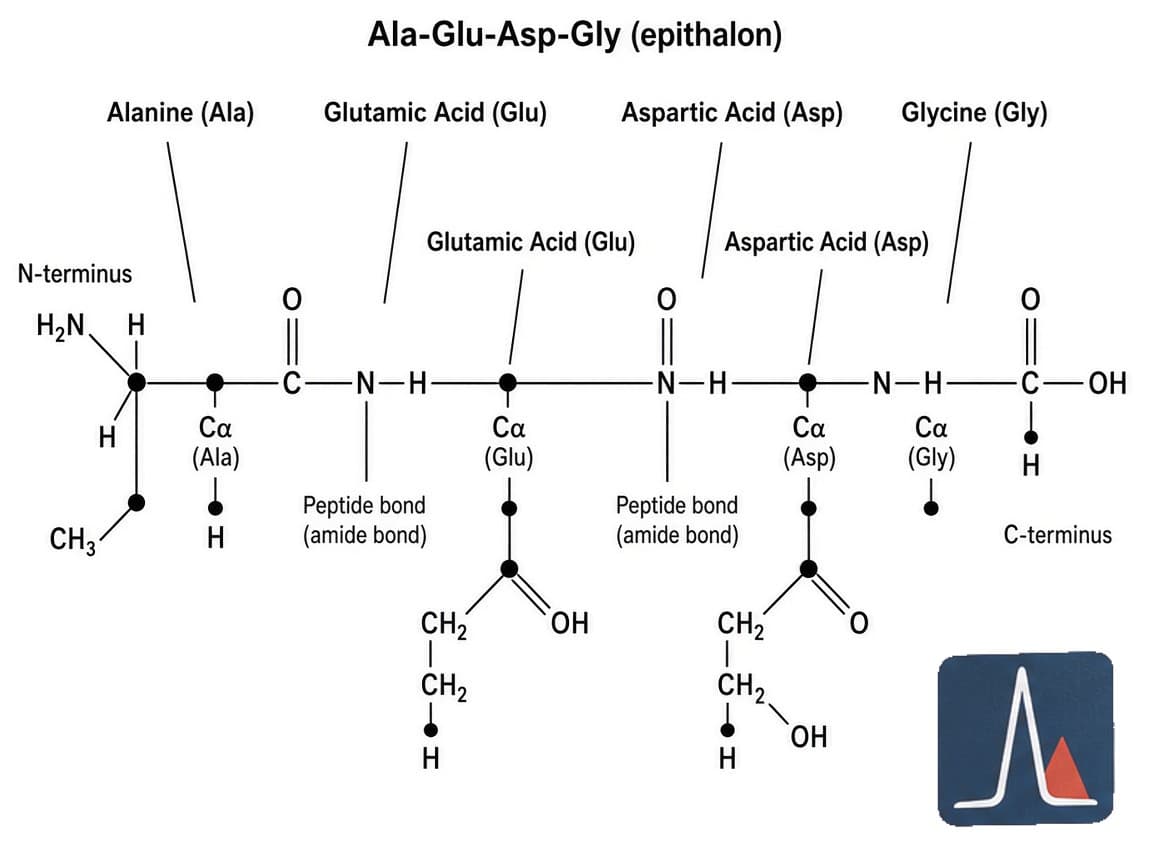
Epithalon is the synthetic tetrapeptide with sequence Ala-Glu-Asp-Gly. It was designed from the amino-acid composition of epithalamin, a complex low-molecular-weight polypeptide extract prepared from bovine pineal glands. The two are not interchangeable: epithalamin is an undefined mixture of many peptides, while epithalon is a single, chemically defined molecule. Many secondary sources and popular claims conflate data generated with the extract (including some long-term mortality observations in elderly cohorts) with the synthetic tetrapeptide. Rierink Compounds offers epithalon strictly for controlled laboratory experiments. It is not a medicine and has no regulatory approval for therapeutic use in any species.
In Vitro Telomerase and Telomere Studies (2003 and 2025)
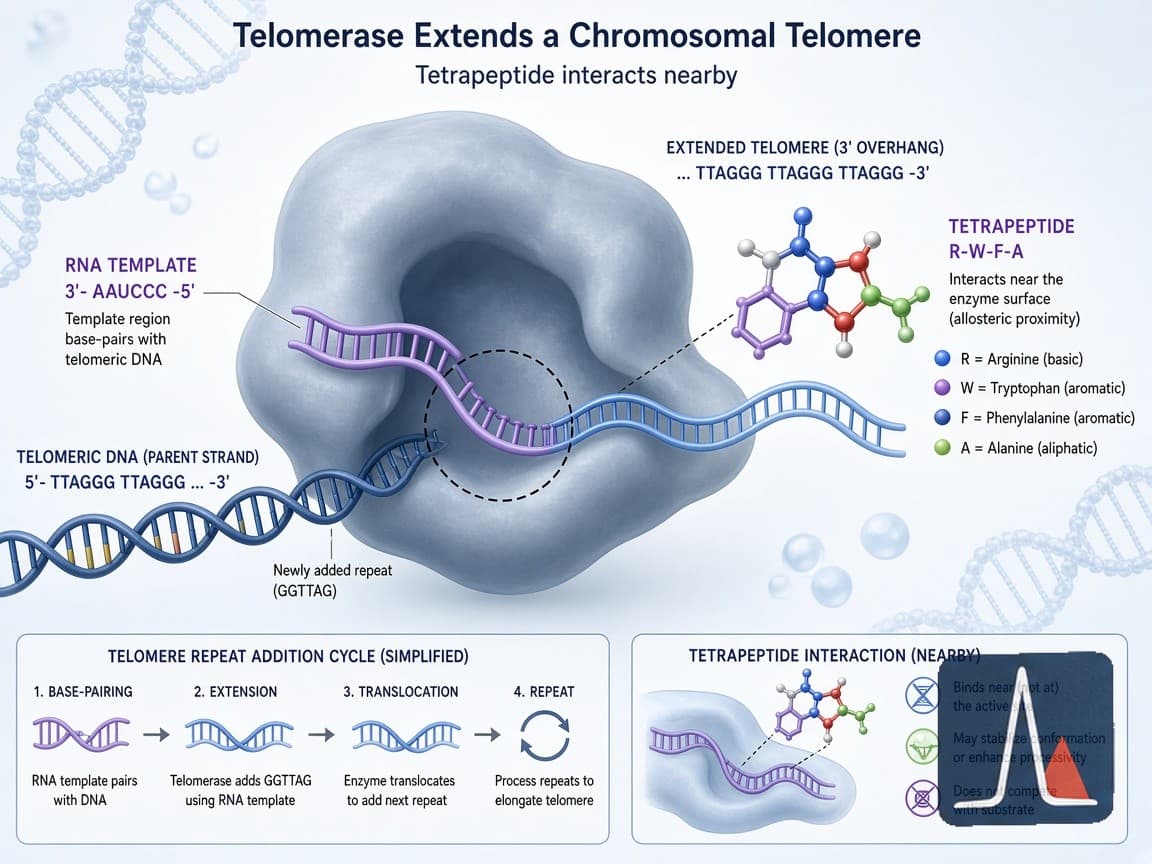
A foundational 2003 report added epithalon to cultures of telomerase-negative human fetal lung fibroblasts. The authors observed induction of hTERT (the catalytic subunit), measurable telomerase enzymatic activity, and elongation of telomeres. A 2004 follow-up using fetal pulmonary fibroblasts that had reached replicative senescence at passage 34 reported that continued exposure allowed the cells to complete approximately ten additional population doublings (reaching passage 44) while maintaining telomere length comparable to early-passage cells. These experiments are cited as evidence that the peptide can overcome the Hayflick limit in culture.
A 2025 independent study using normal human epithelial and fibroblast lines reported dose-dependent telomere lengthening associated with increased hTERT mRNA and telomerase activity. In two breast-cancer cell lines the same peptide produced telomere extension primarily through activation of the alternative lengthening of telomeres (ALT) pathway rather than telomerase upregulation. The differential response between normal and transformed cells was interpreted by the authors as context-dependent. Both the 2003 and 2025 cell-culture reports measured biomarker changes in isolated systems; neither constitutes evidence of organism-level effects or safety in vivo. Most early telomerase work originated from a single research group, although the 2025 replication provides partial independent confirmation in normal cells.
Neurogenesis, Antioxidant, and Retinal Cell Models (2020–2025)
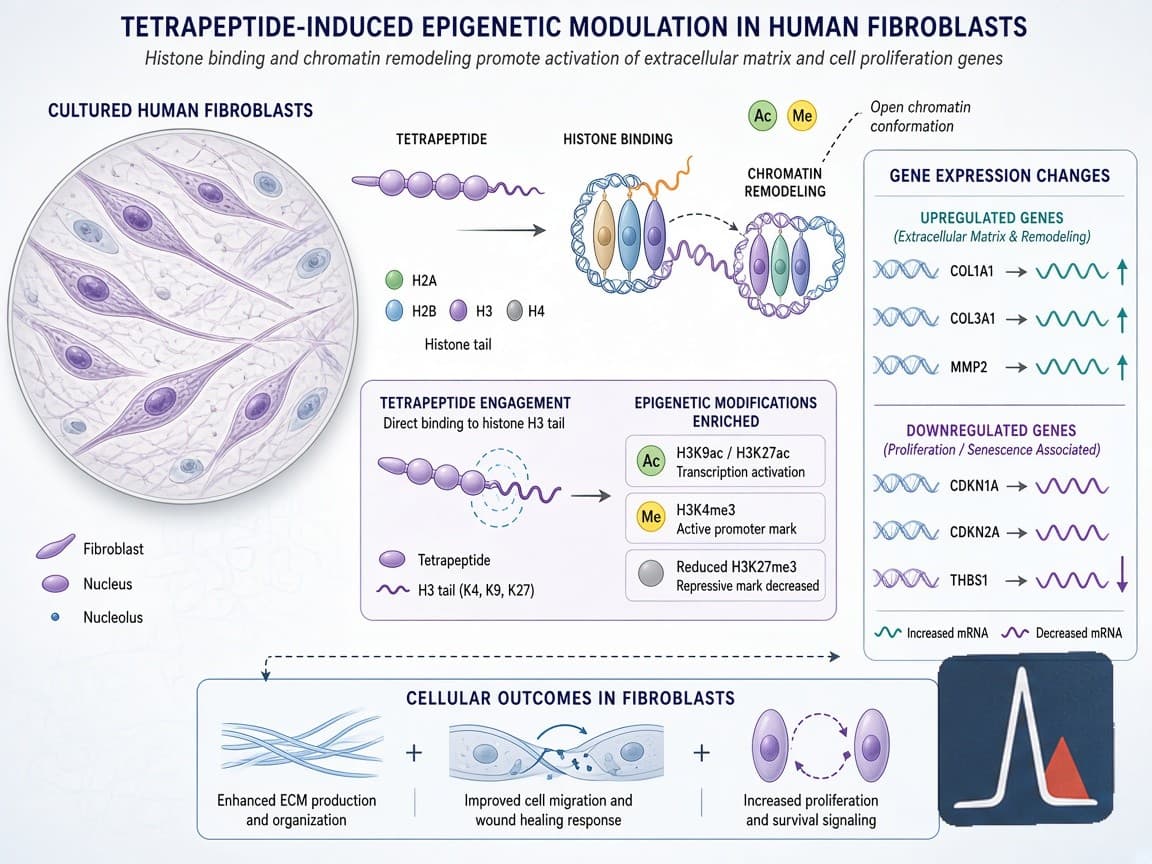
A 2020 in-vitro study exposed human gingival mesenchymal stem cells to epithalon and measured increased protein and mRNA levels of neurogenic differentiation markers (Nestin, GAP43, βIII-tubulin, Doublecortin). Molecular modeling suggested preferential binding of the tetrapeptide to specific sites on linker histones H1.3 and H1.6 that interact with DNA, raising the possibility of an epigenetic mechanism. The authors concluded that epithalon can modulate gene expression during neurogenesis in this stem-cell model.
A separate 2025 cell-culture paper used a high-glucose-injured human retinal pigment epithelial (ARPE-19) line as an in-vitro model of diabetic retinopathy. Hyperglycemia delayed wound closure, elevated reactive oxygen species, downregulated antioxidant genes, and promoted epithelial-to-mesenchymal transition (EMT) with upregulation of fibrosis-related transcripts. Addition of epithalon improved scratch-wound healing, reduced intracellular ROS, attenuated EMT, and lowered fibrosis markers. The authors attributed the benefit to antioxidant activity but called for further mechanistic work and noted that results are confined to one immortalized line.
All of these are controlled laboratory assays performed on isolated cells. They demonstrate measurable changes in selected endpoints under defined conditions but do not predict outcomes in whole organisms or address systemic pharmacokinetics, immunogenicity, or off-target effects.
Rodent Lifespan, Tumor, and Neuroendocrine Models
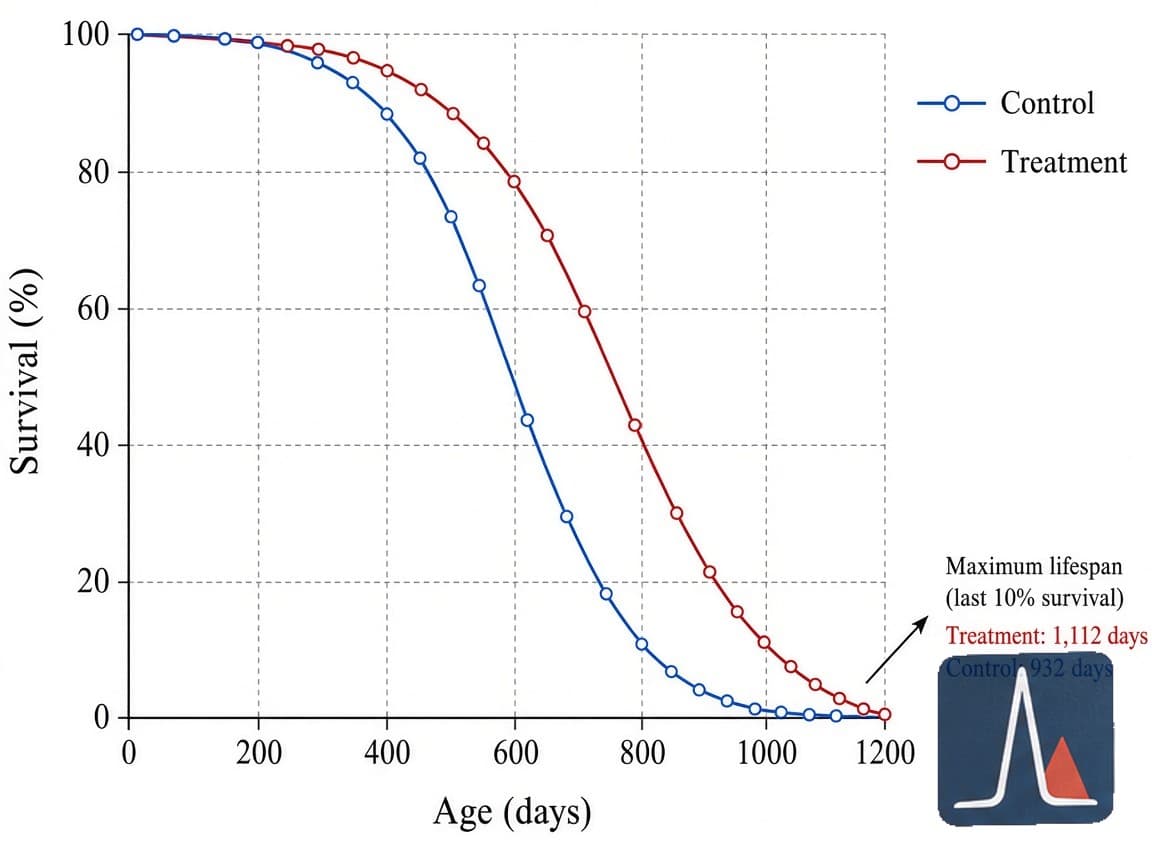
Multiple rodent studies from the early 2000s examined epithalon in aging and oncology contexts. In female SHR mice given intermittent subcutaneous courses, mean lifespan was unchanged while the lifespan of the longest-lived 10 % of animals increased by approximately 13 % and maximum lifespan by about 12 %. Leukemia incidence was lower in treated animals; overall tumor incidence was similar to controls. Other rodent experiments under standard, natural, or constant-light conditions reported variable effects on spontaneous tumor development and antioxidant enzyme activities. Drosophila melanogaster studies showed lifespan extension and reduced oxidative damage markers in some cohorts.
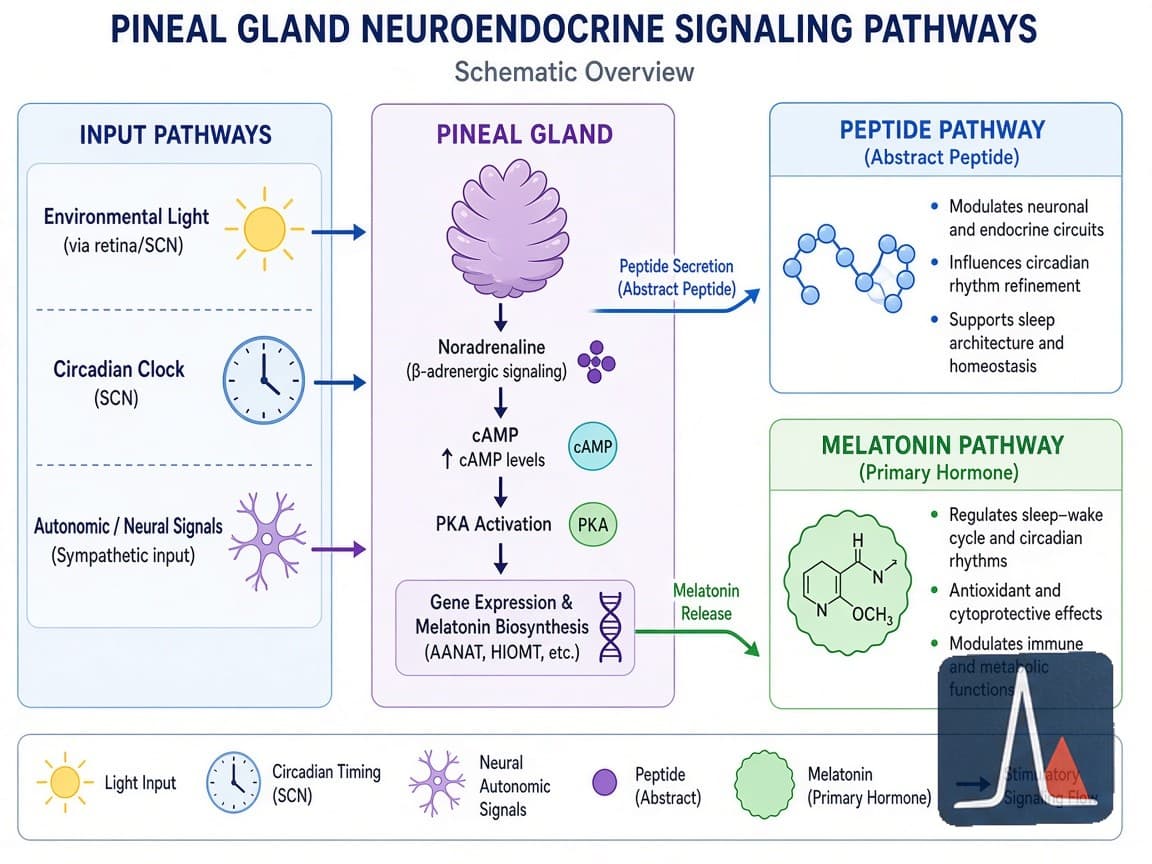
Primate work in senescent rhesus monkeys (Macaca mulatta) reported that epithalon administration restored a more youthful pattern of evening melatonin secretion and normalized the circadian rhythm of cortisol. These neuroendocrine shifts were measured by immunoassay in small numbers of aged animals. Retinal studies in Campbell rats with hereditary retinitis pigmentosa described preservation of retinal morphology and electroretinographic function after peptide treatment.
Limitations recur across the animal dataset: most experiments originated from one laboratory, used specific strains or lighting regimens, employed fixed intermittent dosing regimens, and lacked long-term carcinogenicity bioassays according to current regulatory standards. Mixed results on mean versus maximum lifespan, sex-specific cohorts in several reports, and the biological differences between short synthetic tetrapeptide and the parent pineal extract further qualify translation. These are preclinical model reports only.
Limited Human Physiological Reports (Including 2002 Retinitis Pigmentosa Observation)
PubMed-indexed human data for the synthetic tetrapeptide are sparse. A 2002 report tagged as a clinical trial described parabulbar administration in patients with retinitis pigmentosa and claimed a positive clinical effect in approximately 90 % of cases. The abstract provides no sample size, randomization details, blinding status, control-group outcomes, or statistical analysis, limiting interpretability. Small physiological studies examined melatonin metabolites in night-shift workers or elderly volunteers after sublingual administration and reported changes in urinary 6-sulfatoxymelatonin. No large, registered, adequately powered randomized controlled trials evaluating clinical endpoints, pharmacokinetics, or long-term safety of synthetic epithalon were identified in 2026 literature searches or ClinicalTrials.gov queries.
Many widely cited longevity or mortality observations (e.g., multi-year follow-up of elderly cohorts showing reduced mortality) were performed with the bovine pineal extract epithalamin or combinations including thymic peptides, not the defined tetrapeptide. The 2026 FDA Pharmacy Compounding Advisory Committee briefing explicitly noted the absence of clinical safety or pharmacokinetic data for synthetic epithalon and flagged theoretical concerns including immunogenicity upon injection and potential oncologic risk linked to telomerase activation.
Each of these human records carries substantial methodological limitations: small sample sizes, lack of rigorous controls, incomplete reporting, or use of the extract rather than the synthetic molecule. They cannot be taken as evidence of efficacy or safety for laboratory-vial material.
2025–2026 Reviews Summarizing Preclinical Activity and Clinical Gaps
A 2025 narrative review (Araj et al., Int J Mol Sci) synthesized approximately 25 years of in-vitro, in-vivo, and in-silico experiments. It highlighted reported antioxidant, neuroprotective, antimutagenic, melatonin-modulating, and telomerase-related activities arising from both specific and nonspecific mechanisms. The authors noted that while biological effects are documented across cell types (fibroblasts, thymocytes, retinal pigment epithelium, oocytes) and animal models, the number of rigorous physicochemical and structural studies on the peptide itself remains limited. They called for additional mechanistic clarification.
A 2026 narrative review (Jain et al., Int J Mol Sci) distinguished the synthetic tetrapeptide from historical epithalamin extract studies. It summarized mechanistic work on telomere-maintenance pathways, circadian and neuroendocrine regulation, oxidative stress, and cellular aging markers. Preclinical models showed biological activity, yet the authors emphasized the absence of direct evidence in certain disease models (e.g., musculoskeletal), the paucity of adequately powered randomized human trials, inadequate pharmacokinetic and long-term safety datasets, and unresolved regulatory questions following the 2026 FDA advisory process. The review concluded that epithalon is “biologically active but clinically unproven.”
Both reviews are secondary syntheses. They compile existing laboratory reports, explicitly note methodological constraints and data gaps, and do not constitute new primary experiments or clinical validation.
Summary of Evidence and Research Context
Collectively, indexed literature portrays epithalon as a synthetic tetrapeptide capable of producing measurable changes in cell-culture assays (telomerase activity, telomere length, gene expression, oxidative-stress markers, wound closure) and in selected animal models (neuroendocrine rhythms, selected lifespan parameters, tumor modulation, retinal preservation). Recent independent cell work has partially replicated telomere effects while highlighting cell-type specificity (telomerase in normal cells versus ALT in transformed lines). Human records are confined to small, methodologically limited physiological or observational reports, many of which are confounded by use of the parent extract rather than the defined tetrapeptide.
Major recurring limitations include heavy reliance on one research lineage for foundational data, absence of large independent replication for many claims, lack of standard regulatory toxicology packages, no registered adequately powered clinical trials, and explicit statements in 2026 analyses that pharmacokinetic, dose-ranging, immunogenicity, and long-term oncologic safety data remain inadequate. Theoretical concerns related to telomerase upregulation (potential influence on cellular immortalization or cancer risk) are discussed in regulatory reviews but have not been resolved in controlled long-term studies.
These records therefore describe laboratory observations in cell and animal systems. They do not establish any application, dosing regimen, or safety profile for research vials. Further standardized pharmacologic, safety, and disease-specific studies would be required before any translational consideration. All materials from Rierink Compounds are supplied exclusively for qualified laboratory researchers conducting controlled in-vitro or in-vivo experiments. They are not medicines.
Sources
- Khavinson VKh, Bondarev IE, Butyugov AA. Epithalon peptide induces telomerase activity and telomere elongation in human somatic cells. Bull Exp Biol Med. 2003;135(6):590-2. doi:10.1023/a:1025493705728. PMID: 12937682.
- Khavinson V, Diomede F, Mironova E, et al. AEDG Peptide (Epitalon) Stimulates Gene Expression and Protein Synthesis during Neurogenesis: Possible Epigenetic Mechanism. Molecules. 2020;25(3):609. doi:10.3390/molecules25030609. PMID: 32019204. (Free PMC article.)
- Araj SK, Brzezik J, Mądra-Gackowska K, Szeleszczuk Ł. Overview of Epitalon—Highly Bioactive Pineal Tetrapeptide with Promising Properties. Int J Mol Sci. 2025;26(6):2691. doi:10.3390/ijms26062691. PMID: 40141333. (Free PMC article.)
- Jain A, Gallacher DM, Issa MA, et al. Epitalon and Epithalamin: A Narrative Review of Mechanistic, Preclinical, and Clinical Evidence. Int J Mol Sci. 2026;27(19):8922. doi:10.3390/ijms27198922. PMID: 42884164. PMCID: PMC13664938.
- Al-Dulaimi S, Thomas R, Matta S, Roberts T. Epitalon increases telomere length in human cell lines through telomerase upregulation or ALT activity. Biogerontology. 2025. doi:10.1007/s10522-025-10315-x. PMID: 40908429.
- Additional supporting rodent and primate reports appear in Neuro Endocrinol Lett (2001–2002) and Bull Exp Biol Med (2003–2007). FDA Pharmacy Compounding Advisory Committee briefing materials (2026) are referenced in the 2026 narrative review for regulatory context.
All citations were obtained from PubMed and Europe PMC. Secondary interpretations from commercial or forum sources were disregarded in favor of primary literature and peer-reviewed syntheses.
More briefings
- Survodutide Dual Agonist: Preclinical and Clinical EvidenceThe open-catalog entry for survodutide describes a synthetic acylated 29-amino-acid peptide dual agonist of glucagon and GLP-1 receptors supplied as high-purity lyophilized powder for laboratory metabolic research. Randomised trials report
- Dulaglutide: GLP-1 Receptor Agonist in Metabolic CareDulaglutide is a recombinant Fc-fusion GLP-1 receptor agonist engineered for once-weekly administration in laboratory and clinical metabolic research. Randomised trials report glycaemic improvements, cardiovascular risk reduction and modest
- Cagrilintide-Semaglutide Mixture: Open-Catalog Context and Metabolic Trial EvidenceThe open-catalog cagrilintide-semaglutide mixture supplies a research pairing of an amylin receptor agonist and GLP-1 receptor agonist for laboratory metabolic studies. Randomised trials of co-administration report enhanced weight loss (13–
All information and products discussed are for laboratory and research use only. Not for human or veterinary use. Not intended to diagnose, treat, cure, or prevent any disease.