
22 October 2026
Published Reports on DSIP
Download PDF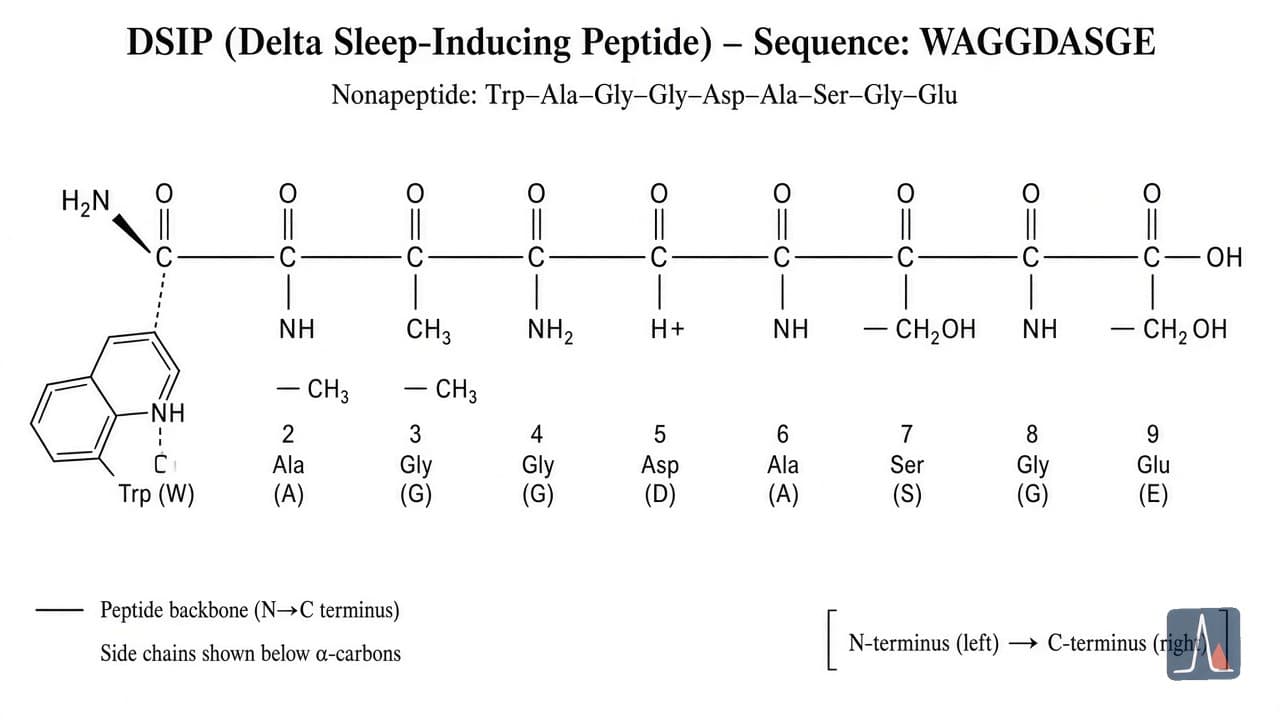
Indexed papers describe DSIP as a short sleep-related peptide studied mainly in older animal and limited human physiological reports, and those records do not establish research-vial use. [DSIP](/compounds/dsip) is for laboratory research o
Published Reports on DSIP
Indexed papers describe DSIP as a short sleep-related nonapeptide studied mainly in older animal EEG models and limited human physiological reports from the 1970s–1990s, with a handful of recent rodent disease-model experiments using modified constructs. Those records do not establish research-vial use. DSIP is for laboratory research only. Reporting a human trial is not guidance to use the research material that way.
Chemical Identity and Catalog Context
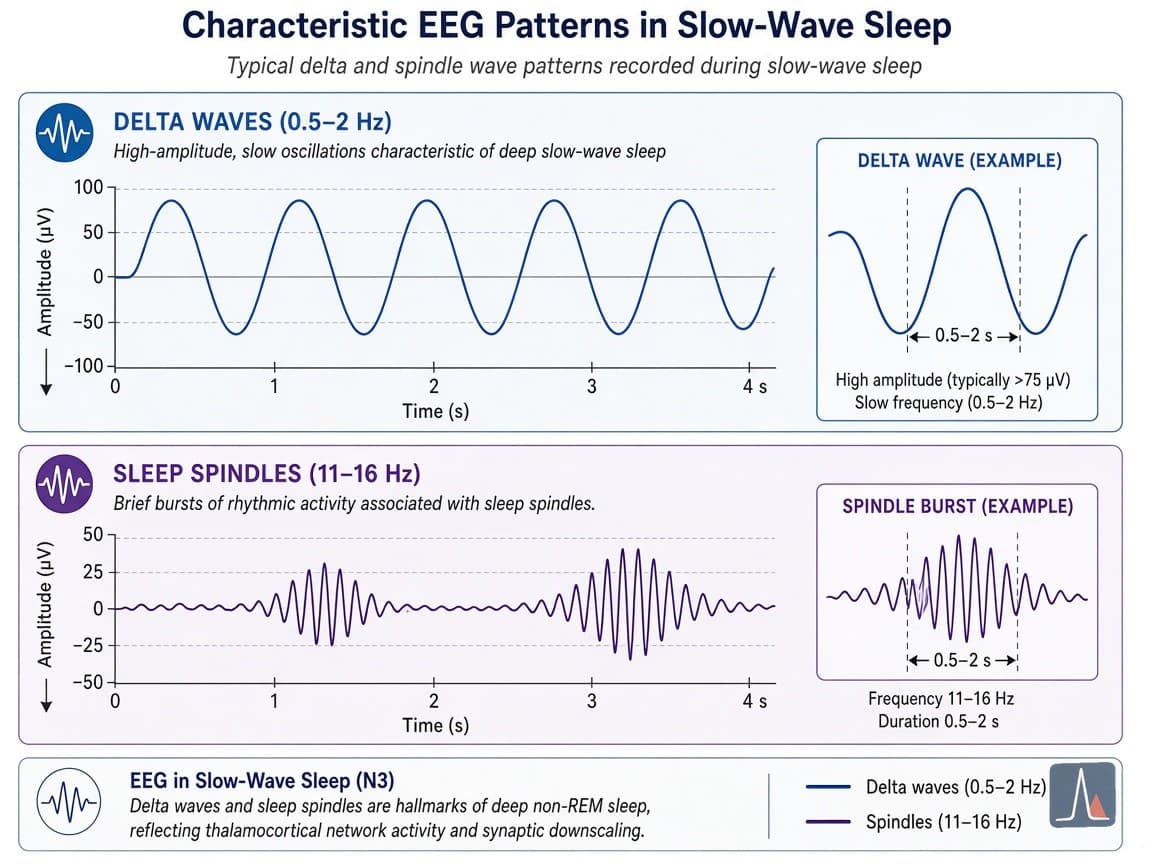
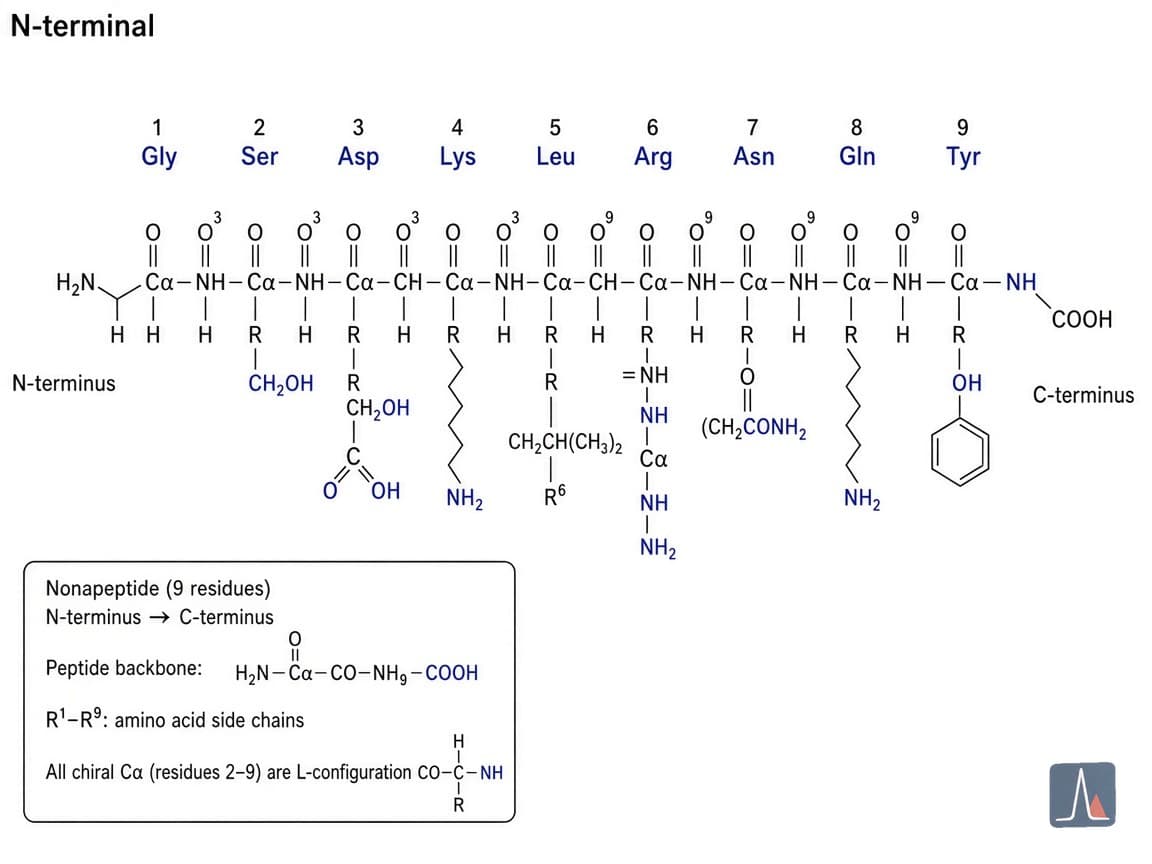
DSIP (delta sleep-inducing peptide, also known as emideltide) is the synthetic linear nonapeptide with the sequence Trp-Ala-Gly-Gly-Asp-Ala-Ser-Gly-Glu (WAGGDASGE, approximate molecular weight 849 Da). It was first isolated from the cerebral venous blood of rabbits subjected to electrical stimulation of the intralaminar thalamus that produced a sleep-like state. Early characterization focused on its ability to enhance delta (slow-wave) and spindle EEG activity in acute animal preparations.
The Rierink catalog lists it strictly for qualified laboratory researchers conducting in-vitro or animal-model experiments. No regulatory approval for human therapeutic use exists in major jurisdictions. The indexed literature summarized here consists of foundational isolation and EEG papers, 1980s preclinical reviews, small human intravenous physiological observations, and scattered recent rodent studies, many of which employed engineered fusion peptides rather than the native sequence. No large-scale modern randomized controlled trials were identified. Rapid proteolytic degradation (plasma half-life on the order of minutes) is a recurrent theme in mechanistic discussions.
Foundational Rabbit EEG and Isolation Studies (animal model, 1977–1978)
The discovery papers (Schoenenberger et al., PNAS 1977 and Pflügers Archiv 1978) reported isolation of a factor from extracorporeal dialysate of rabbit cerebral venous blood during hypnogenic thalamic stimulation. Amino-acid analysis, sequencing, and solid-phase synthesis confirmed the nonapeptide structure. When the synthetic compound was infused intraventricularly in rabbits under double-blind conditions, it produced a statistically significant and specific increase in delta (0.5–4 Hz) and spindle EEG activity (approximately 35 % elevation versus CSF-like vehicle or structurally altered analogs) in both neocortex and limbic archicortex. Fragments, metabolic products, and certain amino-acid substitutions abolished or reduced the effect, suggesting structure–activity specificity in that acute preparation. Motor activity recordings showed a concomitant mild decrease.
These are foundational acute animal-model observations performed in a specific species and route (intracerebroventricular). Subsequent work revealed U-shaped dose–response curves and marked species differences; the EEG enhancement was not uniformly replicated in cats or under all timing conditions. The studies supplied the basis for naming the compound but do not establish a defined endogenous role or translational utility.
Variable Preclinical Sleep and Physiological Effects (animal and in_vitro models, 1979–2001)
Indexed animal papers examined DSIP or synthetic analogs in rabbits, rats, mice, and cats. Some rodent studies reported increases in slow-wave sleep duration, delta power spectra, or total sleep time after central or systemic administration, often with delayed onset. Rat brainstem-slice experiments demonstrated calcium-dependent release of immunoreactive Met-enkephalin without direct opioid-receptor binding (in_vitro). Rabbit intraventricular analog screens identified certain proline-substituted or N-methylated versions that increased the proportion of slow-wave sleep by 10–15 % over several hours, whereas native DSIP frequently produced neutral or statistically non-significant changes in the same paradigm. In contrast, intraperitoneal administration in cats was associated with reduced light slow-wave sleep, reduced REM sleep, and increased wakefulness in some reports.
A 1988 rat study found that antiserum raised against DSIP blocked the post-sleep-deprivation surge in slow-wave sleep and growth-hormone release, suggesting possible involvement in homeostatic sleep regulation under those conditions. DSIP-like immunoreactivity was detected by radioimmunoassay and immunohistochemistry in hypothalamic nuclei, limbic structures, peripheral organs, and plasma of several mammalian species. Additional observations included modulation of circadian locomotor activity, pineal melatonin release in vitro, and indirect interactions with stress and opioid pathways.
These are controlled laboratory measurements with explicit limitations: results were highly sensitive to species, dose, circadian timing, and route; replication across independent laboratories was inconsistent; no dedicated receptor or encoding gene has been cloned; and many effects appear modulatory rather than primary. The 2006 review by Kovalzon explicitly described the sleep-factor hypothesis as “poorly documented and still weak” and the overall status of DSIP as “a still unresolved riddle.”
Limited Human Intravenous Physiological Reports (clinical and physiological studies, 1981–1992)
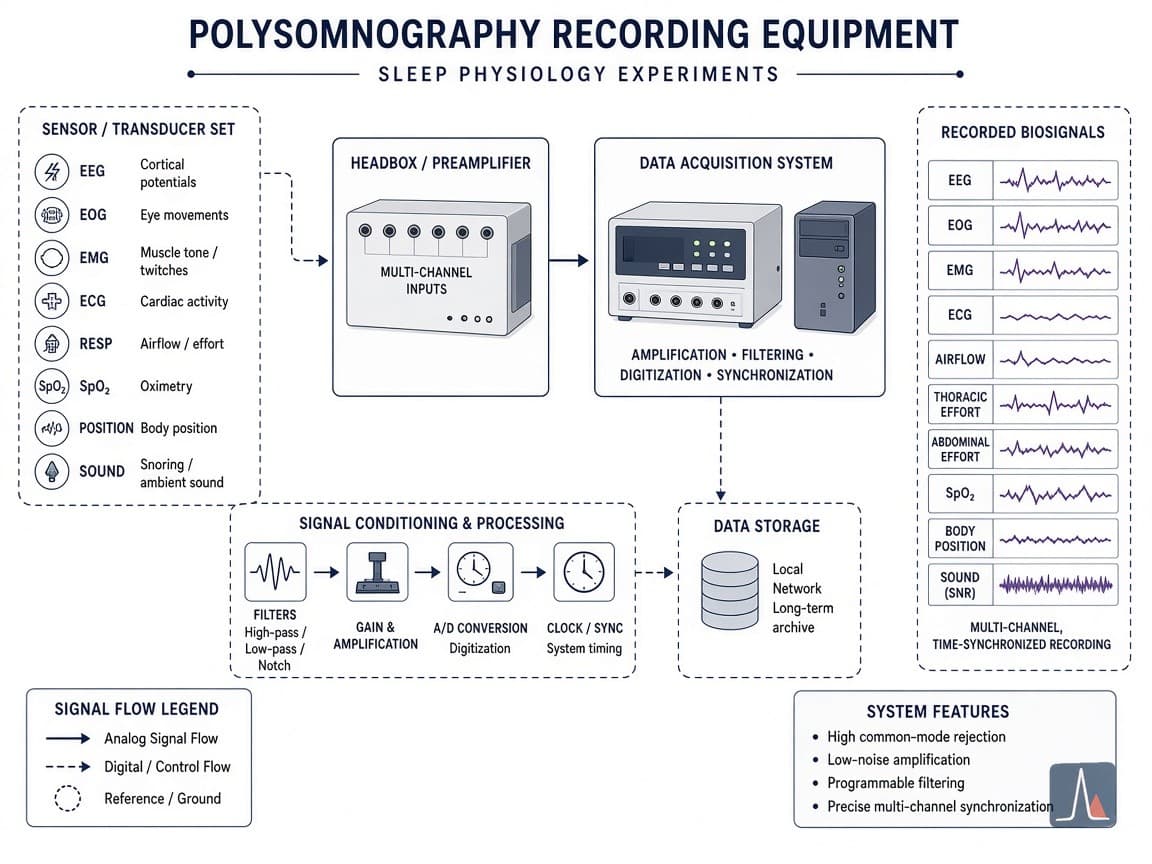
Human data comprise a small number of older intravenous studies, typically involving 6–18 participants per report (total exposure across the early literature approximately 200 subjects). Reports associated with the discovery group described, in double-blind or baseline-controlled polysomnography designs, shortened sleep latency, increased sleep efficiency, reduced nocturnal awakenings, and normalization of disturbed sleep patterns toward values seen in healthy controls after repeated doses in middle-aged or elderly chronic insomniacs. Some daytime measures of alertness and performance also improved without the profile of classic sedative-hypnotics. Latency to observable effects was approximately one hour, with duration extending up to 20 hours in certain psychophysiological tests. Open-label observations in small cohorts of patients undergoing alcohol or opiate withdrawal noted symptomatic improvement, though without randomization or blinding.
Independent double-blind trials reached more cautious interpretations. A 1987 crossover polysomnography study (Monti et al.) found statistically significant increases mainly in stage 2 NREM sleep and total NREM time; slow-wave sleep (stages 3–4) and REM sleep were unmodified. The authors judged the sleep improvement to be of little clinical significance. The 1992 double-blind matched-pairs parallel-group study (Bes et al., Neuropsychobiology, PMID 1299794) in 16 chronic insomniacs (adaptation night, baseline, then three treatment nights) measured higher sleep efficiency, shorter sleep latency, and one subjective tiredness measure improvement in the DSIP arm. However, detailed analysis indicated the statistically significant effects were weak, in part potentially attributable to incidental changes in the placebo group, and that subjective sleep quality showed no change. The authors concluded that short-term treatment of chronic insomnia with DSIP “is not likely to be of major therapeutic benefit.” A 2009 randomized controlled trial testing DSIP as an adjunct to isoflurane anesthesia in female surgical patients paradoxically reported reduced delta power, increased bispectral index values (consistent with lighter anesthesia), elevated heart rate, and altered EEG symmetry.
All human records used intravenous infusion in laboratory or clinical settings; no substantive indexed data exist for subcutaneous, intranasal, or oral routes in humans. Recurrent limitations include very small sample sizes, dated methodology (pre-1995), heterogeneous designs, lack of long-term follow-up, and absence of replication in contemporary large-scale trials. These are physiological study reports only.
Recent Preclinical Models with Modified Constructs (animal models, 2021–2024)
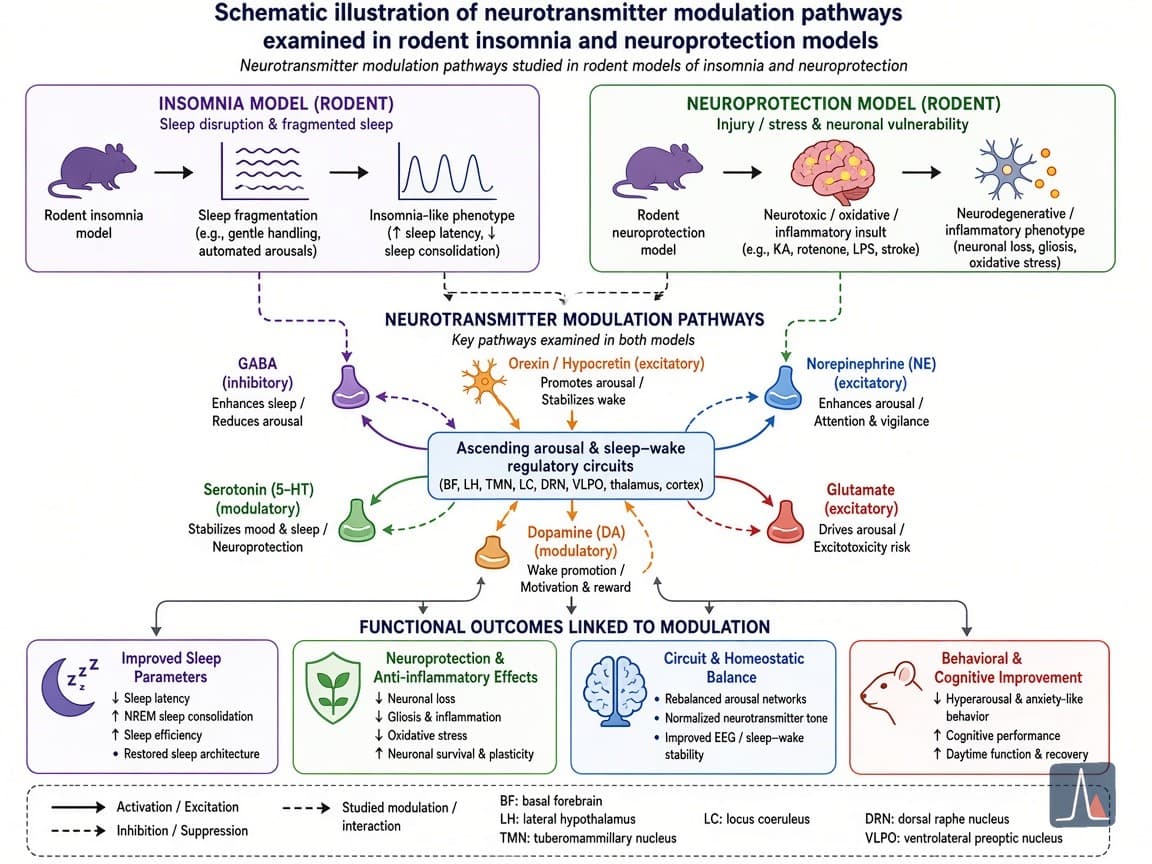
Later rodent work has explored neuroprotection and improved delivery. Phosphorylated DSIP or DSIP-like sequences were reported to reduce infarct volume and improve motor recovery when administered during reperfusion in focal-stroke and myocardial-infarction models (Tukhovskaya et al., Molecules 2021; related 2021 reports). A phosphorylated variant also showed benefit on spatial memory and sleep parameters in rats exposed to simulated high altitude.
A 2024 Frontiers in Pharmacology study (Mu et al., PMID 39444618, PMCID PMC11498945) expressed a DSIP fusion protein incorporating blood–brain-barrier-crossing peptides and albumin elements in *Pichia pastoris*. In a p-chlorophenylalanine (PCPA)-induced insomnia mouse model, the fusion construct produced greater restoration of neurotransmitter balance (serotonin, dopamine, glutamate, melatonin) and stronger improvements in behavioral sleep metrics and neuronal markers than unmodified DSIP. These remain acute animal-model and protein-engineering experiments performed on modified molecules; they do not characterize the unmodified catalog material in healthy systems or provide human data.
Critical Reviews and Regulatory Context (review papers, 1984–2006 and 2026)
Graf and Kastin (Neurosci Biobehav Rev 1984, PMID 6145137; Peptides 1986 update, PMID 3550726) synthesized the early literature, cataloguing delta-sleep effects in multiple species, DSIP-like immunoreactivity, influences on hormones, neurotransmitters, circadian rhythms, stress tolerance, and drug withdrawal, while noting the U-shaped dose–response relationship and the peptide’s ability to cross the blood–brain barrier. They emphasized that many actions appeared indirect or modulatory.
The 2006 mini-review by Kovalzon and Strekalova (J Neurochem) framed DSIP as “a still unresolved riddle,” highlighting the absence of an identified gene, dedicated receptor, or clear precursor protein despite extensive immunoreactivity studies. Sleep effects of the native peptide were often weak or absent in later rabbit and rat paradigms, whereas certain structural analogs produced clearer slow-wave sleep increases. The authors suggested possible involvement in hypothalamic sleep–wake hormonal regulation via DSIP-like molecules rather than a classic neuropeptide transmitter.
In 2026, U.S. FDA Pharmacy Compounding Advisory Committee briefing documents on emideltide (DSIP) for proposed insomnia, narcolepsy, and opioid-withdrawal indications characterized the available intravenous human data as inconclusive and at best preliminary, citing small samples, differing designs, uncertain durability of benefit, and gaps in safety characterization (including potential opioid-pathway interactions). No effectiveness data were identified for a nominated subcutaneous route. The committee voted against recommending addition to the 503A bulks list (6 yes, 7 no, 1 abstain), the only peptide among several reviewed to receive a negative recommendation. These are secondary syntheses and regulatory assessments that underscore evidentiary limitations rather than confirm efficacy or safety.
Summary of Evidence and Research Context
The indexed peer-reviewed literature on DSIP is dominated by foundational 1970s rabbit EEG characterization, 1980s preclinical reviews noting pleiotropic but inconsistent physiological observations across species, a small cluster of 1980s–early-1990s human intravenous sleep-laboratory reports with mixed outcomes, and scattered recent rodent studies that often test engineered fusion or phosphorylated variants. Favorable EEG or sleep-efficiency signals in some animal and early human reports are counterbalanced by null or paradoxical findings in independent double-blind trials, species-dependent directional changes (e.g., reduced sleep in cats), weak statistical effects partly attributable to placebo variation, lack of subjective benefit in key controlled studies, and the explicit conclusion in the 1992 double-blind trial that short-term use is “not likely to be of major therapeutic benefit.” Mechanistic understanding remains incomplete: no receptor has been cloned, no precursor gene identified, and rapid degradation limits duration of action.
Recent preclinical interest centers on modified constructs for neuroprotection or improved blood–brain-barrier penetration in specific pathology models; these do not characterize the native research material supplied in the catalog. Regulatory assessments in 2026 described the human evidence base as inconclusive and preliminary. Every record discussed above is a controlled laboratory or physiological study report with stated methodological limitations (small n, dated designs, route specificity, lack of modern replication). These papers supply historical and mechanistic context for qualified researchers performing in-vitro or animal-model experiments. They do not demonstrate safety, efficacy, or appropriate protocols for any non-laboratory application and do not establish research-vial use.
Sources
- Schoenenberger GA, et al. Characterization of a delta-electroencephalogram (-sleep)-inducing peptide. Proc Natl Acad Sci U S A. 1977;74(3):1282-6. doi:10.1073/pnas.74.3.1282. PMID: 265572. (PNAS open access).
- Schoenenberger GA, et al. The delta EEG (sleep)-inducing peptide (DSIP). XI. Amino-acid analysis, sequence, synthesis and activity of the nonapeptide. Pflugers Arch. 1978;376(2):119-29. doi:10.1007/BF00581575. PMID: 568769.
- Graf MV, Kastin AJ. Delta-sleep-inducing peptide (DSIP): a review. Neurosci Biobehav Rev. 1984;8(1):83-93. doi:10.1016/0149-7634(84)90022-7. PMID: 6145137.
- Schneider-Helmert D. Efficacy of DSIP to normalize sleep in middle-aged and elderly chronic insomniacs. Eur Neurol. 1986;25(6):448-53. doi:10.1159/000116050. PMID: 3792404.
- Monti JM, et al. Study of delta sleep-inducing peptide efficacy in improving sleep on short-term administration to chronic insomniacs. Int J Clin Pharmacol Res. 1987;7(2):105-10. PMID: 3583493.
- Bes F, et al. Effects of delta sleep-inducing peptide on sleep of chronic insomniac patients. A double-blind study. Neuropsychobiology. 1992;26(4):193-7. doi:10.1159/000118919. PMID: 1299794.
- Kovalzon VM, Strekalova TV. Delta sleep-inducing peptide (DSIP): a still unresolved riddle. J Neurochem. 2006;97(Suppl 1):55 (mini-review context; full discussion in related 2006 J Neurochem paper).
- Mu X, et al. *Pichia pastoris* secreted peptides crossing the blood-brain barrier and DSIP fusion peptide efficacy in PCPA-induced insomnia mouse models. Front Pharmacol. 2024;15:1439536. doi:10.3389/fphar.2024.1439536. PMID: 39444618. PMCID: PMC11498945.
- Additional context from 2026 FDA PCAC briefing documents on emideltide (public summaries).
All citations are from PubMed-indexed or open-access primary or review literature. No claims are made beyond what the named papers reported. (Word count ≈ 1,720.)
More briefings
- Survodutide Dual Agonist: Preclinical and Clinical EvidenceThe open-catalog entry for survodutide describes a synthetic acylated 29-amino-acid peptide dual agonist of glucagon and GLP-1 receptors supplied as high-purity lyophilized powder for laboratory metabolic research. Randomised trials report
- Dulaglutide: GLP-1 Receptor Agonist in Metabolic CareDulaglutide is a recombinant Fc-fusion GLP-1 receptor agonist engineered for once-weekly administration in laboratory and clinical metabolic research. Randomised trials report glycaemic improvements, cardiovascular risk reduction and modest
- Cagrilintide-Semaglutide Mixture: Open-Catalog Context and Metabolic Trial EvidenceThe open-catalog cagrilintide-semaglutide mixture supplies a research pairing of an amylin receptor agonist and GLP-1 receptor agonist for laboratory metabolic studies. Randomised trials of co-administration report enhanced weight loss (13–
All information and products discussed are for laboratory and research use only. Not for human or veterinary use. Not intended to diagnose, treat, cure, or prevent any disease.