
25 October 2026
Published Reports on Dihexa
Download PDF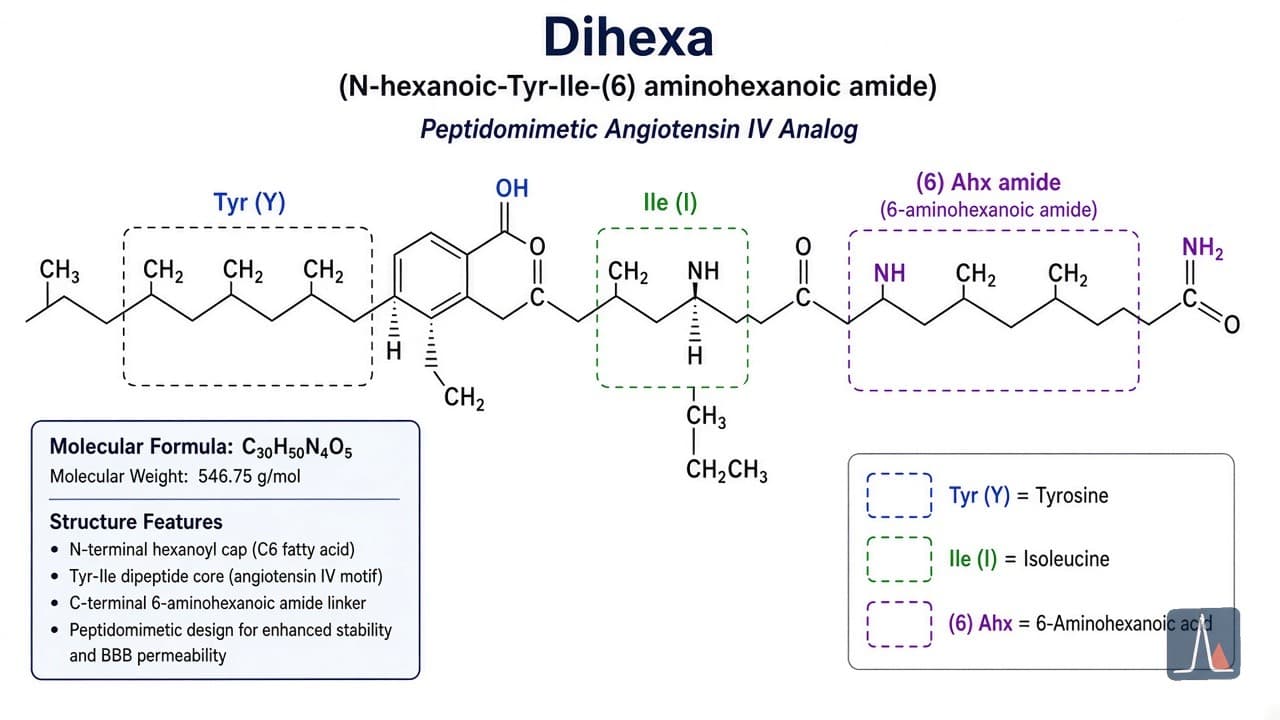
Indexed cell and animal papers describe dihexa as a synthetic angiotensin IV analog studied for hepatocyte-growth-factor and synaptogenesis readouts, distinct from the ACTH-fragment, tuftsin-related, and tripeptide nootropic literature alre
Published Reports on Dihexa
Indexed cell and animal papers describe dihexa as a synthetic angiotensin IV analog studied for hepatocyte-growth-factor and synaptogenesis readouts, distinct from the ACTH-fragment, tuftsin-related, and tripeptide nootropic literature already briefed. Those records do not establish research-vial use. Dihexa is for laboratory research only.
Chemical Identity and Catalog Context
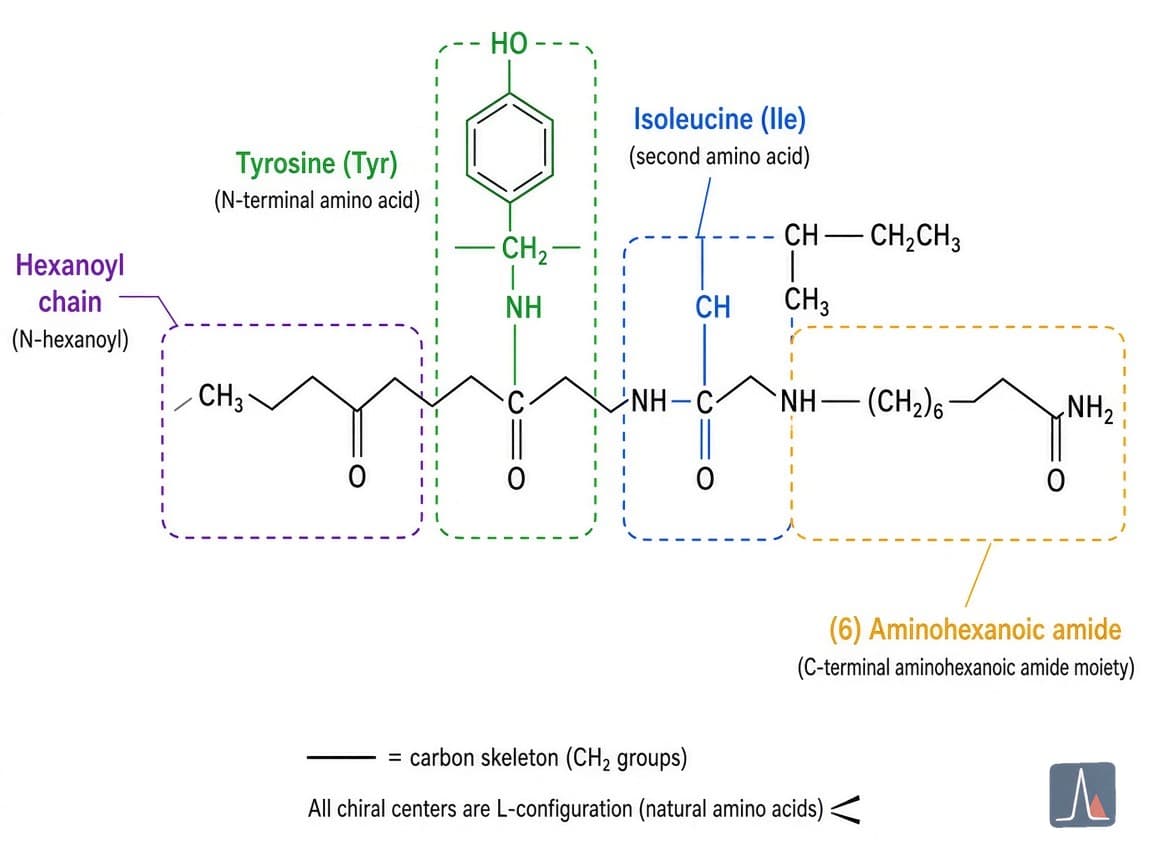
Dihexa (N-hexanoic-Tyr-Ile-(6) aminohexanoic amide; PNB-0408; CAS 1401708-83-5) is a metabolically stabilized peptidomimetic derived from the Tyr-Ile core of angiotensin IV (AngIV). N-terminal hexanoylation and C-terminal modification with 6-aminohexanoic acid were introduced to improve resistance to peptidases, oral bioavailability, and blood-brain-barrier penetration while retaining the pharmacophore associated with procognitive activity in early AngIV research. In the Rierink catalog it is positioned among experimental compounds explored for neurotrophic and synaptic plasticity readouts, distinct from ACTH(4-10) analogs such as Semax, tuftsin-related heptapeptides, pineal-derived peptides such as Pinealon or Epithalon, and short anti-inflammatory tripeptides such as KPV.
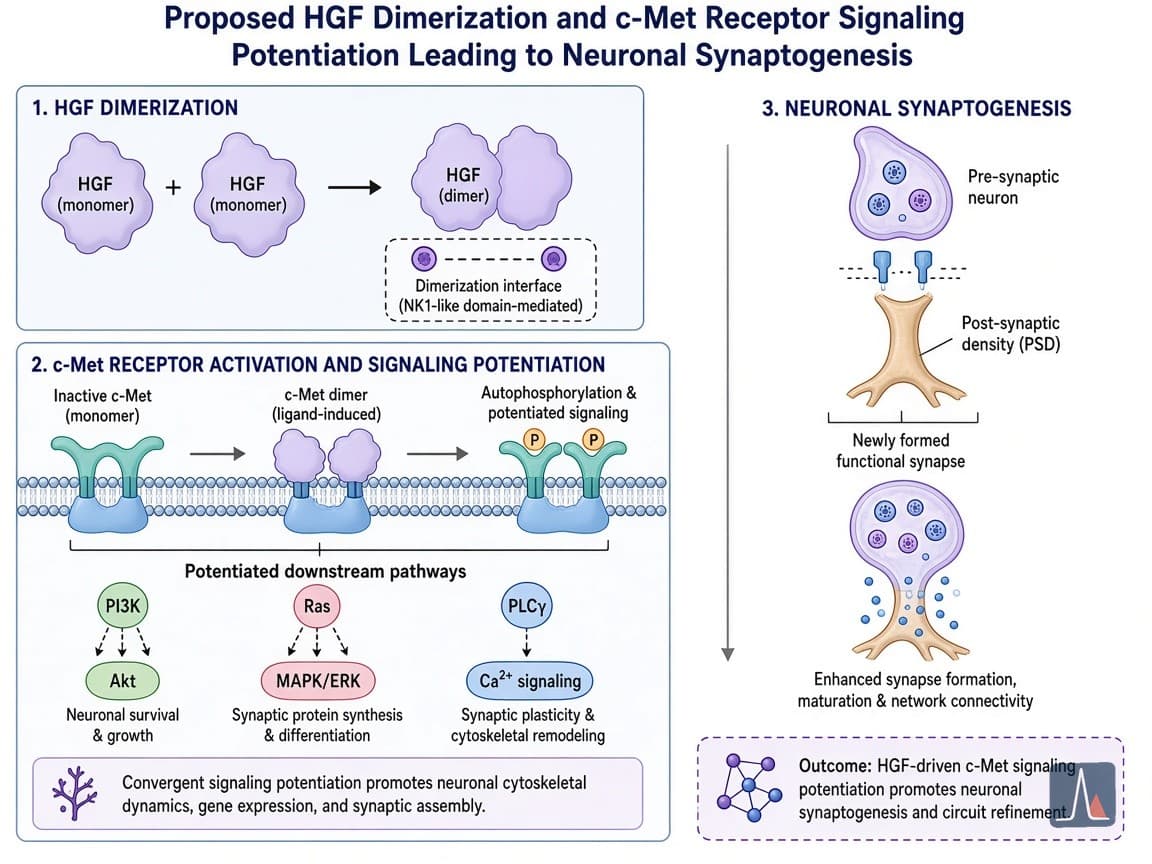
The compound is not a direct HGF mimetic but was hypothesized to act as an allosteric potentiator that stabilizes HGF dimerization and enhances sensitivity of the c-Met receptor tyrosine kinase to endogenous HGF. This places its literature in the domain of growth-factor-mediated dendritic arborization, spinogenesis, and synaptogenesis rather than the direct receptor agonism, antimicrobial, or mitochondrial pathways of other cataloged materials. All catalog materials and associated records are explicitly for laboratory research only. Reporting published preclinical findings is not guidance to use any research material in animals or people.
Foundational In Vitro Synaptogenesis and Proposed HGF/c-Met Studies (in_vitro and method papers, 2013–2015)
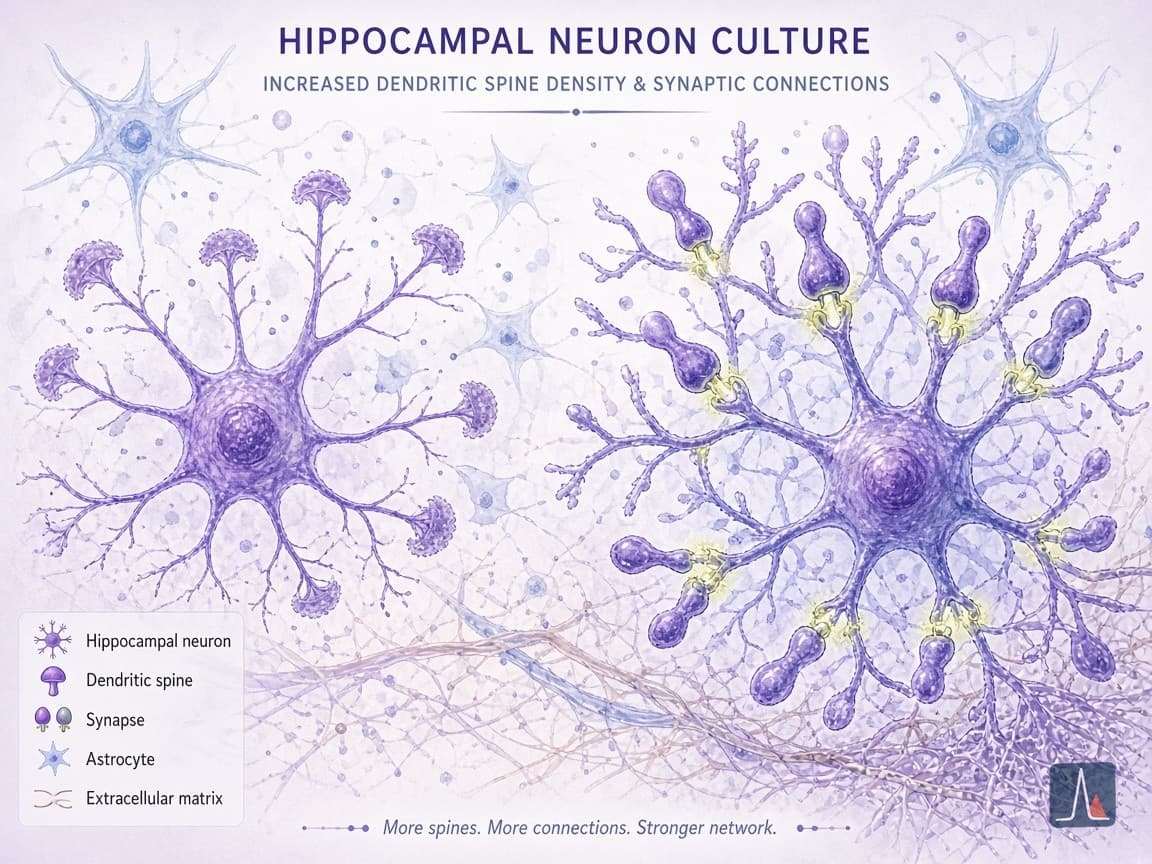
McCoy et al. (2013) reported that dihexa increased dendritic spine density, synaptic marker expression (synaptophysin, PSD-95), and functional synaptic activity (elevated miniature excitatory postsynaptic current frequency) in primary rat hippocampal neuron cultures at picomolar concentrations. The same work described dihexa as orders of magnitude more potent than BDNF in selected dendritic branching assays. A subsequent mechanistic study (Benoist et al., 2014) proposed that these effects depended on saturable high-affinity binding to HGF (reported Kd ≈ 65 pM), potentiation of c-Met receptor phosphorylation in the presence of subthreshold HGF concentrations, and HGF-dependent MDCK cell scattering. Both pharmacologic blockade with an HGF antagonist and c-Met-directed shRNA reportedly abolished the spinogenic, synaptogenic, and cell-scattering responses. These papers also introduced dihexa as orally active and BBB-permeant in rodent pharmacokinetic experiments. 1 2
Dihexa has additionally been employed as a functional HGF substitute in small-molecule-driven protocols for differentiation of human pluripotent stem cells into hepatocyte-like cells, replacing recombinant HGF in the final maturation step and supporting expression of hepatic markers. In a zebrafish lateral-line model, 1 μM dihexa protected sensory hair cells from aminoglycoside-induced death without reducing toxin uptake; protection was attenuated by an HGF antagonist or inhibitors of downstream kinases (Akt, TOR, MEK), supporting an intracellular HGF-dependent mechanism. 3
Important data-integrity context applies to the foundational mechanistic work. The 2014 Benoist et al. paper was formally retracted by the Journal of Pharmacology and Experimental Therapeutics in 2025 after a Washington State University investigation concluded that specific figures contained falsified or fabricated data; responsibility was assigned to two authors. The 2013 McCoy et al. discovery paper carries a persistent expression of concern issued in 2021. Earlier related papers (2011–2012) from the same group were also retracted. These notices do not disprove all behavioral or histologic observations but materially undermine confidence in the original high-affinity HGF-binding and allosteric-potentiation mechanism as originally presented. Independent replication of the precise molecular interaction is therefore required. 4
Preclinical Animal Models of Cognitive Impairment, Aging, and Transgenic Neurodegeneration (animal papers, 2013–2024)
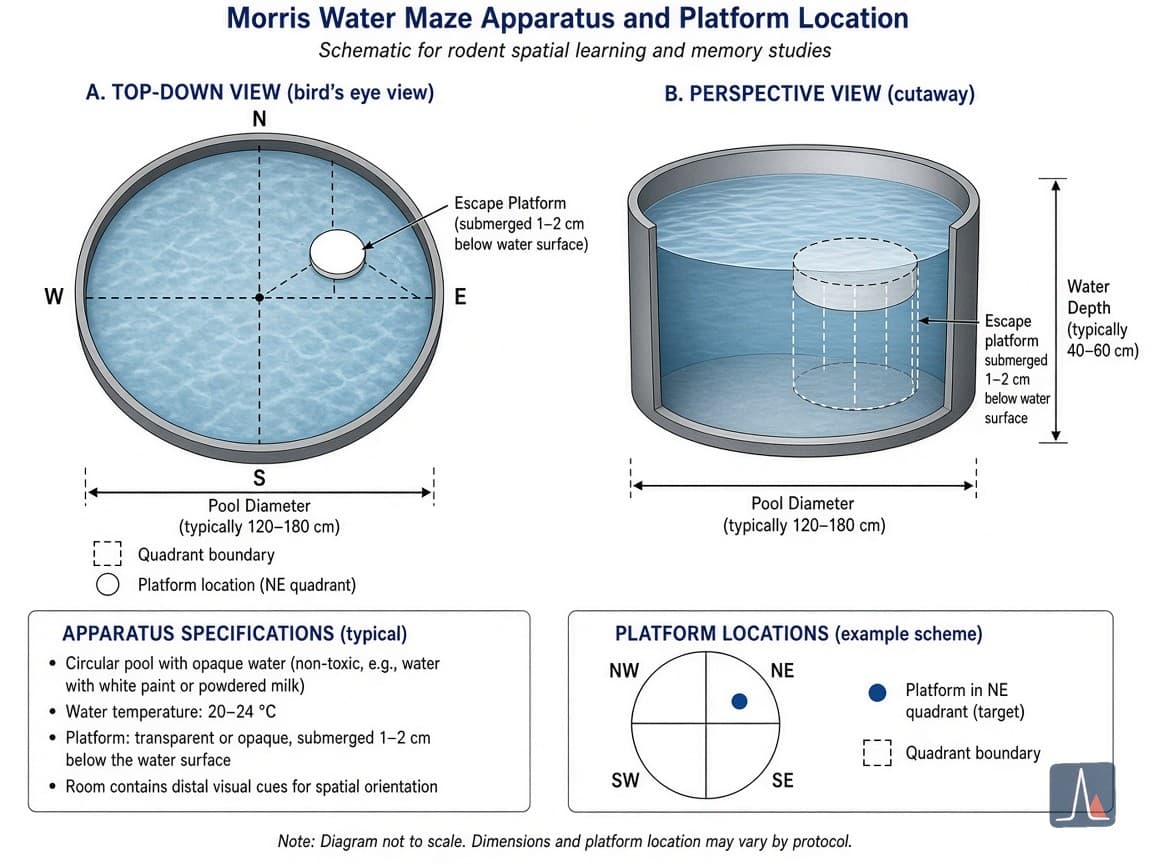
In scopolamine-treated rats and naturally aged rats, oral or parenteral dihexa reversed deficits in Morris water maze acquisition and probe-trial performance. Effects in the scopolamine model were dose-dependent and statistically significant at the higher oral dose tested; performance in aged animals was restored toward levels seen in young controls. Persistence of benefit weeks after dosing cessation was interpreted as consistent with structural synaptic remodeling. Histologic correlates included elevated hippocampal synaptophysin immunoreactivity. 1
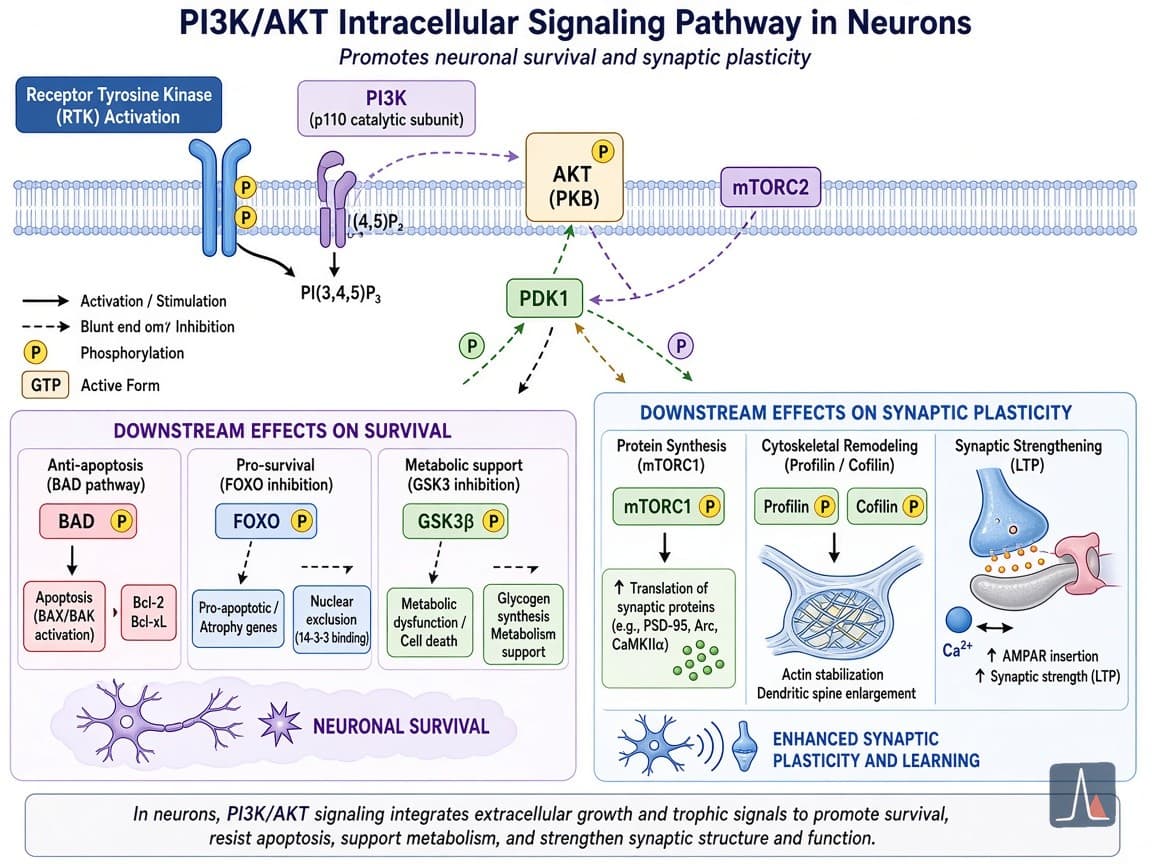
An independent Chinese research group (Sun et al., 2021) evaluated oral dihexa in APP/PS1 double-transgenic mice. Treated animals showed improved escape latency and platform crossings in the Morris water maze, increased cortical neuron counts (Nissl staining), elevated synaptophysin protein levels, reduced astrocyte and microglia activation, lowered pro-inflammatory cytokines (IL-1β, TNF-α), increased anti-inflammatory IL-10, and engagement of the PI3K/AKT pathway. A PI3K inhibitor (wortmannin) partially reversed the anti-apoptotic and anti-inflammatory histologic changes, suggesting pathway involvement independent of the retracted HGF-binding data. These findings provide one of the few independent positive replications of cognitive and synaptic benefit in a transgenic amyloid model. 5
Broader models have produced mixed outcomes. In a rat sciatic-nerve transection-repair paradigm, adjunct administration of dihexa with mesenchymal stem cells or G-CSF improved peroneal and sural nerve function scores, walking footprint grades, and reduced foot-flexion contractures at later time points. A 2025 report in repeated mild traumatic brain injury rats described working-memory rescue with central dihexa infusion that was blocked by an HGF/MET antagonist, consistent with pathway engagement in an injury setting. However, Wells et al. (2024) found no protective effect of PNB-0408 against weight loss, motor dysfunction, cognitive impairment, or striatal pathology in a 3-nitropropionic acid rat model of Huntington-like neurodegeneration, providing a clear negative result in a mitochondrial-toxin paradigm. 6
Reviews, Retractions, Related Clinical Translation Attempts, and Recurrent Limitations (review papers, 2015–2026)
Pre-retraction reviews (Wright & Harding, 2015) synthesized evidence linking brain AngIV/AT4 (IRAP) biology to the HGF/c-Met system and proposed this axis as a previously under-appreciated target for Alzheimer’s and Parkinson’s diseases on the basis of roles in neurogenesis, synaptogenesis, cell survival, and protection from insults. A 2018 systematic review of experimental AngIV literature concluded that stabilized analogs, including dihexa, produced consistent improvements in animal models of cognitive deficit, particularly spatial and avoidance tasks, with strongest effects when given near training or testing. Post-2025 literature explicitly discusses the JPET retractions and expression of concern, reclassifying the original allosteric HGF-potentiation and “millions-fold more potent than BDNF” claims as hypotheses whose primary supporting data are compromised. Independent replication of behavioral and histologic phenotypes in select models (APP/PS1, TBI) has appeared, but the precise molecular target and extraordinary potency require fresh validation with contemporary standards. 7
Related pharmaceutical development of small-molecule HGF mimetics (e.g., fosgonimeton) reached Phase 2/3 trials in mild-to-moderate Alzheimer’s disease; the LIFT-AD trial missed its primary global statistical test and key secondaries, leading to program discontinuation. FDA statements on dihexa acetate note the absence of identified human exposure data by any route and lack of information sufficient to assess safety risks in compounding contexts. Theoretical concerns repeatedly cited include the proto-oncogenic nature of c-Met (a driver in multiple cancers for which inhibitors are in clinical use) and the absence of chronic toxicology, carcinogenicity, or long-term safety profiling in non-rodent species. No published human pharmacokinetic, biomarker, physiologic, or clinical trial data for dihexa itself exist as of 2026.
Evidence Context and Recurrent Limitations
The indexed preclinical literature on dihexa centers on cell-culture synaptogenesis, rodent spatial-memory rescue in deficit models, histologic preservation of synapses and neurons, and modulation of neuroinflammation in an APP/PS1 background. Positive signals have been reported in scopolamine, aged-rat, APP/PS1, hair-cell, and mild-TBI models, with one independent replication using a PI3K/AKT framing. However, the core mechanistic papers establishing direct HGF binding, allosteric potentiation, and MET-dependence were retracted in 2025 for data fabrication, the foundational behavioral/synaptogenesis paper carries an expression of concern, and a clear negative result exists in a Huntington-like toxin model. The literature is small, heavily derived from one laboratory prior to the integrity findings, and lacks independent broad replication of the original potency claims.
Recurrent limitations include reliance on a narrow set of maze-based cognitive assays, modest group sizes in early studies, limited dose–response and chronic-dosing toxicology, absence of non-rodent or primate data, complete lack of human exposure information, and plausible long-term safety questions surrounding sustained growth-factor pathway activation. While dihexa remains an interesting laboratory reagent for basic research into synaptic plasticity, angiotensin IV biology, and HGF/MET-related readouts, these records do not establish efficacy, safety, or translational utility for any indication. High-quality, transparent, independent replication and modern mechanistic studies would be required to re-evaluate the hypotheses originally advanced. No catalog material should be interpreted as a medicine or used outside strictly controlled laboratory settings.
Sources
- McCoy AT et al. (2013). Evaluation of metabolically stabilized angiotensin IV analogs as procognitive/antidementia agents. *J Pharmacol Exp Ther*. PMID: 23055539 (expression of concern).
- Benoist CC et al. (2014). The procognitive and synaptogenic effects of angiotensin IV-derived peptides are dependent on activation of the hepatocyte growth factor/c-Met system. *J Pharmacol Exp Ther*. PMID: 25187433 (retracted 2025).
- Sun X et al. (2021). AngIV-Analog Dihexa Rescues Cognitive Impairment and Recovers Memory in the APP/PS1 Mouse via the PI3K/AKT Signaling Pathway. *Brain Sci*. PMID: 34827486.
- Uribe PM et al. (2015). Hepatocyte growth factor mimetic protects lateral line hair cells from aminoglycoside exposure. *Front Cell Neurosci*. PMID: 25674052.
- Wells RG et al. (2024). Effects of an Angiotensin IV Analog on 3-Nitropropionic Acid-Induced Huntington’s Disease-Like Symptoms in Rats. *J Huntingtons Dis*. PMID: 38489193.
- Wright JW, Harding JW (2015). The brain hepatocyte growth factor/c-Met receptor system: a new target for the treatment of Alzheimer’s disease. *J Alzheimers Dis*. PMID: 25649658.
- Retraction notices (2025), *J Pharmacol Exp Ther* (multiple papers from the same group).
Additional 2015–2026 reviews, systematic syntheses, and regulatory statements on compounding were consulted for context on limitations, retractions, and absence of human data. All citations derive from PubMed-indexed primary or review literature.
More briefings
- Survodutide Dual Agonist: Preclinical and Clinical EvidenceThe open-catalog entry for survodutide describes a synthetic acylated 29-amino-acid peptide dual agonist of glucagon and GLP-1 receptors supplied as high-purity lyophilized powder for laboratory metabolic research. Randomised trials report
- Dulaglutide: GLP-1 Receptor Agonist in Metabolic CareDulaglutide is a recombinant Fc-fusion GLP-1 receptor agonist engineered for once-weekly administration in laboratory and clinical metabolic research. Randomised trials report glycaemic improvements, cardiovascular risk reduction and modest
- Cagrilintide-Semaglutide Mixture: Open-Catalog Context and Metabolic Trial EvidenceThe open-catalog cagrilintide-semaglutide mixture supplies a research pairing of an amylin receptor agonist and GLP-1 receptor agonist for laboratory metabolic studies. Randomised trials of co-administration report enhanced weight loss (13–
All information and products discussed are for laboratory and research use only. Not for human or veterinary use. Not intended to diagnose, treat, cure, or prevent any disease.