
22 October 2026
Published Reports on Dihexa
Download PDF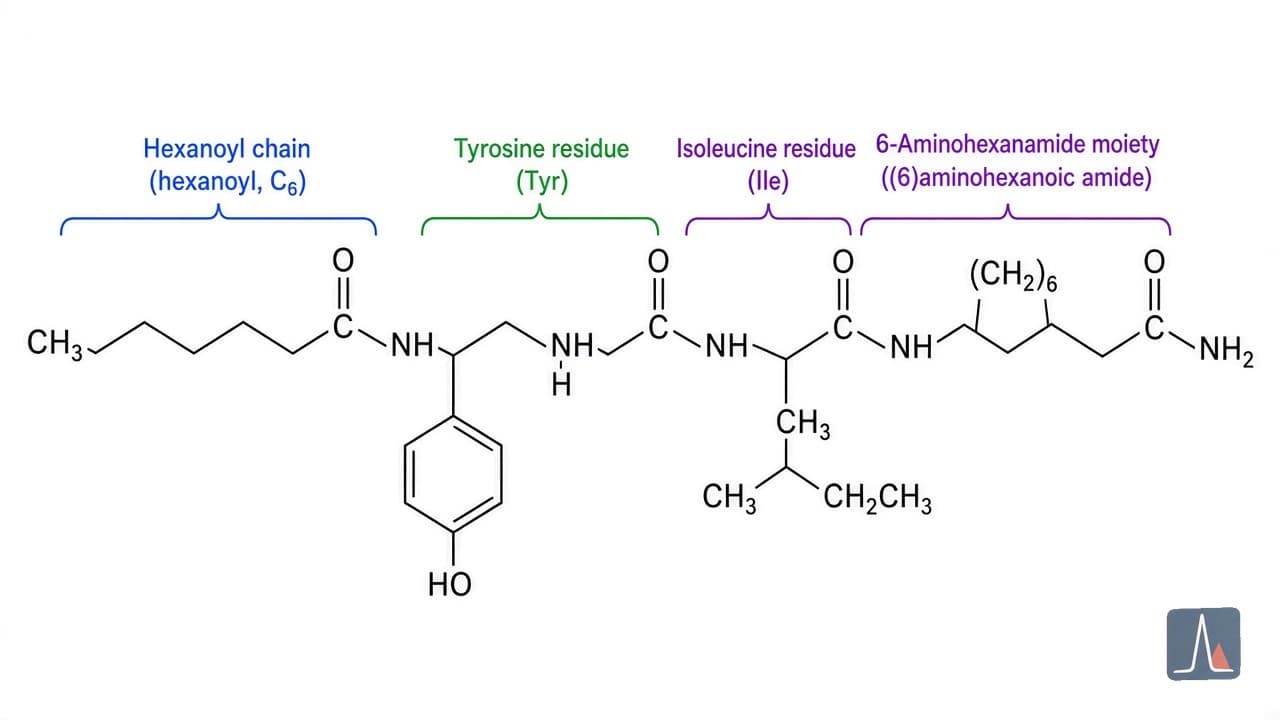
Indexed cell and animal papers describe dihexa as a short angiotensin-IV-related peptidomimetic studied for hepatocyte-growth-factor pathway effects in models of cognitive impairment and neurodegeneration, and those records do not establish
Published Reports on Dihexa
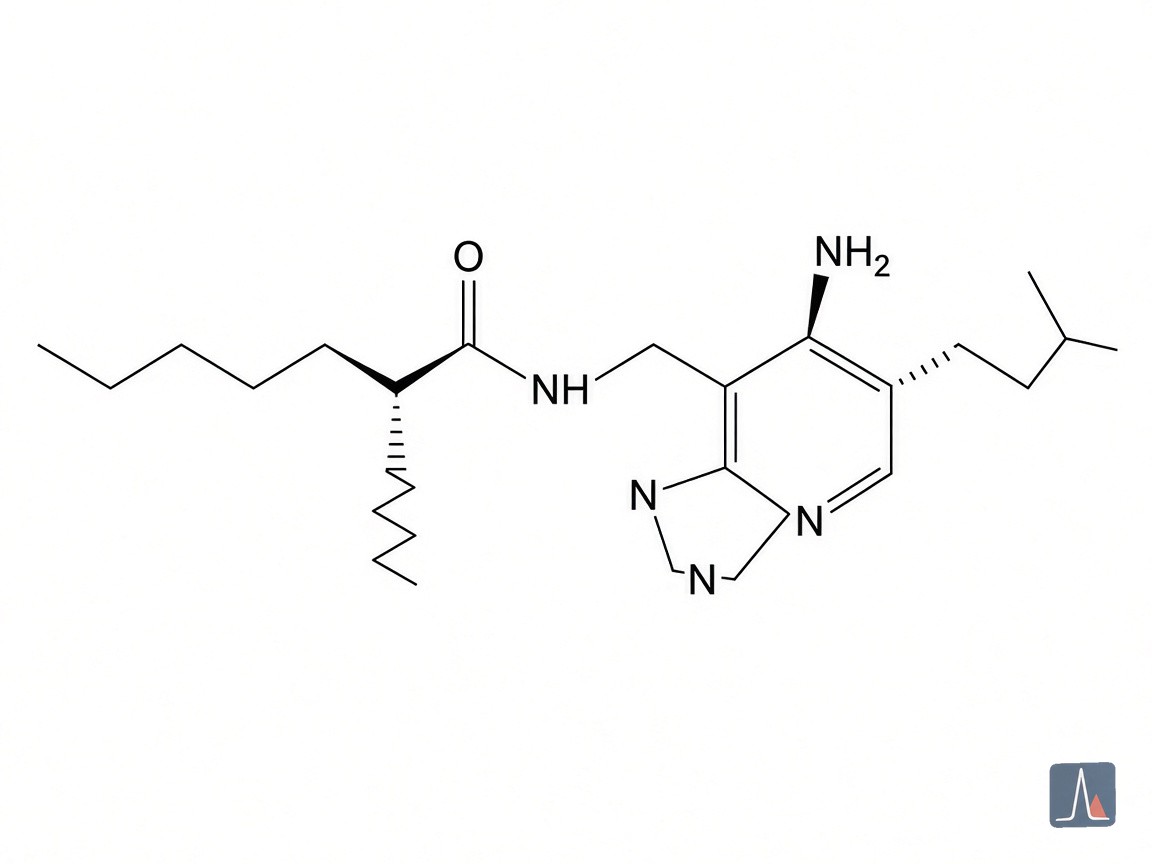
Indexed cell and animal papers describe dihexa as a short angiotensin-IV-related peptidomimetic studied for hepatocyte-growth-factor (HGF) pathway effects, and those records do not establish research-vial use. !Dihexa molecular structure diagram Chemical structure of N-hexanoic-Tyr-Ile-(6) aminohexanoic amide (dihexa).
Dihexa is for laboratory research only. Materials on this site are for laboratory research only. They are not medicines. Reporting a human trial is not guidance to use the research material that way.
Chemical Identity and Catalog Context
Dihexa, systematically named N-hexanoic-Tyr-Ile-(6) aminohexanoic amide (also PNB-0408), is a synthetic peptidomimetic derived from the N-terminal tripeptide sequence of angiotensin IV. It was chemically modified at both termini to increase metabolic stability, lipophilicity, and blood-brain barrier permeability in preclinical models while retaining activity associated with the parent angiotensin IV fragment. Unlike larger peptide catalog entries, dihexa is a small molecule (approximately 505 Da) designed to overcome the rapid degradation and poor central penetration typical of unmodified angiotensin peptides.
In the Rierink catalog it is listed strictly for laboratory use. No regulatory approval exists for human or veterinary therapeutic application, and no human pharmacokinetic, safety, or efficacy data have been published in indexed literature as of 2026.
Foundational Preclinical Reports (in_vitro and animal, 2013)
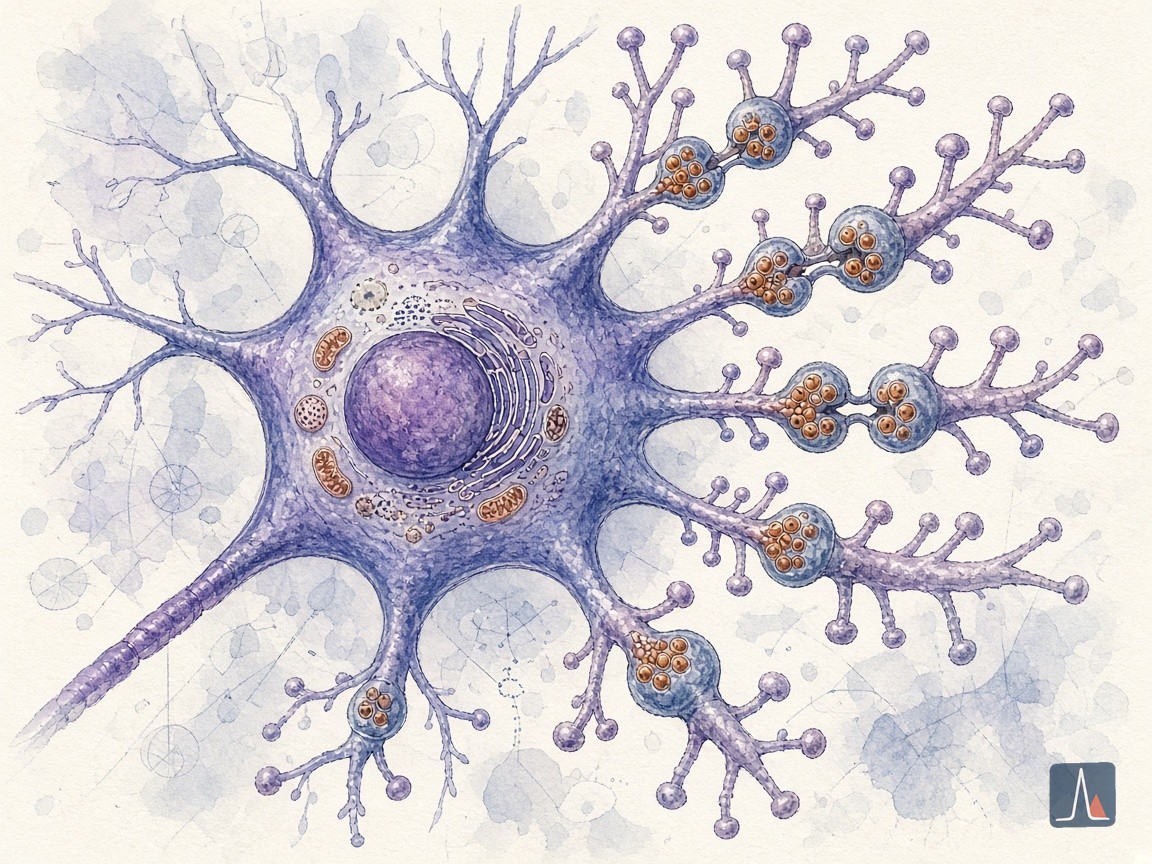
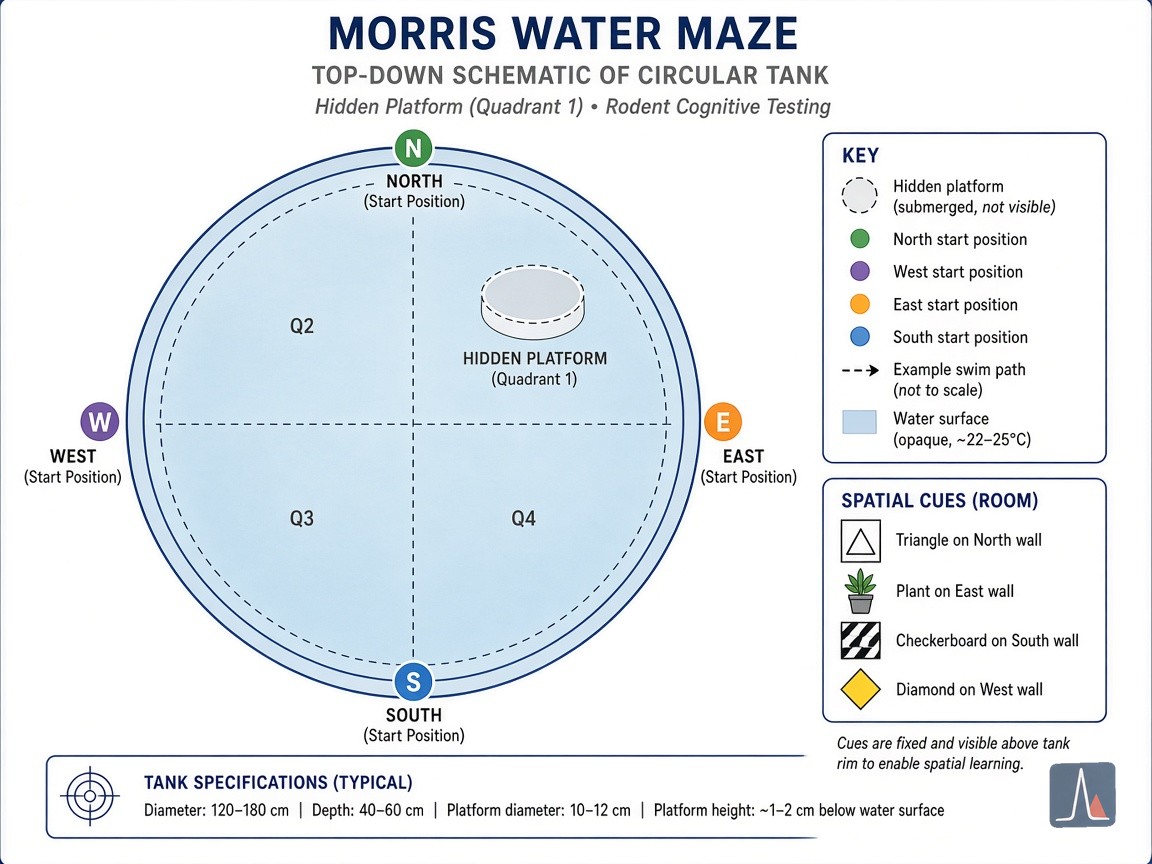
The initial characterization of dihexa appeared in a 2013 *Journal of Pharmacology and Experimental Therapeutics* paper (McCoy et al.). In cultured hippocampal neurons, the compound was reported to promote dendritic arborization and synaptogenesis at picomolar concentrations. In scopolamine-treated rats and aged rats with spontaneous cognitive decline, systemic or oral administration was associated with improved performance in the Morris water maze task of spatial learning and memory. These behavioral improvements persisted beyond the dosing period in some experiments, consistent with a structural plasticity hypothesis rather than purely acute pharmacological action.
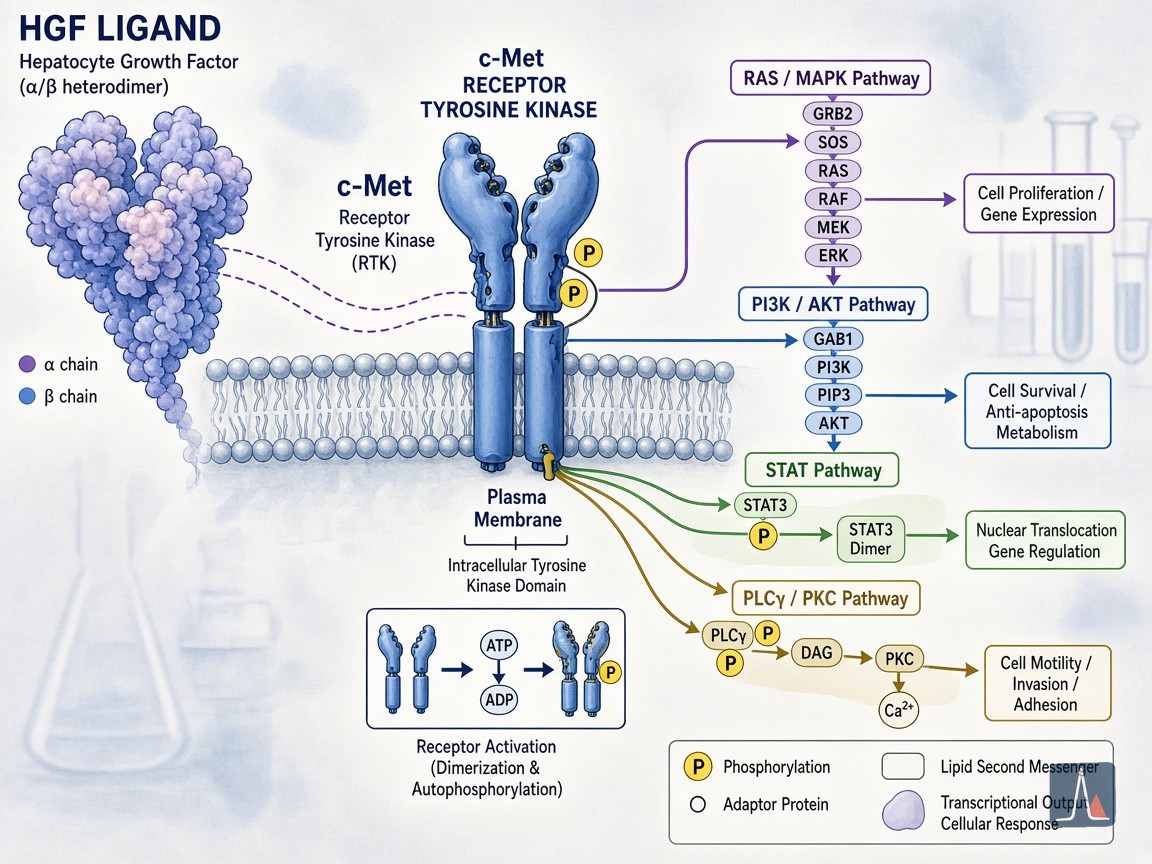
Limitation: The paper has carried a journal-issued Expression of Concern since 2021 related to data integrity questions raised during a Washington State University investigation. The record is therefore presented with that explicit caveat; it cannot be treated as fully validated primary evidence. No human data were included. !HGF/c-Met signaling pathway schematic Schematic representation of the hypothesized HGF/c-Met signaling pathway studied in early dihexa literature (mechanism paper later retracted).
Retracted Mechanistic Characterization (in_vitro, animal, and method, 2014)
A follow-up 2014 paper from the same laboratory (Benoist et al.) proposed that the procognitive and synaptogenic actions of dihexa and related angiotensin IV analogs depend on allosteric potentiation of hepatocyte growth factor (HGF) binding to its receptor tyrosine kinase c-Met. In HEK-293 cell assays, dihexa was reported to bind HGF with high affinity and to augment c-Met phosphorylation and cell scattering at subthreshold HGF concentrations. Hippocampal neuron cultures showed increased dendritic spine density and synaptic markers, effects reportedly blocked by an HGF antagonist or c-Met-directed shRNA. In vivo, intracerebroventricular delivery of an HGF antagonist was said to block the spatial-memory benefit of oral dihexa in the Morris water maze.
Limitation: This paper was formally retracted in April 2025 after the journal and university concluded that multiple figures contained falsified or fabricated data. Two authors were identified as solely responsible. A related 2012 paper on angiotensin IV analogs as HGF modulators was retracted at the same time. These retractions materially weaken the canonical mechanistic narrative that had been widely cited. The records are summarized here solely to document what was originally reported and subsequently withdrawn; they do not constitute reliable evidence. No human outcomes were reported. !Dendritic spine and synaptogenesis diagram Conceptual illustration of dendritic spine formation and synaptogenesis measured in hippocampal neuron cultures.
Zebrafish Lateral-Line Hair Cell Protection (animal model, 2015)
Uribe et al. (2015) examined dihexa in larval zebrafish, a model system for sensory hair-cell toxicology. Exposure to aminoglycoside antibiotics causes rapid hair-cell death in the lateral-line neuromasts. Co-treatment with dihexa (optimal concentration around 1 μM) produced robust, dose-dependent protection of these mechanosensory cells. The protective effect was partially attenuated by an HGF antagonist (6-AH) and by downstream pathway inhibitors of Akt, TOR, and MEK, consistent with engagement of HGF-related intracellular signaling. Structural modifications to the dihexa N-terminus abolished activity, suggesting target specificity.
Limitation: This is a non-mammalian, larval sensory epithelium assay focused on acute ototoxicity rather than central nervous system cognition or chronic neurodegeneration. Results in fish neuromasts do not necessarily translate to mammalian brain tissue or human patients. No behavioral or cognitive endpoints were assessed. !Morris water maze schematic Schematic of the Morris water maze apparatus employed in multiple rodent spatial memory studies of dihexa.
Cognitive Rescue in Transgenic Alzheimer Mouse Model (animal model, 2021)
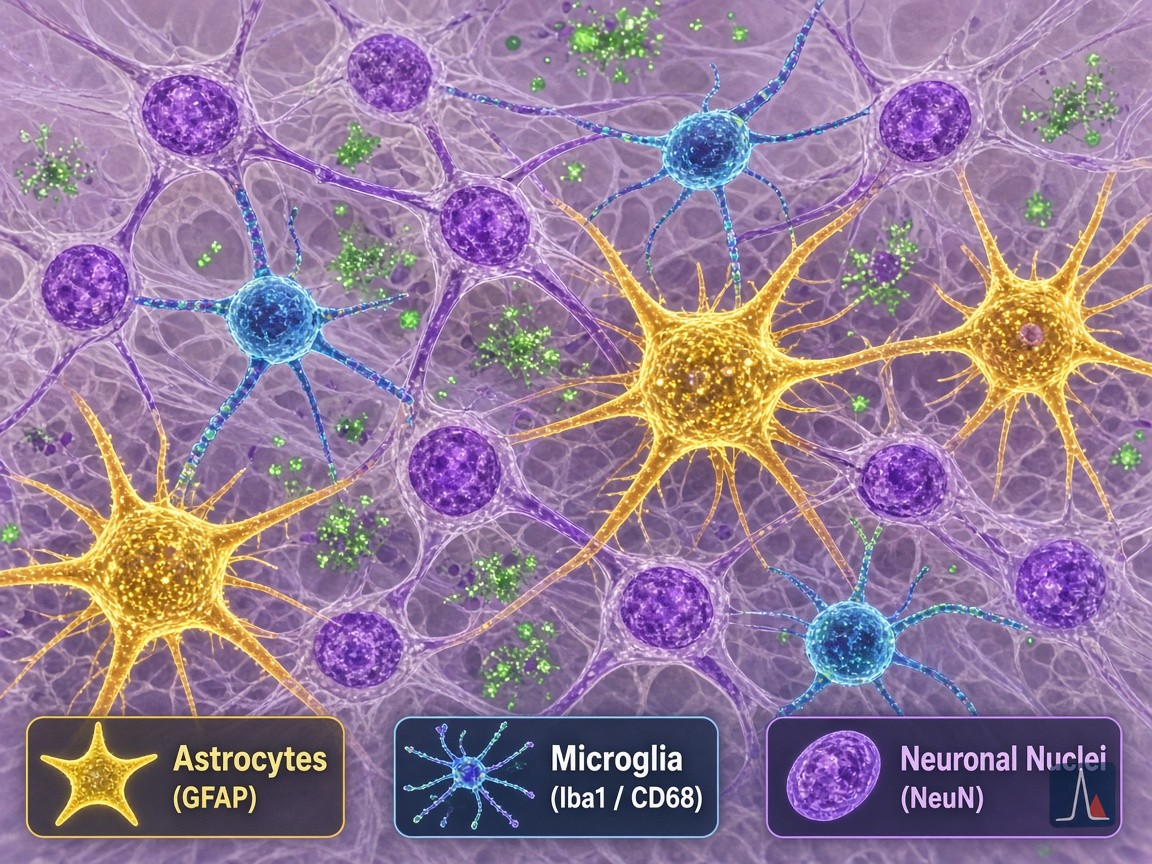
An independent laboratory reported findings with dihexa in the APP/PS1 double-transgenic mouse model of amyloid pathology (Sun et al., *Brain Sciences*, 2021). Oral or systemic administration was associated with improved spatial learning and memory retention in the Morris water maze compared with vehicle-treated APP/PS1 controls. Histological analysis showed increased neuronal density in hippocampus and cortex (Nissl staining), elevated synaptophysin immunoreactivity, reduced astrocyte and microglial activation, lowered pro-inflammatory cytokines (IL-1β, TNF-α), and elevated anti-inflammatory IL-10. Western blots indicated activation of the PI3K/AKT pathway; pharmacological inhibition of PI3K with wortmannin reversed several anti-inflammatory and anti-apoptotic effects. Tissue angiotensin IV levels were also reported to rise after dihexa treatment.
Limitation: This is a transgenic mouse model with engineered overexpression of mutant human amyloid precursor protein and presenilin-1. Effects are therefore model-specific and may not generalize to sporadic late-onset human disease or other neurodegenerative contexts. Group sizes were modest, and long-term safety or tumorigenicity (given the mitogenic nature of HGF/c-Met signaling) was not evaluated. No human data were presented. !Neuroinflammation in brain tissue diagram Conceptual representation of glial activation and neuronal preservation assessed in transgenic mouse brain sections.
Peripheral Nerve Injury and Mixed Toxin Models (animal models, 2021 and 2024)
In a rat sciatic-nerve transection and repair model, dihexa administered alone or in combination with mesenchymal stem cells or granulocyte-colony stimulating factor was associated with accelerated functional motor recovery at 8–16 weeks post-injury (Weiss et al., 2021). Improvements were most pronounced in combination arms; dihexa monotherapy effects were less clearly isolated.
Conversely, a 2024 independent study in a 3-nitropropionic acid (3-NP) rat model intended to mimic Huntington disease-like striatal metabolic compromise and motor/cognitive deficits found no protective effect of PNB-0408 (Wells et al.). Systemic 3-NP produced weight loss, impaired spatial learning, and marked motor dysfunction. Dihexa treatment across several doses and regimens failed to attenuate any of these endpoints or associated histopathology. The authors concluded that dihexa may not be efficacious in this particular toxin model and called for further evaluation in alternative systems.
Limitation: Both studies are rodent surgical or toxin models with inherent variability in lesion severity, small-to-moderate group sizes, and no direct human correlate. The null result in the Huntington-like model illustrates that preclinical benefit is not universal across all neurodegeneration paradigms. No clinical translation data exist.
Use in Stem-Cell Hepatocyte Differentiation Protocols (in_vitro method, 2015 onward)
Several independent stem-cell laboratories have employed dihexa as a functional substitute for recombinant HGF in directed differentiation of human induced pluripotent stem cells toward hepatocyte-like cells. In maturation-stage media, dihexa supported expression of hepatic markers and functional readouts (albumin secretion, glycogen storage, cytochrome activity) where exogenous HGF would otherwise be required. These protocols treat dihexa as a convenient, stable small-molecule surrogate rather than a direct mechanistic probe of central nervous system plasticity.
Limitation: These are controlled in-vitro differentiation assays using human cells in culture. They demonstrate utility as a laboratory reagent but do not address neurological, cognitive, or systemic safety questions.
Narrative Reviews of the Brain Angiotensin IV / HGF / c-Met System (review, 2015–2026)
Multiple narrative reviews, primarily from the original research group or citing its body of work, have positioned brain HGF/c-Met signaling as a plausible target for synaptic repair in Alzheimer disease and related disorders. These syntheses emphasize the pathway’s roles in mitogenesis, motogenesis, neurogenesis, and synaptogenesis. Later independent reviews (including 2026 orthopedic and peptide-context articles) note the paucity of clinical data, the retraction of foundational mechanism papers, and the theoretical concern that chronic potentiation of a mitogenic receptor implicated in multiple cancers could carry oncogenic risk—an hypothesis that remains untested in long-term studies. A 2018 systematic review of angiotensin IV and angiotensin-(1-7) cognitive effects catalogued predominantly positive rodent memory findings but highlighted that direct intracerebroventricular administration near the time of learning was often more efficacious than systemic routes.
Limitation: All are secondary syntheses. They collate preclinical observations and explicitly acknowledge the absence of human trial data and the impact of retractions on mechanistic confidence. No new experimental results are presented.
Summary of Evidence and Research Context
The indexed literature on dihexa consists exclusively of cell-culture, larval zebrafish, stem-cell differentiation, and rodent studies focused on HGF/c-Met-related signaling, synaptogenesis, neuroprotection, and behavioral measures of spatial memory. Positive associations with dendritic spine density, synaptic protein expression, reduced neuroinflammation, and improved Morris water maze performance appear in several reports, particularly the 2021 independent APP/PS1 mouse study that implicated PI3K/AKT rather than solely the retracted HGF mechanism. However, a 2024 independent toxin model yielded a clear null result, and the two most-cited papers establishing oral activity/synaptogenesis (2013) and HGF/c-Met dependence (2014) carry, respectively, an Expression of Concern and a full retraction for data fabrication.
No PubMed-indexed human clinical trials, pharmacokinetic studies, or long-term safety evaluations exist. Searches of ClinicalTrials.gov and FDA statements confirm the absence of registered human exposure data. Theoretical risks associated with potentiating a receptor tyrosine kinase central to cell proliferation, migration, and angiogenesis in cancer biology have not been addressed in any duration or population.
These preclinical observations, even when favorable within their specific models, do not constitute evidence that dihexa produces analogous effects in people, nor do they establish any safe or effective laboratory-to-human translation pathway. The records summarized here are study reports with explicit methodological, model-specific, replication, and data-integrity limitations. They cannot be extrapolated to support use of catalog research material outside controlled laboratory settings. Further independent, transparent replication in diverse models, together with rigorous mechanistic re-evaluation post-retraction, would be required before any stronger conclusions could be drawn.
Sources
- McCoy AT et al. (2013). Evaluation of metabolically stabilized angiotensin IV analogs as procognitive/antidementia agents. *J Pharmacol Exp Ther* 344(1):141-54. PMID: 23055539. (Expression of Concern 2021).
- Benoist CC et al. (2014). The procognitive and synaptogenic effects of angiotensin IV-derived peptides are dependent on activation of the hepatocyte growth factor/c-Met system. *J Pharmacol Exp Ther* 351(2):390-402. (Retracted 2025).
- Uribe PM et al. (2015). Hepatocyte growth factor mimetic protects lateral line hair cells from aminoglycoside exposure. *Front Cell Neurosci* 9:3. PMID: 25674052. DOI: 10.3389/fncel.2015.00003.
- Sun X et al. (2021). AngIV-Analog Dihexa Rescues Cognitive Impairment and Recovers Memory in the APP/PS1 Mouse via the PI3K/AKT Signaling Pathway. *Brain Sci* 11(11):1487. PMID: 34827486. PMCID: PMC8615599. DOI: 10.3390/brainsci11111487.
- Weiss JB et al. (2021). Stem cell, Granulocyte-Colony Stimulating Factor and/or Dihexa to promote limb function recovery in a rat sciatic nerve damage-repair model. *Ann Med Surg (Lond)* 71:102917. PMID: 34703584.
- Wells RG et al. (2024). Effects of an Angiotensin IV Analog on 3-Nitropropionic Acid-Induced Huntington’s Disease-Like Symptoms in Rats. *J Huntingtons Dis* 13(1):55-66. PMID: 38489193. DOI: 10.3233/JHD-231507.
- Wright JW, Harding JW (2015). The Brain Hepatocyte Growth Factor/c-Met Receptor System: A New Target for the Treatment of Alzheimer’s Disease. *J Alzheimers Dis* 45(4):985-1000. PMID: 25649658. DOI: 10.3233/JAD-142814.
- Additional reviews and protocol papers (2015–2026) citing dihexa in stem-cell differentiation or surveying angiotensin IV analogs were consulted for context.
All citations were obtained from PubMed/Europe PMC or journal sites. Readers are urged to consult the current PubMed or journal record for retraction notices, expressions of concern, and full text.
More briefings
- Survodutide Dual Agonist: Preclinical and Clinical EvidenceThe open-catalog entry for survodutide describes a synthetic acylated 29-amino-acid peptide dual agonist of glucagon and GLP-1 receptors supplied as high-purity lyophilized powder for laboratory metabolic research. Randomised trials report
- Dulaglutide: GLP-1 Receptor Agonist in Metabolic CareDulaglutide is a recombinant Fc-fusion GLP-1 receptor agonist engineered for once-weekly administration in laboratory and clinical metabolic research. Randomised trials report glycaemic improvements, cardiovascular risk reduction and modest
- Cagrilintide-Semaglutide Mixture: Open-Catalog Context and Metabolic Trial EvidenceThe open-catalog cagrilintide-semaglutide mixture supplies a research pairing of an amylin receptor agonist and GLP-1 receptor agonist for laboratory metabolic studies. Randomised trials of co-administration report enhanced weight loss (13–
All information and products discussed are for laboratory and research use only. Not for human or veterinary use. Not intended to diagnose, treat, cure, or prevent any disease.