
27 October 2026
Published Reports on Adipotide
Download PDF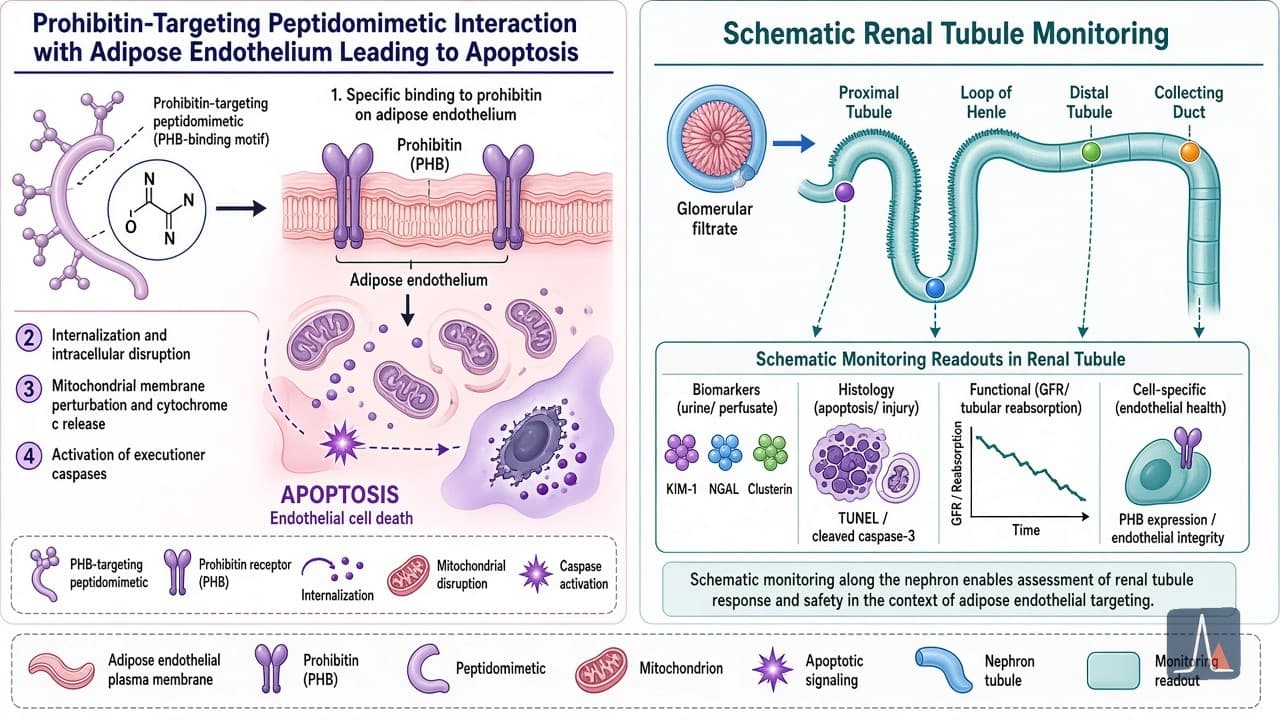
Published preclinical reports on Adipotide document rapid weight loss (approximately 11% in primates, up to 30% in rodents) and substantial white adipose tissue reduction via targeted endothelial apoptosis in obese animal models, accompanie
Chemical Identity and Catalog Context
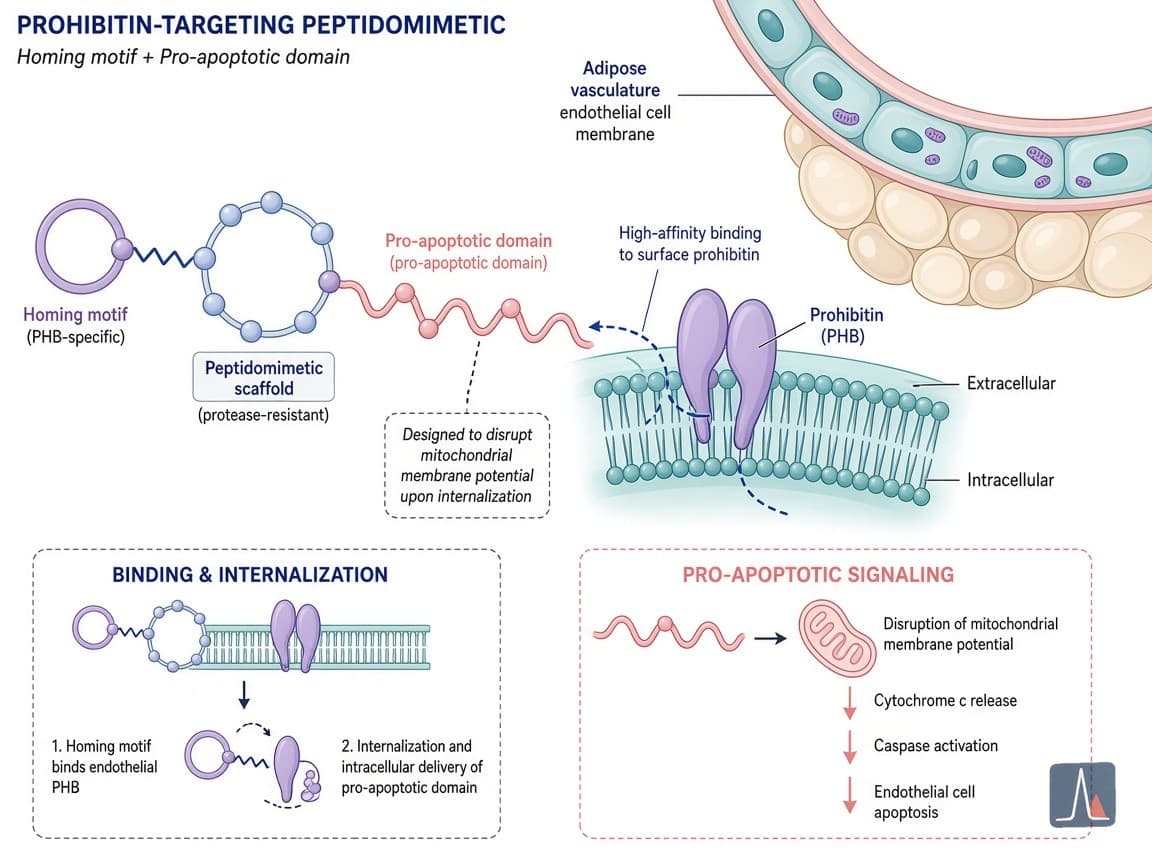
Indexed papers describe Adipotide as the synthetic ligand-directed peptidomimetic CKGGRAKDC-GG-D(KLAKLAK)₂ (also termed FTPP or Prohibitin-TP01). The N-terminal cyclic nonapeptide motif homes selectively to prohibitin (and annexin A2) expressed preferentially on the luminal surface of endothelial cells in white adipose tissue (WAT) vasculature. Upon internalization, the all-D-amino acid helical pro-apoptotic domain disrupts mitochondrial membranes, triggering endothelial cell apoptosis. This leads to vascular collapse, ischemic resorption of adipocytes, and reduction in WAT mass without direct action on adipocytes themselves. Adipotide is cataloged for laboratory research only. Those records do not establish research-vial use.
Foundational Discovery, Phage Display, and In Vitro Mechanistic Studies (in_vitro and method papers, 2002–2005)
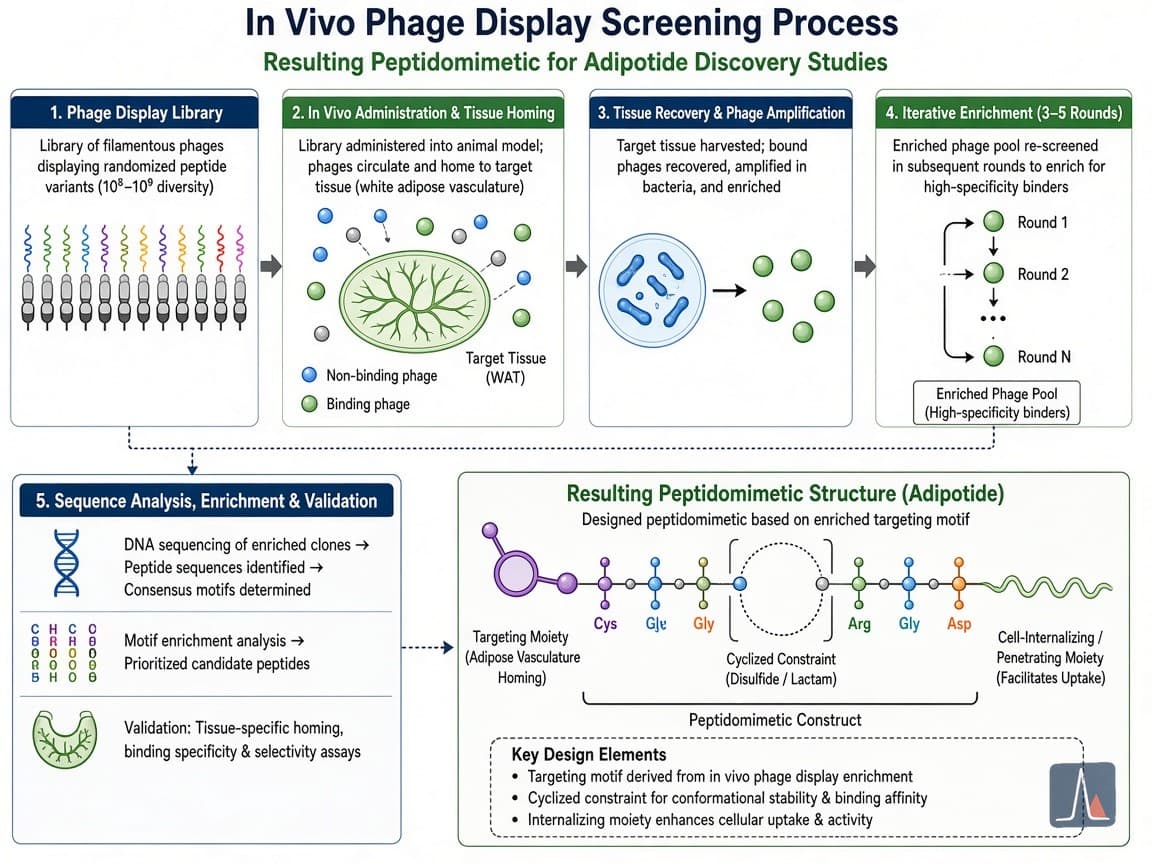
Kolonin et al. (2004, *Nature Medicine*) employed in vivo phage-display screening in obese *ob/ob* mice to isolate peptide motifs that home selectively to WAT vasculature rather than other organs. The motif CKGGRAKDC was identified as binding prohibitin, a multifunctional protein newly established in that work as a vascular marker of adipose tissue (also expressed in human WAT vessels). In vitro binding and apoptosis assays confirmed that the chimeric construct (homing motif linked via GG to the (KLAKLAK)₂ pro-apoptotic sequence) induced programmed cell death selectively in prohibitin-expressing endothelial cells. Subsequent mechanistic studies validated mitochondrial disruption as the primary intracellular action of the effector domain. These foundational experiments provided the conceptual framework for adipose-vascular targeting distinct from classical anti-angiogenic or metabolic agents. Limitations include reliance on phage-display methodology, which can yield context-specific binders, and initial focus on obese rather than lean models. 1 2
Preclinical Rodent Models of Obesity Reversal via Vascular Ablation (animal papers, 2004–2015)
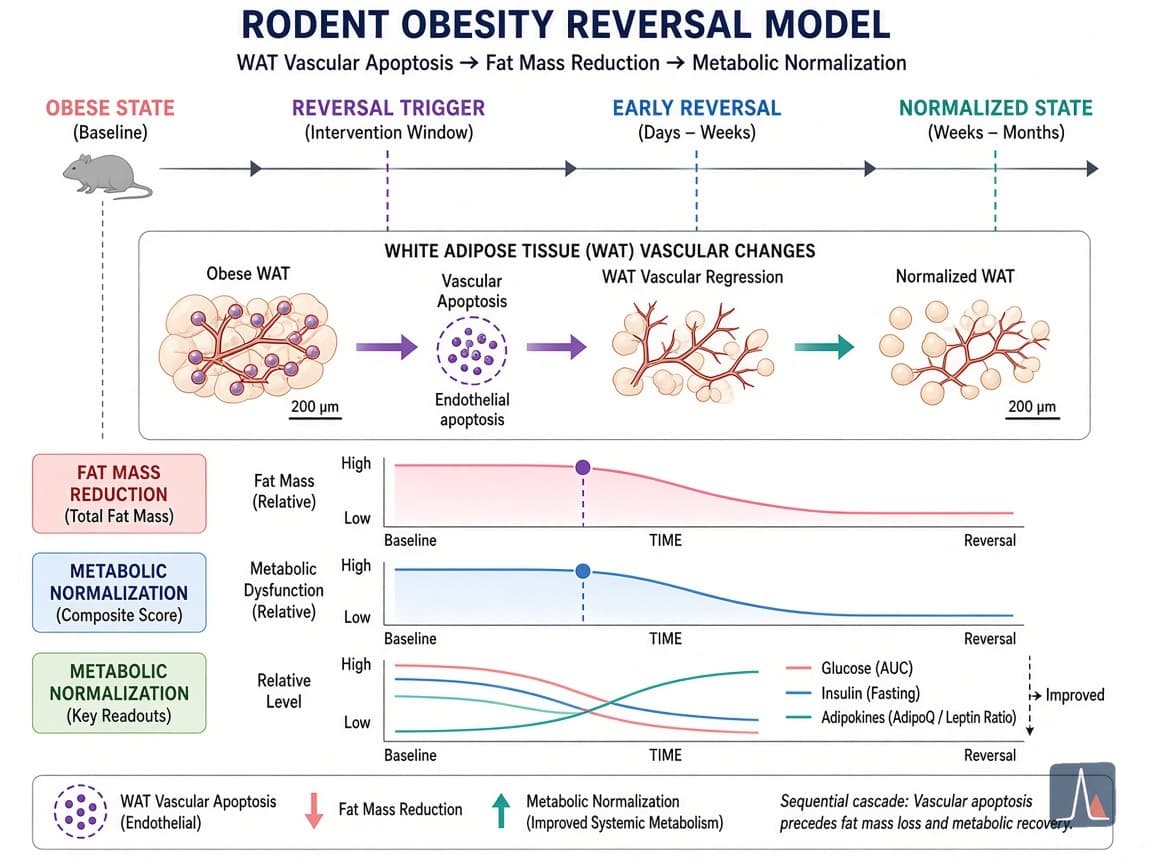
In diet-induced obese (DIO) and genetic (*ob/ob*) mouse models, daily administration of the peptidomimetic for approximately four weeks produced approximately 30% body weight reduction attributable to WAT resorption, with normalization of hyperinsulinemia, hyperglycemia, and dyslipidemia. Histology confirmed targeted apoptosis restricted to WAT endothelium followed by progressive fat depot shrinkage without overt inflammation or muscle wasting. Effects were largely obesity-specific; lean mice showed minimal response. Some reports noted concurrent reductions in food intake, prompting later debate on whether the weight loss was driven purely by vascular ablation or partly by secondary anorectic effects. Follow-on rodent studies replicated fat-selective loss, improved glucose tolerance (sometimes preceding major weight change), and explored nanoparticle-conjugated versions (e.g., KLA-PTNP) that achieved comparable or enhanced body weight, leptin, and ectopic fat reductions with potentially altered off-target profiles. These animal models established proof-of-concept for the vascular-targeting strategy but were limited by small cohorts, short treatment durations, species-specific vasculature, and lack of long-term follow-up on fat regeneration or metabolic rebound. No major adverse events were highlighted in the initial mouse reports. 1 3
Nonhuman Primate Efficacy, Imaging, Metabolic, and Renal Safety Studies (animal papers, 2011)
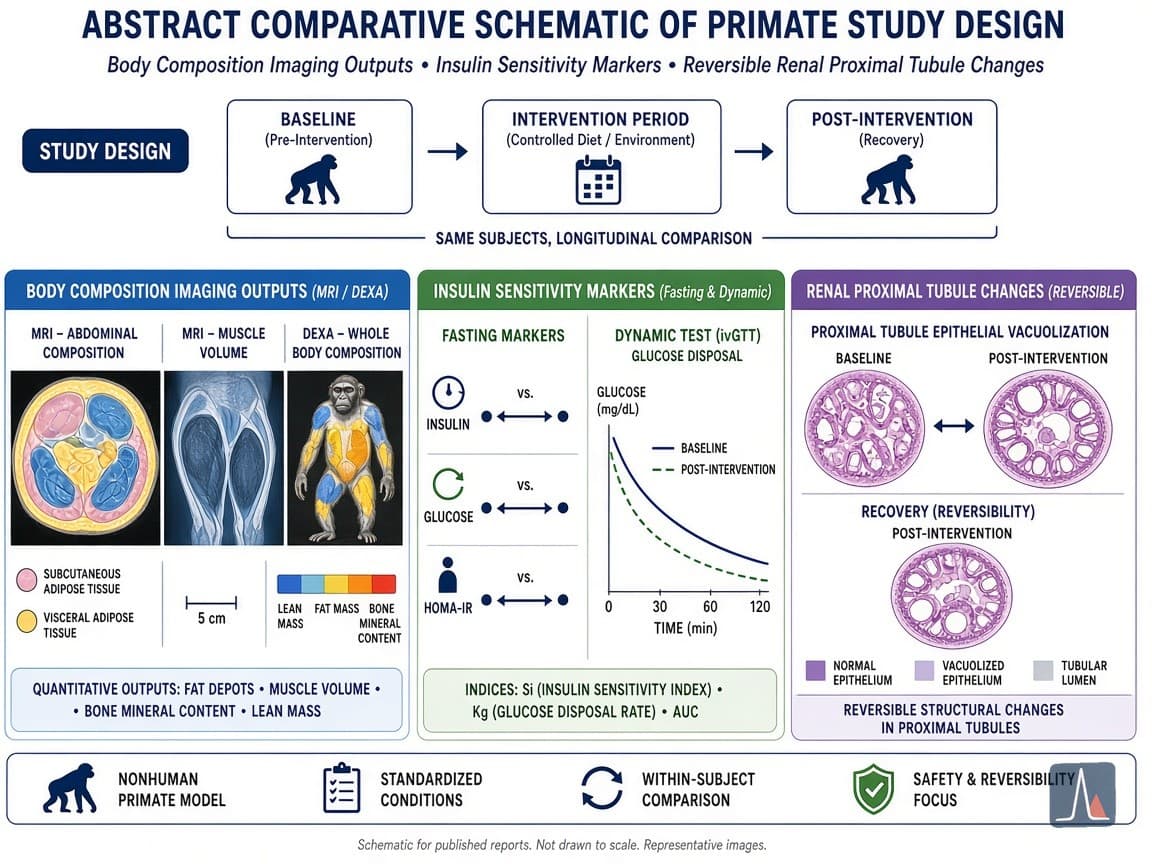
The pivotal translational study (Barnhart et al., *Science Translational Medicine*, 2011) evaluated Adipotide in spontaneously obese Old World monkeys (primarily rhesus macaques, with confirmatory data in baboons and cynomolgus monkeys). Study designs included dose-finding escalation, fixed-dose efficacy cohorts (experimentally optimized around 0.43 mg/kg daily subcutaneous for 28 days), placebo-controlled arms, imaging (MRI for abdominal fat volume, DEXA for total body composition), metabolic testing (insulin sensitivity), clinical chemistry, urinalysis, and histopathology with recovery periods. Treated rhesus macaques exhibited approximately 10.6–11% body weight loss (range 7–15% across animals), 10% BMI reduction, 8.4% decrease in abdominal circumference, and 38.7% reduction in total body fat mass confirmed by DEXA (versus modest changes in controls). MRI showed marked decreases in both visceral and subcutaneous WAT. Insulin resistance improved significantly (reduced fasting insulin and glucose requirements). Lean monkeys at comparable doses showed no weight loss, supporting specificity to obese states. Mechanism was confirmed histologically by targeted endothelial apoptosis in WAT vessels.
Safety findings were consistent across three primate species: dose-dependent, predictable, and largely reversible changes in proximal renal tubule function at efficacious doses. These included elevations in serum creatinine (slight to moderate above 0.25 mg/kg), proteinuria, glucosuria, urinary epithelial cells/casts, and electrolyte shifts suggestive of altered tubular reabsorption. Histopathology in dedicated GLP toxicology cohorts (lean monkeys) revealed minimal-to-moderate tubular degeneration, single-cell necrosis, and regenerative changes that largely resolved during the post-treatment recovery period. No concurrent major BUN elevation or other organ toxicities were prominent at optimal doses; higher doses remained non-lethal. A separate multidose GLP toxicity study reinforced the renal findings as the primary, monitorable side effect. Limitations of these primate studies include relatively small group sizes (n≈10 treated in the main efficacy arm plus controls), short 28-day treatment, potential contribution of reduced food intake to weight loss, and uncertainty regarding chronic dosing or reversibility of fat ablation in longer studies. The renal signal at doses producing meaningful fat loss narrowed the apparent therapeutic index. 2 2
Registered Phase 1 Trial, Termination, and Absence of Published Human Data (clinical registry and related reports, 2012–2019)
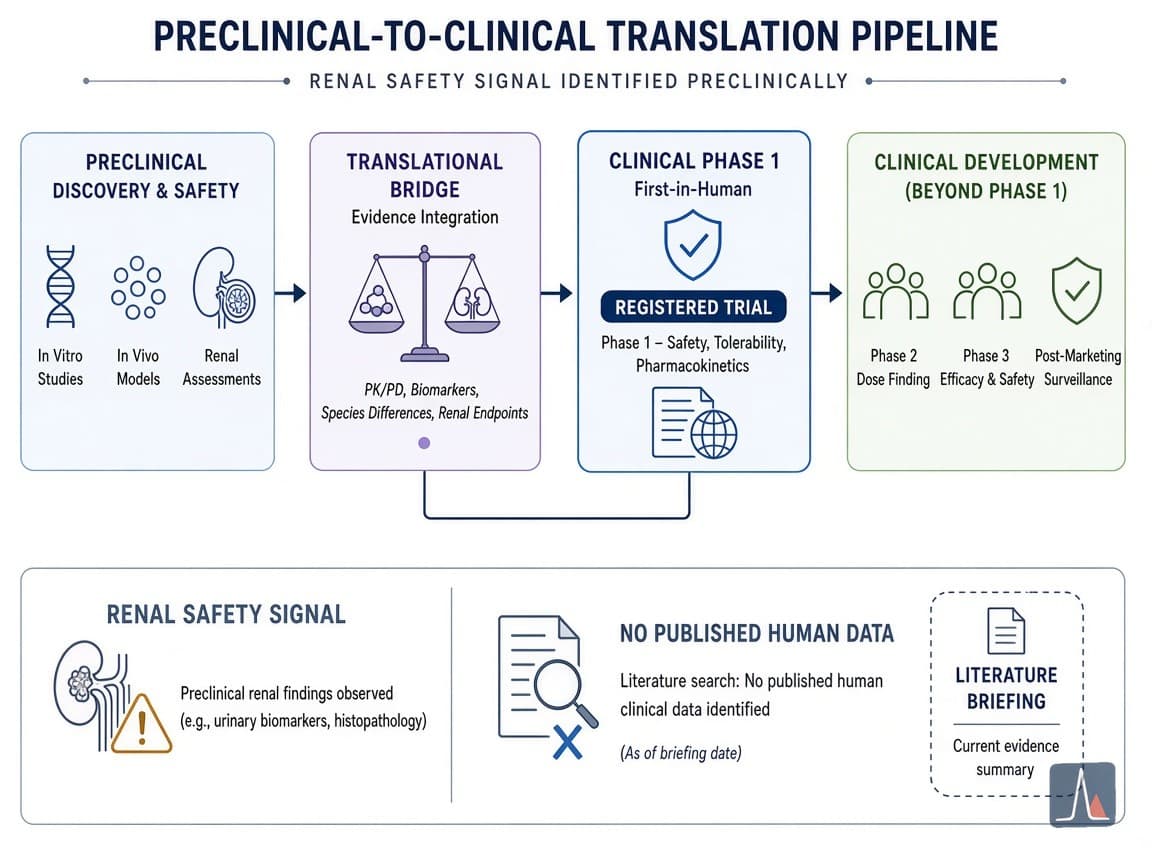
A single first-in-human Phase 1 open-label dose-escalation trial (NCT01262664, sponsored by MD Anderson Cancer Center) was registered to evaluate Prohibitin-TP01 (Adipotide) in men with metastatic prostate cancer and obesity. The design planned dose escalation (starting low, e.g., around 0.03 mg/kg daily subcutaneous for 28 days) with primary focus on safety, maximum tolerated dose, pharmacokinetics, and exploratory metabolic readouts. Enrollment reached only four participants before termination in 2019 per the principal investigator's request. No results, safety data, pharmacokinetic parameters, weight changes, or efficacy outcomes were ever posted on ClinicalTrials.gov or published in the peer-reviewed literature. Development was discontinued. Related prohibitin- or (KLAKLAK)₂-containing peptidomimetics tested in oncology settings reported reversible nephrotoxicity (proteinuria, rising creatinine, casts) as a dose-limiting toxicity, consistent with the primate profile. As of 2026, no published human clinical, pharmacokinetic, or safety data for Adipotide exist. This absence of human evidence represents a critical gap; primate renal findings cannot be directly extrapolated, and the therapeutic window in people with typical obesity-related comorbidities remains uncharacterized. 4
Next-Generation Analogs, Nanoparticle Delivery, Reviews, and Recurrent Limitations (preclinical, review and method papers, 2013–2026)
Subsequent work explored nanoparticle encapsulation (e.g., KLA-PTNP, 2013) to improve targeting efficiency, reduce systemic exposure, and potentially mitigate renal effects while retaining or enhancing body weight, leptin, and adiponectin responses in DIO mice. A 2025 study on mixed-chirality D-amino acid-substituted prohibitin peptides reported improved proteolytic stability, additional mitochondrial uncoupling activity in adipocytes, and robust weight loss in high-fat diet mice with seemingly favorable preclinical profiles. Systematic and scoping reviews (2020–2026) acknowledge the innovative vascular-targeting concept and consistent preclinical efficacy signals across species but uniformly highlight translational barriers: the narrow therapeutic index due to renal effects in primates, the irreversible nature of WAT vasculature ablation, potential species differences in prohibitin expression or clearance, small sample sizes in key studies, short treatment durations, and complete lack of published human data. Analytical papers have focused on detection methods for doping or research contexts. No regulatory approval exists from any major agency.
Evidence Context and Recurrent Limitations
The published literature on Adipotide is dominated by preclinical reports from a limited set of investigators, centered on one foundational mouse paper and one pivotal multi-species primate study. These demonstrate a novel mechanism—selective ischemic ablation of WAT via endothelial targeting—producing rapid, substantial, and largely fat-specific weight loss with metabolic benefits in obese animals. However, the consistent observation of dose-dependent reversible proximal tubular renal injury at efficacious doses in nonhuman primates is a recurrent unfavorable finding that likely contributed to clinical discontinuation. Mechanistic debate persists regarding the relative contributions of vascular ablation versus reduced caloric intake observed in some rodent and primate experiments. The terminated Phase 1 trial with only four participants and zero published outcomes leaves human efficacy, safety, pharmacokinetics, and therapeutic index entirely uncharacterized. Additional recurrent limitations include lack of long-term (>28–60 day) studies, uncertainty around WAT regeneration or compensatory mechanisms, potential off-target effects on prohibitin-expressing cells outside adipose tissue, and the irreversible character of the vascular destruction. Later analogs and delivery systems attempt to address the renal signal, but these remain preclinical. Overall, while the concept represents an intriguing prototype for a new class of obesity research tools, the existing record underscores substantial gaps between animal efficacy and safe human translation. All materials remain strictly for laboratory research.
Sources
- Kolonin MG et al. Reversal of obesity by targeted ablation of adipose tissue. *Nature Medicine*. 2004. DOI: 10.1038/nm1048. PMID: 15133506.
- Barnhart KF et al. A peptidomimetic targeting white fat causes weight loss and improved insulin resistance in obese monkeys. *Science Translational Medicine*. 2011. DOI: 10.1126/scitranslmed.3002621. PMID: 22072637. PMC: PMC3666164.
- ClinicalTrials.gov. NCT01262664: A First-in-Man, Phase I Evaluation of Prohibitin Targeting Peptide 1 in Patients With Metastatic Prostate Cancer and Obesity. Terminated 2019.
- Hossen N et al. (nanoparticle comparison). *Journal of Controlled Release*. 2013.
- Subsequent analog and review papers (2025 JACS and scoping reviews, 2020–2026).
All reports emphasize that these records do not establish research-vial use for any species. Adipotide is supplied for laboratory research only and is not a medicine.
More briefings
- Survodutide Dual Agonist: Preclinical and Clinical EvidenceThe open-catalog entry for survodutide describes a synthetic acylated 29-amino-acid peptide dual agonist of glucagon and GLP-1 receptors supplied as high-purity lyophilized powder for laboratory metabolic research. Randomised trials report
- Dulaglutide: GLP-1 Receptor Agonist in Metabolic CareDulaglutide is a recombinant Fc-fusion GLP-1 receptor agonist engineered for once-weekly administration in laboratory and clinical metabolic research. Randomised trials report glycaemic improvements, cardiovascular risk reduction and modest
- Cagrilintide-Semaglutide Mixture: Open-Catalog Context and Metabolic Trial EvidenceThe open-catalog cagrilintide-semaglutide mixture supplies a research pairing of an amylin receptor agonist and GLP-1 receptor agonist for laboratory metabolic studies. Randomised trials of co-administration report enhanced weight loss (13–
All information and products discussed are for laboratory and research use only. Not for human or veterinary use. Not intended to diagnose, treat, cure, or prevent any disease.