
28 October 2026
Published Reports on Adamax
Download PDF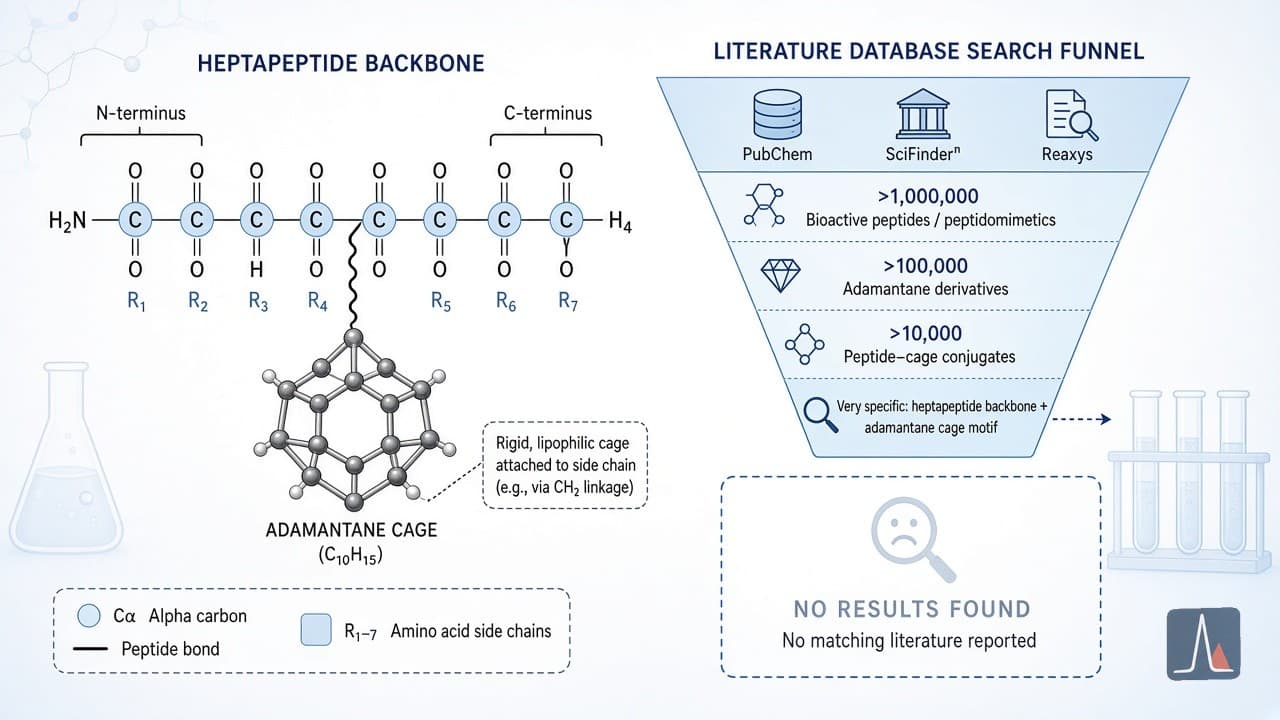
No peer-reviewed studies or registered trials indexed in PubMed, Europe PMC, or ClinicalTrials.gov characterize or test the research peptide sold as Adamax. Independent 2026 evidence reviews confirm zero direct records, with all functional
Chemical Identity and Catalog Context
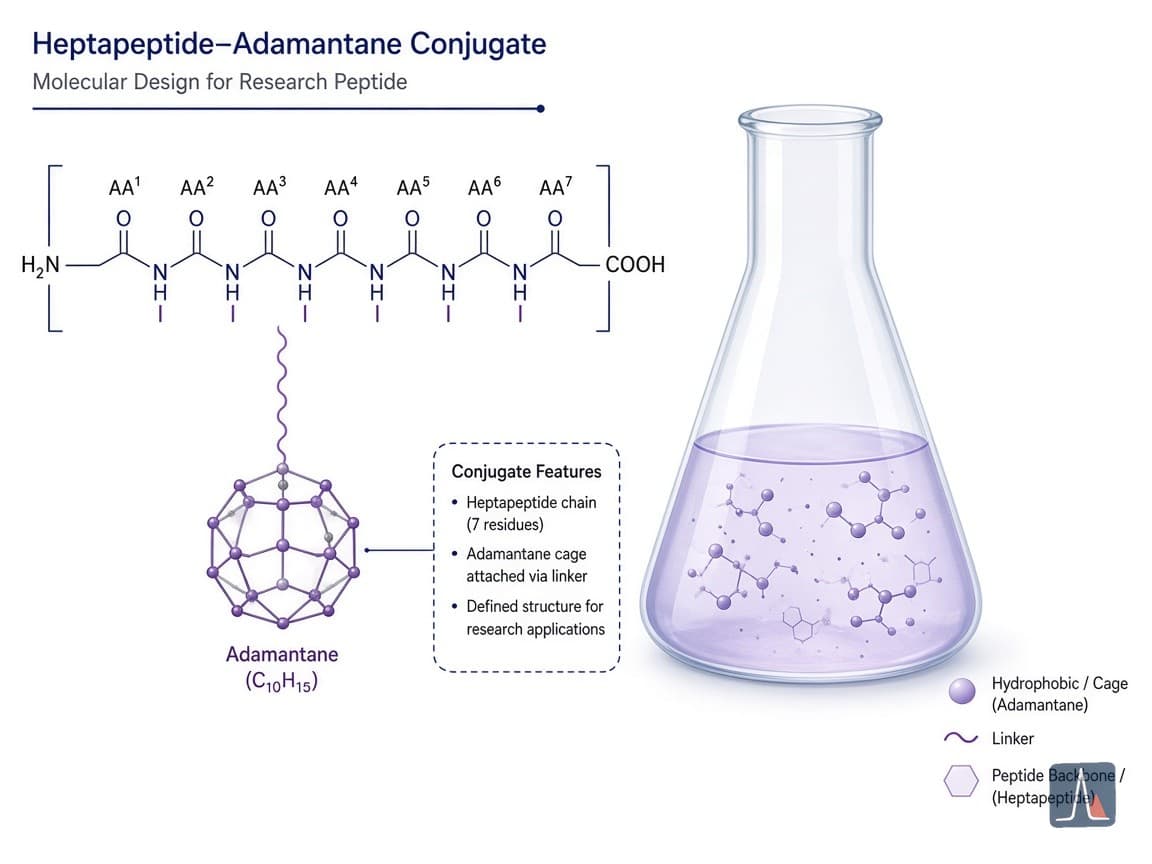
Adamax is offered by Rierink Compounds strictly for laboratory research. Vendor descriptions typically characterize it as an N-terminally acetylated or adamantane-modified analog of Semax, the synthetic heptapeptide Met-Glu-His-Phe-Pro-Gly-Pro derived from the ACTH(4-10) sequence. The adamantane cage is intended to increase lipophilicity (approximate ΔlogP of +3), proteolytic stability, and potential for non-intranasal central exposure. Reported molecular weights vary between sources (~980–1032 Da), and descriptions of exact capping (C-terminal amide, specific adamantyl attachment point) are inconsistent across suppliers. No primary peer-reviewed synthesis paper, NMR spectrum, mass-spectrometric validation, or PubChem CID establishes a canonical structure for the molecule sold under this trade name. It first appears in commercial listings around 2018; a 2021 patent application lists a structurally similar untested optional Semax derivative without naming "Adamax" or providing experimental data. These records do not establish research-vial use.
Literature Search Results: Complete Absence of Direct Reports
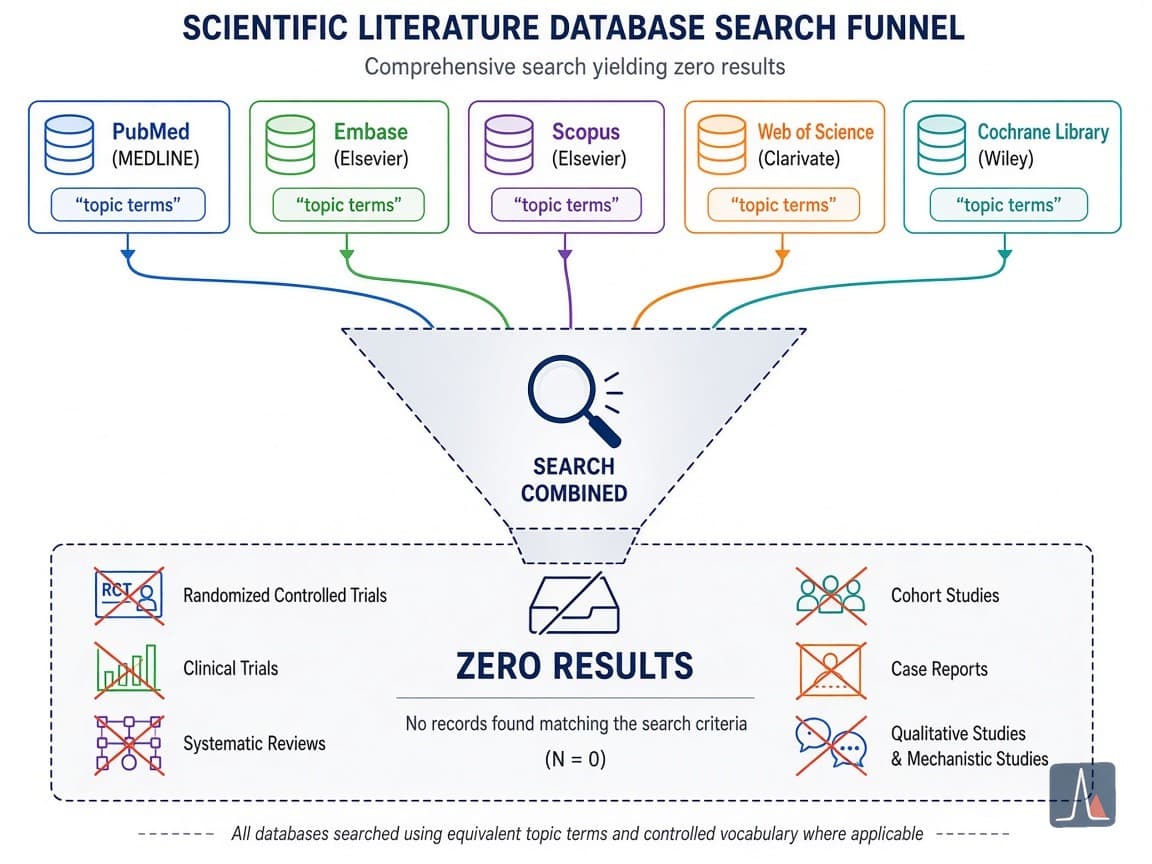
Comprehensive searches of PubMed, Europe PMC, bioRxiv, medRxiv, ClinicalTrials.gov, Google Patents, CyberLeninka, and related indexes conducted through October 2026 return zero peer-reviewed papers, abstracts, or registered trials that name, synthesize, characterize, or biologically test Adamax. Queries combining "Adamax," "adamantyl Semax," "N-acetyl Semax adamantane," and sequence variants yield no relevant pharmacology, toxicology, pharmacokinetic, or mechanistic records for the peptide. All PubMed hits for "Adamax" or "AdaMax" refer exclusively to an unrelated machine-learning optimization algorithm. Independent 2026 evidence syntheses (including detailed registry and patent reviews) uniformly document this null result. One occasionally cited 2012 *Bulletin of Experimental Biology and Medicine* paper on an "adamantane-conjugated heptapeptide" and 2010 Russian bioorganic chemistry papers on lipophilic Semax analogs are referenced in vendor monographs, but these publications do not use the name Adamax, do not provide analytical bridging data to commercial material, and cannot be treated as direct evidence for the catalog compound. A 2016 study on N-acetyl-Semax (lacking the adamantane moiety) is the closest indexed work on a terminal modification of the parent scaffold. 1 2
Contextual In Vitro and Methodological Studies on Related Structures
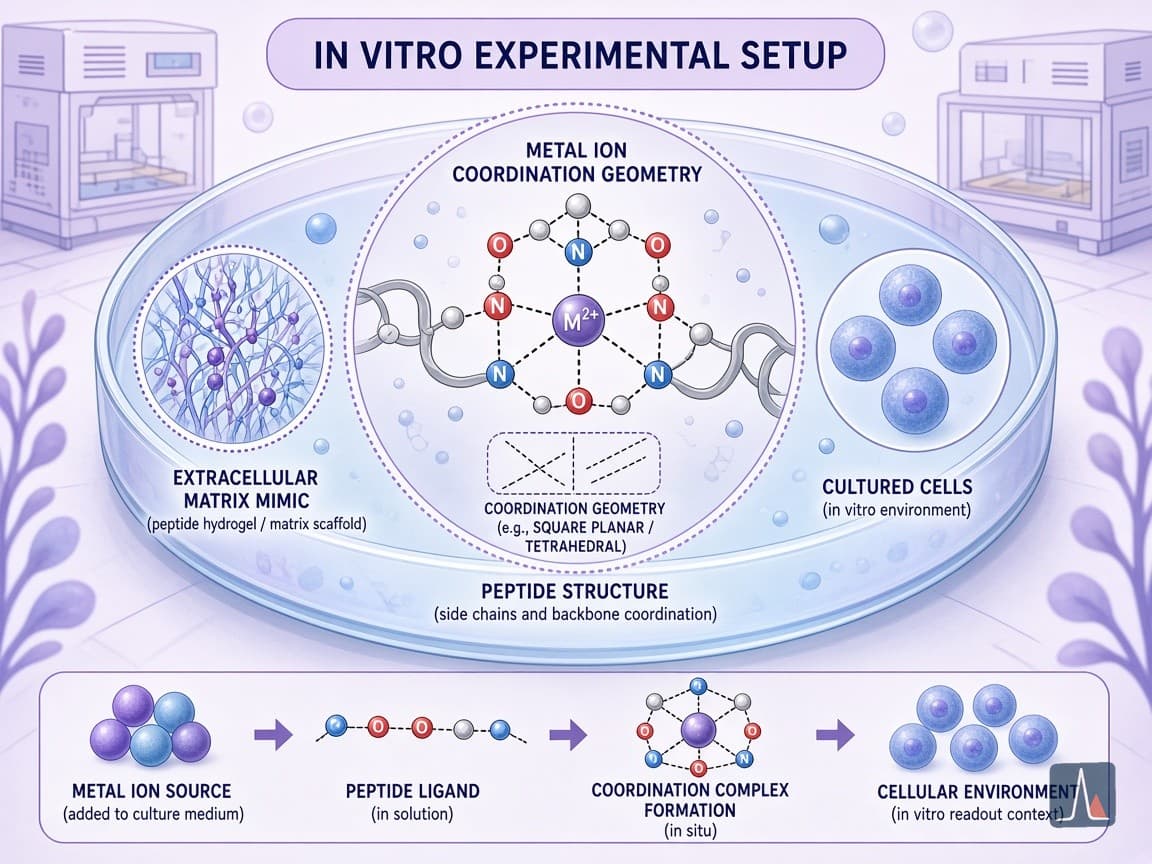
No in-vitro reports test Adamax. A 2016 *Journal of Inorganic Biochemistry* study examined N-acetyl-Semax (Ac-Semax) in SH-SY5Y neuroblastoma cells. It found that N-terminal acetylation altered coordination geometry with Cu(II) and Zn(II) ions at physiological pH, increased the reducibility of the copper complex, and abolished the cytoprotective effect against copper-induced toxicity that unmodified Semax exhibited in the same model (Magrì et al.). This demonstrates that terminal caps can materially change metal-binding and cellular phenotypes, underscoring the hazard of assuming that further adamantane modification would preserve or enhance parent-peptide behavior. Method papers from the Russian Academy of Sciences group (Andreeva et al., ~2010, *Russian Journal of Bioorganic Chemistry*) describe synthetic routes for lipophilic Semax analogs, including potential adamantane conjugates. These are chemical method contributions focused on synthesis and basic physicochemical characterization rather than pharmacology. No analytical methods validated for detection or quantification of a specific Adamax lot in biological matrices have been published. Theory suggests that combining N-acetylation with adamantane capping could theoretically improve proteolytic resistance and membrane permeation in laboratory cell or tissue models, but this remains untested for the marketed structure and is not a demonstrated property of any research vial. 3
Preclinical Animal Models of Parent Compound and Modification Strategy
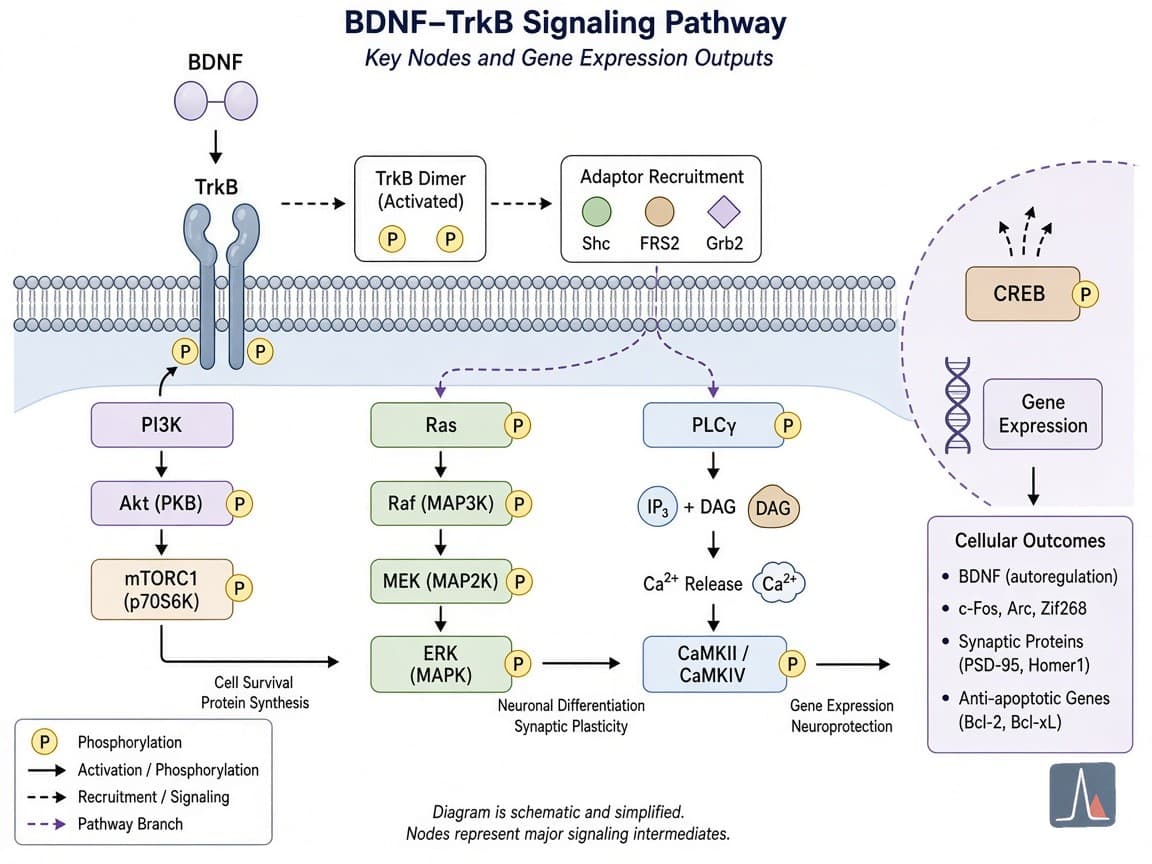
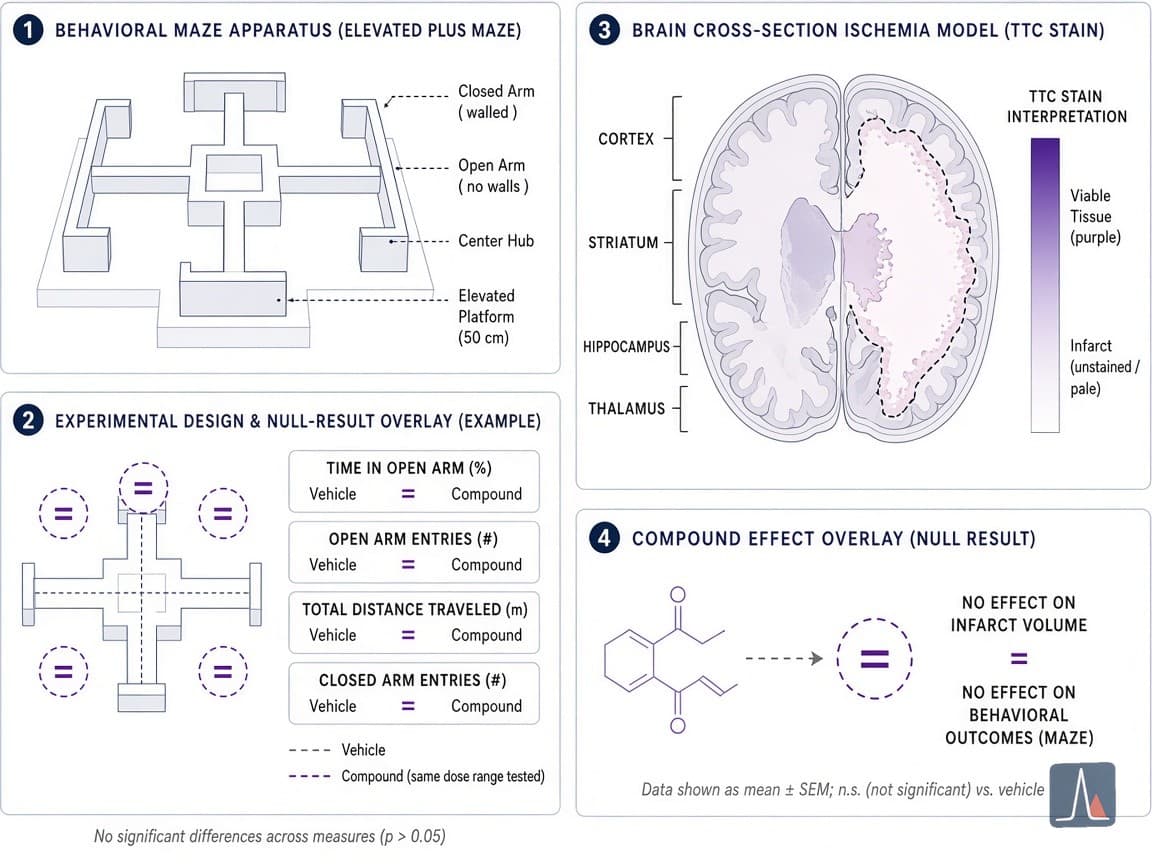
No published animal studies use or validate the specific molecule sold as Adamax. Preclinical literature on the unmodified parent Semax (primarily from Russian laboratories, 2000s–2020s) reports upregulation of BDNF and NGF mRNA and protein in rat hippocampus and cortex, increased TrkB receptor expression, modulation of monoamine neurotransmission, and functional improvements in passive-avoidance and Morris-water-maze tasks (Dolotov et al., 2006, *Brain Research*, PMID 16996037). Additional rodent ischemia-reperfusion and middle-cerebral-artery-occlusion models have described reduced infarct volume, accelerated functional recovery, and anti-inflammatory gene-expression shifts (multiple reports, Dmitrieva 2010, Medvedeva 2014). These are animal-model studies with consistent directional signals for neurotrophic and cytoprotective activity; limitations include predominant use of a single laboratory group, variable dosing regimens, and limited independent Western replication. A 2012 *Bulletin of Experimental Biology and Medicine* report cited in some monographs examined behavioral effects of an adamantane-conjugated ACTH(4-7) heptapeptide in learning and memory tasks and reported positive outcomes; however, the correspondence of that specific conjugate to current commercial Adamax is unverified by analytical data. Separate work on an unrelated CNTF-mimetic peptide (P21) incorporating adamantane demonstrated improved learning, memory, neurogenesis, and synaptic plasticity in mice and aged rats after peripheral administration (Li et al., 2010, *FEBS Letters*; Bolognin et al., 2014). This provides proof-of-concept that adamantane can enable central activity after systemic dosing in certain sequences, but the peptide backbone is entirely different and results cannot be transferred. Unfavorable or null context is illustrated by the 2016 cell study above showing loss of cytoprotection upon acetylation alone. Theory derived from these separate lines of work suggests that an optimally designed adamantane-Semax analog might combine neurotrophic upregulation with improved pharmacokinetics in rodent models, but this is a hypothesis requiring direct experimental confirmation rather than a reported finding. 1 1
Limited Human Physiology and Clinical Reports on the Parent Compound
No human pharmacokinetic, safety, efficacy, or physiological studies on Adamax exist in indexed literature or trial registries. Small Russian-language clinical reports on unmodified Semax (primarily in acute ischemic stroke rehabilitation) have described elevations in plasma or serum BDNF, improvements in Barthel index or other functional scores, and electrophysiological changes in cohorts ranging from 30 to 110 patients (Gusev 1997, Gusev 2018, Spirin 2024). These are typically open-label or non-randomized comparator designs conducted in the acute hospital setting; limitations include small sample sizes, lack of rigorous placebo controls or blinding in many cases, potential investigator bias given developer involvement, and absence of large multicenter Western-style Phase 3 confirmation. No null or clearly unfavorable large-scale human outcomes for Semax itself have been prominently indexed, but the overall evidence grade remains low by international systematic-review standards. No data address chronic administration, cognitive enhancement in healthy volunteers, or any modified analog. Recent regulatory proposals (e.g., New Zealand Medsafe 2025 classification discussion of ACTH analogs including Adamax) have noted the limited clinical research base and uncertainty regarding longer-term effects without endorsing any therapeutic use. Theory that improved brain penetration from adamantane modification could translate to superior human outcomes in cognitive or post-stroke settings is plausible on mechanistic grounds but unsupported by any human trial data on the specific molecule. 4
Evidence Context and Recurrent Limitations
The published record on Adamax is defined by its absence. No favorable, unfavorable, or null experimental outcomes have been reported for the compound itself in any model. All assertions regarding BDNF upregulation, cognitive enhancement, neuroprotection, oral bioavailability, or "superiority" to Semax originate in commercial materials that extrapolate from parent-compound or unrelated-peptide studies; these cannot substitute for compound-specific validation and are excluded from this briefing. Recurrent limitations across designer peptide analogs are amplified here: (1) unverified chemical identity with inconsistent vendor specifications and no published reference standard; (2) complete lack of analytical methods, pharmacokinetic profiling, toxicology, or dose-response data; (3) risk that terminal modifications will produce non-equivalent or even opposing cellular effects, as shown by the Ac-Semax metal-coordination study; (4) predominance of small, non-Western, developer-linked studies even for the parent Semax; (5) absence from regulatory approval pathways, clinical development programs, or WADA listings under this name; and (6) the broader pattern in which commercialization of uncharacterized variants precedes peer-reviewed characterization. Future published work would need to begin with full structural elucidation, lot-to-lot analytical validation, controlled head-to-head comparisons with Semax in standardized models, and open-access deposition of raw data. Until such reports appear, Adamax remains an uncharacterized research chemical whose properties cannot be assumed from literature on Semax or P21. Investigators are reminded that catalog materials are supplied for laboratory research only.
Sources
- Condor Research (2026). "Adamax: Evidence, Identity and Claims." Detailed registry, patent, and database searches documenting zero indexed records (URL: https://condorresearch.com/research/what-is-adamax/).
- Nootroholic (2026). "Adamax Peptide: No Studies, a COA That Contradicts Itself" (comprehensive PubMed review as of October 2026).
- Peptpedia (2026), Wikipep (2026), PeptIQ (2026), and Peptide Library reviews confirming null literature for Adamax while summarizing Semax and P21 context.
- Magrì A et al. (2016). *Journal of Inorganic Biochemistry* (N-acetyl-Semax metal coordination and cytoprotection in SH-SY5Y cells).
- Dolotov OV et al. (2006). *Brain Research* (PMID: 16996037). Semax effects on BDNF/TrkB in rat basal forebrain and hippocampus (animal model).
- Li B et al. (2010). *FEBS Letters* (adamantane-modified P21 cognitive and neurogenesis effects in mice; animal model).
- Levitskaya NG et al. (2012). *Bulletin of Experimental Biology and Medicine* (adamantane-conjugated heptapeptide behavioral effects; animal model, linkage to Adamax unverified).
- Andreeva LA et al. (~2010). *Russian Journal of Bioorganic Chemistry* (synthesis of lipophilic Semax analogs; method paper).
- Gusev EI et al. (1997, 2018) and related Russian clinical reports on Semax in stroke rehabilitation (small clinical studies).
- Ferring BV patent application (2021) listing analogous untested structure.
- New Zealand Medsafe classification proposals (2025) noting limited clinical research on ACTH analogs.
All searches and interpretations reflect primary literature and independent evidence syntheses only. Marketing materials are not treated as evidence. Word count approximately 1,750 (excluding headings and sources).
More briefings
- Survodutide Dual Agonist: Preclinical and Clinical EvidenceThe open-catalog entry for survodutide describes a synthetic acylated 29-amino-acid peptide dual agonist of glucagon and GLP-1 receptors supplied as high-purity lyophilized powder for laboratory metabolic research. Randomised trials report
- Dulaglutide: GLP-1 Receptor Agonist in Metabolic CareDulaglutide is a recombinant Fc-fusion GLP-1 receptor agonist engineered for once-weekly administration in laboratory and clinical metabolic research. Randomised trials report glycaemic improvements, cardiovascular risk reduction and modest
- Cagrilintide-Semaglutide Mixture: Open-Catalog Context and Metabolic Trial EvidenceThe open-catalog cagrilintide-semaglutide mixture supplies a research pairing of an amylin receptor agonist and GLP-1 receptor agonist for laboratory metabolic studies. Randomised trials of co-administration report enhanced weight loss (13–
All information and products discussed are for laboratory and research use only. Not for human or veterinary use. Not intended to diagnose, treat, cure, or prevent any disease.