
22 October 2026
FOXO4-DRI in published senescent-cell reports
Download PDF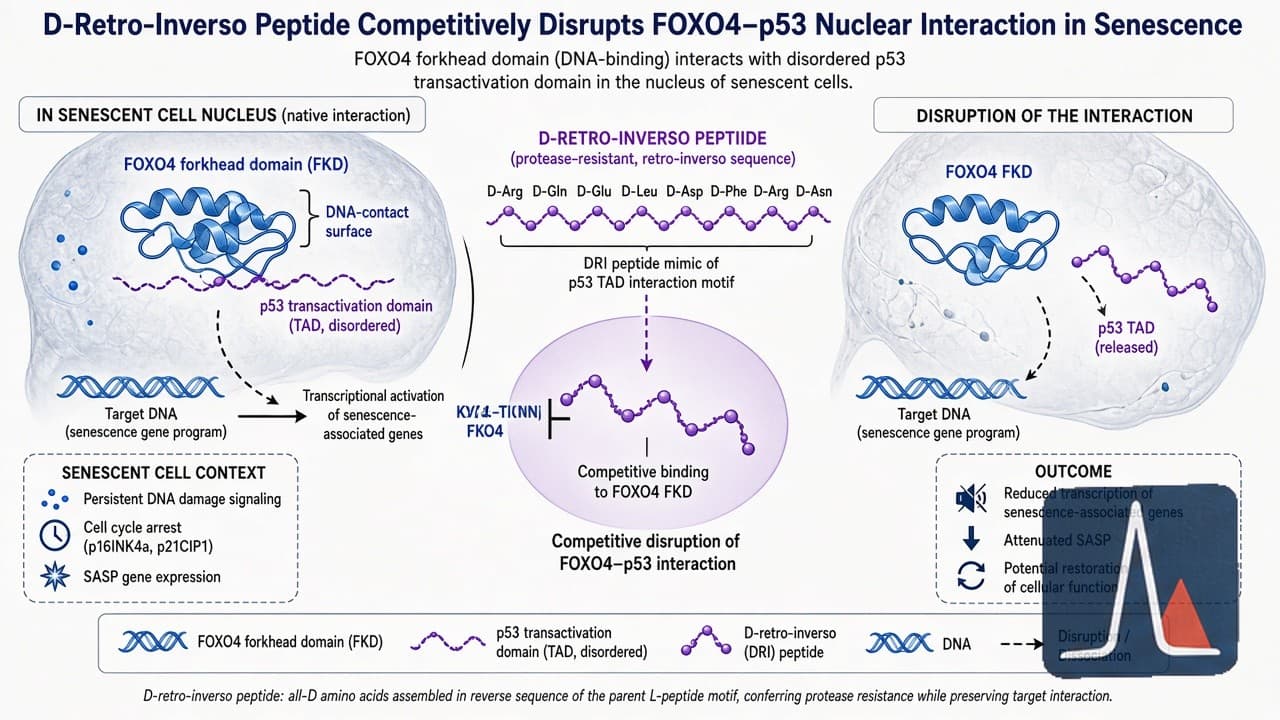
Indexed cell and animal papers describe FOXO4-DRI as a designed D-retro-inverso peptide that interferes with the FOXO4–p53 interaction, and those records do not establish research-vial use.
FOXO4-DRI in published senescent-cell reports
Indexed cell and animal papers describe FOXO4-DRI as a designed D-retro-inverso peptide that interferes with the FOXO4–p53 interaction, promoting p53 nuclear exclusion and selective apoptosis in senescent cells. Those records do not establish research-vial use. FOXO4-DRI is for laboratory research only.
Chemical Identity and Catalog Context
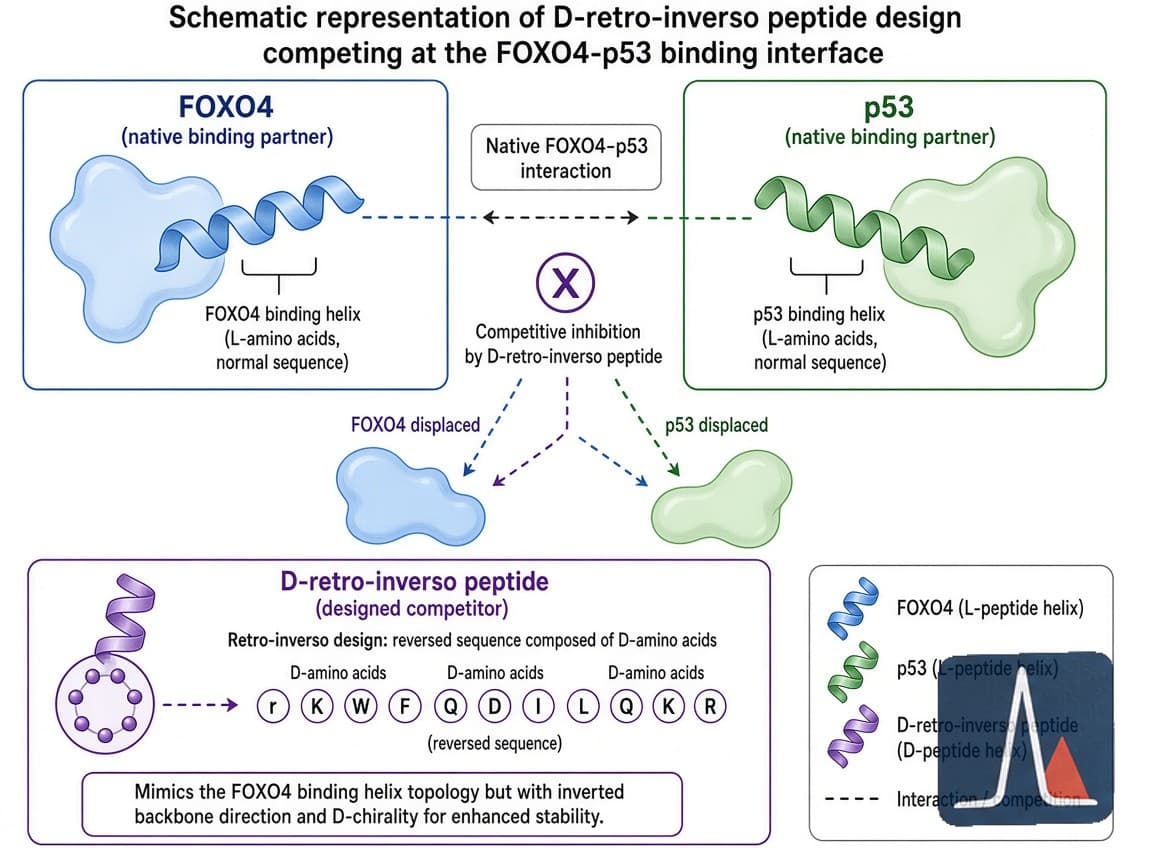
FOXO4-DRI is a synthetic cell-penetrating peptide based on a segment of the human FOXO4 forkhead domain, synthesized in the D-retro-inverso configuration for protease resistance and fused to a TAT-derived sequence for cellular uptake. It was rationally designed as a competitive inhibitor of the FOXO4–p53 nuclear interaction that helps sustain viability of senescent cells. In the Rierink catalog it is supplied strictly as a research chemical for controlled laboratory experiments in cell-culture senescence models and preclinical systems. Materials on this site are for laboratory research only. They are not medicines.
Foundational 2017 Preclinical Report (in_vitro human fibroblasts and animal models)
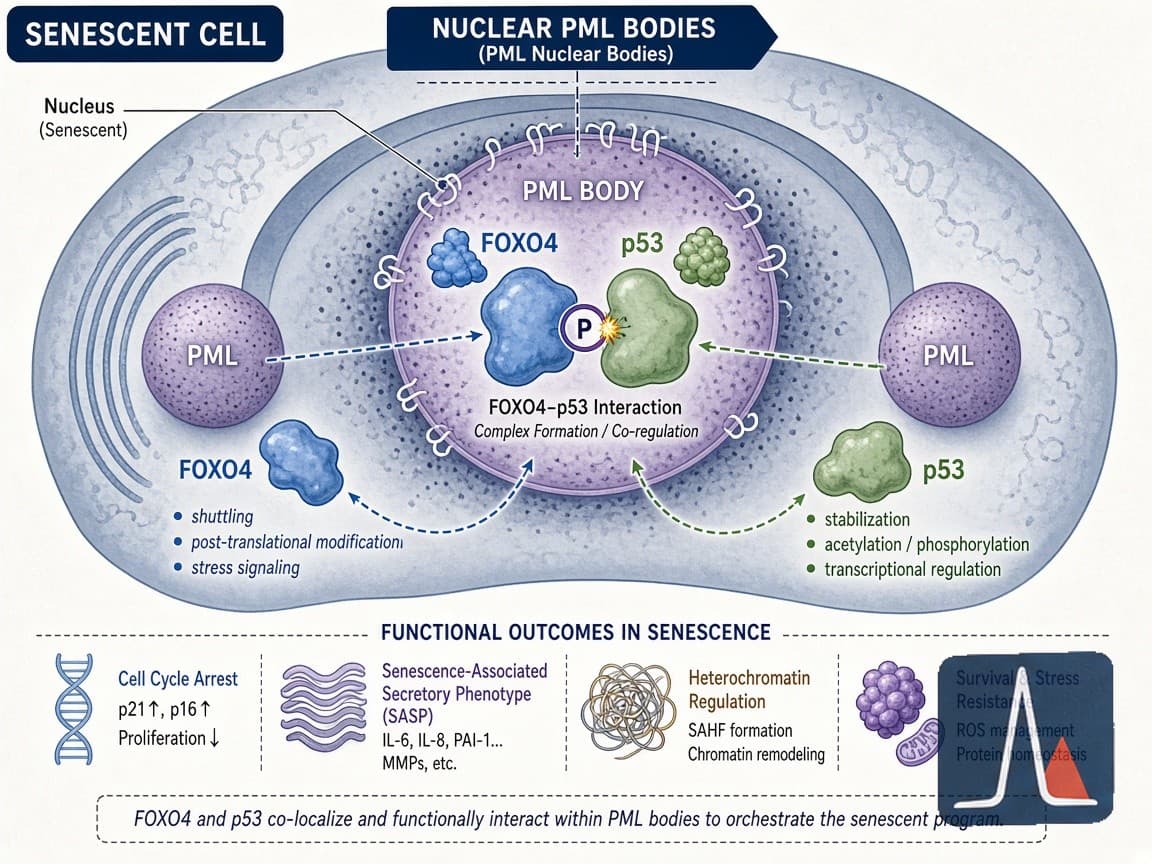
The landmark 2017 *Cell* paper (Baar et al.) identified FOXO4 as a viability factor in senescent cells through its interaction with p53 in PML bodies and DNA-SCARS. Researchers designed FOXO4-DRI to competitively disrupt this binding. In cultured human IMR90 lung fibroblasts rendered senescent by ionizing radiation, replicative exhaustion, hydrogen peroxide or doxorubicin, the peptide caused p53 nuclear exclusion, mitochondrial translocation, caspase-3/7 activation and selective apoptosis (reported ~11.7- to 12-fold selectivity versus proliferating controls). In three mouse models—doxorubicin chemotoxicity, XpdTTD/TTD accelerated aging, and naturally aged animals—intermittent systemic administration was associated with reduced senescence burden, mitigation of chemotoxicity effects, improved fitness, fur density and renal function markers. Limitation: These are controlled cell-culture viability and rodent-model observations only; findings are specific to the experimental systems, induction methods, short-term regimens and endpoints used. Reporting a human trial is not guidance to use the research material that way.
Leydig-Cell Senescence and Reproductive-Aging Models (in_vitro and animal, 2020–2024)
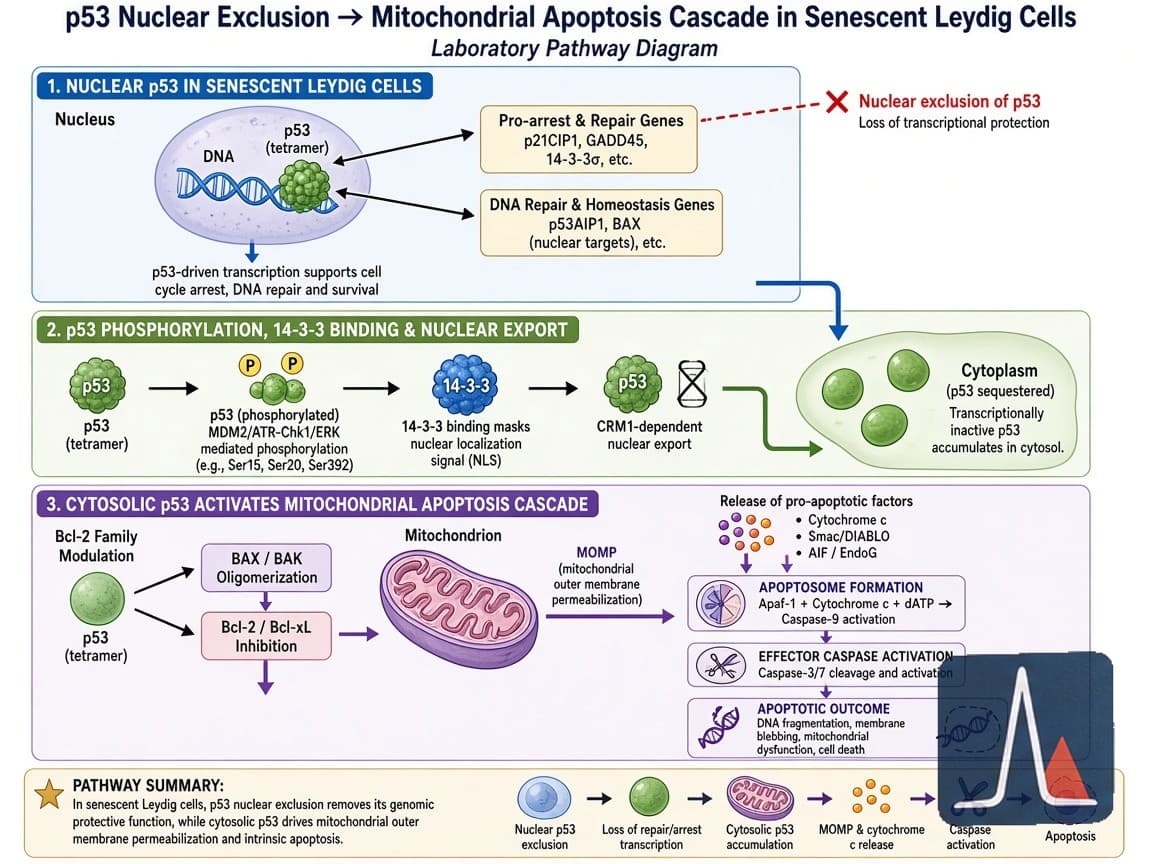
A 2020 *Aging (Albany NY)* paper and 2024 *Experimental Gerontology* follow-up examined hydrogen-peroxide-induced senescent mouse TM3 Leydig cells in culture and naturally aged male mice. The reports stated that nuclear FOXO4 localization increases with age in human Leydig cells and that FOXO4-DRI induced p53 nuclear exclusion and apoptosis selectively in senescent Leydig cells while reducing selected SASP components. In aged mice, treatment was linked to improved testicular microenvironment, elevated circulating testosterone, better spermatogenesis measures and sperm quality. Limitation: These are cell-line and rodent endocrine-aging model reports only; human physiological translation and long-term outcomes were not tested.
Human Chondrocyte In Vitro Expansion Model (in_vitro, 2021)
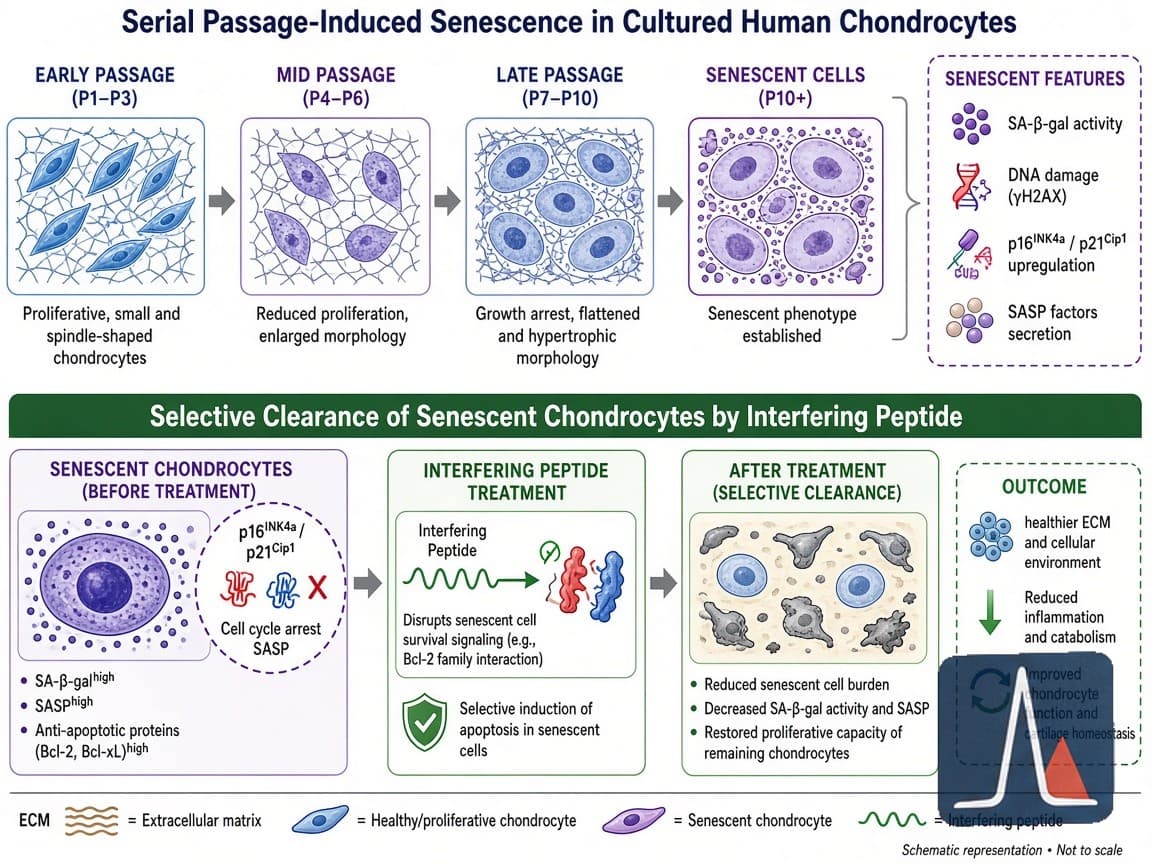
A 2021 *Frontiers in Bioengineering and Biotechnology* paper tested FOXO4-DRI on serially passaged primary human articular chondrocytes. In late-passage (PDL9, senescent-enriched) cultures versus minimally expanded (PDL3) controls, the peptide reportedly reduced senescent-cell numbers by more than 50 % in one assay, lowered senescence-associated β-galactosidase staining, p16/p21 markers and SASP factor expression in subsequent 3D pellet cultures. Chondrogenic differentiation potential was not substantially enhanced. Limitation: This is an entirely in-vitro laboratory experiment on cultured human cells prepared for potential autologous implantation research; no animal or clinical cartilage-repair outcomes were reported.
Structural and Mechanistic Characterization (method/biophysical, 2025)
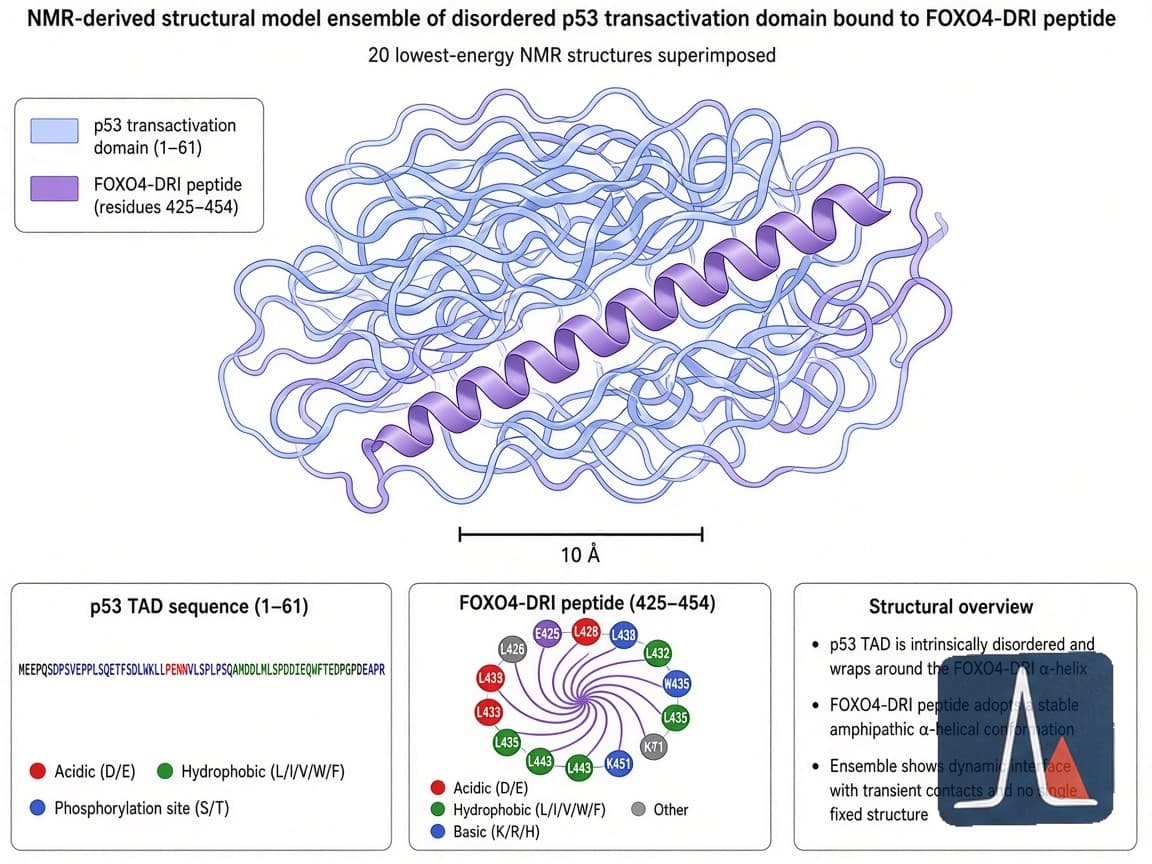
A 2025 *Nature Communications* paper used solution-state NMR spectroscopy to solve structures of the disordered p53 transactivation domain (primarily TAD2) in complex with the FOXO4 forkhead domain and with FOXO4-DRI. The report stated that the D-retro-inverso peptide binds the same p53 region as native FOXO4, forms a transiently folded complex in which both the FOXO4-derived sequence and the cationic cell-penetrating portion contribute, and that p53 phosphorylation increases affinity for both partners. This biophysical/methods paper clarifies the molecular basis of the original 2017 observation but presents no new cellular senescence or in-vivo functional data. Limitation: Isolated-protein structural biology; cellular context and organism-level effects derive from prior preclinical literature.
Additional Preclinical Models (in_vitro, animal, 2022–2026)
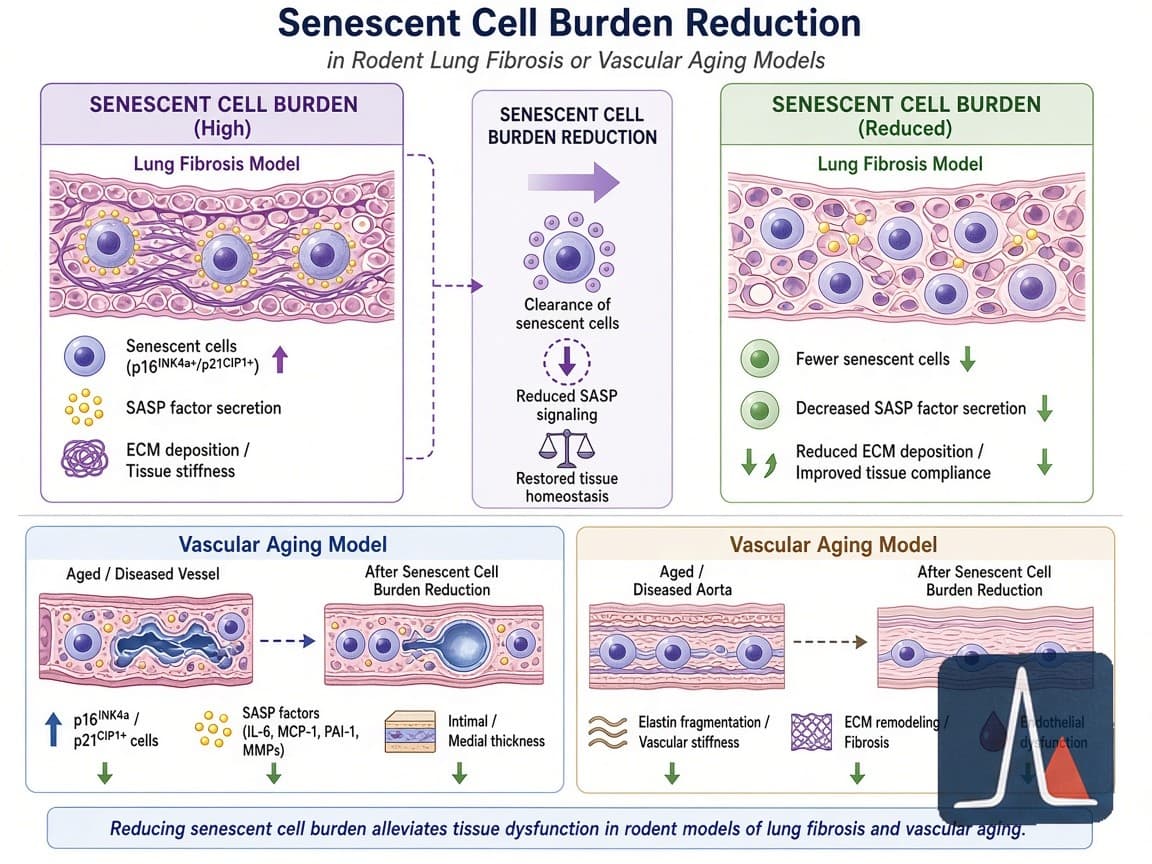
Indexed reports from 2022–2026 applied FOXO4-DRI in bleomycin-induced pulmonary-fibrosis mice (reduced myofibroblast burden, extracellular-matrix deposition, SASP and histologic fibrosis severity), oxygen-glucose-deprivation-stressed human endothelial cells and aged/progeroid mice (reported p53-pathway apoptosis, lowered vascular senescence markers and improved aortic function), and keloid-derived senescent fibroblasts or organ cultures (p53-pS15 nuclear exclusion and apoptosis induction). One 2023 *Circulation* rodent study noted that senescent-cell elimination, including approaches using this peptide, can worsen hemodynamics in certain pulmonary-hypertension models, illustrating context dependence. All remain cell-culture, explant or mouse-model observations. Limitation: Model-specific findings; net benefit or risk of senescent-cell clearance varies by tissue, disease state and timing.
Summary of Evidence and Research Context
The peer-reviewed indexed literature on FOXO4-DRI consists of mechanistic in-vitro senescence assays, targeted rodent aging or injury models, one high-resolution structural paper and several secondary reviews. No human clinical trials administering FOXO4-DRI were identified in PubMed or ClinicalTrials.gov records through 2026. Each summarized report is a laboratory finding tied to its specific experimental system, induction method and readout; none constitutes a clinical outcome or supplies any basis for inferring safety, dosing, identity or efficacy of research-grade material outside tightly controlled laboratory protocols. Preclinical success in selected mouse phenotypes does not predict human outcomes, and context-dependent adverse signals appear in some models. These briefings are for qualified researchers evaluating primary literature; the compound remains strictly for laboratory research only.
Sources
- Baar MP et al. Targeted Apoptosis of Senescent Cells Restores Tissue Homeostasis in Response to Chemotoxicity and Aging. *Cell*. 2017. DOI: 10.1016/j.cell.2017.02.031 (PMID: 28340339).
- Zhang C et al. FOXO4-DRI alleviates age-related testosterone secretion insufficiency by targeting senescent Leydig cells in aged mice. *Aging (Albany NY)*. 2020. DOI: 10.18632/aging.102682 (PMID: 31959736; PMCID: PMC7053614).
- Huang Y et al. Senolytic Peptide FOXO4-DRI Selectively Removes Senescent Cells From in vitro Expanded Human Chondrocytes. *Front Bioeng Biotechnol*. 2021. DOI: 10.3389/fbioe.2021.677576 (PMID: 33996787).
- Bourgeois B et al. The disordered p53 transactivation domain is the target of FOXO4 and the senolytic compound FOXO4-DRI. *Nat Commun*. 2025. DOI: 10.1038/s41467-025-60844-9 (PMID: 40593617; PMCID: PMC12216184).
- Li Y et al. FOXO4-DRI improves spermatogenesis in aged mice through reducing senescence-associated secretory phenotype secretion from Leydig cells. *Exp Gerontol*. 2024. DOI: 10.1016/j.exger.2024.112522 (PMID: 39025385).
- Additional indexed reports: Kong et al. (*Commun Biol* 2025, keloid model, PMID: 39994346); Hu et al. (endothelial/vascular senescence, *Front Bioeng Biotechnol* ~2026); Born et al. (*Circulation* 2023, pulmonary hypertension context); reviews in *Naunyn Schmiedebergs Arch Pharmacol* (2026) and *Antioxidants* (2026).
All sources were accessed via PubMed, Europe PMC or journal sites. Full texts were reviewed for study type, model details, reported outcomes and limitations. No commercial vendor claims or forum discussions were used.
More briefings
- Survodutide Dual Agonist: Preclinical and Clinical EvidenceThe open-catalog entry for survodutide describes a synthetic acylated 29-amino-acid peptide dual agonist of glucagon and GLP-1 receptors supplied as high-purity lyophilized powder for laboratory metabolic research. Randomised trials report
- Dulaglutide: GLP-1 Receptor Agonist in Metabolic CareDulaglutide is a recombinant Fc-fusion GLP-1 receptor agonist engineered for once-weekly administration in laboratory and clinical metabolic research. Randomised trials report glycaemic improvements, cardiovascular risk reduction and modest
- Cagrilintide-Semaglutide Mixture: Open-Catalog Context and Metabolic Trial EvidenceThe open-catalog cagrilintide-semaglutide mixture supplies a research pairing of an amylin receptor agonist and GLP-1 receptor agonist for laboratory metabolic studies. Randomised trials of co-administration report enhanced weight loss (13–
All information and products discussed are for laboratory and research use only. Not for human or veterinary use. Not intended to diagnose, treat, cure, or prevent any disease.