
3 November 2026
Favorable and unfavorable findings on L-carnitine
Download PDF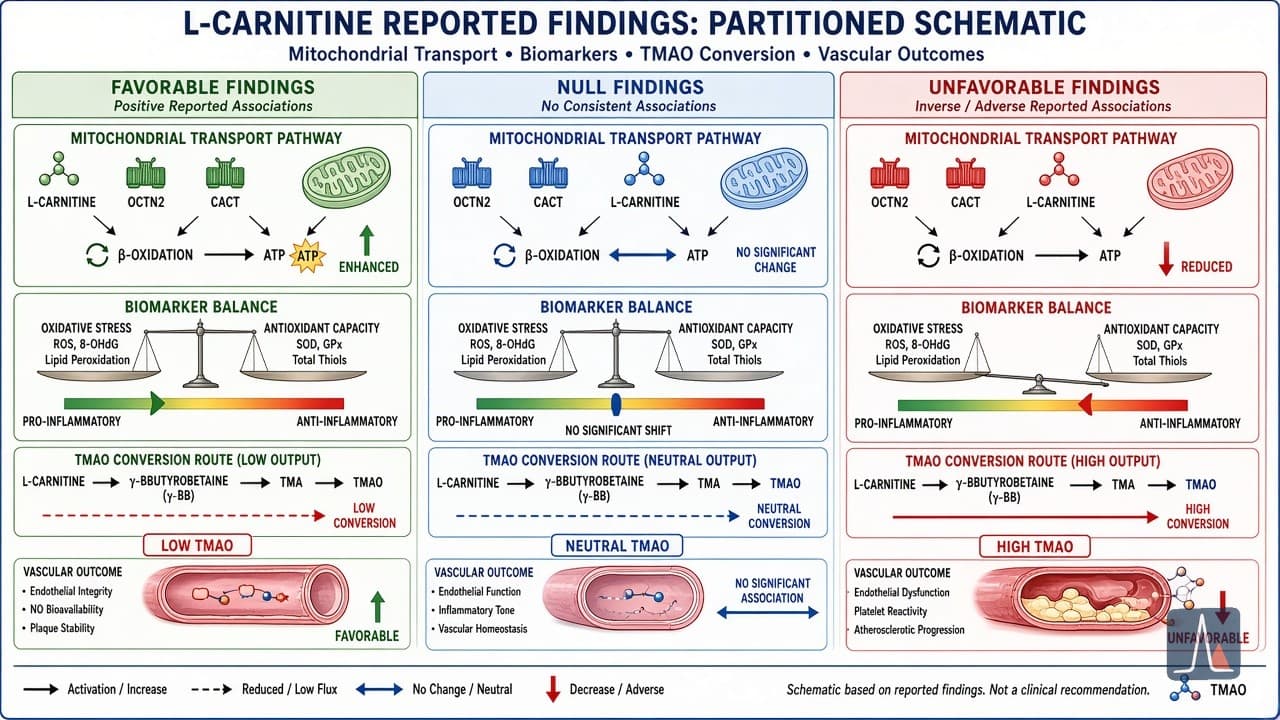
Published meta-analyses of randomised controlled trials report modest reductions in body weight, BMI, fat mass, selected lipids, glycaemic markers, and post-exercise lactate with L-carnitine supplementation in overweight, obese, or diabetic
Chemical Identity and Catalog Context
L-carnitine (C7H15NO3, CAS 541-15-1, (R)-3-hydroxy-4-(trimethylammonio)butanoate) is a quaternary ammonium compound synthesised endogenously from lysine and methionine and obtained from dietary sources, particularly red meat. It serves as a carrier for long-chain fatty acids across the inner mitochondrial membrane for β-oxidation and energy production. In laboratory research, it is tracked as a single, chemically defined compound supplied as high-purity lyophilized material for investigation of mitochondrial bioenergetics, substrate metabolism, oxidative stress, and related pathways. Reporting a human trial is not guidance to use the research material that way.
Foundational Mechanistic and In Vitro Evidence
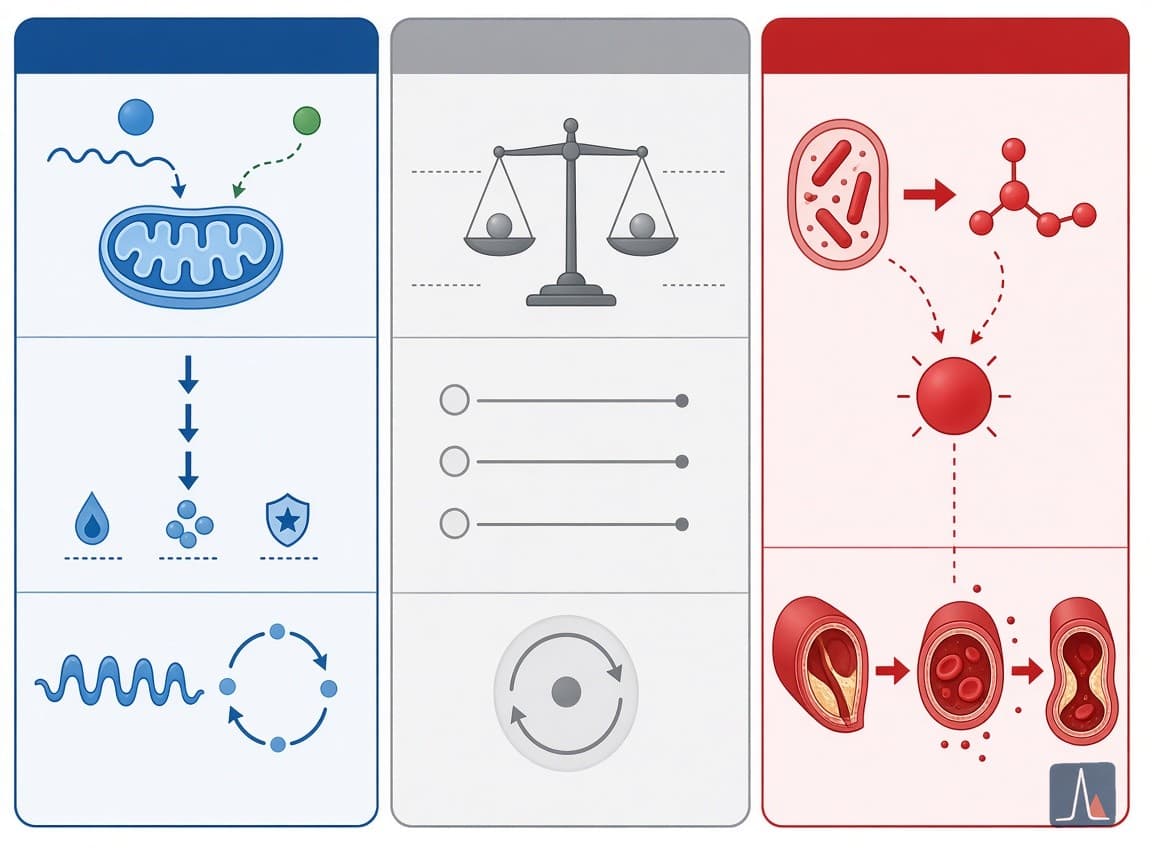
In vitro studies demonstrate that L-carnitine facilitates carnitine palmitoyltransferase (CPT1/CPT2)-mediated fatty acid shuttling into mitochondria, supporting β-oxidation, reducing acyl-CoA accumulation, and modulating acetyl-CoA/CoA ratios. Method papers describe its role in buffering acetyl groups and mitigating oxidative stress in isolated mitochondria and cell lines. These mechanisms underpin hypotheses for metabolic, exercise, and cardioprotective effects. Animal models of obesity, ischemia-reperfusion, and neurotoxicity have reported improved energy metabolism, reduced lipid peroxidation, and preserved mitochondrial function, though translation to humans is theoretical.
Favorable Metabolic, Anthropometric, and Glycaemic Findings
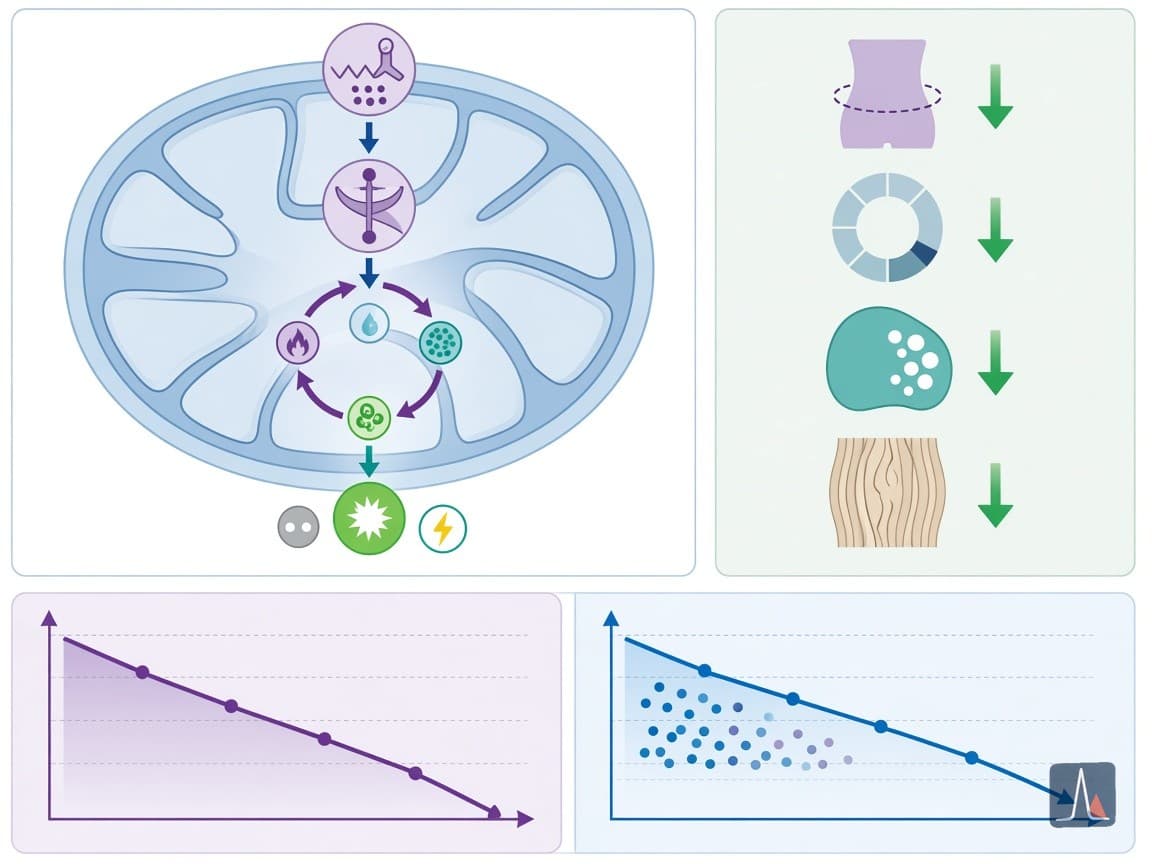
Multiple systematic reviews and meta-analyses of randomised controlled trials have reported modest favorable effects. A 2020 meta-analysis of 37 RCTs (n=2292) found L-carnitine supplementation significantly reduced body weight (WMD −1.21 kg), BMI (−0.24 kg/m²), and fat mass (−2.08 kg), with effects most pronounced in adults with overweight or obesity; a non-linear dose-response suggested maximum benefit near 2000 mg/day. Similar 2020 and 2024 metas of 21–43 RCTs in participants with type 2 diabetes or impaired glucose tolerance reported reductions in triglycerides (−9 to −13.5 mg/dL), LDL-C (−7.7 to −12.7 mg/dL), fasting blood glucose (−6.2 mg/dL), HbA1c (−0.16 to −0.37%), HOMA-IR (−0.72), CRP, TNF-α, weight, BMI, and leptin. An umbrella meta-analysis confirmed improvements in total cholesterol, triglycerides, LDL-C, and HDL-C, particularly at doses >2 g/day and durations >12 weeks. These clinical and review papers (2019–2026) indicate context-dependent benefits in metabolically compromised populations.
Reported Benefits in Exercise Performance and Recovery
A 2024 systematic review and meta-analysis of 14 studies in trained athletes reported that chronic L-carnitine supplementation significantly lowered post-exercise blood lactate (SMD −0.52 to −0.69) and increased VO2max (MD +2.16 mL/kg/min). Subgroup analyses suggested greater effects with prolonged administration. Additional performance and clinical papers describe reduced muscle damage markers (CK, myoglobin), improved recovery, and gains in muscle mass or physical tolerance in elderly or centenarian cohorts. These findings align with the foundational role in mitochondrial fatty acid transport and lactate clearance under high metabolic demand, though benefits appear more consistent in trained or older individuals than in young healthy subjects performing moderate exercise.
Cardiovascular and Other Clinical Reports
Meta-analyses of randomised trials in heart failure, post-myocardial infarction, and coronary artery disease populations have reported improvements in left ventricular ejection fraction, stroke volume, cardiac output, diastolic parameters (E/A ratio, isovolumic relaxation time), six-minute walk distance, and reductions in BNP/NT-proBNP and left ventricular dimensions. One synthesis of post-MI trials noted reductions in all-cause mortality, ventricular arrhythmias, and angina episodes. Randomised trials in children with dilated cardiomyopathy and patients with pulmonary arterial hypertension-induced right heart failure reported additive improvements in ejection fraction, functional class, and exercise capacity when added to conventional therapy. Acetyl-L-carnitine meta-analyses of randomised trials reported reductions in depressive symptoms (SMD −1.10 vs placebo), with effects comparable to antidepressants and fewer adverse events, particularly in older adults. Some clinical papers also note improved sperm motility, morphology, and concentration in idiopathic male infertility.

Null, Inconsistent, and Context-Dependent Results
Many of the same meta-analyses highlight substantial heterogeneity (I² often 80–98%), modest effect sizes, and subgroup specificity. No consistent reduction in waist circumference or body fat percentage was observed across trials. Effects on anthropometrics were absent or attenuated in patients undergoing hemodialysis. Performance metas show null or inconsistent results for fat oxidation during exercise, moderate-intensity endurance in untrained individuals, and muscle strength gains in healthy older women. Cardiovascular metas report no significant impact on heart failure incidence, myocardial reinfarction, or all-cause mortality in some pooled analyses, contrasting with earlier positive reports. GRADE ratings are frequently low to moderate. Null results predominate in lean, healthy young populations and for certain apolipoproteins or blood pressure endpoints. These clinical, review, and method papers underscore that benefits are not universal and depend on baseline carnitine status, body composition, disease state, dose, duration, and co-interventions.
Unfavorable Findings: TMAO Pathway, Atherosclerotic Signals, and Genetic Evidence
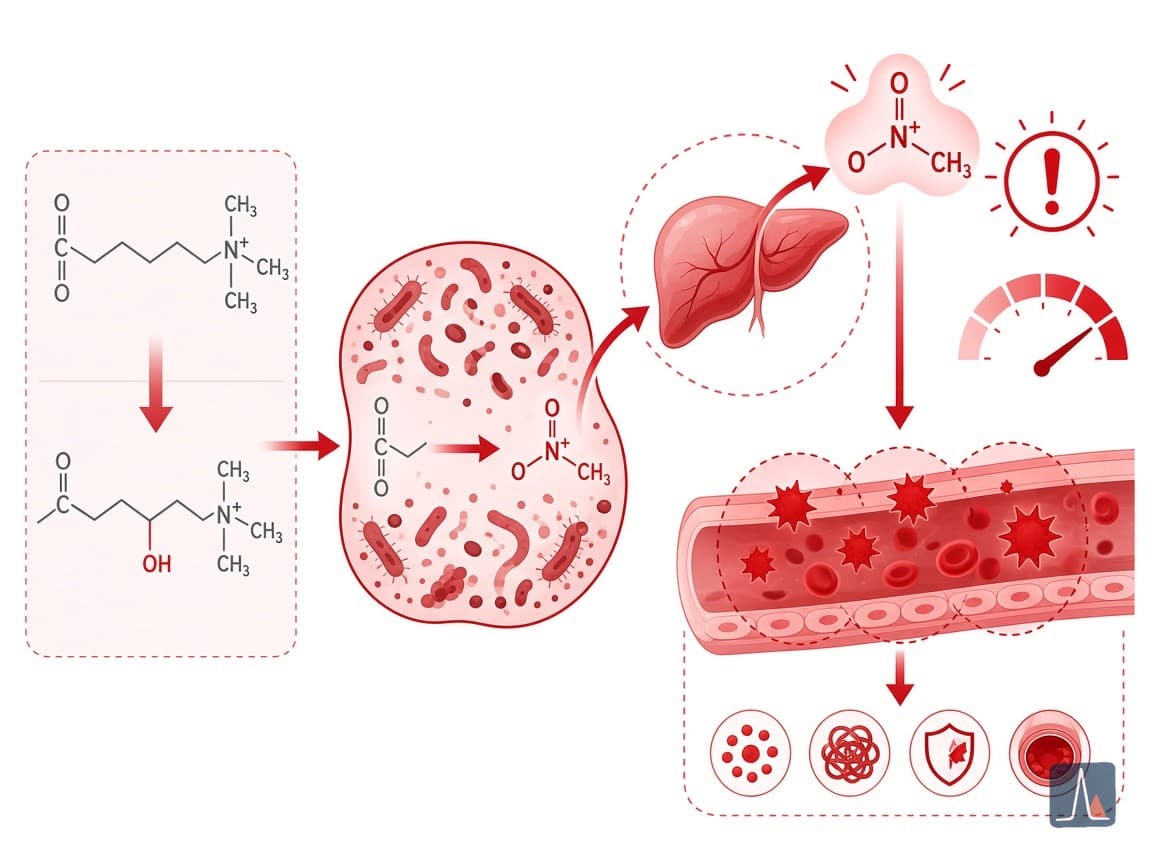
A prominent unfavorable theme is the reproducible elevation of plasma trimethylamine N-oxide (TMAO). Randomised trials and mechanistic studies demonstrate that oral L-carnitine (1–4 g/day) increases circulating TMAO 5- to >10-fold via gut microbiota metabolism of carnitine to trimethylamine (TMA), followed by hepatic flavin-containing monooxygenase 3 (FMO3) oxidation to TMAO. Prospective cohort studies, meta-analyses of observational data, and umbrella reviews link elevated TMAO to higher risks of major adverse cardiovascular events (HR ~1.4–2.0), all-cause mortality (HR ~1.55), hypertension, diabetes progression, and glomerular filtration rate decline, independent of traditional risk factors. Animal models fed carnitine exhibited accelerated atherosclerosis mediated by TMAO. A 2022 randomised trial in patients with metabolic syndrome reported that L-carnitine increased carotid artery stenosis progression (9.3%, p=0.02) and raised total cholesterol and LDL-C compared with placebo, despite no change in total plaque volume. A 2022 Mendelian randomisation study found genetically predicted higher L-carnitine levels nominally associated with increased coronary artery disease risk (OR 1.07 overall, 1.09 in men) and heart failure, with no evidence of benefit and signals of potential harm. These mechanistic, animal, clinical, observational, and genetic papers (2013–2026) raise concerns regarding long-term cardiovascular safety, particularly with chronic supplementation or in individuals with omnivorous microbiomes that produce more TMAO from carnitine precursors.
Evidence Syntheses, Recurrent Limitations, and Catalog Implications
Systematic reviews and umbrella meta-analyses synthesising dozens of trials acknowledge modest surrogate marker improvements in selected diseased or overweight populations while emphasising recurrent limitations: high statistical heterogeneity, short trial durations (often 8–24 weeks), variable bioavailability and microbiome composition, risk of bias in some older studies, and paucity of long-term hard cardiovascular outcome data in healthy individuals. Effects are frequently confined to subgroups with metabolic impairment or carnitine insufficiency; translation to general populations or athletic performance enhancement remains unproven. TMAO elevation is consistently documented yet its causal contribution versus epiphenomenon status continues to be debated. GRADE certainty for many associations is low to moderate. For laboratory researchers, these findings highlight L-carnitine as a valuable tool for studying mitochondrial metabolism, gut–microbiome–host interactions, TMAO biology, and tissue-specific energy homeostasis. The polarized literature—favorable surrogate signals in diseased states, null results in many healthy contexts, and unfavorable TMAO-related mechanistic and genetic data—underscores the need for rigorously controlled, longer-term, microbiome-stratified preclinical and method studies. The catalog entry therefore serves as a neutral reference point for ongoing laboratory investigation rather than any implication of therapeutic utility.
Sources
- Pooyandjoo M et al. (2020). Effects of l-carnitine supplementation on weight loss and body composition: A systematic review and meta-analysis of 37 randomized controlled clinical trials with dose-response analysis. *Clin Nutr ESPEN*. doi:10.1016/j.clnesp.2020.03.008. PMID: 32359762.
- The effects of L-carnitine supplementation on cardiovascular risk factors in participants with impaired glucose tolerance and diabetes: a systematic review and dose–response meta-analysis (2024). *Diabetol Metab Syndr*. doi:10.1186/s13098-024-01415-8. PMID: 39085907.
- The effect of l-carnitine supplementation on lipid profile and glycaemic control in adults with cardiovascular risk factors: A systematic review and meta-analysis of randomized controlled clinical trials (2020). *Clin Nutr*. doi:10.1016/j.clnu.2019.01.020. PMID: 30850271.
- L-carnitine supplementation decreases post-exercise blood lactate levels and enhances aerobic capacity in trained individuals: systematic review and meta-analysis (2024). *Trends Sport Sci*.
- Acetyl-L-Carnitine Supplementation and the Treatment of Depressive Symptoms: A Systematic Review and Meta-Analysis (2018). *Psychosom Med*. doi:10.1097/PSY.0000000000000537. PMID: 29076953.
- l-carnitine, a friend or foe for cardiovascular disease? A Mendelian randomization study (2022). *BMC Med*. doi:10.1186/s12916-022-02477-z.
- Koeth RA et al. (2013). Intestinal microbiota metabolism of L-carnitine, a nutrient in red meat, promotes atherosclerosis. *Nat Med*. doi:10.1038/nm.3145. PMID: 23563705.
- Additional metas and reviews on TMAO, heart failure, and performance outcomes (2013–2026) indexed in PubMed and Europe PMC.
The body of evidence remains context-specific, heterogeneous, and polarized between surrogate benefits in defined populations and mechanistic concerns centered on the microbiota–TMAO axis.
More briefings
- Favorable and unfavorable findings on GlutathioneRandomised trials report that prolonged oral glutathione can increase body stores and reduce certain oxidative stress markers in healthy adults and some patient groups, yet a 2025 meta-analysis of RCTs found no statistically significant ris
- Favorable and unfavorable findings on MelatoninMeta-analyses of randomized controlled trials report reduced sleep onset latency and improved sleep quality scores in select populations such as children or those with comorbidities, with preclinical antioxidant and neuroprotective data, bu
- Favorable and unfavorable findings on SemaglutideRandomised trials and meta-analyses report that semaglutide produces meaningful weight loss, cardiovascular and renal benefits in adults with obesity or type 2 diabetes, but is also associated with high rates of gastrointestinal adverse eve
All information and products discussed are for laboratory and research use only. Not for human or veterinary use. Not intended to diagnose, treat, cure, or prevent any disease.