
3 November 2026
Favorable and unfavorable findings on Glutathione
Download PDF
Randomised trials report that prolonged oral glutathione can increase body stores and reduce certain oxidative stress markers in healthy adults and some patient groups, yet a 2025 meta-analysis of RCTs found no statistically significant ris
Chemical Identity and Catalog Context
Glutathione (GSH, reduced form; γ-L-glutamyl-L-cysteinyl-glycine; C₁₀H₁₇N₃O₆S; CAS 70-18-8) is the primary intracellular thiol antioxidant and redox buffer, present at millimolar concentrations in mammalian cells. It is synthesized in two ATP-dependent steps: glutamate-cysteine ligase (GCL, rate-limiting, often limited by cysteine availability) followed by glutathione synthetase. The oxidized dimer (GSSG) is recycled by glutathione reductase using NADPH. In laboratory research it is supplied as high-purity lyophilized powder for mechanistic, in vitro, and animal studies of oxidative stress, detoxification, xenobiotic conjugation via glutathione S-transferases (GSTs), and redox signaling. Materials on this site are for laboratory research only and are not medicines.
Biochemistry, In Vitro Mechanistic Studies, and Preclinical Models
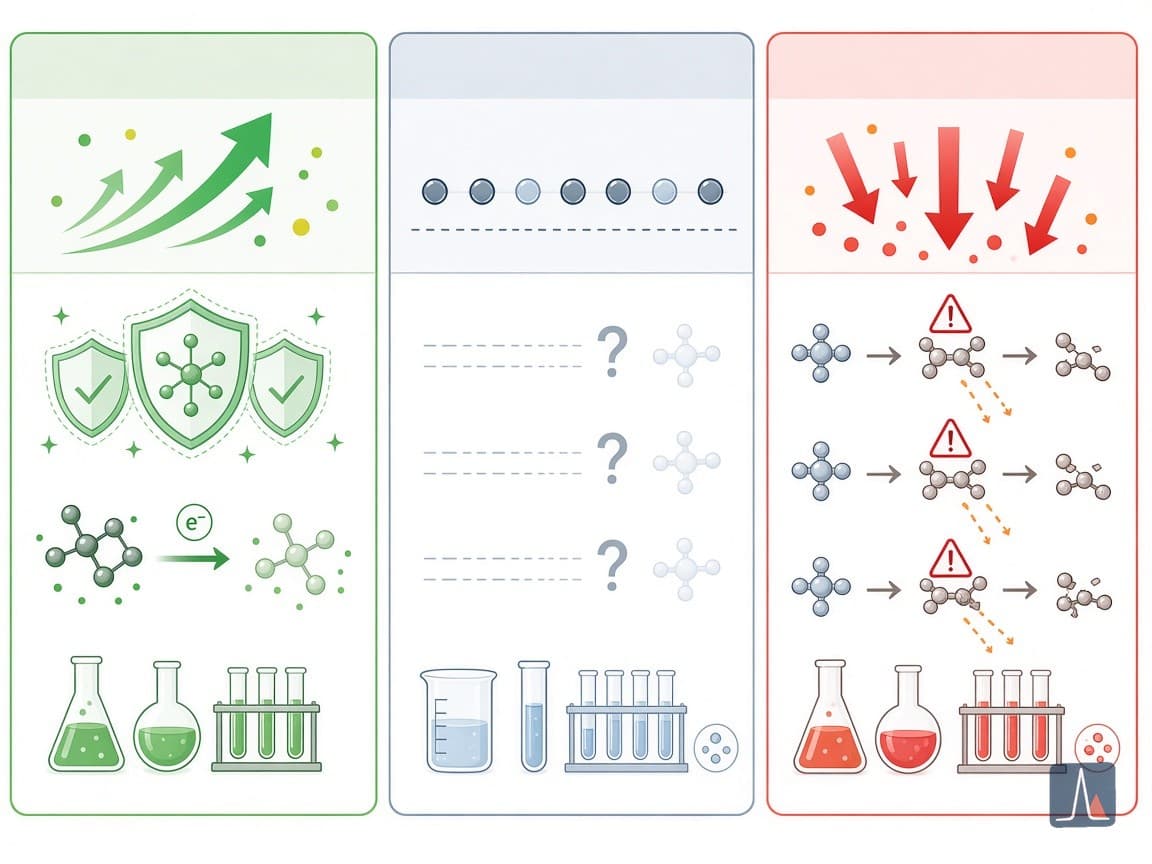
In vitro studies demonstrate that GSH directly scavenges reactive oxygen species (ROS), peroxides, and electrophiles, maintains protein thiols in reduced state, and participates in glutathionylation as a post-translational modification regulating enzyme activity and signaling. Depletion models (buthionine sulfoximine inhibition of GCL) sensitize cells to oxidative injury, while supplementation or precursor addition restores redox balance. Method papers detail sensitive HPLC, enzymatic recycling assays, and mass-spectrometry protocols for compartment-specific GSH/GSSG ratios.
Animal models (rodent liver toxicity, ischemia-reperfusion, Parkinsonian neurotoxin, aging, metabolic syndrome) consistently show that GSH or precursors (N-acetylcysteine, glycine) attenuate oxidative damage, preserve mitochondrial function, reduce inflammation, and improve histologic and functional outcomes in liver, brain, and metabolic tissues. These preclinical data establish biological plausibility for protective roles in oxidative stress states. Theory derived from such models suggests similar mechanisms could operate in people experiencing GSH depletion, but this remains theoretical and is not a demonstrated property of research material.
Favorable Reported Findings in Human Studies
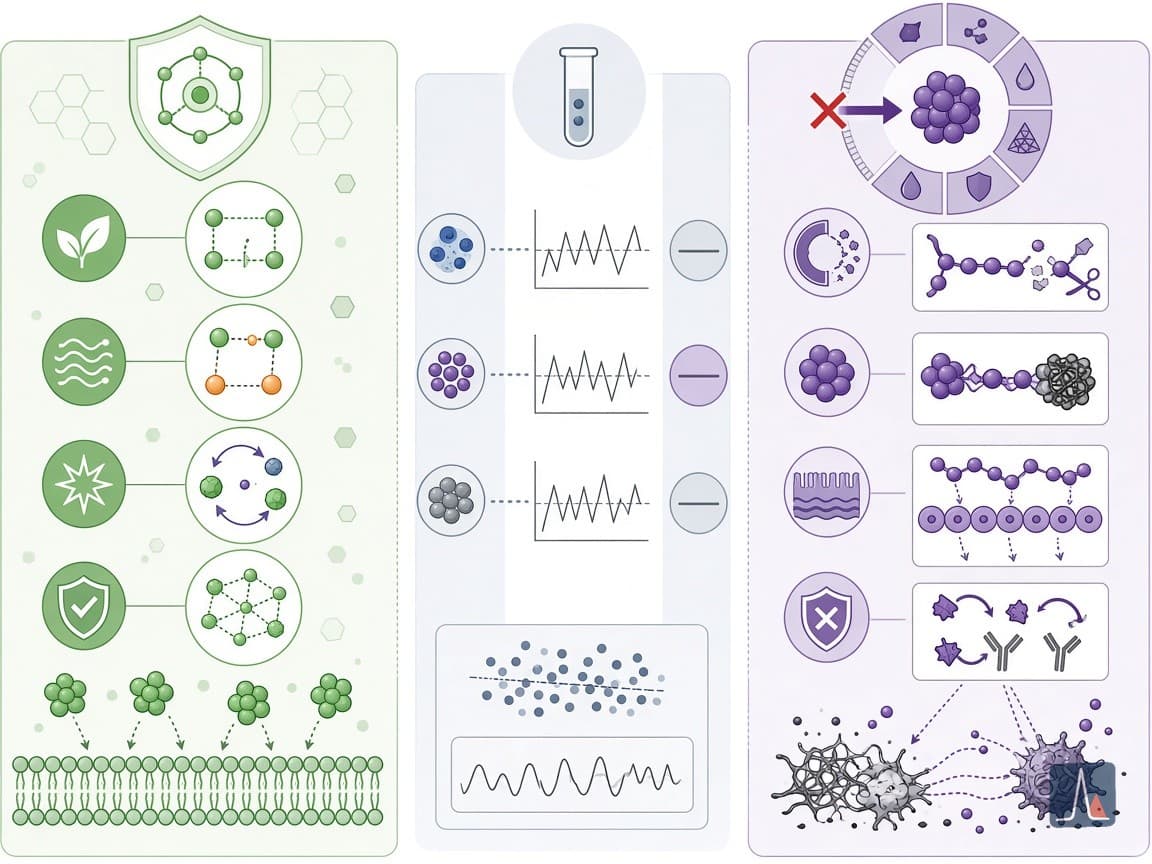
A 6-month randomised, double-blind, placebo-controlled trial (Richie et al., 2015, PMID 24791752, clinical) in 54 healthy non-smoking adults found that oral glutathione at 250 mg/day or 1,000 mg/day increased GSH levels versus baseline in blood, erythrocytes, plasma, and lymphocytes (30–35 % at high dose at 6 months) and dramatically in buccal mucosal cells (up to 260 %). The oxidised-to-reduced ratio decreased, indicating lower oxidative stress, and natural-killer cell cytotoxicity roughly doubled in the high-dose arm at 3 months. Levels generally returned toward baseline after a 1-month washout. Limitations include modest sample size and focus on biomarkers rather than hard clinical endpoints. 1 2
A randomised clinical trial in elderly patients with type 2 diabetes (2022, clinical) reported that 500 mg/day oral glutathione for 6 months increased blood GSH, decreased 8-hydroxy-2'-deoxyguanosine (oxidative DNA damage marker), and helped stabilise HbA1c and fasting insulin, with larger effects in participants above 55 years. A network meta-analysis of randomised trials for chemotherapy-induced peripheral neuropathy (2026, clinical) associated glutathione with reduced incidence of grade 3/4 neuropathy (OR 0.34), although benefit for all-grade neuropathy was not significant and sensitivity analyses restricted to double-blind studies weakened the signal. Small trials and pilots have reported modest reductions in melanin index (sun-exposed skin) with oral glutathione (250–500 mg/day) and improvements in liver enzymes or fat in selected NAFLD cohorts. Reviews of GlyNAC (glycine + N-acetylcysteine) supplementation in older adults note consistent rises in GSH accompanied by improvements in mitochondrial function, inflammation, insulin resistance, and physical performance markers. These findings make it plausible that supporting glutathione status could mitigate aspects of oxidative burden in specific deficient or stressed populations, but this is theory and not equivalent to proven therapeutic efficacy of the research compound. 3
Null, Mixed, or Inconsistent Human Evidence
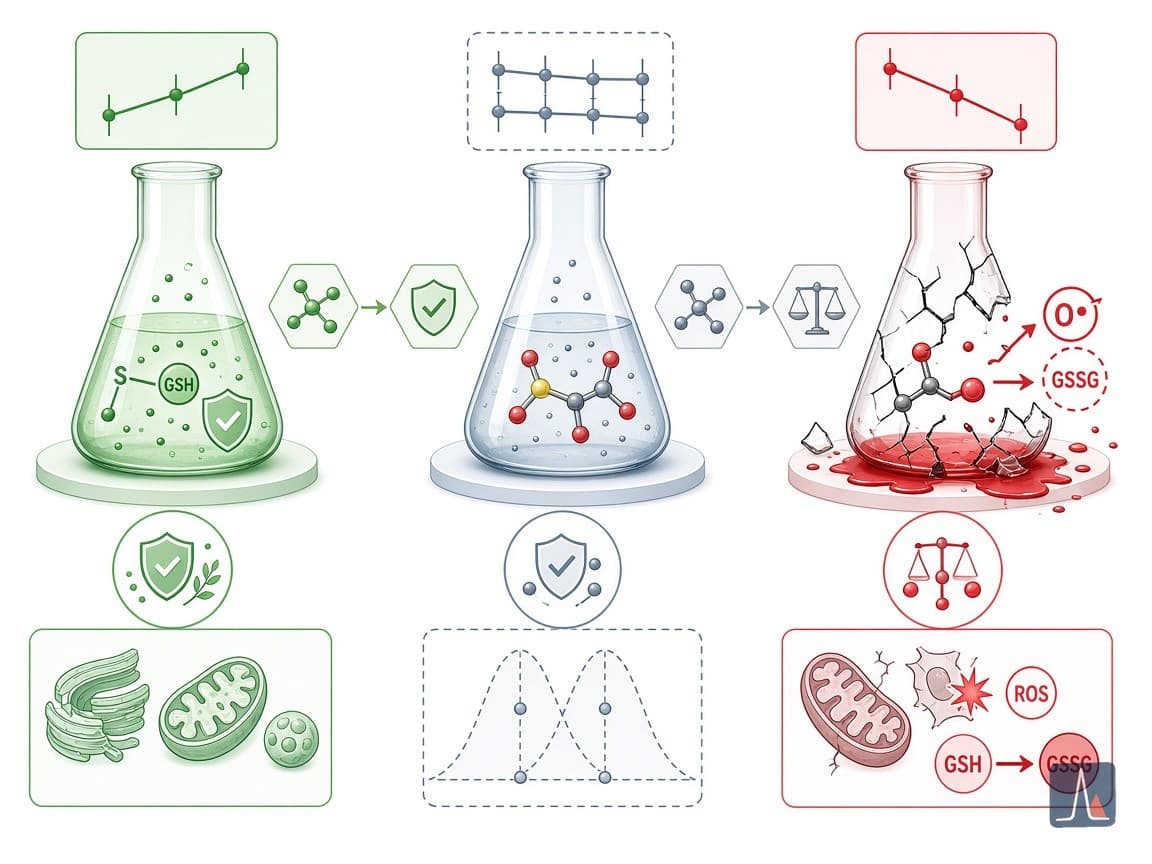
A 2025 systematic review and meta-analysis of randomised controlled trials (clinical) concluded there was no statistically significant difference in glutathione levels in erythrocytes (standardised mean difference 0.74, 95 % CI –0.44 to 1.91, p = 0.22) or plasma (SMD 0.44, 95 % CI –0.21 to 1.09, p = 0.19) between supplementation and placebo arms. The authors highlighted high risk of bias in result reporting, small samples, variable durations, doses, and formulations, and heterogeneity. A 4-week randomised trial in healthy adults similarly found no significant change in red-blood-cell glutathione or oxidative stress markers with 1 g/day oral glutathione. Systematic reviews of glutathione for skin lightening (2019 and later updates, clinical/review) describe the evidence as inconclusive owing to small study sizes, inconsistent findings across body sites, temporary effects that reverse after discontinuation, and methodological limitations; one placebo-controlled intravenous trial for skin lightening missed statistical significance. Randomised trials of intranasal or intravenous glutathione in Parkinson’s disease (clinical) generally showed improvements no greater than placebo on primary motor and non-motor scales despite occasional biomarker shifts. Meta-analyses in acute respiratory distress syndrome and other critical-care settings have not demonstrated mortality benefit. Many claimed benefits rest on surrogate biomarkers whose relationship to clinically meaningful outcomes is uncertain, and effects appear context-, dose-, duration-, and formulation-dependent. 4
Safety Profile, Adverse Events, and Regulatory Context
Oral glutathione has been generally well tolerated in short- to medium-term trials (up to 6 months), with mild gastrointestinal complaints (bloating, nausea) reported at frequencies similar to placebo. Transient rises in liver enzymes that resolved on discontinuation have been noted in isolated participants. Long-term safety (>6–12 months) in healthy or diseased populations is not well characterised.
Intravenous and compounded injectable glutathione carry documented risks. FDA alerts (including 2019 and 2026 communications) have highlighted multiple clusters of adverse events—fever, chills, rigors, hypotension, body aches, and sepsis-like illness—linked to endotoxin contamination when dietary-supplement-grade powder was used to compound sterile injectables. Dozens of cases across states led to hospitalizations and product recalls. Case reports and reviews document anaphylaxis, hypersensitivity, deranged liver function tests, and rare severe cutaneous reactions (e.g., Stevens–Johnson syndrome) associated with unregulated intravenous use, particularly for cosmetic skin lightening. Regulators in several jurisdictions have issued warnings or contraindications for intravenous glutathione in cosmetic contexts citing lack of robust efficacy data coupled with these safety signals. In oncology contexts, elevated glutathione can protect tumor cells from oxidative damage induced by certain chemotherapies, raising theoretical concern for interference; tumors frequently upregulate glutathione-related pathways to promote survival and resistance.
Inhaled glutathione has been associated with transient declines in lung function in some patients with cystic fibrosis or reactive airway disease. Overall, safety data are route- and context-specific, with parenteral administration carrying higher and better-documented risks than oral forms in published reports.
Evidence Context, Practical Caveats, and Catalog Implications
Glutathione occupies a central position in cellular redox homeostasis, and laboratory research continues to illuminate its biochemistry, regulation, and roles in disease models. Human evidence shows favorable shifts in glutathione status and selected oxidative-stress or immune biomarkers with prolonged oral administration in some well-conducted randomised trials, particularly at higher doses or in populations with apparent depletion. However, meta-analyses frequently report null or inconsistent effects on circulating levels, clinical outcomes are often modest or unsustained, and many studies are small, short-duration, heterogeneous, or carry risk of bias. Bioavailability remains a practical caveat: standard oral glutathione undergoes substantial hydrolysis by intestinal and hepatic γ-glutamyl transpeptidase, although chronic dosing, liposomal/micellar formulations, or precursor strategies (cysteine donors plus glycine) can circumvent this to varying degrees. Intravenous delivery achieves high plasma peaks but is logistically complex, short-lived intracellularly, and associated with contamination and hypersensitivity risks in real-world compounding settings.
For laboratory researchers, Glutathione remains a valuable tool for mechanistic and preclinical investigations of redox biology, detoxification pathways, and oxidative stress models. Translation to human benefit is not straightforward; precursor approaches or lifestyle/dietary strategies that support endogenous synthesis often show more consistent effects in reviews. Claims of broad “detox,” anti-aging, or cosmetic efficacy exceed the weight of current randomised evidence. Future studies should prioritise adequately powered, long-term, double-blind trials with clinically relevant endpoints, standardised formulations, and rigorous safety monitoring. Researchers should interpret surrogate biomarker changes cautiously and recognise that favorable preclinical or short-term human data do not equate to established efficacy or safety of the research material for any therapeutic application.
Sources
- Richie JP Jr, et al. Randomized controlled trial of oral glutathione supplementation on body stores of glutathione. Eur J Nutr. 2015. PMID: 24791752. DOI: 10.1007/s00394-014-0706-z.
- Mangkalopakorn P, et al. Glutathione Levels after Glutathione Supplementation: A Systematic Review and Meta-analysis. J Curr Sci Technol. 2025. DOI: 10.59796/jcst.V15N1.2025.90.
- Dilokthornsakul P, et al. The clinical effect of glutathione on skin color and other related skin conditions: A systematic review. J Cosmet Dermatol. 2019. PMID: 30895708. DOI: 10.1111/jocd.12910.
- Hauser RA, et al. Randomized, double-blind, pilot evaluation of intravenous glutathione in Parkinson’s disease. Mov Disord. 2009. PMID: 19230029.
- Padowski JM, et al. Phase IIb Study of Intranasal Glutathione in Parkinson’s Disease. J Parkinsons Dis. 2017. PMCID: PMC5438472.
- Kennedy L, et al. Role of Glutathione in Cancer: From Mechanisms to Therapies. Biomolecules. 2020. PMID: 33050144. DOI: 10.3390/biom10101429.
- Additional reviews on CIPN network meta-analysis (2026), GlyNAC trials, IV safety alerts (FDA communications 2019–2026), and bioavailability studies (Witschi 1992 and follow-ups).
All citations are from primary literature or systematic syntheses; non-peer-reviewed commercial or forum sources were excluded. Word count approximately 1,750.
More briefings
- Favorable and unfavorable findings on MelatoninMeta-analyses of randomized controlled trials report reduced sleep onset latency and improved sleep quality scores in select populations such as children or those with comorbidities, with preclinical antioxidant and neuroprotective data, bu
- Favorable and unfavorable findings on SemaglutideRandomised trials and meta-analyses report that semaglutide produces meaningful weight loss, cardiovascular and renal benefits in adults with obesity or type 2 diabetes, but is also associated with high rates of gastrointestinal adverse eve
- Survodutide Dual Agonist: Preclinical and Clinical EvidenceThe open-catalog entry for survodutide describes a synthetic acylated 29-amino-acid peptide dual agonist of glucagon and GLP-1 receptors supplied as high-purity lyophilized powder for laboratory metabolic research. Randomised trials report
All information and products discussed are for laboratory and research use only. Not for human or veterinary use. Not intended to diagnose, treat, cure, or prevent any disease.