
3 November 2026
Favorable and unfavorable findings on KPV
Download PDF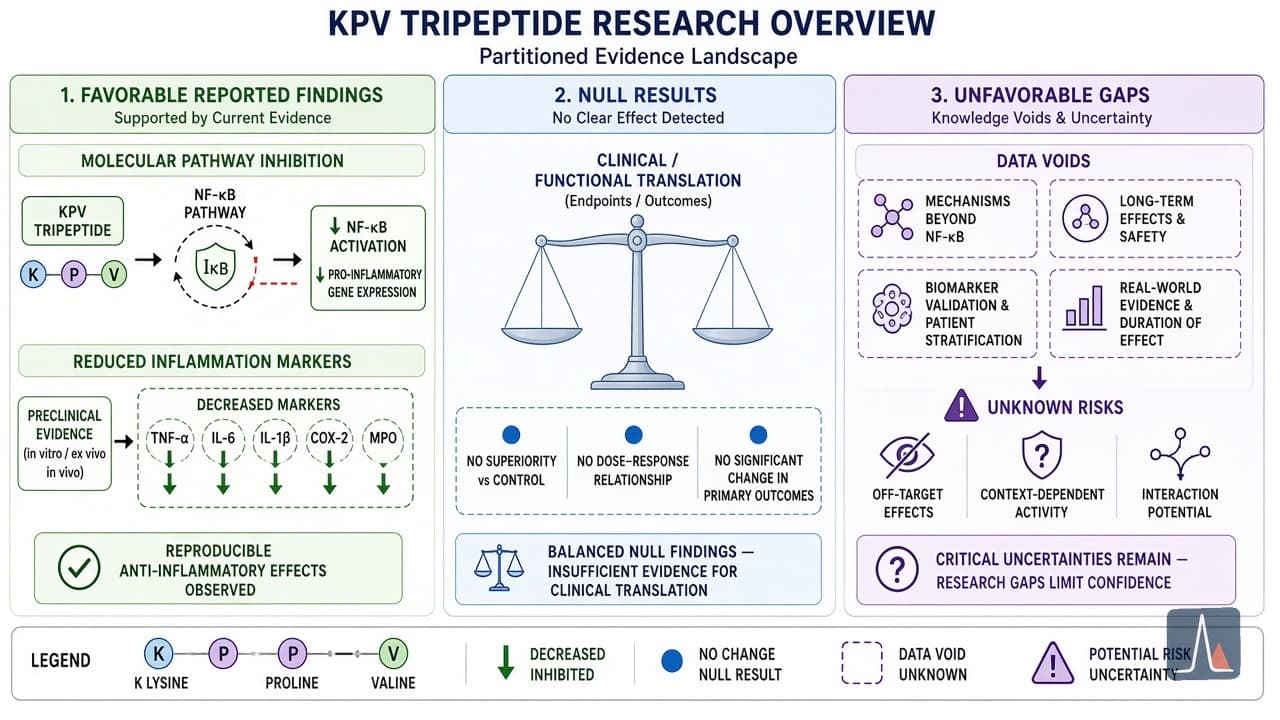
In vitro and murine studies report that the tripeptide KPV (Lys-Pro-Val) inhibits NF-κB and MAPK signaling via PepT1 uptake in human gut and immune cells, reducing pro-inflammatory cytokines and colitis severity in DSS and TNBS models, yet
Chemical Identity and Catalog Context
KPV is the synthetic tripeptide Lys-Pro-Val (α-MSH(11-13)), corresponding to the C-terminal sequence of α-melanocyte-stimulating hormone. Cataloged at /compounds/kpv as a high-purity research material supplied for laboratory investigation of inflammatory pathways and peptide transport. It is tracked as a single chemically defined entity distinct from full-length α-MSH or mixtures. Materials on this site are for laboratory research only and are not medicines.
Foundational Mechanistic and In Vitro Evidence
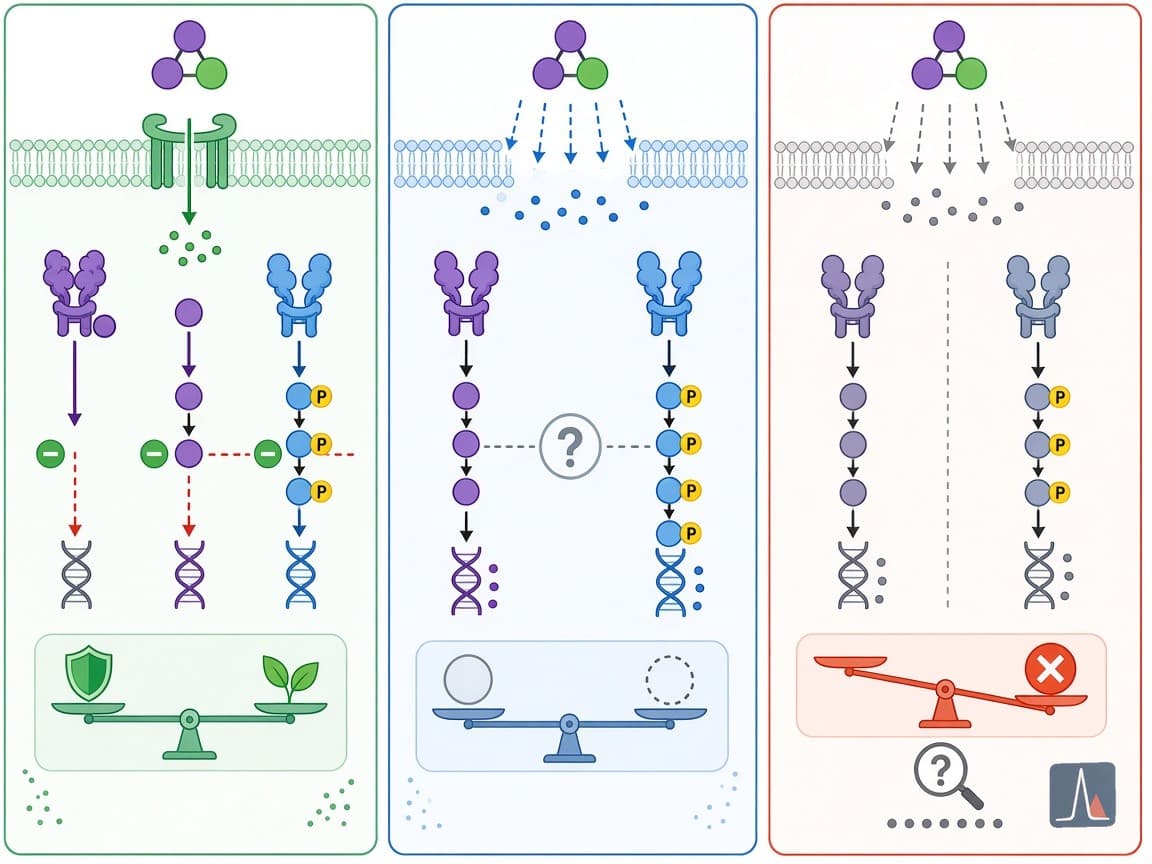
Favorable findings from cell culture studies demonstrate that nanomolar concentrations of KPV inhibit activation of the NF-κB and MAP kinase inflammatory signaling pathways in human intestinal epithelial cell lines (Caco2-BBE, HT-29) and immune cells (Jurkat T-cells). This is associated with reduced secretion of pro-inflammatory cytokines including TNF-α, IL-1β, and IL-8. KPV enters cells via the PepT1 di/tripeptide transporter, which is normally expressed in the small intestine and induced in the colon during inflammation. These effects occur independently of melanocortin receptor 1 (MC1R) in some assays. [[citation from Dalmasso et al. 2008]]
Additional in vitro work has shown reduced inflammation markers in human keratinocytes exposed to particulate matter and inhibition of adipogenesis in 3T3-L1 preadipocytes via modulation of ROS-AKT-mTOR-PPARγ signaling, with reductions in lipid accumulation of approximately 38-55% in reported assays.
Favorable Preclinical Animal Findings
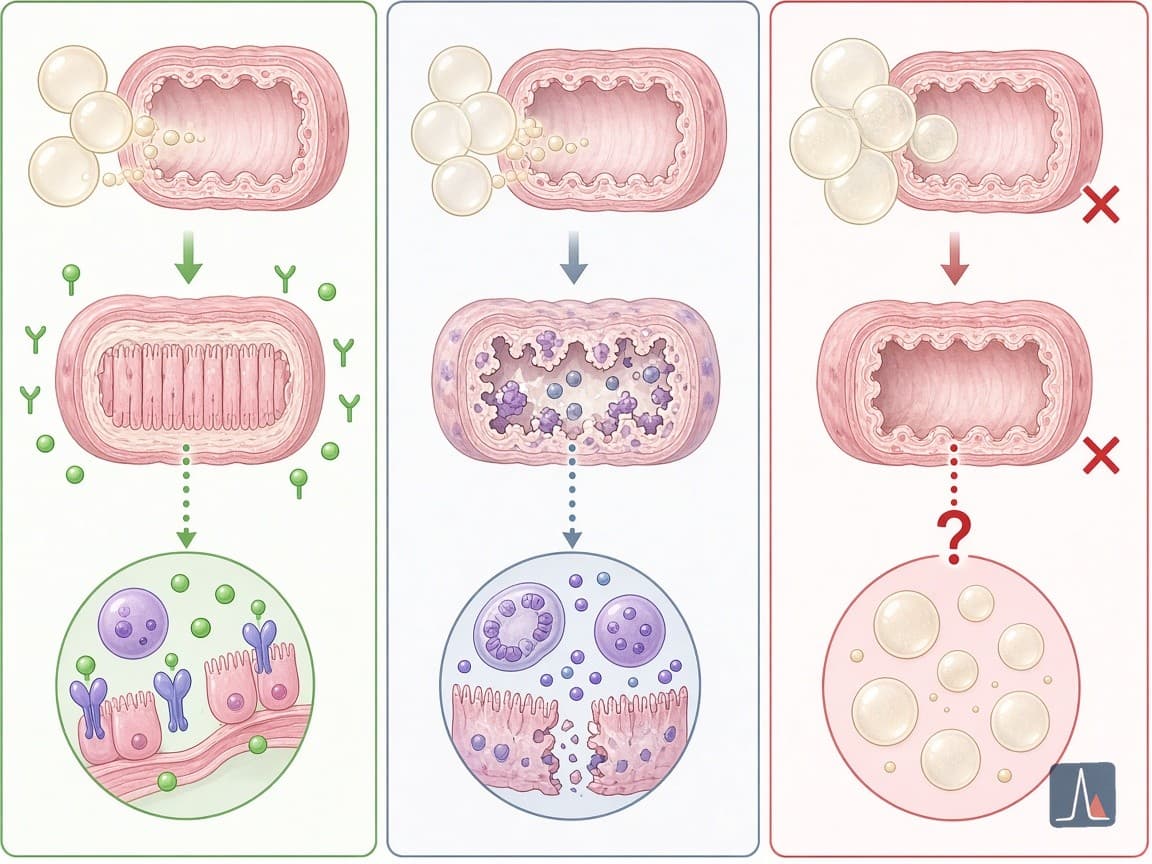
Multiple published mouse studies report reduced severity of chemically induced colitis. In DSS and TNBS models, oral administration of KPV in drinking water or via targeted nanoparticle/hydrogel formulations decreased histological damage scores, myeloperoxidase (MPO) activity (by ~40-50% in key reports), pro-inflammatory cytokine mRNA levels, and preserved colon length while accelerating body weight recovery. Effects persisted in MC1R-deficient (recessive yellow e/e) mice, supporting partial receptor independence. Nanoparticle delivery (e.g., hyaluronic acid-functionalized) further enhanced mucosal healing, tight junction protein expression, and modulation of gut microbiota in reported TNBS and DSS models.
Additional favorable preclinical reports include accelerated corneal epithelial wound closure in a rabbit model and reduced weight gain, white adipose tissue expansion, hepatic lipid accumulation, and dyslipidemia in high-fat diet-induced obese mice. One model also reported reduced colitis-associated tumor formation in a PepT1-dependent manner.
Null, Mixed, Disputed, and Unfavorable Findings
No published human clinical trials, pharmacokinetic studies, or safety assessments of KPV by any route were identified in PubMed, Europe PMC, ClinicalTrials.gov, or regulatory databases as of 2026. A comprehensive FDA review for potential compounding use found zero human exposure data, no toxicity/carcinogenicity studies, no immunogenicity assessments, and no adverse event reports in FAERS or related systems. Potential risks including peptide aggregation, immunogenicity, and theoretical effects of NF-κB suppression remain uncharacterized in people.
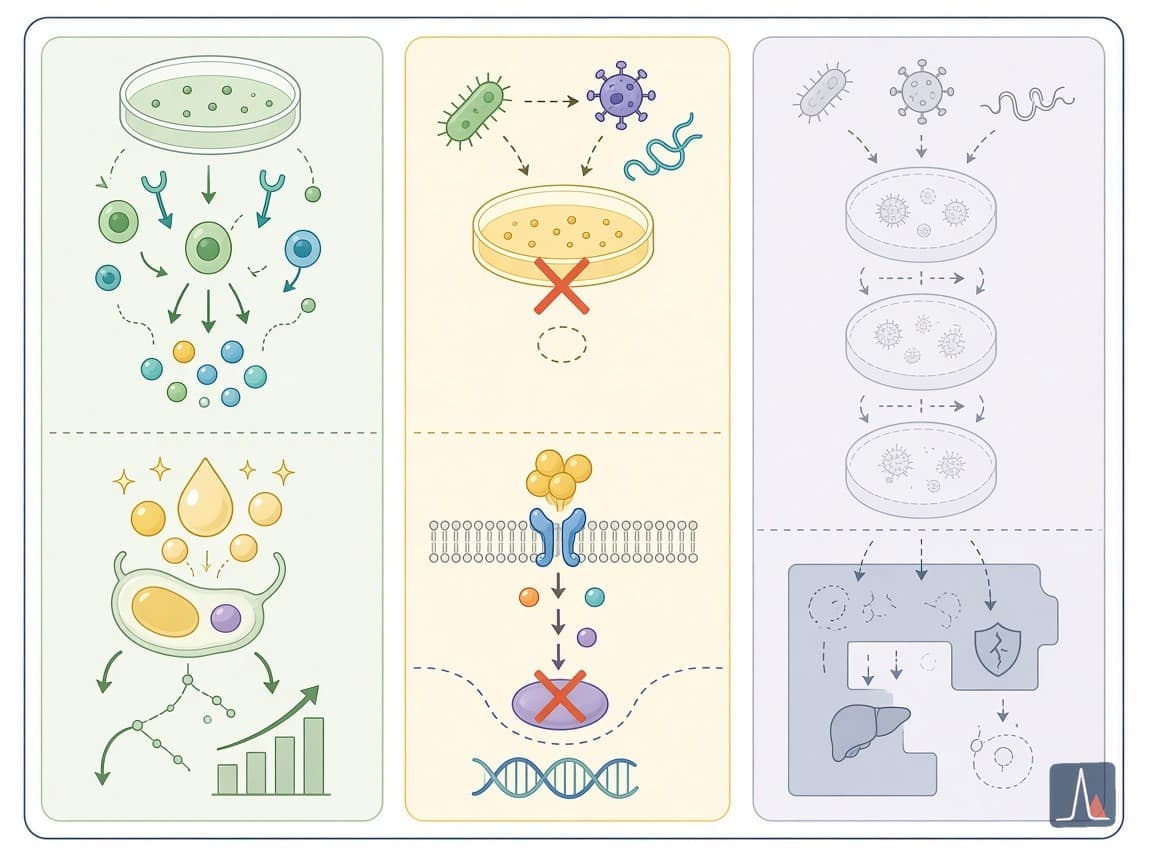
Antimicrobial activity reported at picomolar concentrations against *Staphylococcus aureus* and *Candida albicans* in one early study has not been consistently replicated, with independent groups reporting null or only weak effects at substantially higher concentrations. Skin permeation in ex vivo human tissue models is reported as poor without formulation enhancers or devices. Most core colitis research originates from a limited number of laboratories, raising questions of broader reproducibility. Mouse colitis models, while standard, do not fully recapitulate the heterogeneity or chronicity of human inflammatory bowel disease.
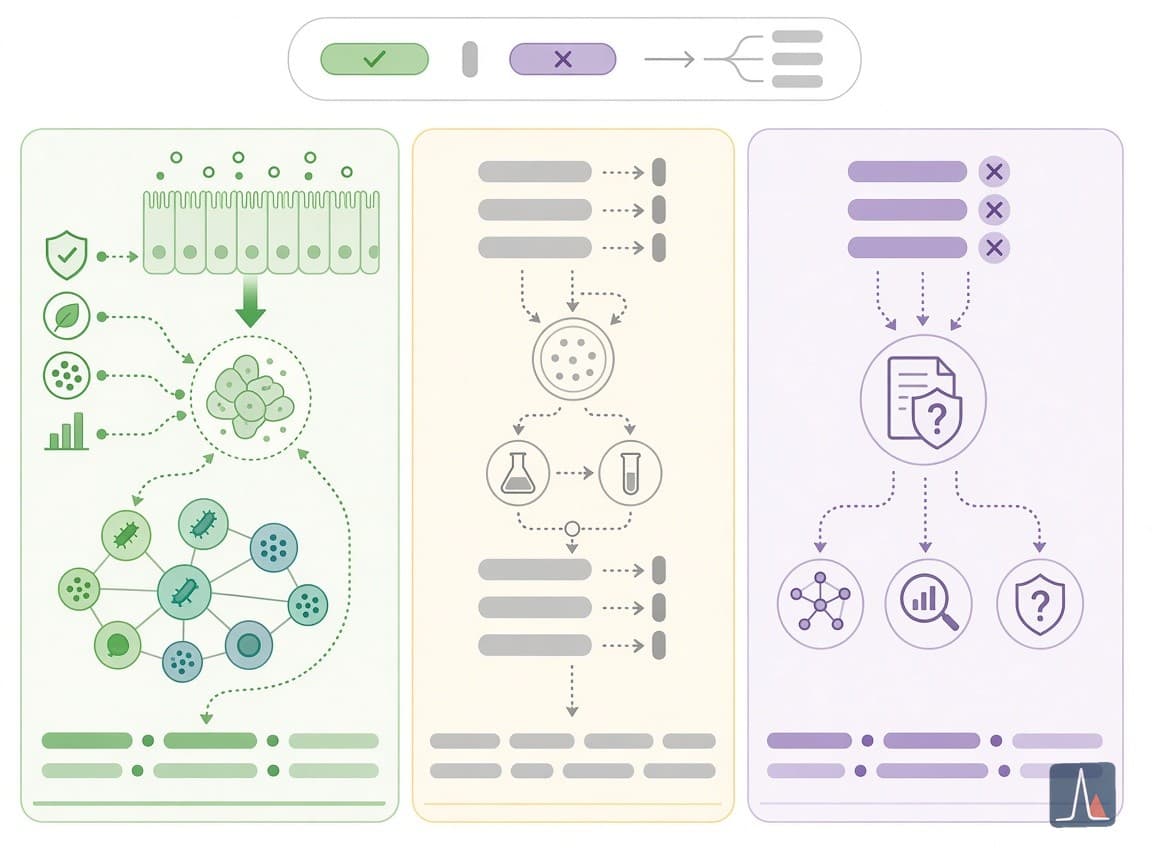
Evidence Context, Recurrent Limitations, and Catalog Implications
The published literature provides consistent preclinical signals for anti-inflammatory activity centered on PepT1-mediated cellular uptake and downstream inhibition of master inflammatory regulators, with supportive data in gut, skin, and more recent metabolic models. These constitute favorable mechanistic and efficacy findings in controlled laboratory and animal systems. However, the complete absence of human data constitutes the primary unfavorable finding: no demonstration of efficacy, pharmacokinetics, dose-response, or safety profile in people exists. Regulatory assessments have highlighted these gaps, with FDA staff noting unknown risks and limited characterization despite narrow advisory committee votes on specific non-injectable forms under enforcement discretion policies (not equivalent to approval).
Recurrent limitations include model-specific results, potential publication bias toward positive outcomes in preclinical work, lack of independent large-scale replication or meta-analyses, and the gap between induced acute animal inflammation and spontaneous chronic human disease. No long-term studies, reproductive toxicology, or carcinogenicity evaluations in relevant systems are available. For catalog purposes at /compounds/kpv, KPV remains a tool for laboratory research into melanocortin-derived peptides, peptide transporters, and inflammatory signaling. Researchers should interpret preclinical results cautiously and recognize that cell or animal changes do not equate to human benefit. Reporting a human trial is not guidance to use the research material. Look for unfavorable and null evidence as well as favorable; if no human study exists, that is the record.
Sources
- Dalmasso G, et al. PepT1-Mediated Tripeptide KPV Uptake Reduces Intestinal Inflammation. *Gastroenterology*. 2008. PMID: 18061177. DOI: 10.1053/j.gastro.2007.10.026. (in_vitro and animal)
- Kannengiesser K, et al. Melanocortin-derived tripeptide KPV has anti-inflammatory potential in murine models of inflammatory bowel disease. *Inflamm Bowel Dis*. 2008. PMID: 18092346. DOI: 10.1002/ibd.20334. (animal)
- Getting SJ, et al. Dissection of the Anti-Inflammatory Effect of the Core and C-Terminal (KPV) α-Melanocyte-Stimulating Hormone Peptides. *J Pharmacol Exp Ther*. 2003. PMID: 12750433. DOI: 10.1124/jpet.103.051623. (animal, mechanistic differences)
- Xiao S, et al. Orally Targeted Delivery of Tripeptide KPV via Hyaluronic Acid-Functionalized Nanoparticles Efficiently Alleviates Ulcerative Colitis. *Mol Ther*. 2017. PMID: 28143741. (animal, delivery)
- FDA briefing documents and Pharmacy Compounding Advisory Committee materials reviewing KPV (2026). (regulatory context, absence of human data)
- Additional 2025-2026 preclinical reports on keratinocyte protection, adipogenesis inhibition, and hepatic/macrophage lipid metabolism (in_vitro and animal).
All claims are drawn from these and related primary papers. No human studies were located despite targeted searches.
More briefings
- Favorable and unfavorable findings on L-carnitinePublished meta-analyses of randomised controlled trials report modest reductions in body weight, BMI, fat mass, selected lipids, glycaemic markers, and post-exercise lactate with L-carnitine supplementation in overweight, obese, or diabetic
- Favorable and unfavorable findings on GlutathioneRandomised trials report that prolonged oral glutathione can increase body stores and reduce certain oxidative stress markers in healthy adults and some patient groups, yet a 2025 meta-analysis of RCTs found no statistically significant ris
- Favorable and unfavorable findings on MelatoninMeta-analyses of randomized controlled trials report reduced sleep onset latency and improved sleep quality scores in select populations such as children or those with comorbidities, with preclinical antioxidant and neuroprotective data, bu
All information and products discussed are for laboratory and research use only. Not for human or veterinary use. Not intended to diagnose, treat, cure, or prevent any disease.