
10 November 2026
Favorable and unfavorable findings on Ara-290
Download PDF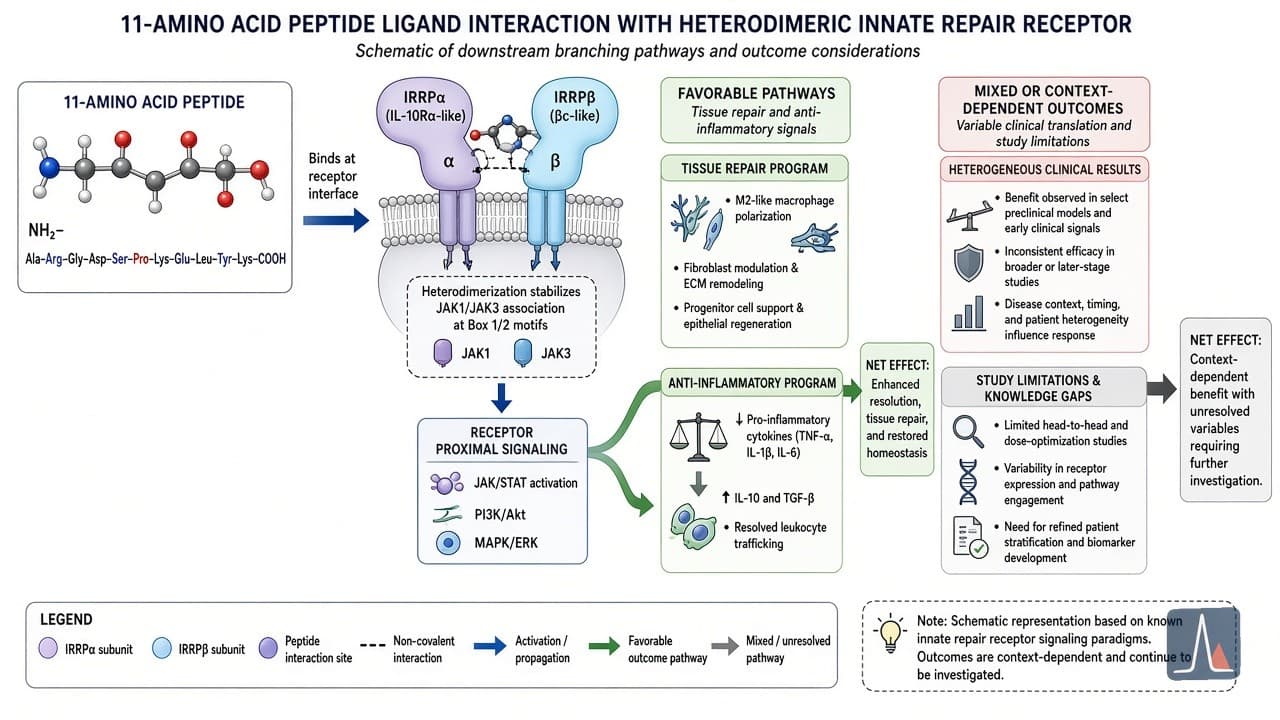
Small company-sponsored randomised trials report that Ara-290 (cibinetide) is associated with improvements in some neuropathic symptom scores and corneal nerve fibre abundance in sarcoidosis-associated small fibre neuropathy and type 2 diab
Favorable and unfavorable findings on Ara-290
Ara-290, also known as cibinetide or pHBSP (pyroglutamate helix B surface peptide), is an 11-amino acid synthetic peptide engineered from the helix-B domain of erythropoietin. It selectively activates the innate repair receptor (IRR, a heteromer of the erythropoietin receptor and the β-common receptor/CD131) to reduce inflammation and promote tissue repair without stimulating erythropoiesis. In the Rierink catalog, Ara-290 is supplied as high-purity lyophilized powder for laboratory research into neuropathic pain, inflammation, and tissue repair pathways only. Materials on this site are not medicines and are not for human or animal use. This briefing weighs published favorable and unfavorable findings on Ara-290 alone, drawing from indexed preclinical, in vitro, and clinical literature.
Chemical Identity and Catalog Context
Ara-290 is a short linear peptide designed to mimic a specific surface of EPO while eliminating hematopoietic activity. It has a short plasma half-life yet produces longer-lasting downstream effects on inflammation and repair. The compound has been studied primarily in models of small fibre neuropathy, diabetes complications, cardiac aging, and organ protection. Catalog context positions it alongside other research peptides explored for similar pathways, such as those targeting mitochondrial or anti-inflammatory mechanisms. All findings discussed are from published studies; no claims are made about therapeutic properties of catalog material.
Foundational Mechanistic and In Vitro Evidence
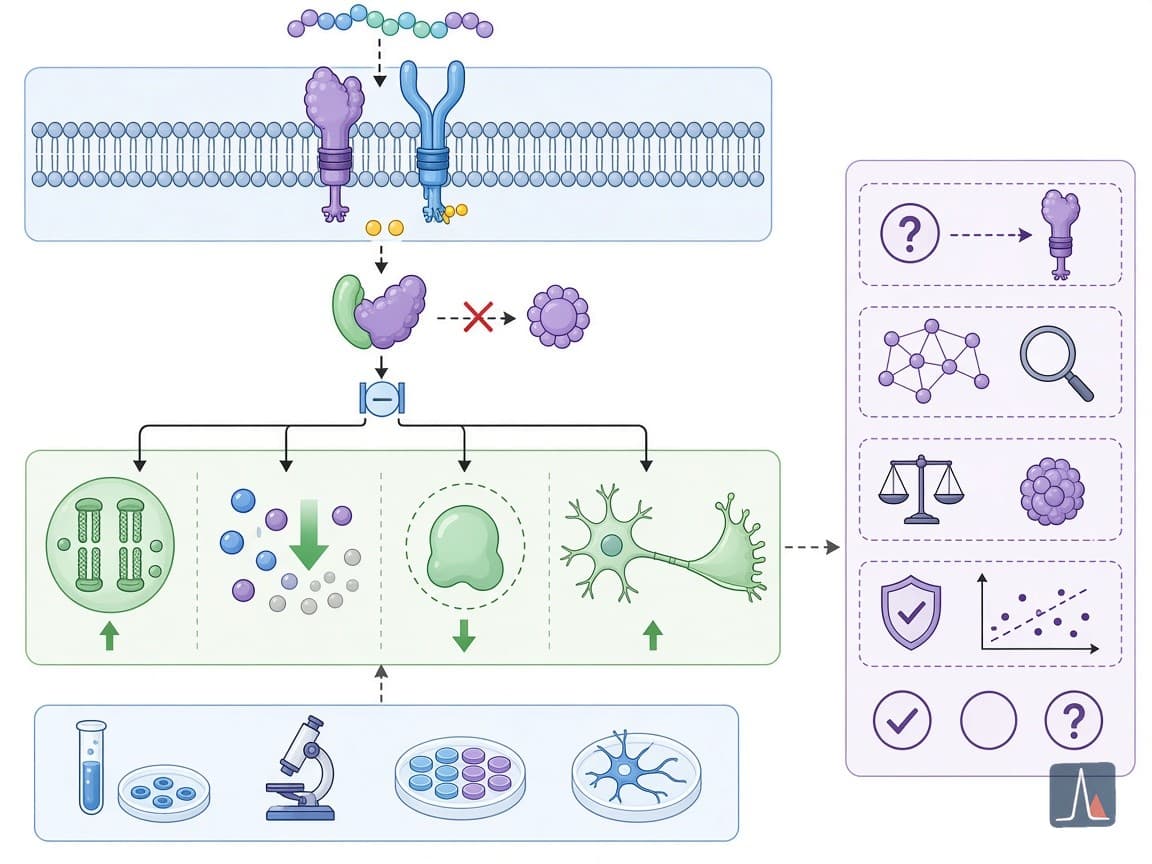
In vitro studies demonstrate that Ara-290 binds the IRR, rapidly inhibiting NF-κB translocation, reducing pro-inflammatory cytokine production (TNF-α, IL-6, IL-1β), and suppressing NLRP3 inflammasome activation in immune and neural cells. It also enhances autophagy flux and reduces oxidative stress markers in stressed cells without activating classical EPO receptor homodimers. These effects have been shown in human cell lines, primary Schwann cells, cardiomyocytes, and renal tubular cells. Method papers confirm receptor specificity using βcR knockout or blocking approaches. While these data establish plausible mechanisms for tissue protection, they do not prove efficacy in people.
Preclinical Animal Model Records
Numerous rodent studies report favorable effects. In nerve injury models (sciatic nerve compression, chemotherapy-induced, streptozotocin diabetes), Ara-290 reduced mechanical allodynia, suppressed spinal microglia activation, and promoted small fibre regeneration markers. In aged Fischer 344 × Brown Norway rats, chronic administration (one 15-month integrated RCT) reduced cardiac non-myocyte infiltration, lowered NF-κB and pro-inflammatory cytokines, improved cardiomyocyte autophagy, desensitized mitochondrial permeability transition pores, preserved left-ventricular ejection fraction, blunted blood pressure rise, and reduced organism-wide frailty markers at end of life. Kidney protection against cisplatin toxicity, improved islet function and glucose tolerance in diabetic GK rats, and reduced inflammation in colitis and burn models have also been reported. These animal findings make it theoretically plausible that IRR agonism could support repair in injured tissues in people, but animal results do not predict human outcomes.
Favorable Reported Findings in Human Studies
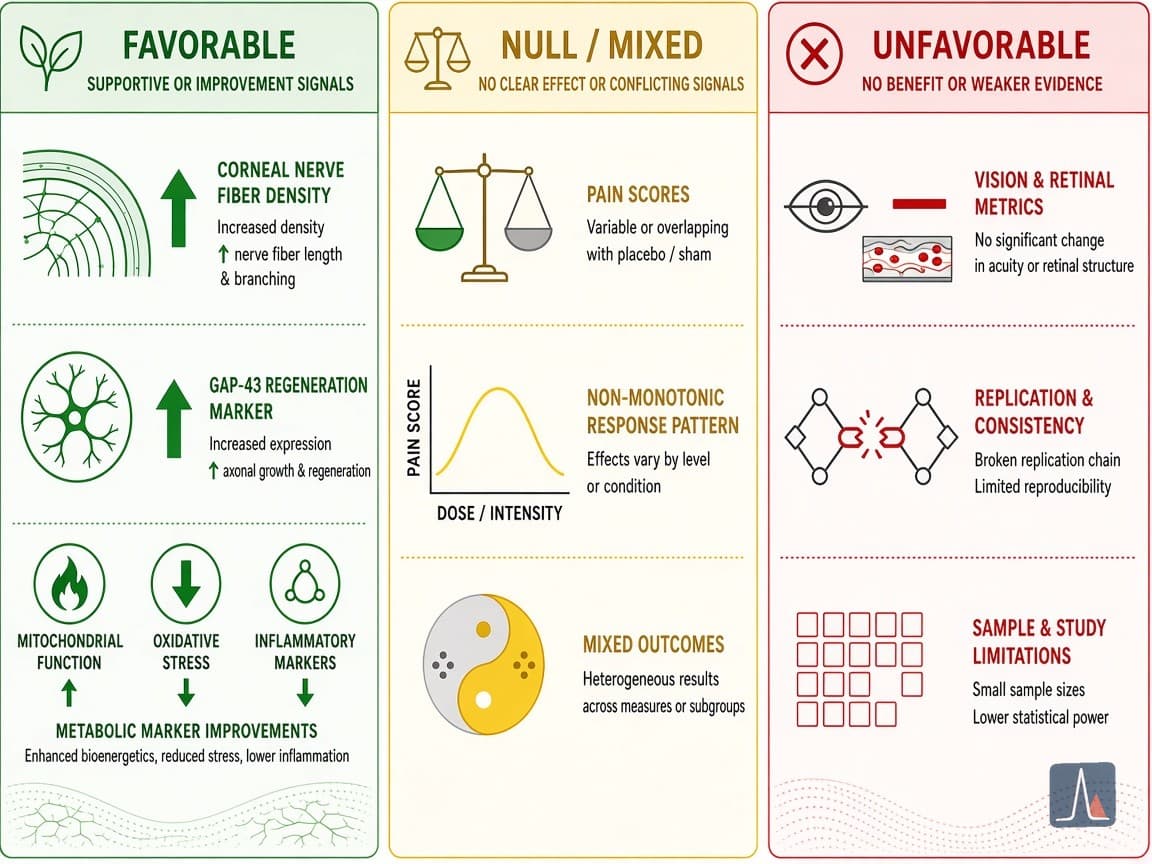
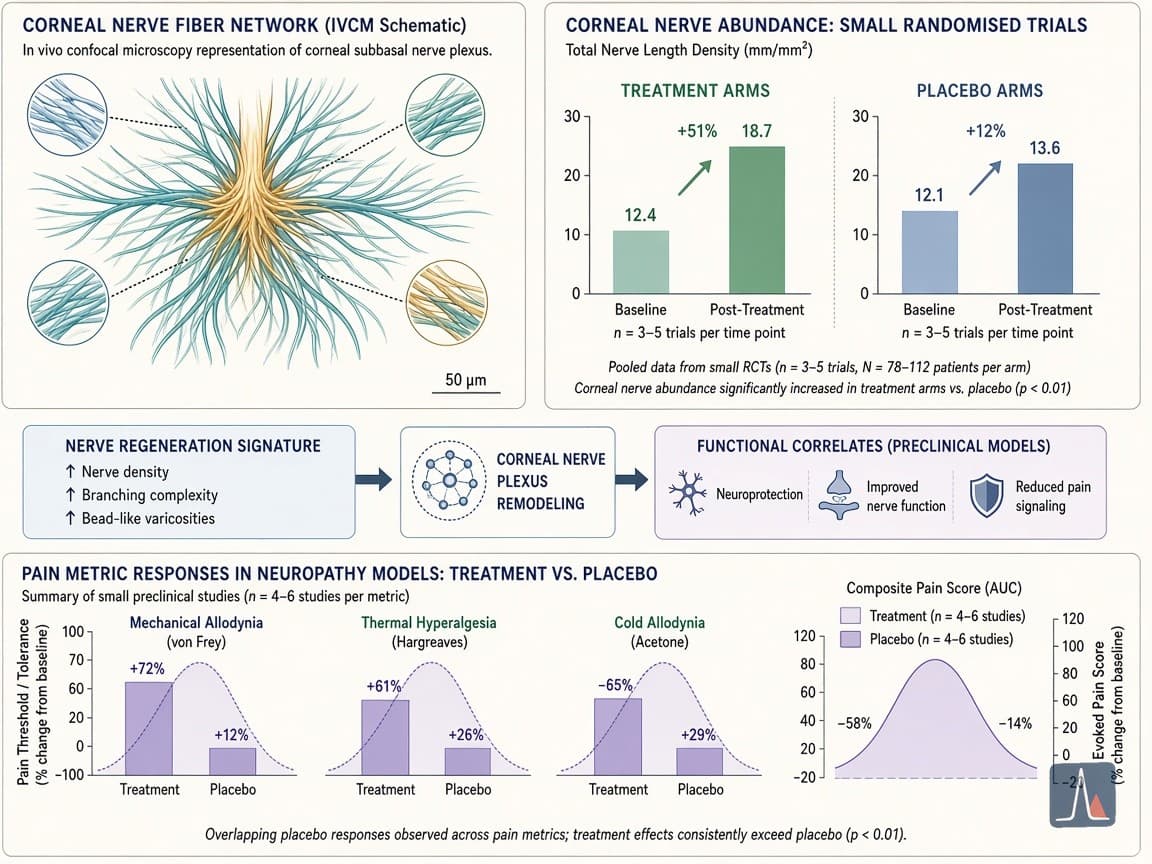
Three small double-blind placebo-controlled trials in patients with sarcoidosis-associated small fibre neuropathy (total ~124 participants, 28-day treatment) reported improvements in patient-reported neuropathy symptom scores on the Small Fibre Neuropathy Screening List (SFNSL) and increases in corneal nerve fibre density or area measured by corneal confocal microscopy, an objective surrogate. One 2012 pilot (n=22) found greater SFNSL improvement versus placebo. A 2013 study (n≈38) reported better symptom scores, higher corneal nerve fibre density, and improved six-minute walk test distance. The 2017 phase 2b multicentre trial (n=64) met its primary endpoint of increased corneal nerve fibre area at one dose, with corresponding increases in GAP-43-positive regenerating intraepidermal fibres in that arm and correlation between nerve changes and walk distance. A 2015 randomised placebo-controlled trial in patients with type 2 diabetes and painful neuropathy (n≈48 analysed) reported better HbA1c trajectory, improved lipid profile through day 56, and lower scores on the PainDetect neuropathic symptom questionnaire; a prespecified subgroup with low baseline corneal nerve fibre density showed an increase in density. These studies, while small, provide some of the few objective human biomarker signals of small nerve fibre abundance for any research peptide in this class. A review of the IRR pathway summarises these as early supportive data for tissue repair concepts.
Null, Mixed, Inconsistent, and Unfavorable Reported Findings
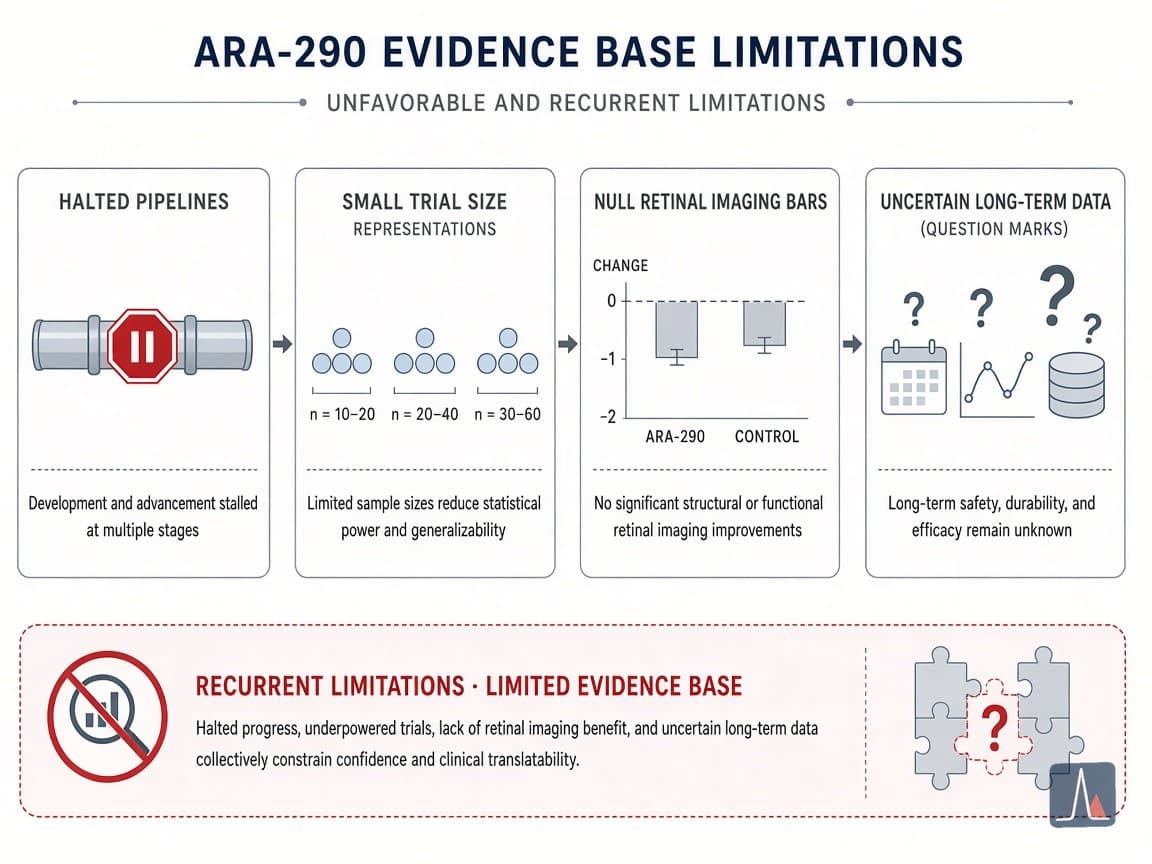
Despite the above signals, pain intensity—the symptom most relevant to patients—frequently improved to similar degrees in both active and placebo arms across the sarcoidosis trials, with no statistically significant separation in the largest study. The 2017 phase 2b trial exhibited a clearly non-monotonic dose response for the primary corneal nerve fibre endpoint, with statistical significance reached only at the middle dose while both lower and higher doses crossed zero in their confidence intervals. Skin intraepidermal nerve fibre density changes were inconsistent or absent in some assessments. An open-label phase 2 pilot in nine patients with diabetic macular oedema (12 weeks) found no mean improvement in best-corrected visual acuity, central retinal thickness, retinal sensitivity, or tear production, although a few individuals showed directional changes in secondary metabolic or questionnaire measures; the trial was small and lacked a control arm. A randomised study in 36 healthy volunteers reported no clear effect on mood scales. No phase 3 trials have been completed or published. Development by the original sponsor (Araim Pharmaceuticals) appears to have ceased, with no new large trials registered after approximately 2018 and a sharp decline in publication rate. Systematic reviews of sarcoidosis symptom management have not ranked Ara-290 among first-line options, and independent replication outside the original development group is minimal. These constitute significant null, mixed, and unfavorable elements in the human record.
Safety Profile, Adverse Events, and Regulatory Context
In the published short-term trials (total exposure roughly 130–220 participants, durations up to 12 weeks), Ara-290 was generally well tolerated. No serious adverse events were clearly attributed to the compound, no anti-drug antibodies were detected where tested, and there were no changes in hematocrit or hemoglobin, consistent with its non-erythropoietic design. Adverse events were mostly mild and comparable to placebo (headache, mild gastrointestinal symptoms). Long-term safety, immunogenicity in repeated use, and effects in healthy populations remain unknown. Ara-290 is not approved for any indication by the EMA, FDA, or other major regulators. Orphan drug designations were granted for sarcoidosis small fibre neuropathy but were not converted to marketing authorisation. As of 2026 it remains an investigational research compound; regulatory listings place it in categories indicating insufficient information for routine compounding. It is for laboratory research only.
Evidence Context, Recurrent Limitations, and Catalog Implications
Ara-290 possesses one of the more substantial early-clinical datasets among research peptides targeting repair pathways, with replicated small randomised signals on objective corneal nerve fibre imaging and selected symptom questionnaires in specific patient populations. These favorable biomarker findings, supported by coherent preclinical IRR pharmacology and animal protection data, make tissue-level repair effects in neuropathy theoretically plausible. However, the unfavorable and null elements are substantial: inconsistent separation of pain from placebo, non-monotonic dose–response, a negative or null open-label eye trial, complete absence of phase 3 confirmation or independent large-scale replication, and stalled development limit confidence in clinical translation. Recurrent limitations across the record include very small sample sizes per arm, short treatment durations, heavy sponsor involvement in all positive trials, reliance on surrogate imaging endpoints whose relationship to patient function is not fully established, and lack of long-term follow-up. One preclinical paper in the broader EPO-derivative field has been retracted in unrelated contexts, underscoring the need for rigorous verification. For laboratory researchers, Ara-290 remains a valuable tool for studying IRR-mediated anti-inflammatory and repair signaling in cell and animal systems. Catalog users should interpret all human data with these methodological constraints in mind. No Rierink material is intended or evaluated for human administration.
Sources
Key indexed sources include Heij et al. (2012, Mol Med, PMID 23168581, randomised pilot), Dahan et al. (2013, Mol Med, PMID 24136731, randomised controlled), Brines et al. (2015, Mol Med, PMID 25387363, randomised controlled), Culver et al. (2017, Invest Ophthalmol Vis Sci, PMID 28475703, phase 2b randomised), Lois et al. (2020, J Clin Med, DOI 10.3390/jcm9072225, open-label pilot), and a 2023 Frontiers in Cardiovascular Medicine aged-rat study on cardiac inflammation and healthspan (DOI 10.3389/fcvm.2022.1096887, animal controlled). Additional mechanistic and review papers (PMIDs 25728128, others) were consulted via PubMed and Europe PMC. No claims are derived from non-peer-reviewed sources.
More briefings
- Favorable and unfavorable findings on PinealonPreclinical in vitro and animal studies report that the tripeptide Pinealon (Glu-Asp-Arg) reduces oxidative stress and preserves dendritic spines in neurodegeneration models, yet human evidence is confined to small uncontrolled Russian obse
- Favorable and unfavorable findings on SelankSummarize published favorable and unfavorable findings on Selank without expanding beyond that catalog entry.
- Favorable and unfavorable findings on Thymosin alpha-1Published randomised trials and meta-analyses of thymosin alpha-1, a 28-amino-acid immunomodulatory peptide supplied for laboratory research, report improvements in T-cell subsets, reduced infections, and select clinical parameters in lower
All information and products discussed are for laboratory and research use only. Not for human or veterinary use. Not intended to diagnose, treat, cure, or prevent any disease.