
11 listopada 2026
Favorable and unfavorable findings on Pinealon
Pobierz PDF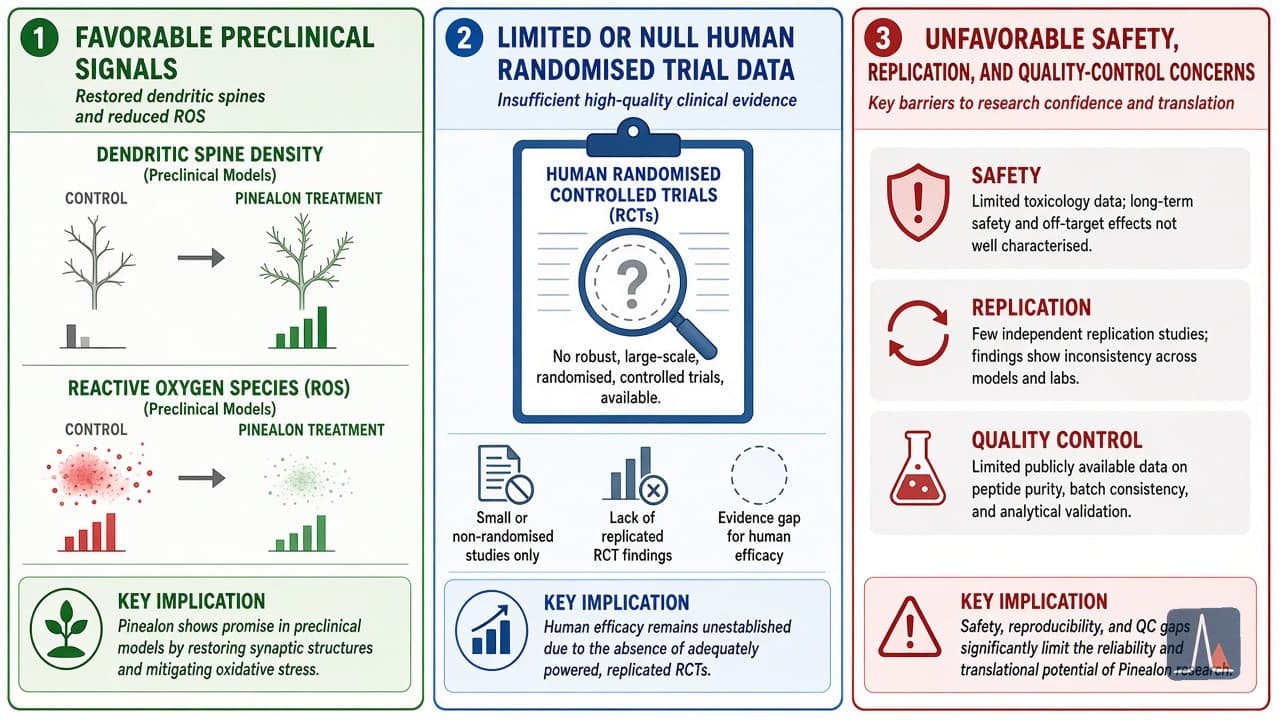
Preclinical in vitro and animal studies report that the tripeptide Pinealon (Glu-Asp-Arg) reduces oxidative stress and preserves dendritic spines in neurodegeneration models, yet human evidence is confined to small uncontrolled Russian obse
Chemical Identity and Catalog Context
Pinealon is the synthetic tripeptide Glu-Asp-Arg (EDR). It is supplied by Rierink Compounds as a high-purity lyophilized powder intended for laboratory investigation of potential neuroprotective and gene-regulatory mechanisms. The name “Pinealon” suggests pineal-gland relevance, yet the peptide sequence is conceptually linked to cortical extracts such as Cortexin rather than direct pineal peptides such as Epithalon.
Catalog materials differ from the low-dose oral capsules used in the few published human reports. Injectable or reconstituted forms popular in research settings have never been tested in people. All use of Rierink products must remain strictly within laboratory protocols. Reporting published human observations is not guidance to administer the research material.
Foundational Mechanistic and In Vitro Evidence
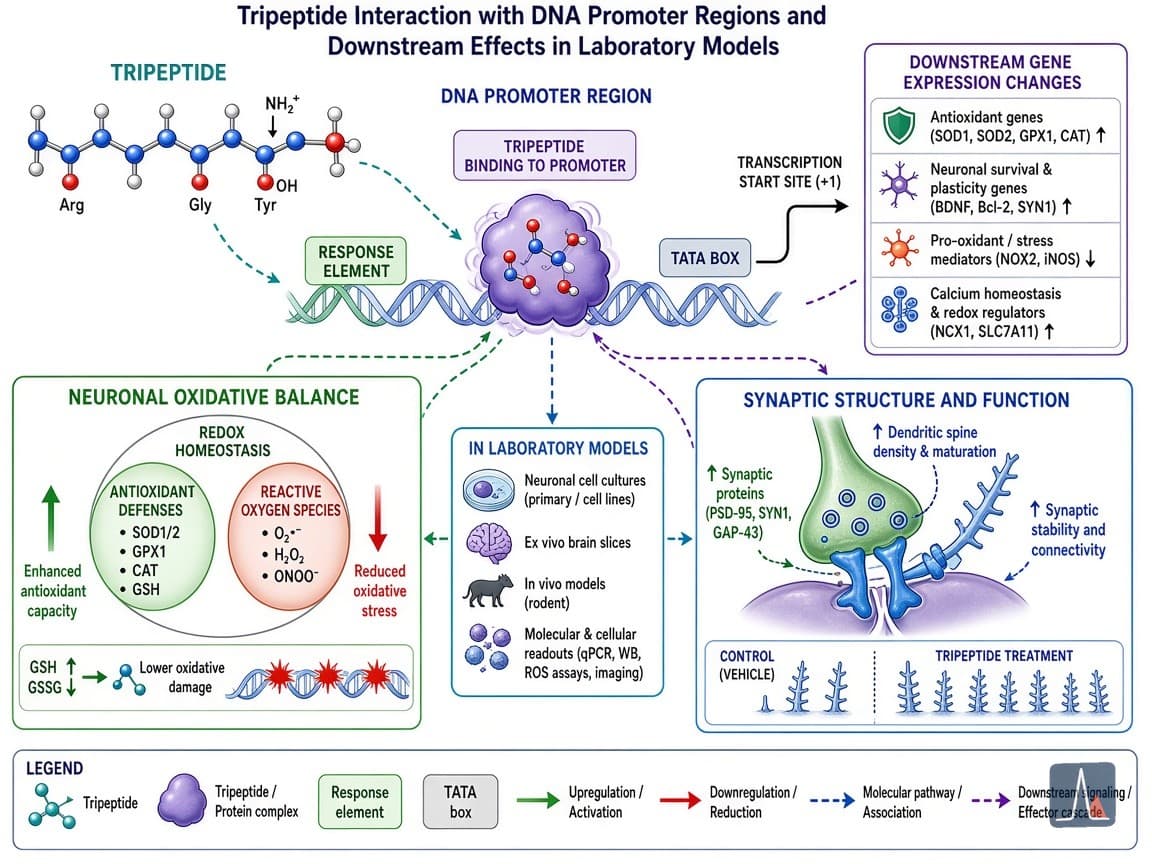
Khavinson and colleagues propose that the short peptide can penetrate cell nuclei and interact with specific DNA promoter sequences (CNG/CAG motifs), potentially modulating transcription of genes involved in antioxidant defence (SOD2), apoptosis regulation (CASP3), synaptic plasticity (GAP43, NES), and lipid metabolism (PPARA, PPARG). Fluorescent labelling experiments have demonstrated nuclear localisation in cultured cells.
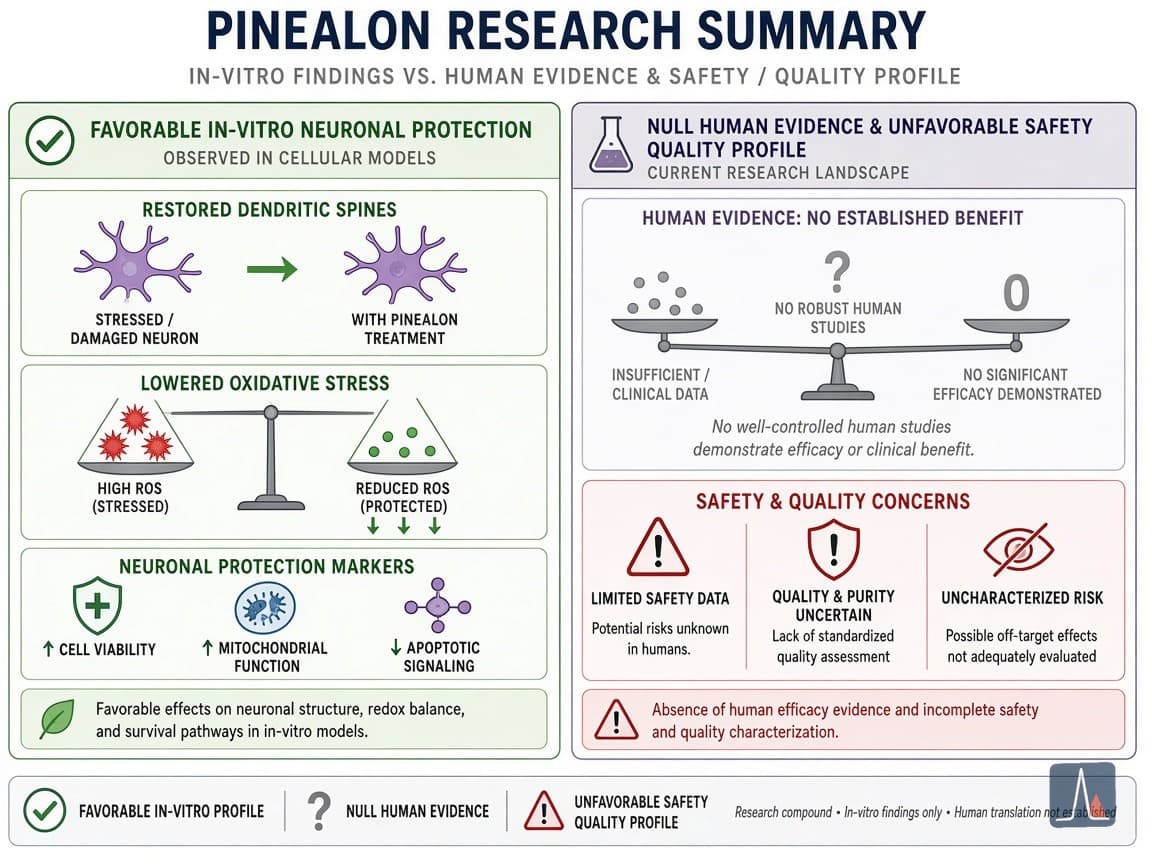
In primary rat cerebellar granule cells, PC12 cells, and neutrophils subjected to hydrogen peroxide, homocysteine, or glutamate stress, Glu-Asp-Arg restricted reactive oxygen species (ROS) accumulation in a dose-dependent manner and reduced necrotic cell death measured by propidium iodide uptake (Khavinson et al., Rejuvenation Research, 2011, PMID 21978084). Additional cell-culture work has shown increased dendritic length and arborisation in induced neurons derived from elderly human donors and partial protection against age-related oxidative DNA damage.
In an in-vitro amyloid synaptotoxicity model, 200 ng/ml EDR increased the density of mature mushroom dendritic spines by up to 71 %, returning values to levels seen in untreated controls. These cell-level findings are consistent within the Khavinson network but have not been widely replicated by independent laboratories.
Preclinical Animal Model Records
Several rodent studies report neuroprotective and cognitive signals. In a prenatal hyperhomocysteinemia model, pregnant rats fed excess methionine received Glu-Asp-Arg; their offspring showed improved spatial learning in the Morris water maze, lower cerebellar ROS accumulation, and fewer necrotic neurons when cerebellar cells were later challenged ex vivo (Arutjunyan et al., International Journal of Clinical and Experimental Medicine, 2012, PMID 22567179). This is one of the few studies with authorship partially outside the primary St. Petersburg group.
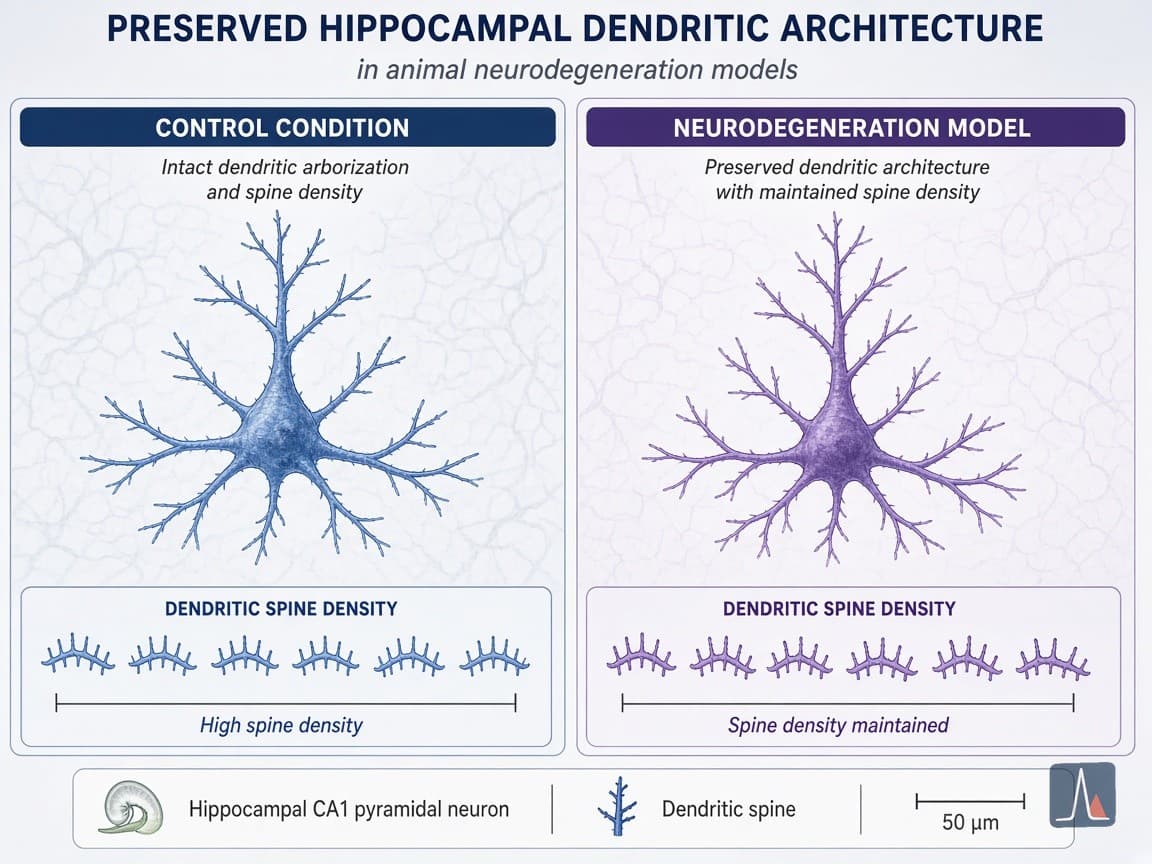
In aged rats subjected to acute hypoxia or carotid-artery occlusion, Pinealon treatment was associated with better performance in behavioural tests, modulated caspase-3 activity, and altered neuromediator levels in some reports (Mendzheritski et al., Advances in Gerontology, 2011–2015). A 2021 study in 5xFAD transgenic mice (a model of aggressive Alzheimer-type pathology) found that daily intraperitoneal EDR (400 μg/kg for two months) increased hippocampal CA1 dendritic spine density by approximately 11 % compared with vehicle-treated 5xFAD littermates, restoring density to levels comparable with non-transgenic controls (Khavinson et al., Pharmaceuticals, 2021, DOI 10.3390/ph14060515; corrected 2025 for duplicated panels, conclusions unchanged). Sex-stratified analysis suggested stronger effects on mushroom spines in males. Long-term potentiation showed only a non-significant trend toward improvement.
A small primate experiment (n=2 rhesus macaques) reported faster acquisition of a visual discrimination task and reduced motor reaction time. While these preclinical records generate interesting neuroprotective hypotheses, group sizes are often modest, and independent replication remains limited.
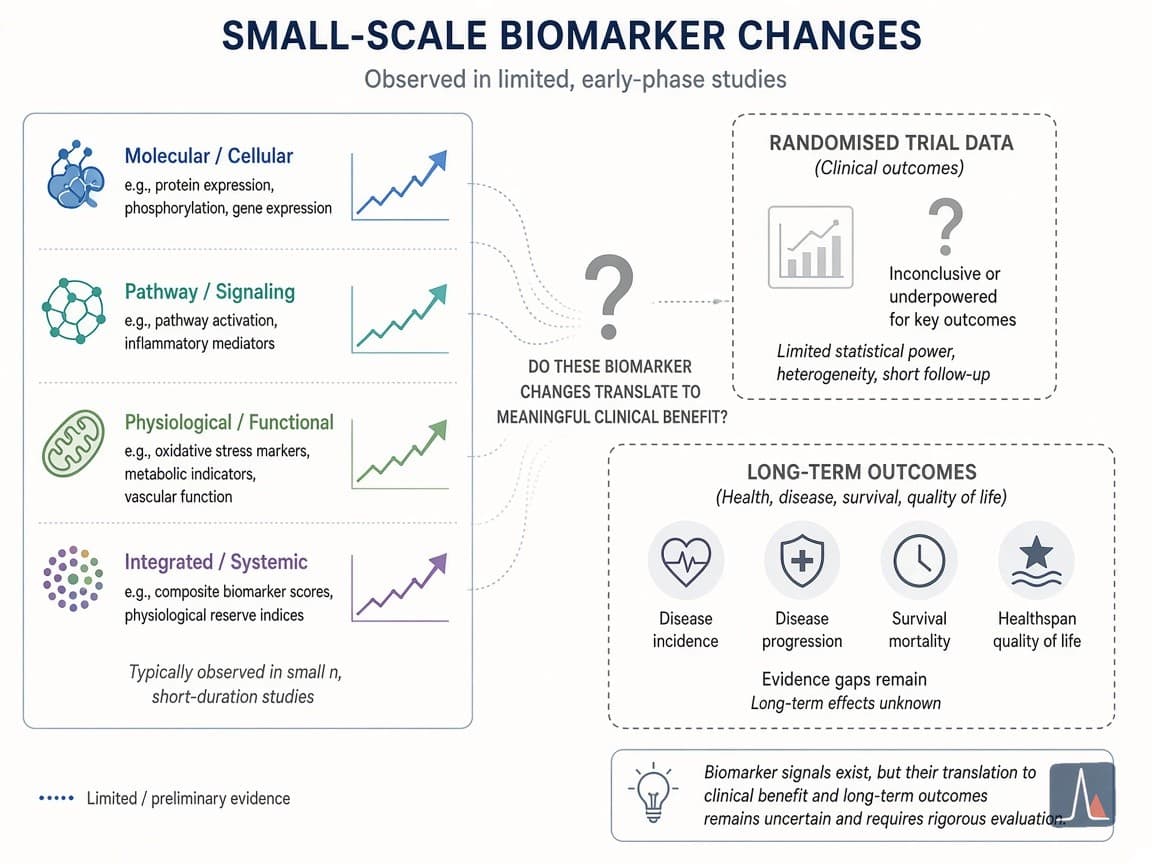
Limited Human Biomarker and Physiological Reports
Published human data consist of small, uncontrolled or poorly controlled Russian-language observational reports, nearly all originating from or affiliated with the St. Petersburg Institute of Bioregulation and Gerontology network.
Meshchaninov et al. (Advances in Gerontology, 2015, PMID 26390612) studied 32 adults (41–83 years) with polymorbidity and organic brain syndrome in remission. Participants received oral Pinealon (often combined with Vesugen). The authors reported anabolic effects, improved central-nervous-system activity, and slowing of “biological age” indices according to composite formulas. Vesugen appeared more effective than Pinealon in their comparison. The same paper noted a pro-oxidant signal on chemiluminescence assay and a decrease in circulating CD34+ hematopoietic progenitor cells.
Occupational studies examined locomotive brigade workers and professional truck drivers. Nazimko et al. (2012) described improved “biological age” parameters and psycho-adaptive scores after two weeks of oral Pinealon (100 μg twice daily). Bashkireva et al. (2012) reported reduced neurotic, asthenic, and anxious-depressive symptoms when cytogens including Pinealon were used in drivers. A developer review (Khavinson network, ~2017–2020) states that 72 patients with post-traumatic brain injury sequelae receiving oral Pinealon plus standard care experienced memory improvement in 59.4 % of cases, fewer headaches, and better emotional balance; the primary controlled report for this cohort has not been located in indexed literature despite repeated citation.
These reports used surrogate composite scores, questionnaires, and selected blood markers rather than validated cognitive batteries or hard clinical endpoints such as dementia incidence or stroke recurrence. No pharmacokinetic or brain-penetration data exist for the oral or injectable forms in humans.
Null, Mixed, Inconsistent, and Unfavorable Reported Findings
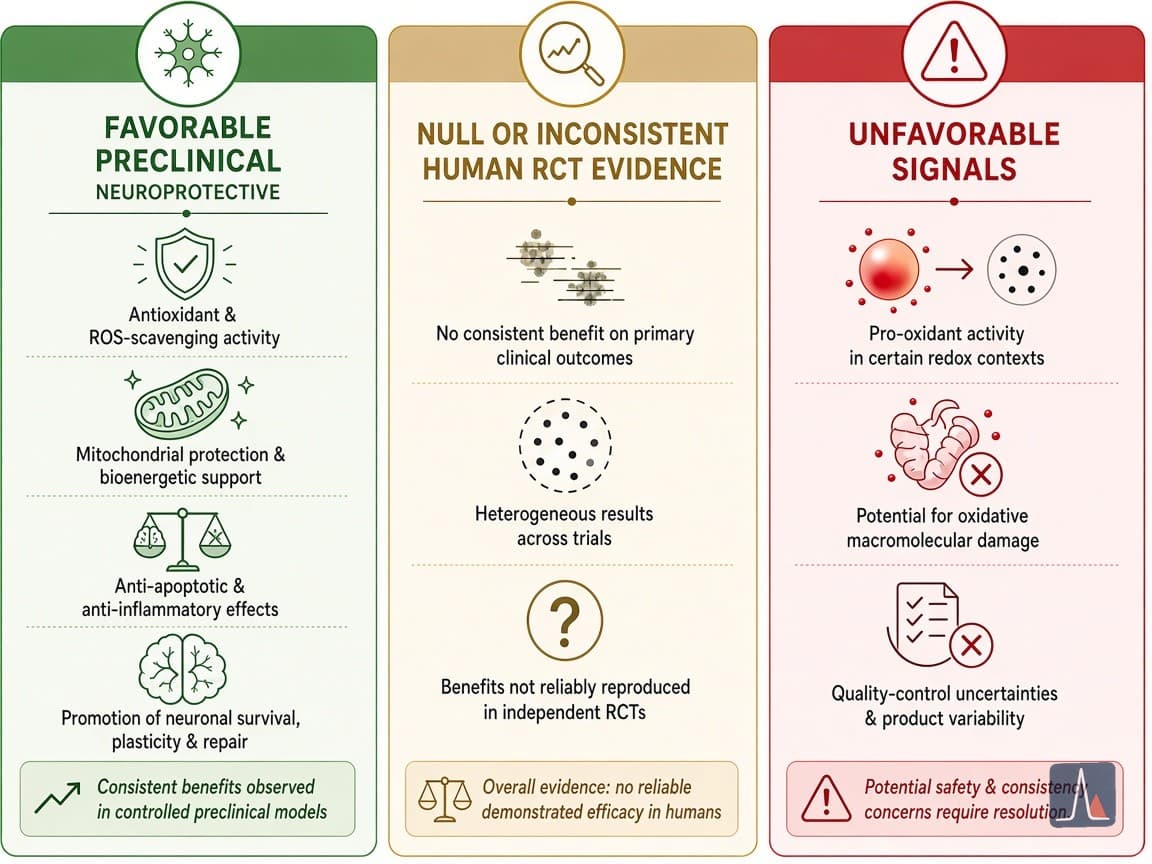
No randomised, double-blind, placebo-controlled trials of Pinealon appear in PubMed or on ClinicalTrials.gov as of late 2026. Independent Western replication of the cognitive or neuroprotective claims is absent. “Biological age” indices and psychoemotional questionnaires are composite surrogate measures whose clinical relevance is debated; they do not constitute validated health outcomes.
The pro-oxidant activity and reduction in CD34+ cells reported in the 2015 polymorbidity study raise theoretical questions about possible counterproductive effects on oxidative balance or hematopoiesis in some contexts. One 2021 mouse paper required a 2025 correction for duplicated figure panels, although the authors stated that conclusions were unaffected.
Claims of improved sleep or direct pineal-gland stimulation lack supporting primary data. Oral tripeptides are generally susceptible to gastrointestinal proteolysis; whether sufficient intact peptide reaches the central nervous system in humans is unknown. The injectable research form supplied in catalogs has zero published human safety, tolerability, or efficacy data. Mixed results appear in head-to-head comparisons with polypeptide extracts such as Cortexin, where Cortexin sometimes produced stronger effects on caspase-3 or free-radical parameters.
Safety Profile, Adverse Events, and Regulatory Context
Dedicated safety pharmacology or toxicology studies have not been published. The small Russian observational reports state that no obvious adverse events occurred, yet none included systematic adverse-event tables, laboratory monitoring, or placebo arms. The documented pro-oxidant signal and drop in CD34+ cells constitute potential safety signals that warrant further investigation.
No data exist on long-term use, drug interactions, pregnancy, or use in children. The injectable form popular among laboratory researchers has never been administered to humans in any indexed study, leaving sterility, endotoxin, and dosing risks entirely uncharacterised in a clinical sense. Pinealon is not approved by the FDA, EMA, or any major Western regulator. In Russia it has been sold as a dietary supplement, but it does not carry a medicinal licence in jurisdictions that have evaluated it. For laboratory research only.
Evidence Context, Recurrent Limitations, and Catalog Implications
The body of literature on Pinealon is dominated by one research network. While the preclinical signals—particularly ROS modulation and dendritic-spine preservation in cellular and transgenic Alzheimer models—are internally consistent and mechanistically interesting, they do not substitute for independent replication and high-quality human trials.
Recurrent limitations include small sample sizes, lack of blinding and placebo controls, reliance on surrogate composite scores rather than objective cognitive endpoints, and publication primarily in gerontology journals with a regional focus. Bioavailability and central-nervous-system exposure after oral or parenteral administration remain unproven in people. The mismatch between the oral capsules used in the few human reports and the injectable lyophilized powder offered in research catalogs is particularly relevant for laboratory users.
These preclinical findings make it theoretically plausible that Glu-Asp-Arg could influence neuronal resilience or plasticity under stress conditions in people, but this remains a hypothesis, not a demonstrated property of the research material. Catalog customers should treat Pinealon strictly as a tool for controlled laboratory experiments. Future independent pharmacokinetic, pharmacodynamic, and properly powered randomised studies would be required before any translational conclusions could be drawn. Quality-control testing (mass spectrometry, HPLC, endotoxin assay) remains essential for any laboratory work.
Sources
- Khavinson V et al. (2011). Pinealon increases cell viability by suppression of free radical levels and activating proliferative processes. *Rejuvenation Research*, PMID 21978084.
- Arutjunyan A et al. (2012). Pinealon protects the rat offspring from prenatal hyperhomocysteinemia. *International Journal of Clinical and Experimental Medicine*, PMID 22567179.
- Khavinson V et al. (2021). Neuroprotective Effects of Tripeptides—Epigenetic Regulators in Mouse Model of Alzheimer’s Disease. *Pharmaceuticals*, DOI 10.3390/ph14060515 (corrected 2025).
- Meshchaninov VN et al. (2015). Effect of synthetic peptides on aging of patients with chronic polymorbidity and organic brain syndrome. *Advances in Gerontology*, PMID 26390612.
- Nazimko VA et al. (2012). Analysis of some parameters of biological age and adaptation possibilities of workers of locomotive brigades. *Advances in Gerontology*, PMID 22708445.
- Bashkireva AS et al. (2012). The peptide correction of neurotic disorders among professional truck-drivers. *Advances in Gerontology*, PMID 23734521.
- Independent 2026 evidence summaries (Open Peptide Project, Peptide Science Institute reviews) highlighting absence of RCTs, single-network origin, surrogate endpoints, and quality-control risks for research chemicals.
Additional supporting reviews and methodological papers from *Molecules* (2020–2021) and *Advances in Gerontology* were consulted. No large-scale independent Western randomised trials were identified.
All information and products discussed are for laboratory and research use only. Not for human or veterinary use. Not intended to diagnose, treat, cure, or prevent any disease.
Więcej briefingów
- Korzystne i niekorzystne ustalenia dotyczące Ara-290Niewielkie randomizowane badania sponsorowane przez firmę wskazują, że Ara-290 (cibinetide) wiąże się z poprawą niektórych wyników w skalach objawów neuropatycznych oraz obfitości włókien nerwowych rogówki w neuropatii cienkich włókien związanej z sarkoidozą oraz w cukrzycy typu 2 diab
- Korzystne i niekorzystne wyniki dotyczące SelankPodsumować opublikowane korzystne i niekorzystne wyniki dotyczące Selank bez wykraczania poza ten wpis katalogowy.
- Korzystne i niekorzystne wyniki dotyczące Thymosin alpha-1Opublikowane badania randomizowane i metaanalizy dotyczące thymosin alpha-1, immunomodulacyjnego peptydu złożonego z 28 aminokwasów, dostarczanego do badań laboratoryjnych, donoszą o poprawie subpopulacji limfocytów T, zmniejszeniu liczby zakażeń oraz wybranych parametrach klinicznych w dol
Wszelkie omawiane informacje i produkty są przeznaczone wyłącznie do użytku laboratoryjnego i badawczego. Nie do stosowania u ludzi ani do użytku weterynaryjnego. Nie są przeznaczone do diagnozowania, leczenia, wyleczenia ani zapobiegania jakiejkolwiek chorobie.