
12 novembre 2026
Favorable and unfavorable findings on 5-Amino-1MQ
Scarichi il PDF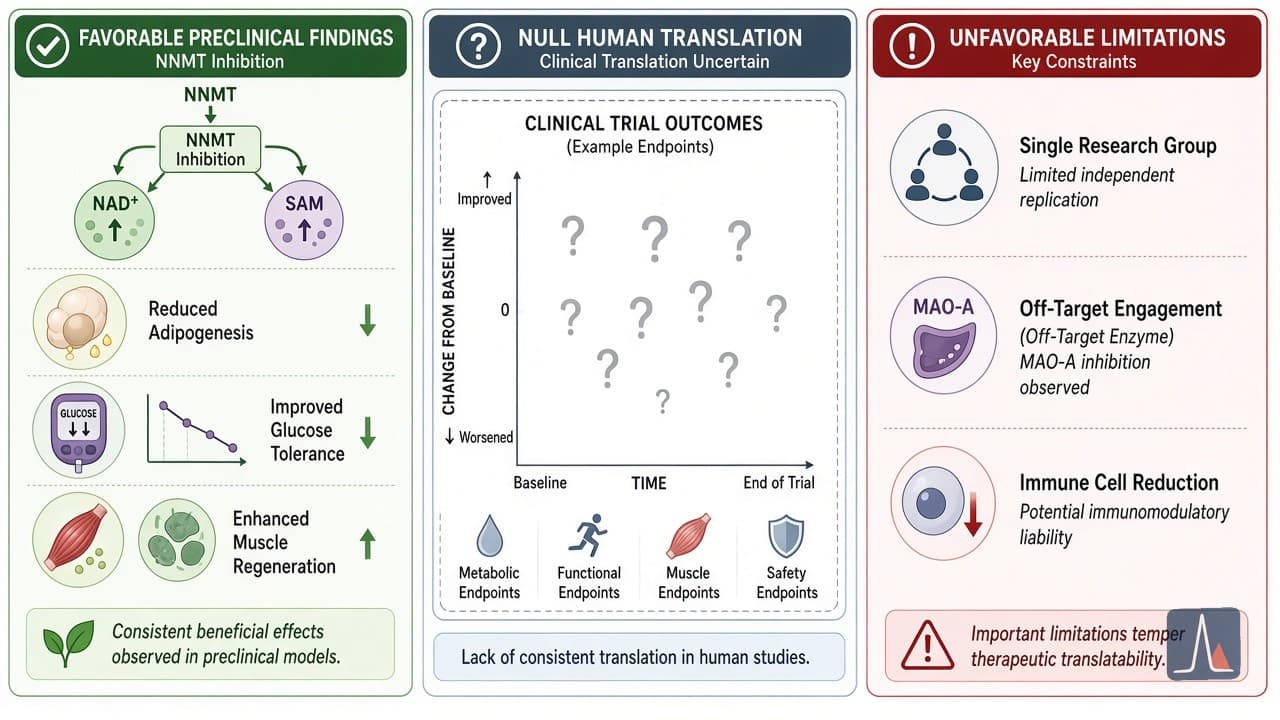
Preclinical in vitro and animal studies report that 5-Amino-1MQ, a small-molecule NNMT inhibitor supplied for laboratory research only, raises NAD+ and SAM in adipocytes, suppresses lipogenesis, attenuates diet-induced obesity and hepatic s
Favorable and unfavorable findings on 5-Amino-1MQ
This briefing weighs published favorable and unfavorable findings on 5-Amino-1MQ without recommending use. 5-Amino-1MQ is supplied by Rierink Compounds for laboratory research only. It is not a medicine. Reporting published findings is not guidance to use the research material.
Chemical Identity and Catalog Context
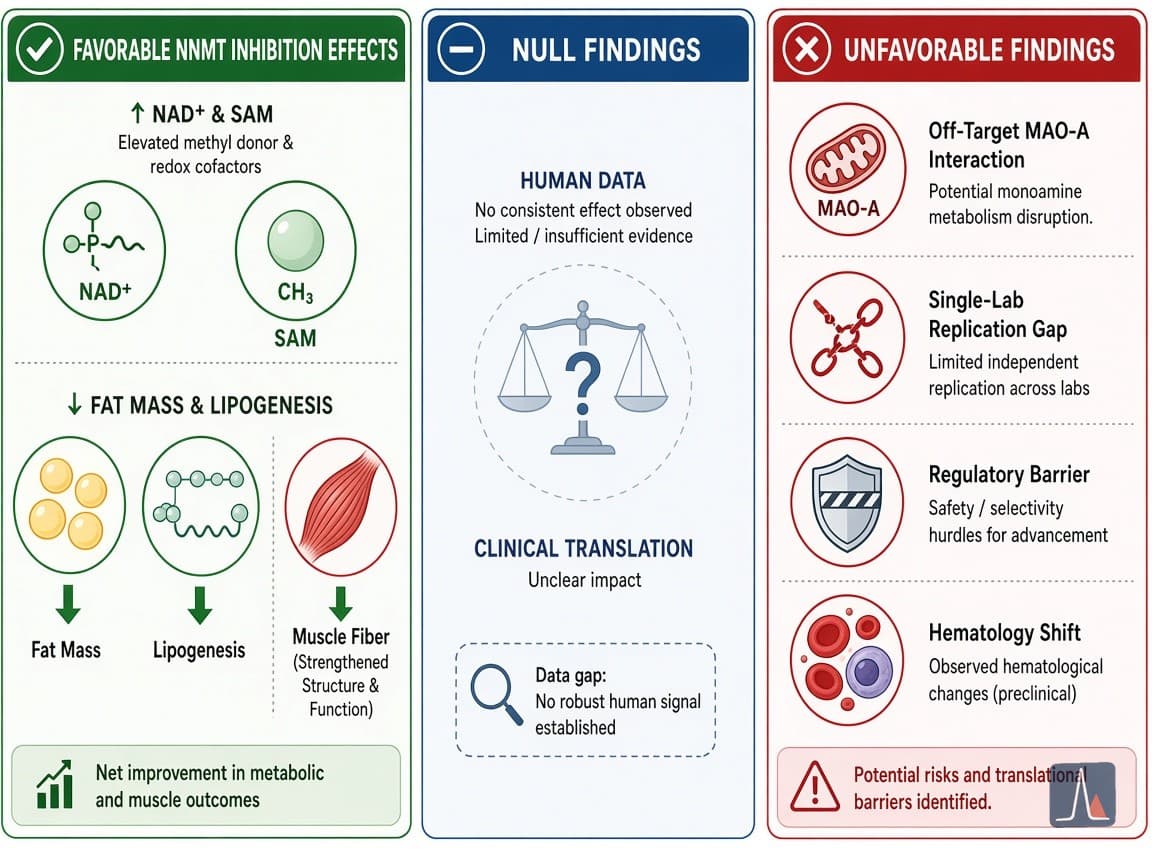
5-Amino-1MQ (5-amino-1-methylquinolinium or 5A1MQ) is a small-molecule quinolinium-based inhibitor of nicotinamide N-methyltransferase (NNMT; EC 2.1.1.1). It is catalogued at /compounds/5-amino-1mq for laboratory research use only. It is not a peptide. NNMT is a cytosolic enzyme that methylates nicotinamide using S-adenosylmethionine (SAM), producing 1-methylnicotinamide (1-MNA) and diverting nicotinamide from the NAD+ salvage pathway while consuming cellular methylation capacity. NNMT expression is upregulated in white adipose tissue and liver in obesity and type 2 diabetes models and in corresponding human tissues.
Foundational Mechanistic and In Vitro Evidence
In biochemical and cell-based assays, 5-Amino-1MQ inhibits recombinant human NNMT with an IC50 in the low-micromolar range (~1.2 µM). In cultured 3T3-L1 pre-adipocytes and differentiated adipocytes, treatment concentration-dependently lowers intracellular 1-MNA (EC50 ~2.3 µM), elevates NAD+ (reported 1.2–1.6 fold) and SAM, activates SIRT1-linked pathways, downregulates lipogenic genes, and reduces lipid accumulation (Oil Red O staining reduced by ~50% at 30 µM and ~70% at 60 µM). These changes are consistent with preserved nicotinamide for NAD+ synthesis and restored methylation potential that may favor oxidative and thermogenic gene programs (PRDM16, PGC-1α) over white-adipocyte lipid storage. Early characterization demonstrated good membrane permeability and selectivity versus several related methyltransferases and NAD-pathway enzymes. Cytotoxicity was minimal at efficacious concentrations but noted at concentrations exceeding 100 µM in some cell types.
Preclinical Animal Model Records
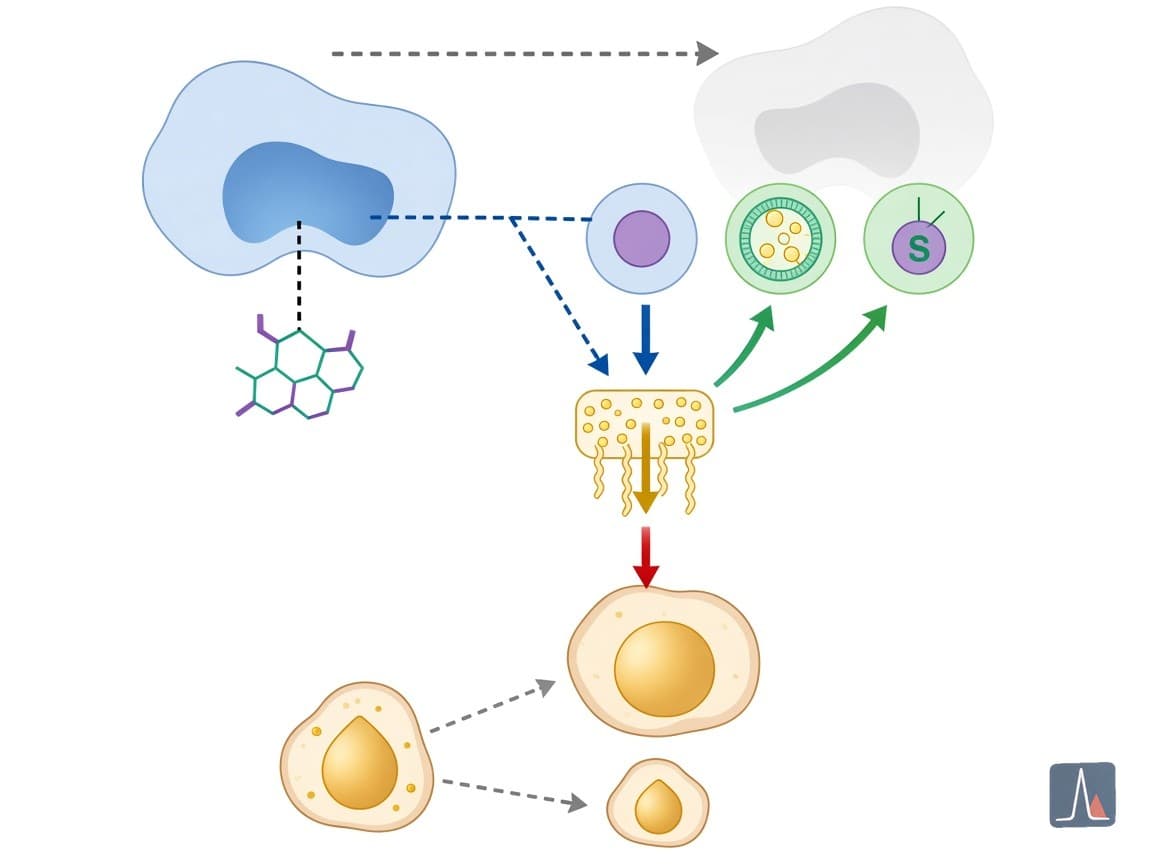
In diet-induced obese (DIO) C57BL/6 mice, subcutaneous 5-Amino-1MQ (approximately 20 mg/kg TID for 11 days) was reported to produce a 5.1% body-weight reduction versus 1.4% gain in vehicle controls, with ~35% lower epididymal white-adipose tissue mass, smaller adipocytes, and ~30% lower plasma cholesterol despite unchanged food intake (Neelakantan et al., 2018). No observable adverse effects were noted. A 28-day once-daily subcutaneous dosing study confirmed dose-dependent limitation of weight and fat-mass gain, improved oral glucose tolerance and insulin sensitivity, suppressed hyperinsulinaemia, reduced hepatic steatosis, macrophage infiltration, liver triglycerides, and normalization of ALT, AST, and ketone bodies (Babula et al., 2024). Tissue distribution to adipose, muscle, and liver was favorable with subcutaneous administration. When combined with a switch to a low-fat diet, NNMT inhibition accelerated normalization of body composition and liver pathology and induced a distinct microbiome profile. In aged (22–24 month) mice, NNMT inhibition after muscle injury or in sarcopenia models increased satellite-cell proliferation and fusion, approximately doubled regenerating myofiber cross-sectional area, improved peak torque (~70% in one report), and enhanced grip strength, with additive effects to exercise in select studies.
Absence of Human Biomarker and Physiological Reports
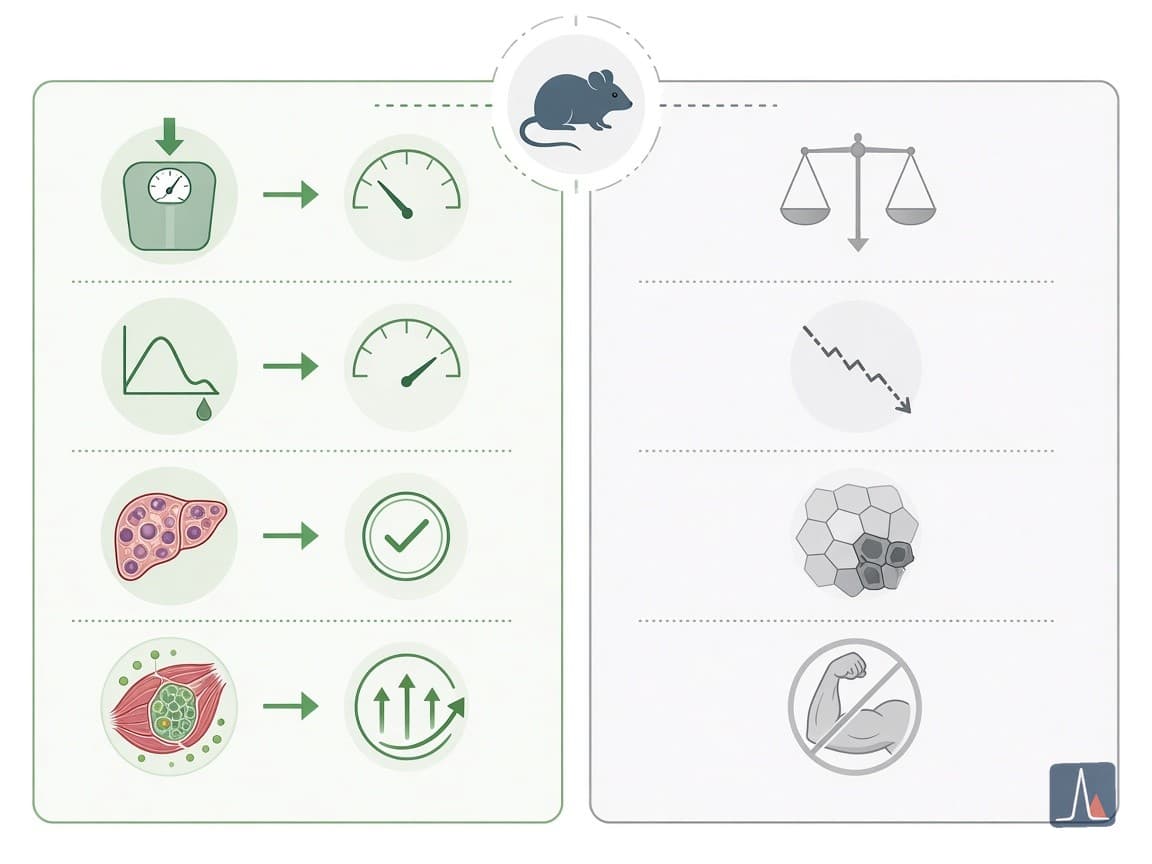
No human clinical trials, biomarker studies, pharmacokinetic investigations, or physiological reports on 5-Amino-1MQ have been published or registered on ClinicalTrials.gov as of November 2026. Reviews of NNMT as a therapeutic target in metabolic disease, aging, and oncology explicitly state that no clinical trials of NNMT inhibitors have been reported. Consequently, human pharmacokinetics, target engagement, metabolic effects, muscle outcomes, dosing, tolerability, and any clinical parameters remain entirely uncharacterized. All claims of human benefit represent unsupported extrapolation from rodent and cell models.
Null, Mixed, Inconsistent, and Unfavorable Reported Findings
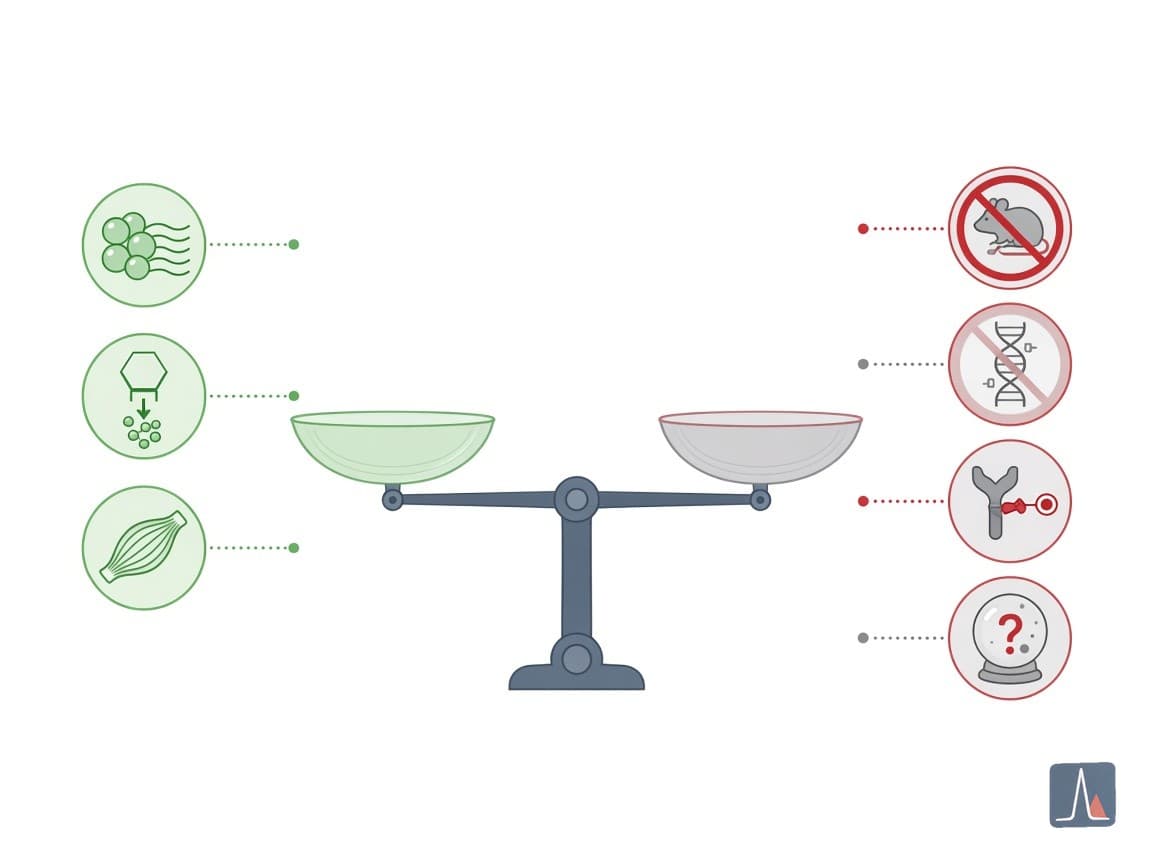
The metabolic and regenerative findings originate predominantly from a single University of Texas research group with declared or historical links to Ridgeline Therapeutics, a company developing NNMT inhibitors. Independent replication of the core obesity-reversal and muscle-regeneration phenotypes by unrelated laboratories is absent from the indexed literature. Studies typically involve small group sizes, short treatment durations (11 days to 8 weeks), and in some cases pair the inhibitor with dietary intervention. Oral bioavailability data are inconsistent, with one rat study reporting ~38% and certain mouse assessments indicating lower absorption; most efficacy data used subcutaneous dosing. Counter-screening identified substantial off-target inhibition of monoamine oxidase-A (MAO-A, ~67% at 10 µM), which the authors note may contribute to glucose-tolerance improvements but also raises theoretical risks of serotonergic interactions or tyramine sensitivity. One higher-dose mouse study reported reductions in circulating lymphocytes (~31%) and monocytes (~50%). NNMT biology is pleiotropic; while metabolic benefits are emphasized, context-dependent roles in cancer-associated fibroblasts (e.g., association with immunotherapy resistance in bladder cancer models) and potential loss of 1-MNA-mediated protective effects in vasculature, liver, or brain introduce mixed implications. Long-term safety, epigenetic consequences of sustained SAM/NAD+ perturbation, carcinogenicity, and reproductive toxicity have not been reported. The complete absence of human data constitutes the primary unfavorable context and precludes any translational inference.
Safety Profile, Adverse Events, and Regulatory Context
Published short-term mouse studies (11–28 days or up to 8 weeks) at efficacious doses generally reported “no observable adverse effects,” unchanged food intake, and, in obese models, improved rather than worsened liver enzymes and histology. No dedicated GLP-compliant toxicology, chronic-dosing, genotoxicity, reproductive, or carcinogenicity studies are publicly available. Because no controlled human exposure has occurred, safety, tolerability, dose-limiting toxicities, and potential drug–drug interactions in people are unknown. 5-Amino-1MQ is not an approved drug in any jurisdiction. An FDA warning letter issued in January 2026 identified 5-amino-1-methylquinolinium iodide as ineligible for use in 503B compounding because it is not on the bulk drug substances list and is not used to compound an approved drug on the shortage list. It is supplied strictly for laboratory research and falls under WADA S0 (unapproved substances) for athletes.
Evidence Context, Recurrent Limitations, and Catalog Implications
Published records on 5-Amino-1MQ demonstrate coherent preclinical support for NNMT inhibition in models of diet-induced obesity, hepatic steatosis, insulin resistance, and age-related muscle decline. Favorable mechanistic (elevated NAD+/SAM, suppressed lipogenesis) and animal outcomes (reduced fat mass without appetite suppression, improved glucose handling, normalized liver histology, enhanced muscle regeneration) are internally consistent within the reported systems. These constitute the favorable findings. They are offset by recurrent limitations that dominate the unfavorable and null record: complete absence of human data, predominance of a single research lineage with commercial ties, modest study scale and duration, variable oral bioavailability, identified off-target activity (MAO-A), reported hematologic changes at higher exposures, and uncharacterized long-term consequences of systemic NNMT inhibition on methylation biology, NAD+ homeostasis, and pleiotropic NNMT roles. Metabolic enzyme targets frequently fail to translate from DIO mice to humans. In the catalog context alongside agents with extensive randomised-trial programmes (e.g. semaglutide, tirzepatide, liraglutide) or more extensive human biomarker data (e.g. L-carnitine, glutathione, NAD), 5-Amino-1MQ remains an early-stage chemical tool whose human utility is unproven. Catalog placement correctly signals laboratory-research status. Future indexed human trials conducted under regulatory oversight with appropriate controls would be required before any clinical inferences could be drawn.
Sources
- Neelakantan H, et al. Selective and membrane-permeable small molecule inhibitors of nicotinamide N-methyltransferase reverse high fat diet-induced obesity in mice. *Biochem Pharmacol*. 2018. PMID: 29155147. DOI: 10.1016/j.bcp.2017.11.007. PMC5826726.
- Babula JJ, et al. Nicotinamide N-methyltransferase inhibition mitigates obesity-related metabolic dysfunction. *Diabetes Obes Metab*. 2024. PMID: 39161060.
- Dimet-Wiley AL, et al. Nicotinamide N-methyltransferase inhibition mimics and boosts exercise-mediated improvements in muscle function in aged mice. *Sci Rep*. 2022/2024 updates.
- Awosemo O, et al. Development & validation of LC-MS/MS assay for 5-amino-1-methyl quinolinium in rat plasma. *J Pharm Biomed Anal*. 2021. PMID: 34304009. DOI: 10.1016/j.jpba.2021.114255.
- Additional reviews and evidence atlases (2024–2026) confirming zero registered or published human trials of NNMT inhibitors.
All information and products discussed are for laboratory and research use only. Not for human or veterinary use. Not intended to diagnose, treat, cure, or prevent any disease.
Altri briefing
- Favorable and unfavorable findings on AdipotidePreclinical studies in obese mice and monkeys report that Adipotide causes targeted apoptosis of white adipose tissue vasculature leading to substantial fat loss and improved insulin resistance, yet the same primate experiments identified d
- Published mechanisms reported for TirzepatidePublished structural, in vitro, preclinical, and human islet studies describe tirzepatide as an imbalanced dual GIPR/GLP-1R agonist exhibiting biased cAMP signaling at the GLP-1 receptor, influencing glucose-dependent islet hormone secretio
- Favorable and unfavorable findings on AdamaxNo peer-reviewed studies characterize or test the research peptide sold as Adamax. Favorable signals reported for the parent heptapeptide Semax on BDNF/TrkB upregulation, neuroprotection, and limited stroke recovery parameters are theoretic
Tutte le informazioni e i prodotti trattati sono destinati esclusivamente all'uso di laboratorio e di ricerca. Non per uso umano o veterinario. Non destinati a diagnosticare, trattare, curare o prevenire alcuna malattia.