
12 de noviembre de 2026
Favorable and unfavorable findings on Adipotide
Descargar PDF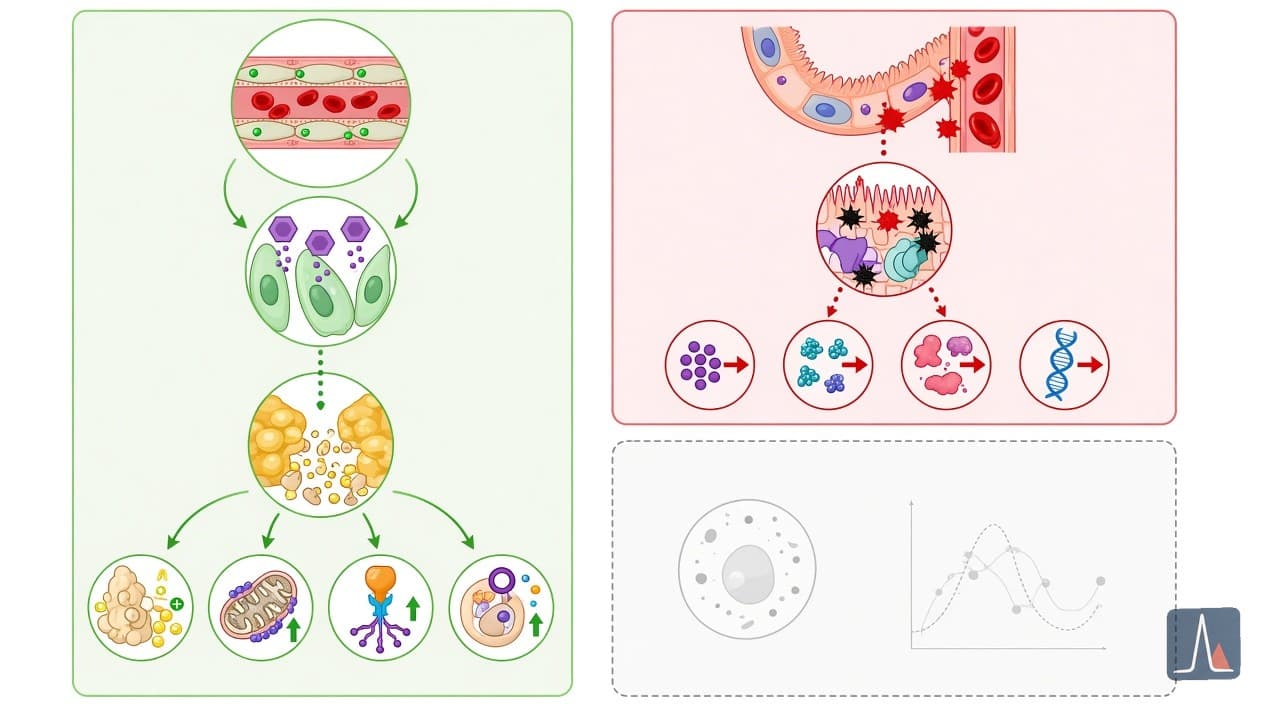
Preclinical studies in obese mice and monkeys report that Adipotide causes targeted apoptosis of white adipose tissue vasculature leading to substantial fat loss and improved insulin resistance, yet the same primate experiments identified d
Favorable and unfavorable findings on Adipotide
Materials supplied by Rierink Compounds are for laboratory research only. They are not medicines. Reporting a published human trial is not guidance to use the research material in any way.
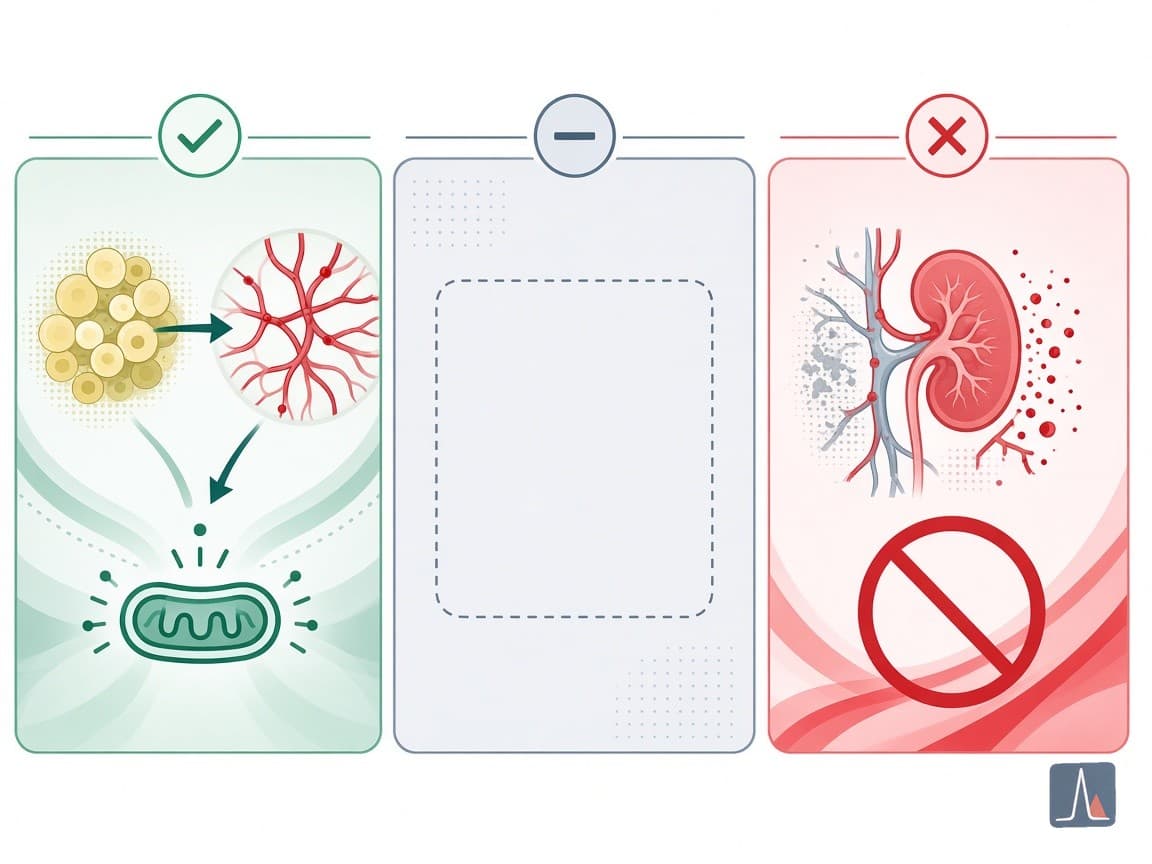
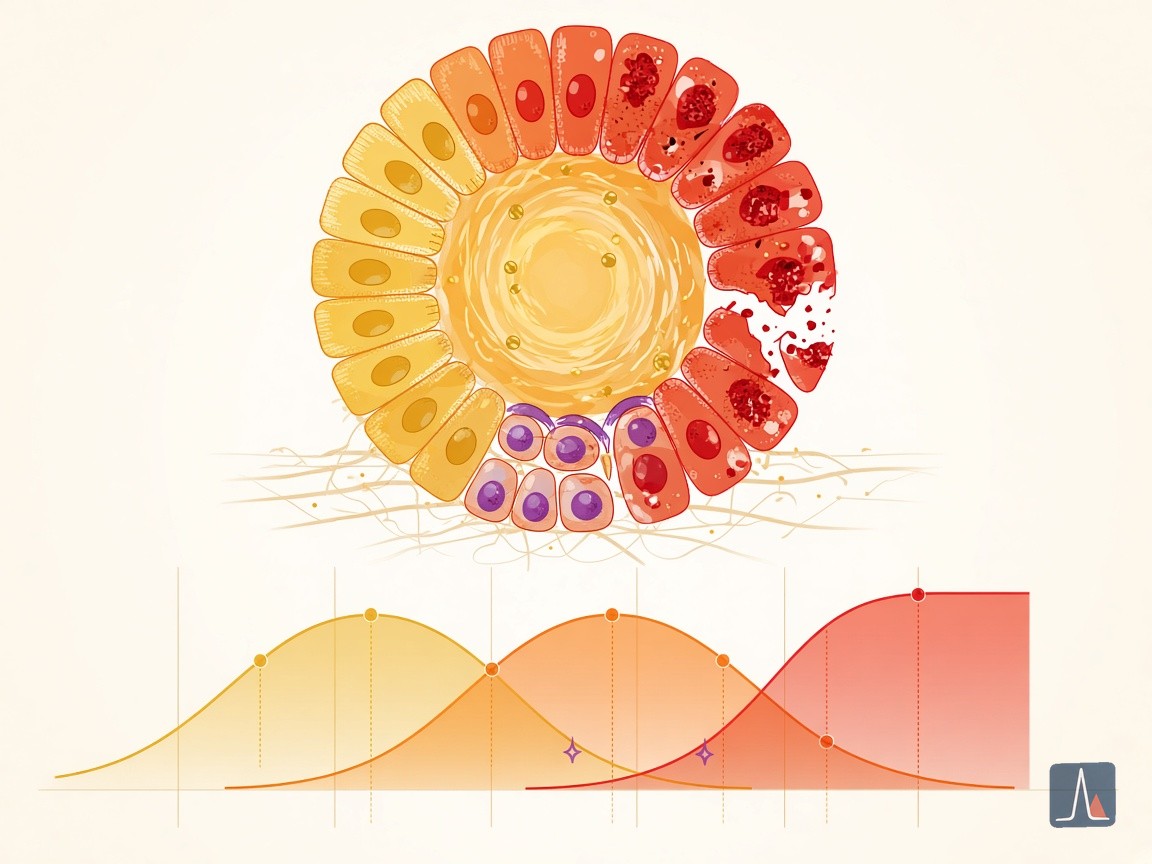
Adipotide (also known as FTPP or Prohibitin-TP01) is a ligand-directed peptidomimetic developed from cancer-vascular-targeting research. Published records from 2004–2012 center on its ability to home to prohibitin on white adipose tissue (WAT) endothelium, trigger endothelial apoptosis, collapse the local blood supply, and produce rapid resorption of fat depots in obese animals. These studies simultaneously document overlapping renal toxicity signals in higher species and a complete absence of published human efficacy or safety data following early termination of the sole registered clinical trial. The evidence therefore presents a clear contrast between compelling short-term preclinical efficacy signals and significant translational barriers. !Abstract diagram of favorable versus unfavorable Adipotide findings Abstract schematic separating favorable preclinical fat-loss pathway from unfavorable renal and null human data findings.

Chemical Identity and Catalog Context
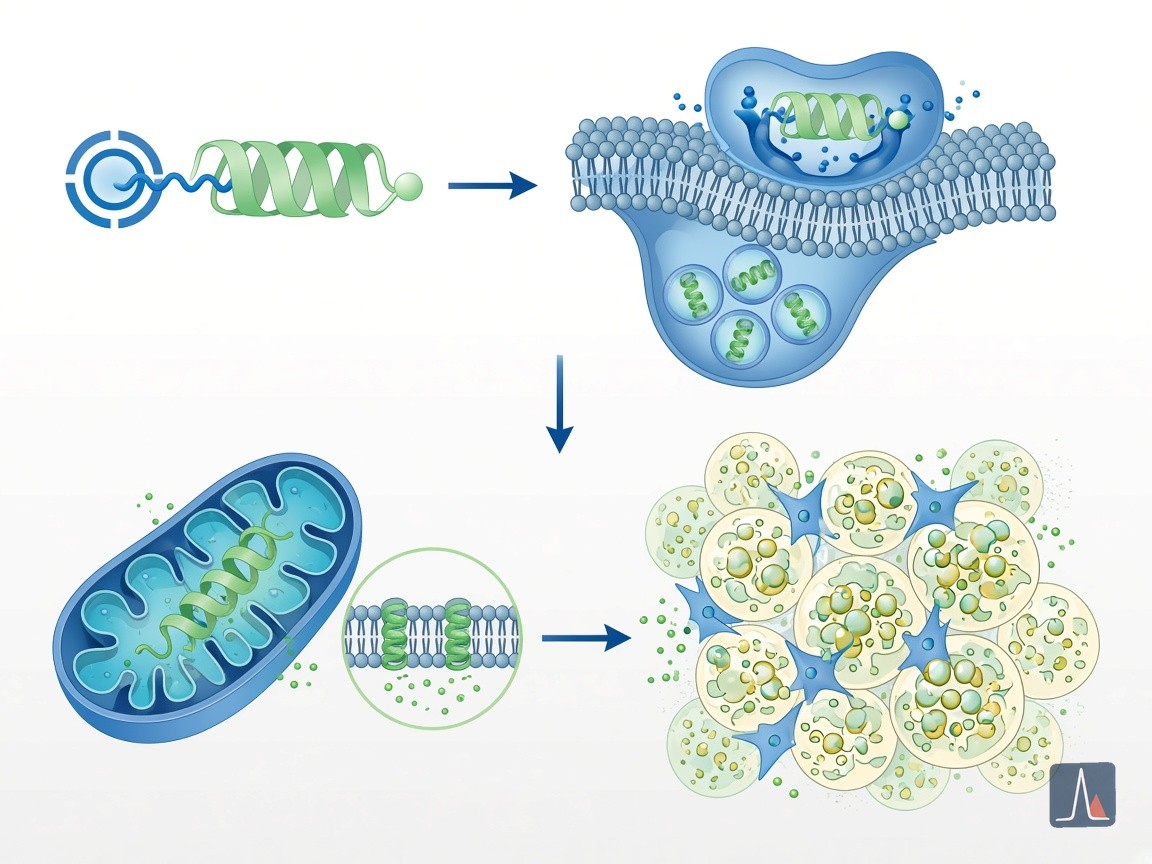
Adipotide is the synthetic chimeric peptidomimetic CKGGRAKDC-GG-D(KLAKLAK)₂. The N-terminal cyclic motif (CKGGRAKDC) was isolated by in vivo phage display for selective binding to prohibitin (and annexin A2) expressed on the angiogenic endothelium of obese white adipose tissue. The C-terminal (D)(KLAKLAK)₂ domain is a cationic amphipathic α-helical peptide that, once internalized, disrupts mitochondrial membranes, releasing cytochrome c and initiating apoptosis specifically in the targeted endothelial cells. This leads to ischemic death of adipocytes, macrophage clearance of debris, and net reduction in adipose mass without broad systemic cytotoxicity in the original rodent models. The molecule is supplied exclusively for controlled laboratory investigation of adipose vascular biology and is not approved or characterized for any human therapeutic application.
Foundational Mechanistic and In Vitro Evidence
In vitro binding and cell-culture experiments established that the CKGGRAKDC motif interacts with surface prohibitin on endothelial cells isolated from white fat. Conjugation to the pro-apoptotic sequence produces dose-dependent apoptosis in prohibitin-expressing cells but spares cells lacking the receptor. Tissue-binding assays confirmed enrichment in obese WAT vasculature compared with lean or non-adipose vessels. These mechanistic studies provided the rationale for subsequent animal testing and demonstrated proof-of-concept for ligand-directed vascular ablation as an anti-obesity strategy. Prohibitin expression was later noted in human WAT endothelium as well, raising theoretical translational relevance while simultaneously highlighting potential for off-target distribution (including kidney tubules). !Mechanism of Adipotide targeting Foundational mechanistic diagram of prohibitin-targeted endothelial apoptosis in white adipose vasculature.
Preclinical Animal Model Records
The foundational rodent study (Kolonin et al., Nature Medicine, 2004) administered the peptidomimetic to diet-induced obese mice. Targeted endothelial apoptosis within WAT vessels produced rapid resorption of established white adipose tissue, normalization of metabolic parameters, increased energy expenditure, and reversal of obesity with body-weight reductions approaching 30 % over approximately four weeks in reported cohorts. Effects were largely absent in lean animals or those maintained on low-fat diets, suggesting selectivity for expanded, inflamed adipose vasculature. No overt adverse events were highlighted in the primary report. Subsequent mouse work confirmed rapid (2–3 day) improvements in glucose tolerance that appeared partly independent of weight loss or caloric restriction in pair-fed controls, along with favorable shifts in adipose mitochondrial function, oxidative phosphorylation, and branched-chain amino acid metabolism. !Preclinical favorable findings schematic Summary of reported favorable body-composition and metabolic improvements in animal obesity models.
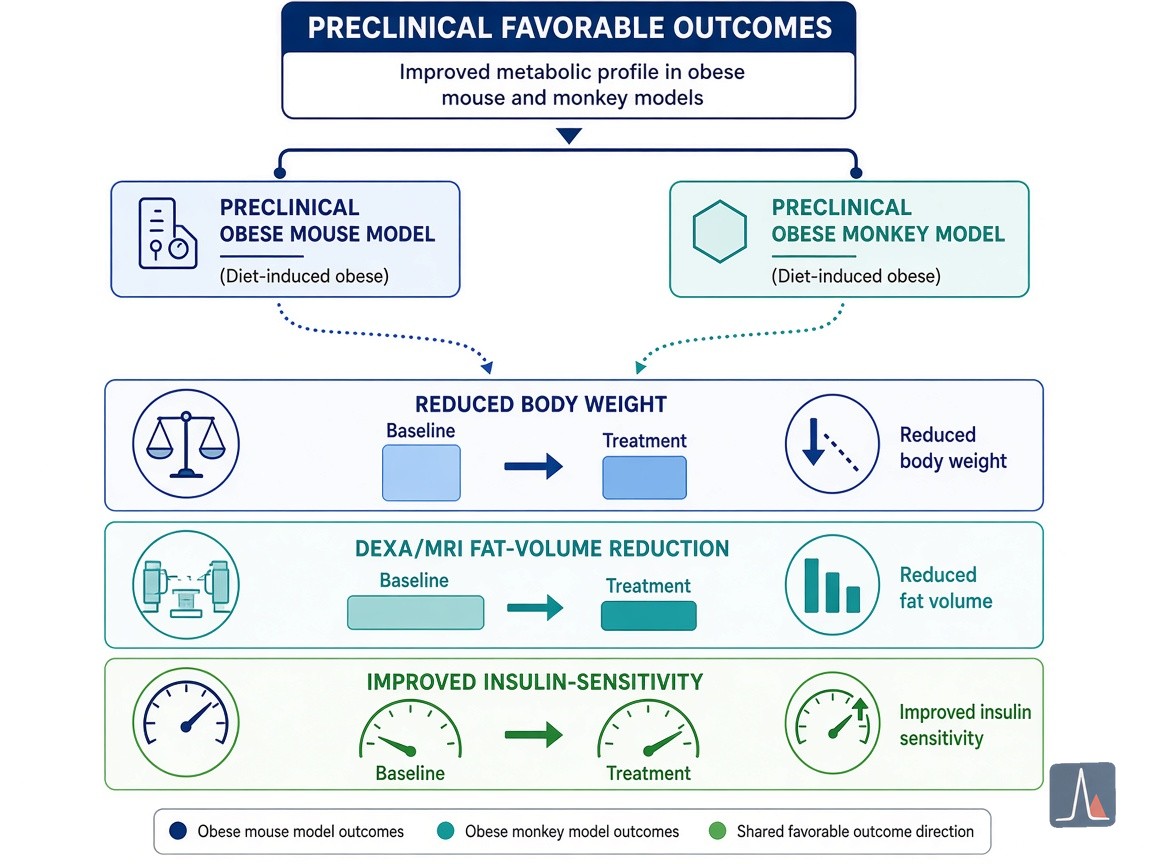
These findings were extended to nonhuman primates in a landmark 2011 study (Barnhart et al., Science Translational Medicine). Spontaneously obese Old World monkeys (rhesus macaques as the primary cohort, with confirmatory data in baboons and cynomolgus monkeys) received daily subcutaneous injections at an optimized dose (~0.43 mg/kg) for 28 days. Treated animals experienced mean body-weight loss of approximately 10.6–11 % (individual range 7.4–14.7 %), statistically significant reductions in BMI and abdominal circumference, 38.7 % reduction in total body fat by dual-energy X-ray absorptiometry (versus ~15 % in vehicle controls), and corroborative MRI evidence of decreased abdominal WAT volume. Insulin resistance improved markedly (insulinogenic index reduced by ~48 %, p = 0.019), with better glucose handling observed within days of treatment initiation. Lean monkeys at comparable exposures showed no weight loss, reinforcing apparent selectivity for obese-state vasculature. These preclinical efficacy outcomes represent the most translationally relevant favorable data published for the compound.
Null, Mixed, Inconsistent, and Unfavorable Reported Findings
The same 2011 primate experiments that generated favorable metabolic and body-composition data simultaneously recorded consistent unfavorable renal findings. Across three Old World monkey species, dose-dependent alterations in proximal tubule function emerged at exposures overlapping the efficacious range (>0.25 mg/kg). These included elevations in serum creatinine, glucosuria, proteinuria, increased urinary renal epithelial cells, mild hypophosphatemia, hypokalemia, and signs of dehydration at higher doses. Dedicated histopathology in lean rhesus cohorts revealed minimal-to-moderate tubular degeneration, single-cell necrosis, and regenerative changes; these were largely reversible during a 28-day recovery period but residual mild changes persisted in some animals. The authors described the renal effects as “predictable and reversible” yet acknowledged they tracked with the doses producing optimal fat loss. A subsequent letter to the journal (Criscione, 2012) questioned whether reduced food intake—observed concurrently in both rodents and monkeys—accounted for a substantial fraction of the weight loss, suggesting possible non-specific or central effects rather than pure vascular ablation. The original authors replied that the pattern (selectivity for obese animals, rapid metabolic changes independent of weight in rodents) supported the intended mechanism, but the exchange left lingering uncertainty regarding primacy of action. !Unfavorable renal findings diagram Schematic representation of reported dose-dependent renal proximal tubule effects observed in primate studies.
Human evidence is null in the peer-reviewed literature. The sole registered trial (NCT01262664, Phase 1, open-label, dose-escalation in obese men with metastatic prostate cancer, sponsored by MD Anderson Cancer Center) planned to enroll up to 39 participants but was terminated at the principal investigator’s request after only four subjects had been dosed. No efficacy, safety, pharmacokinetic, biomarker, or adverse-event results were ever posted on ClinicalTrials.gov or published. Development was not advanced, and no subsequent human studies appear in indexed databases through 2026. The absence of any completed, controlled human data constitutes the most significant gap in the record.
Safety Profile, Adverse Events, and Regulatory Context
The dominant published safety signal is the renal proximal-tubule injury observed in nonhuman primates at therapeutic exposures. No lethalities occurred even at markedly supratherapeutic single doses (up to ~133-fold the efficacious level in limited toxicology). However, the narrow apparent therapeutic index, the irreversible nature of the vascular-ablation mechanism, and the potential for off-target prohibitin engagement in kidney and other tissues remain unaddressed in long-term or human studies. There are no published carcinogenicity, reproductive toxicology, or chronic-dosing data. Adipotide has never received marketing authorization in any jurisdiction, is not listed on FDA bulk-compound schedules permitting compounding for human use, and clinical development appears to have been discontinued following the terminated Phase 1 study. It remains strictly a laboratory research tool.
Evidence Context, Recurrent Limitations, and Catalog Implications
Favorable findings are confined to short-duration (≤28 days) preclinical models generated primarily by one research consortium. While the magnitude of fat loss (~11 % body weight, ~39 % total fat in obese monkeys) and accompanying metabolic improvements are striking for an anti-obesity prototype, these benefits were achieved at exposures that also produced renal tubular stress in the most human-relevant species tested. The mechanism debate (vascular ablation versus possible contribution of reduced food intake), the irreversible destruction of adipose vasculature, the lack of long-term durability or safety data, small cohort sizes, and complete absence of published human outcomes represent recurrent and substantial limitations. The single early-phase human trial yielded no public data, leaving the human safety margin, pharmacokinetic profile, and clinical efficacy entirely uncharacterized. For catalog purposes, Adipotide stands as an instructive but high-risk research prototype illustrating both the promise of adipose-vascular targeting and the translational hurdles posed by off-target effects and narrow therapeutic windows. Laboratory investigators should interpret all claims against this narrow, predominantly preclinical evidence base and incorporate appropriate controls when studying its mechanism in vitro or in animal models. No human application is supported by the published record.
Sources
- Kolonin MG, Saha PK, Chan L, Pasqualini R, Arap W. Reversal of obesity by targeted ablation of adipose tissue. *Nat Med*. 2004;10(6):625-632. doi:10.1038/nm1048. PMID: 15133506. https://pubmed.ncbi.nlm.nih.gov/15133506/
- Barnhart KF, Christianson DR, Hanley PW, et al. A peptidomimetic targeting white fat causes weight loss and improved insulin resistance in obese monkeys. *Sci Transl Med*. 2011;3(108):108ra112. doi:10.1126/scitranslmed.3002621. PMID: 22072637. PMCID: PMC3666164. https://pmc.ncbi.nlm.nih.gov/articles/PMC3666164/
- ClinicalTrials.gov. NCT01262664: A First-in-Man, Phase I Evaluation of a Single Cycle of Prohibitin Targeting Peptide 1 in Patients With Metastatic Prostate Cancer and Obesity. Terminated, 4 participants enrolled, no results posted. https://clinicaltrials.gov/study/NCT01262664
- Criscione L. Comment on the Barnhart et al. primate study (published exchange). *Sci Transl Med*. 2012. (letter addressing food-intake contribution).
Additional indexed reviews and evidence summaries through 2026 consistently reiterate the same limited primary literature with no new human data or reversal of the renal findings. All interpretations remain theoretical with respect to human physiology.
All information and products discussed are for laboratory and research use only. Not for human or veterinary use. Not intended to diagnose, treat, cure, or prevent any disease.
Más informes
- Published mechanisms reported for TirzepatidePublished structural, in vitro, preclinical, and human islet studies describe tirzepatide as an imbalanced dual GIPR/GLP-1R agonist exhibiting biased cAMP signaling at the GLP-1 receptor, influencing glucose-dependent islet hormone secretio
- Favorable and unfavorable findings on 5-Amino-1MQPreclinical in vitro and animal studies report that 5-Amino-1MQ, a small-molecule NNMT inhibitor supplied for laboratory research only, raises NAD+ and SAM in adipocytes, suppresses lipogenesis, attenuates diet-induced obesity and hepatic s
- Favorable and unfavorable findings on AdamaxNo peer-reviewed studies characterize or test the research peptide sold as Adamax. Favorable signals reported for the parent heptapeptide Semax on BDNF/TrkB upregulation, neuroprotection, and limited stroke recovery parameters are theoretic
Toda la información y los productos tratados son exclusivamente para uso en laboratorio e investigación. No para uso humano ni veterinario. No están destinados a diagnosticar, tratar, curar ni prevenir ninguna enfermedad.